






Antique Chamber Candleholder
An antique chamber candleholder is a portable light source with a fitted tray and handle, offering period character and tactile history for modern rooms.
Antique Chamber Candleholder
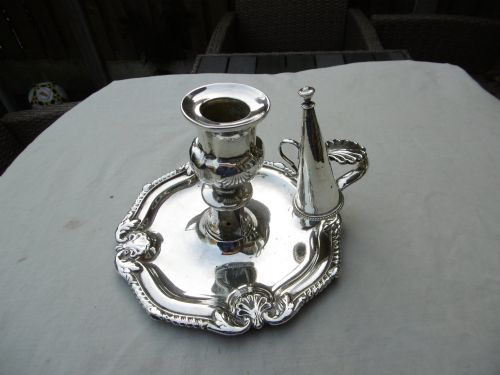
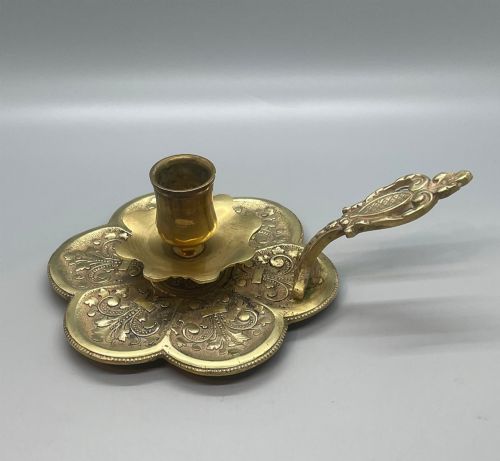
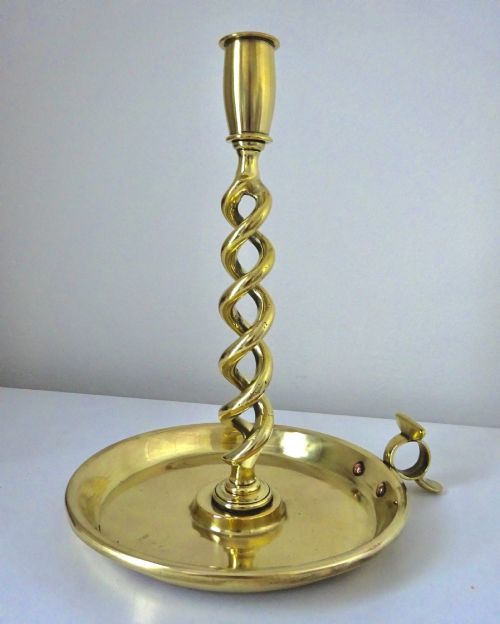
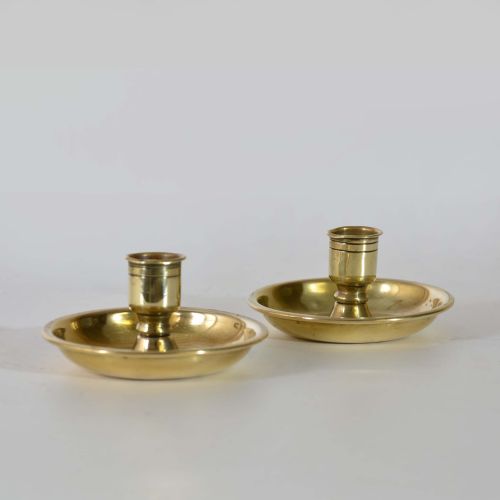
When you search for an antique chamber candleholder, you encounter low-profile candlesticks set within drip trays designed to catch melted wax during movement around a house. These functional domestic objects date from the eighteenth century through the late Victorian era, spanning Georgian elegance and robust nineteenth-century manufacturing. The specimens found here include brass travel designs, porcelain bodies, and silver plated examples equipped with handles and sometimes snuffers.
The forms vary from simple turned brass stems to fitted trays housing wick trimmers and extinguishers. You will meet French brass pieces, English porcelain from factories like Spode, and specialised items such as Brighton buns or student lamps. These variations reflect the changing domestic lighting needs of their respective periods, moving from elite rooms to broader household use.
Materials and construction methods
Metalworking dominates these items, utilising cast brass, copper, bronze, and paktong shaped through founding and turning. Old Sheffield plate provides a copper base fused with a thin sheet of silver, visible where the underlying metal peeks through the edges. These metallic versions often feature threaded components or riveted handle attachments.
Ceramic production relies on glazed stoneware and porcelain bodies, painted with enamel decorations or gilded with gold leaf. Factories shaped these pieces in moulds before applying lead or tin glazes and firing them in kilns. The resulting bodies provide smooth, washable surfaces suitable for containing hot wax.
Antique Chamber Candleholder Retail Price Guide 2026
Typical asking prices for chamber candleholder among the pieces listed under this phrase on Sellingantiques today, from the lower quarter to the upper quarter. They describe what is for sale here now, not the wider market.
Travelling chamber candlesticks earned the cheerful nickname Brighton buns because their round, screw-together brass cases resembled small bakery loaves.
Assessing quality and execution
Quality rests upon the crispness of casting in metal pieces and the precision of the glaze and enamel work on ceramics. Finer specimens retain original matching implements such as extinguishers and snuffers, whereas lesser examples survive in isolation. Heavier gauge brass and thick silver plate indicate superior original manufacture.
The sophistication of the design dictates desirability, ranging from plain utilitarian brass trays to intricate French Rococo revival motifs. The survival of gilding, gold leaf, and maker marks adds significant nuance to an individual piece. Proportion and balance in the handle and tray assembly complete the distinction between standard production and exceptional work.
Spode·Royal Doulton
The Antique Chamber Candleholder Glossary
- Chamberstick
- A portable candlestick featuring a shallow pan or tray beneath the nozzle to catch wax. It typically includes a looped handle for carrying from room to room.
- Brighton bun
- A low, pocket-sized travelling chamber candlestick shaped like a bun. These practical items unscrew to contain the candle securely for journeys.
- Paktong
- A copper-nickel-zinc alloy originating in China, prized for its bright silver-like appearance and strength. It was frequently cast into high-status eighteenth-century candlesticks.
- Old Sheffield plate
- An early form of composite metal made by fusing a thin sheet of silver to a copper ingot. This technique preceded modern electroplating.
- Spode
- An English pottery and porcelain factory operating from Stoke-on-Trent. It pioneered fine bone china and distinct underglaze transfer printing.
Antique Chamber Candleholder: Frequently Asked Questions
What is a chamber candleholder?
A chamber candleholder is a low-profile portable candle stand featuring an integrated tray and handle. It was designed for carrying wax candles safely through corridors and up stairs.
The inclusion of a wide base caught dripping wax before it could stain clothing or furniture. These utilitarian objects evolved into decorative domestic accessories by the nineteenth century.
How do you use them today?
You can use these holders for dinner table illumination or ambient mantelpiece display by inserting appropriately sized taper candles. Their compact footprints make them suitable for sideboards and smaller spaces.
Ensure any candle used matches the diameter of the nozzle securely. Cleaning away old wax requires gentle warmth rather than metal scraping to protect the metal or ceramic surfaces.
What materials are they made from?
The constructions involve metals such as brass, copper, bronze, paktong, and silver plate. Ceramic examples utilise glazed stoneware, porcelain, and enamel finishes.
Some luxury versions incorporate gold leaf decoration or fitted accessories like metal snuffers. Each material dictates the appropriate cleaning method and handling care.
How do you date an antique chamberstick?
Dating relies on stylistic clues, manufacturing techniques, and any accompanying hallmarks or factory marks. Georgian items often display cleaner lines, while Victorian pieces incorporate heavier cast ornamentation or twisted stems.
Base construction methods, such as hand-finished casting seams or machine threading, offer further chronological markers. Comparing hallmarks with registry records pinpoints specific decades of production.