



Antique Ceramic Toilet
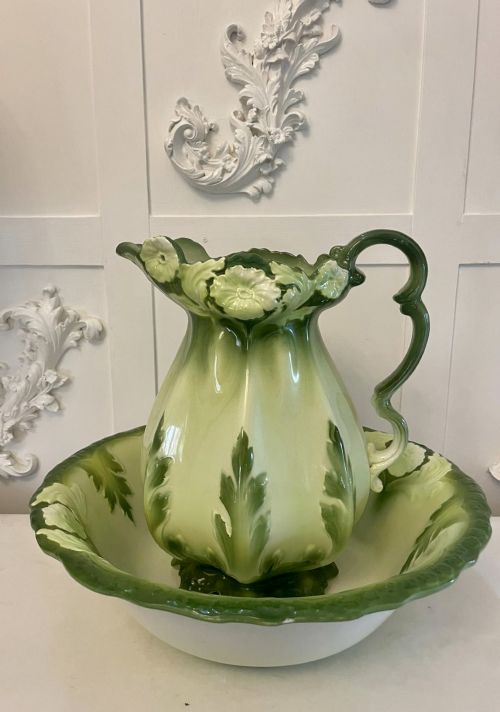
An antique ceramic toilet brings tangible craft to daily ablutions, taking the form of robust basins, ewers, and sanitaryware spanning the Victorian and Edwardian eras.
Antique Ceramic Toilet
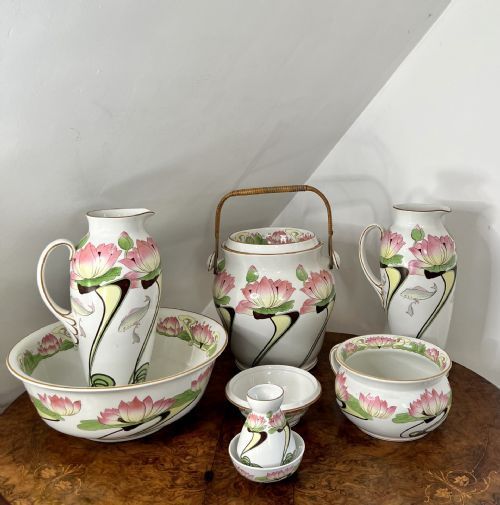
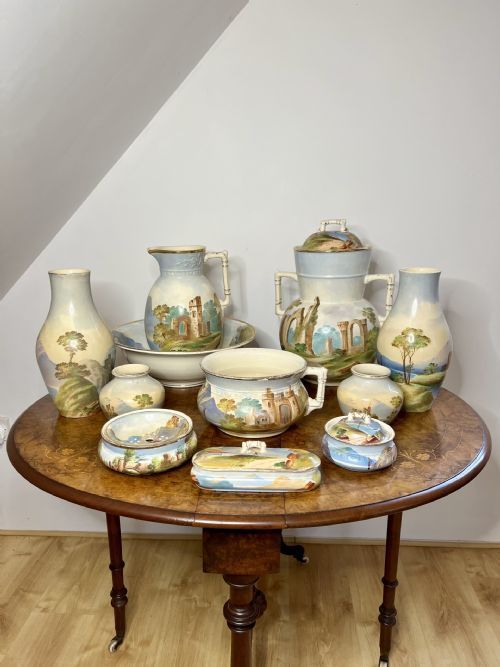
An antique ceramic toilet search gathers wash sets, washstand sets, jug and bowl sets, and sanitaryware from periods like the Victorian and Edwardian eras, alongside pieces dated 1860, 1880, 1900, and the nineteenth century.
The objects serve as functional basins, ewers, soap dishes, and dressing table accessories that reflect historical domestic hygiene and bedroom routines.
How they were made
Potters shaped these objects from earthenware and ironstone, applying smooth glazes to seal the porous clay bodies for daily washing and bathroom use.
Decoration relied on applied enamel, gold leaf, and gilt detailing, often framing transfer-printed patterns or hand-painted motifs across jugs, basins, and soap dishes.
Antique Ceramic Toilet Retail Price Guide 2026
Typical asking prices for ceramic toilet among the pieces listed under this phrase on Sellingantiques today, from the lower quarter to the upper quarter. They describe what is for sale here now, not the wider market.
Soap dishes occasionally match the jug and bowl set, ensuring even the soap enjoyed nineteenth-century coordination.
What varies in quality
Quality differentiates standard utilitarian washware from distinguished sets by the crispness of the transfer print, the evenness of the glaze, and the precision of any gilt or enamel highlights.
The refinement of the ceramic body and the complexity of the decorative style, ranging from simple blue and white patterns to elaborate Aesthetic Movement or Imari designs, elevate individual basins and jugs.
Doulton Burslem·Jones and Sons·Masons Ironstone
The Antique Ceramic Toilet Glossary
- Earthenware
- Porous pottery fired at lower temperatures, commonly used for nineteenth-century sanitaryware and wash basins before being sealed with a protective glaze.
- Ironstone
- A heavy, durable type of feldspathic stoneware patented in the nineteenth century, prized for resisting chips in busy household settings.
- Glaze
- A glassy coating fused to the ceramic surface during firing, creating a liquid-resistant finish essential for basins and ewers.
- Gilt
- A thin layer of gold applied to ceramic surfaces for decoration, often highlighting the rims and handles of wash jugs and basins.
- Sanitaryware
- Ceramic items designed for bathroom and washroom use, including toilets, basins, and associated fixtures.
Antique Ceramic Toilet: Frequently Asked Questions
What is an antique ceramic toilet?
An antique ceramic toilet refers to historical sanitaryware, wash basins, and complete wash sets produced during the nineteenth and early twentieth centuries.
These pieces were standard bedroom and bathroom fixtures before indoor plumbing became universal, combining utility with decorative styles like Art Nouveau and Victorian blue and white.
How were wash sets used?
Wash sets were placed on washstands in bedrooms to hold water for morning and evening washing before dedicated bathrooms existed.
A matching jug poured water into the basin, while companion pieces like soap dishes and dressing table items held personal grooming accessories.
How do I date a Victorian wash basin?
Dating relies on maker marks, pottery styles, and material types recorded across nineteenth-century manufacturing periods.
Victorian pieces often feature registry marks, specific transfer-printed patterns, or ironstone bodies characteristic of manufacturers active between 1860 and the Edwardian era.
Can I use these basins daily?
Many antique ceramic basins and jugs remain structurally sound for careful display and gentle domestic use.
Care must be taken with historic glazes and gilt details, treating them as decorative antiques rather than modern bathroom fixtures.