

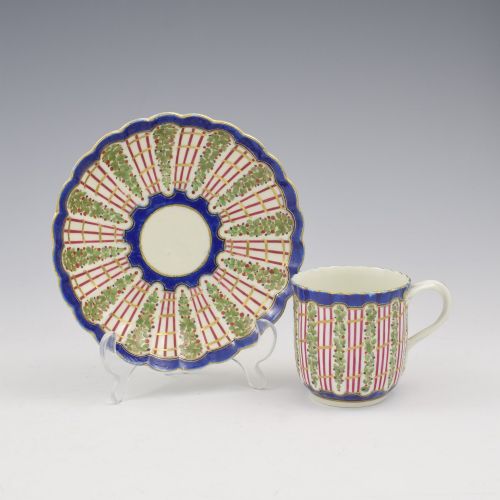
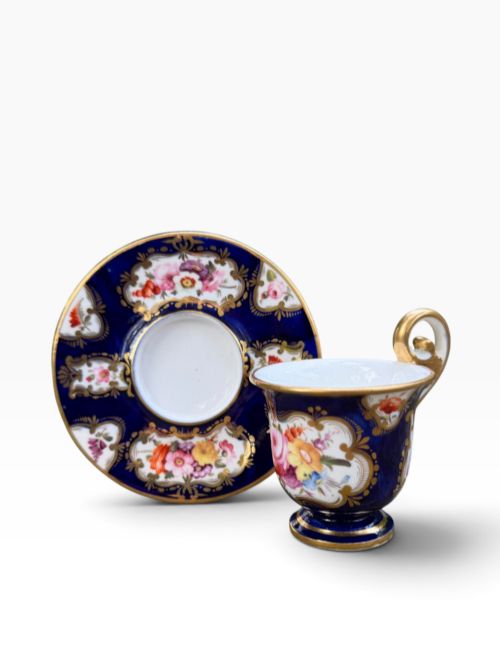
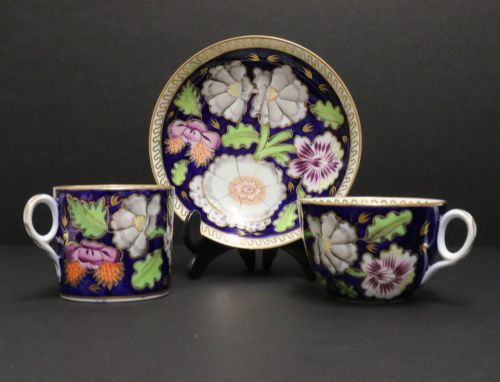
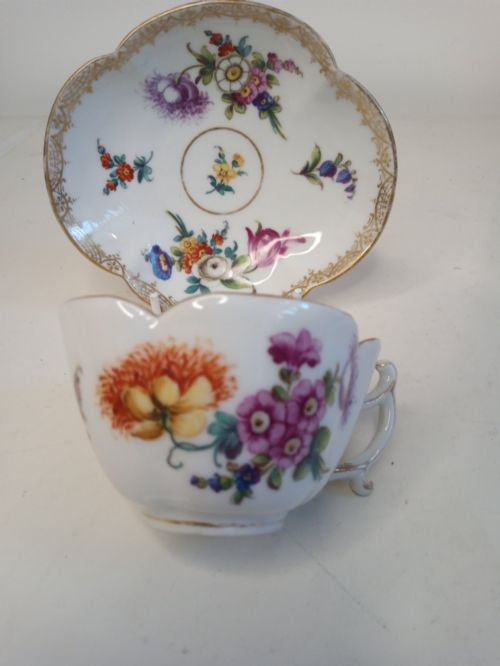


Antique Ceramic Teacups Saucers
These antique ceramic teacups saucers bring centuries of kilncraft and hand-painting to the table.
Antique Ceramic Teacups Saucers
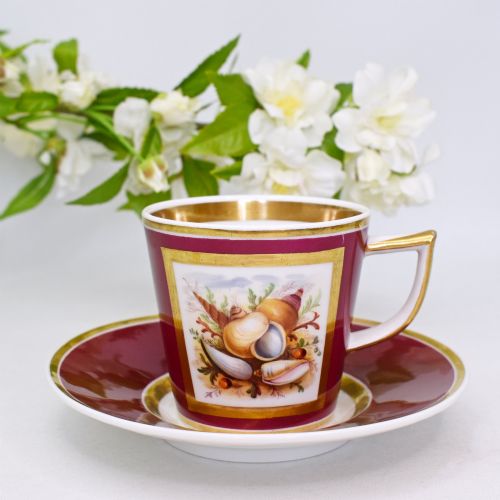
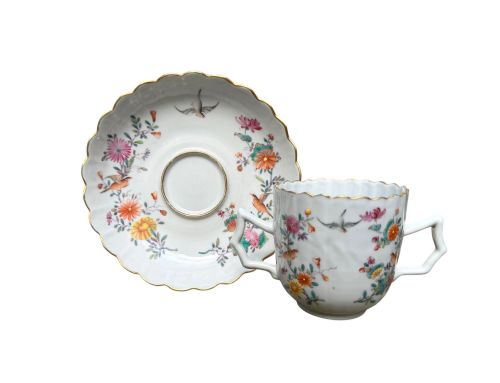
When you search for antique ceramic teacups saucers, you encounter drinking vessels and matching dishes created across the eighteenth, nineteenth, and early twentieth centuries. The selection spans domestic English bone china and porcelain alongside continental factories and Chinese export wares.
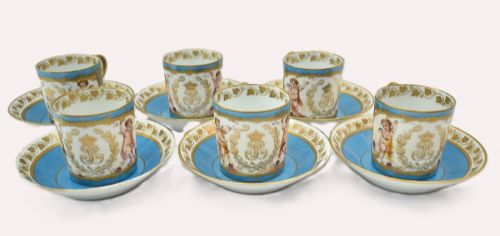
You are most likely to meet single cabinet cups, trios that include a matching side plate, and multi-piece tea services originating from periods such as the Georgian, Regency, and Victorian eras. Forms range from deep tea bowls to footed coffee cans and cabinet cups accompanied by their saucers.
Makers from historic centres like Worcester, Coalport, and Derby dominate the English offerings, while pieces from Sevres, Meiji Japan, and Qing Dynasty China also appear. Each formation reflects the changing social rituals of tea drinking over successive generations.
How they were made
Potters shaped these wares from porcelain, soft-paste porcelain, bone china, earthenware, and creamware, utilising hand-throwing, moulding, and casting techniques. Kiln firings set the ceramic body before artisans applied intricate decorative schemes.
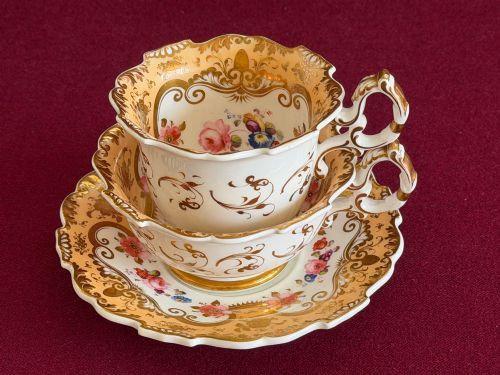
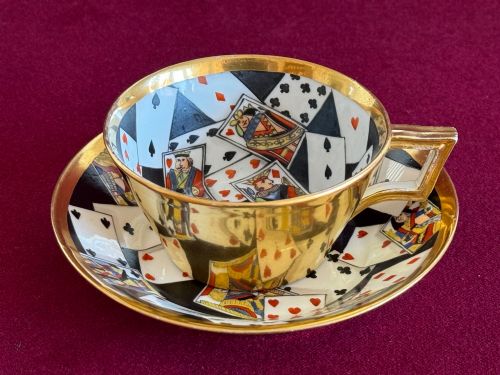
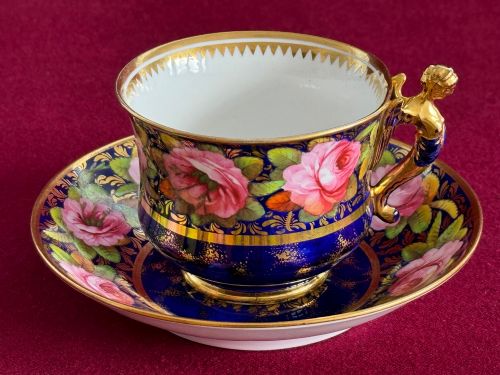
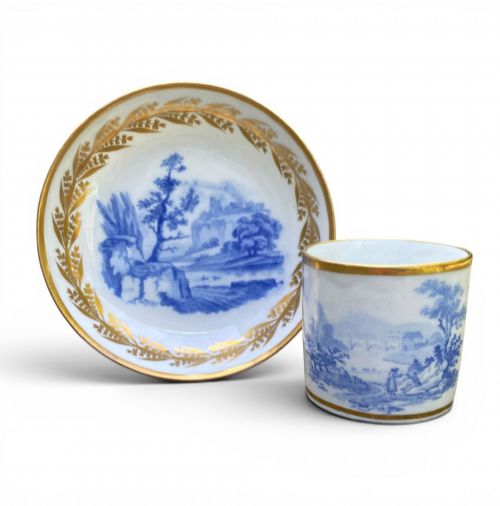
Decoration relied on hand-painted enamels, underglaze cobalt, and transfers, frequently accented with gold leaf and hand-gilding. Specialised patterns such as bat printing and overglaze enamel work required multiple firings to achieve stability and colour depth.
Antique Ceramic Teacups Saucers Retail Price Guide 2026
Typical asking prices for ceramic teacups saucers among the pieces listed under this phrase on Sellingantiques today, from the lower quarter to the upper quarter. They describe what is for sale here now, not the wider market.
Look closely for hand-painted acrobatics and circus scenes hiding on eighteenth-century export saucers.
What varies in quality
Quality rests in the precision of the ceramic body, the crispness of the moulding, and the fineness of the potting. Thinner, more translucent porcelain and perfectly potted foot rings distinguish high-grade cabinet pieces from standard utility wares.
The standard of hand-painting creates a clear division across the range. Skilled brushwork in detailed bird, floral, or figural subjects combined with generous, burnished gilding marks out superior examples from simpler mass-produced output.
New Hall porcelain·Royal Worcester·Chamberlain Worcester·Gardner Porcelain Moscow·Hicks Meigh Johnson
The Antique Ceramic Teacups Saucers Glossary
- Cabinet trio
- A matched set consisting of a teacup, coffee cup, and saucer designed for display rather than robust daily use.
- Coffee can
- A straight-sided cylindrical cup made for drinking strong coffee, frequently taller and narrower than a standard teacup.
- Tea bowl
- A handleless vessel modelled on Chinese prototypes, used for drinking tea before the widespread adoption of handled cups.
- Soft-paste porcelain
- An artificial porcelain mixture fired at lower temperatures than hard paste, creating a warm, slightly creamy body with a soft glaze.
- Bat printing
- A transfer-printing technique using a glue bat to convey a stippled oil design onto the ceramic surface before powder colour was applied.
Antique Ceramic Teacups Saucers: Frequently Asked Questions
What is a tea trio?
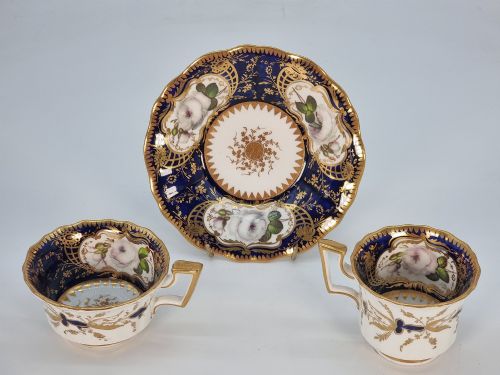
A tea trio comprises a teacup, a matching saucer, and a corresponding side plate designed to hold small cakes or bread.
These sets became popular for formal afternoon tea gatherings during the nineteenth century.
How do I date an old teacup?
Dating relies on identifying factory marks, ceramic bodies, and decorative styles recorded in the piece's provenance.
Handle shapes and baseline profiles also shift noticeably between the Georgian and Victorian periods.
Can I use antique cups for tea?
Most delicate porcelain and soft-paste pieces from the eighteenth and nineteenth centuries are best reserved for display.
Thermal shock and modern dishwashers can crack historical glazes and wear away delicate gold leaf.
Why do some cups lack handles?
Early teacups followed Chinese tea bowl traditions where handles were omitted entirely.
Drinkers held the bowl in both hands to sip the hot liquid once the tea had cooled sufficiently.