



Antique Ceramic Teacup Set
An antique ceramic teacup set brings the refined rituals of past dining tables directly into daily life.
Antique Ceramic Teacup Set
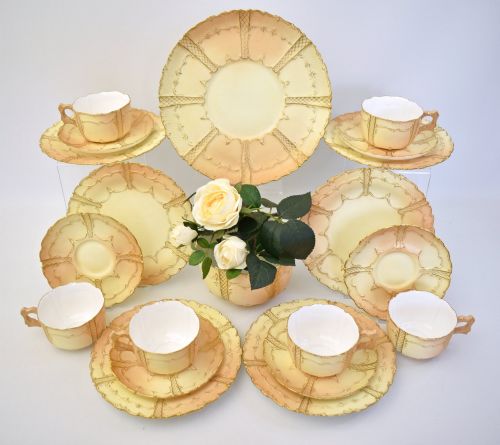
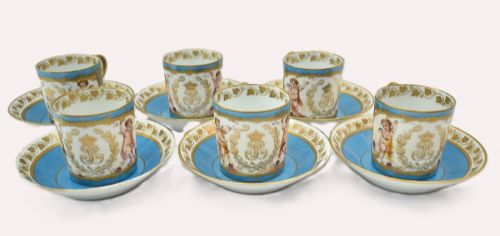
When you search for an antique ceramic teacup set, you encounter everything from individual trios of a cup, saucer and side plate to expansive multi-person afternoon tea services. The selection spans delicate 18th century porcelain bowls alongside robust Victorian earthenware and porcelain services intended for social hosting. You find English factories like Worcester and Coalport sitting alongside continental makers and Japanese exports.
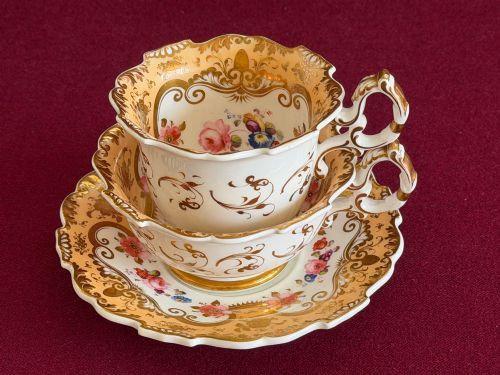
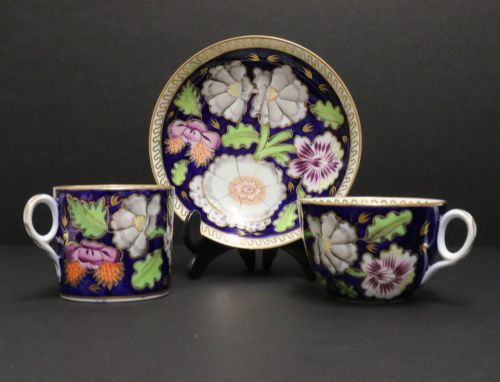
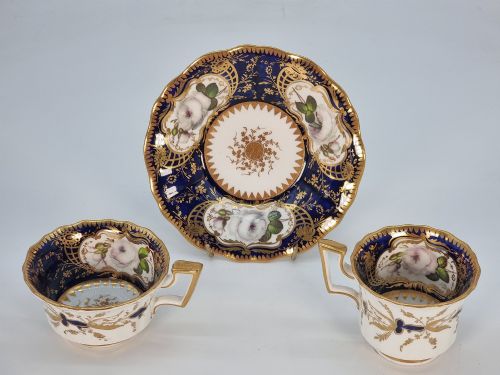
The version you are most likely to meet on this page is the English porcelain trio or cabinet cup dating from the Georgian and Regency eras up through the Edwardian period. These configurations typically comprise a teacup, a matching saucer, and occasionally a companion plate or coffee cup formed from bone china or soft-paste porcelain. Many retain their original hand-painted motifs or gilded highlights from centuries past.
Materials and methods
Potters relied primarily on porcelain, bone china, and earthenware, shaping the clay by hand or throwing it on a wheel before kiln firing. Body compositions varied between the translucent hard-paste porcelain of continental manufacturers and the bone ash-enriched bodies pioneered by English works.
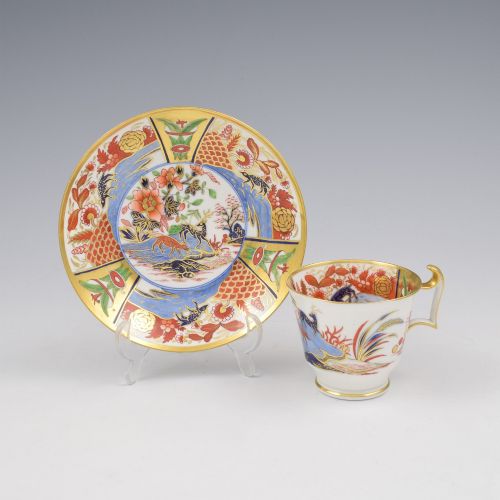
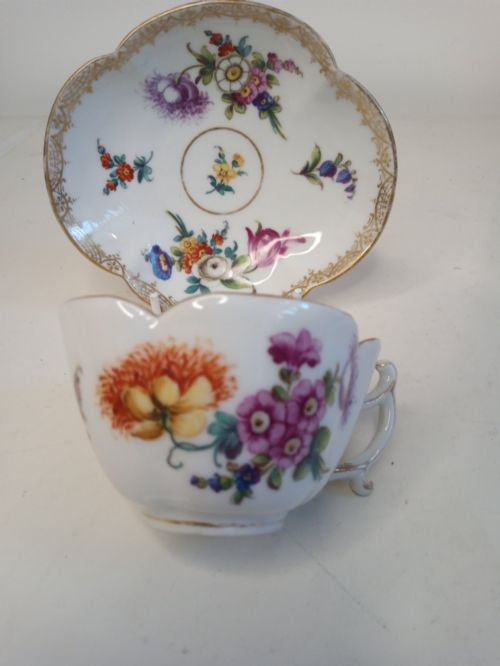
Decoration involved hand-painting with mineral enamels, transfer printing, and applying gold leaf or liquid gilding to rims and handles. Artisans fixed these colours and metals through secondary kiln firings to secure the finish against daily wear.
Antique Ceramic Teacup Set Retail Price Guide 2026
Typical asking prices for ceramic teacup set among the pieces listed under this phrase on Sellingantiques today, from the lower quarter to the upper quarter. They describe what is for sale here now, not the wider market.
Listings feature porcelain, bone china, earthenware, and creamware across the 18th, 19th, and early 20th centuries.
Distinctions in quality
Quality rests upon the crispness of the porcelain body, the precision of the throwing, and the refinement of the glaze surface. Superior pieces display thin, even walls that allow light to pass through the ceramic while maintaining structural integrity.
The artistry of the decoration marks the primary tier difference, separating standard transfer-printed wares from meticulously hand-painted botanical or figural scenes executed by skilled ceramic artists. Richness in the application of gold leaf and the preservation of original enamels further elevate a service.
Royal Worcester·Coalport·Spode·Shelley·Davenport
The Antique Ceramic Teacup Set Glossary
- Trio
- A matched set consisting of a teacup, a saucer, and a corresponding side or salad plate.
- Cabinet trio
- A decorative or high-status cup, saucer, and plate intended for display in a glass-fronted cabinet rather than everyday use.
- Bone china
- A type of soft-paste porcelain incorporating animal bone ash, resulting in a strong, highly translucent ceramic body.
- Enamel
- Opaque glass-based pigment applied to the surface of fired ceramics to add colourful painted designs.
- Gilding
- The application of gold leaf or powdered gold to ceramic surfaces, typically accentuating rims, handles, and borders.
Antique Ceramic Teacup Set: Frequently Asked Questions
How do I date an old teacup?
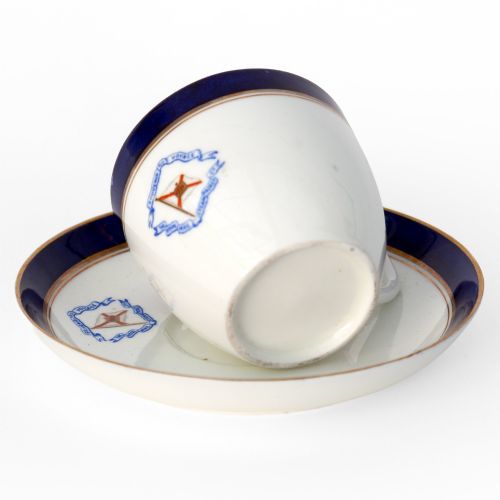
Dating relies heavily on maker's marks stamped, impressed, or painted on the underside of the ceramic base, alongside stylistic clues in the handle shape and floral motifs. Shape profiles and the composition of the paste also provide reliable chronological markers.
Matching the pattern number or decorative style against factory archives helps narrow the production window to a specific decade or reign.
Can I use antique teacups daily?
While many antique cups and saucers were built for actual dining use, their age and delicate enamel or gold leaf decoration require careful handling. Modern dishwashers and microwaves will damage fragile glazes and metallic highlights.
Hand washing in lukewarm water with mild soap preserves the ceramic surface and prevents thermal shock from sudden temperature changes.
What is the difference between a trio and a set?
A trio specifically designates a three-piece grouping of a teacup, saucer, and side plate intended for a single person's use. A tea set or service encompasses multiple cups, saucers, plates, and often larger vessels like teapots, milk jugs, and sugar bowls.
Services were manufactured to accommodate several guests simultaneously during formal afternoon gatherings.
How do I spot hand-painted china?
Hand-painted ceramics reveal subtle brushstrokes, slight variations in colour density, and tiny irregularities under magnification. Transfer-printed patterns display dot matrices, solid printed outlines, or perfectly uniform repeating lines.
Looking closely at the edges of floral motifs or figures immediately distinguishes a painted stroke from a printed transfer.