




Antique Ceramic Pail
These antique ceramic pail examples range from Georgian porcelain ice coolers to Edwardian bathroom sets, offering both utility and craftsmanship.
Antique Ceramic Pail
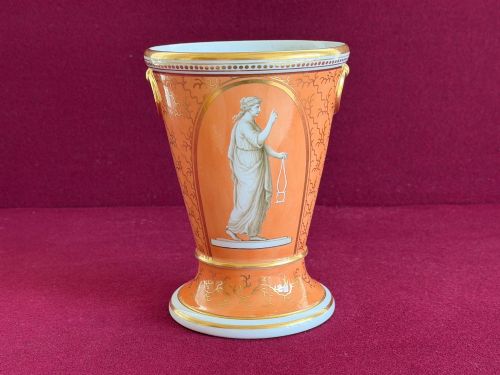
When you search for an antique ceramic pail, you encounter a varied selection of utilitarian and decorative vessels originating from the Georgian, Regency, Victorian, and Edwardian periods. These objects span several distinct forms designed for specific domestic functions, ranging from grand dining table vessels to household utility items.
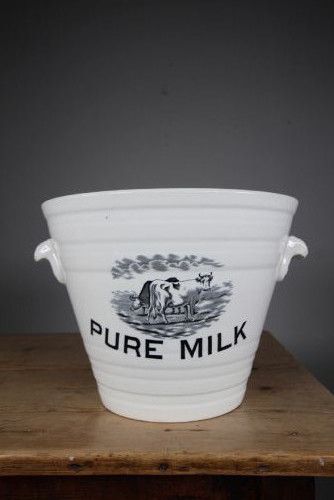
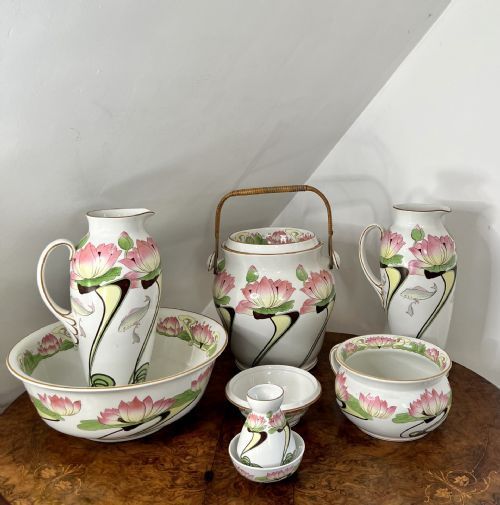
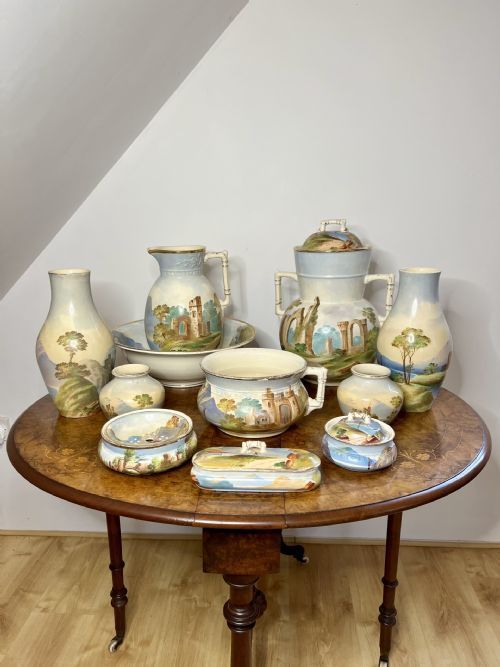
The most prevalent examples on this page include ice pails, wine coolers, jardinières, and dairy ware, alongside larger bathroom sets and slop buckets. Form follows function closely across these categories, distinguishing tableware intended for display from hard-wearing utilitarian vessels used in dairies and washrooms.
How they were made
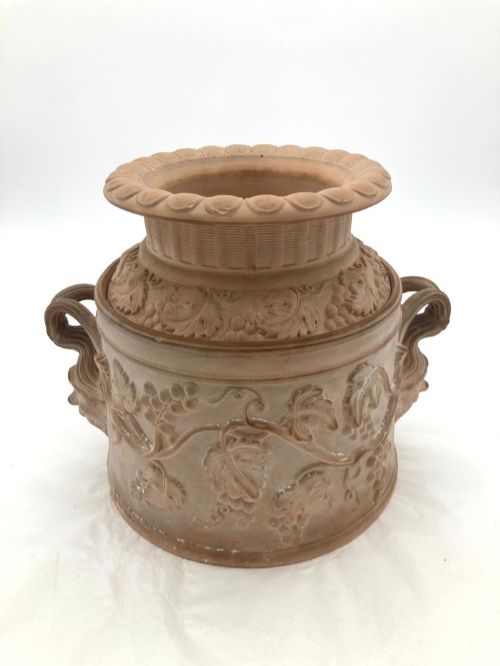
Potters utilised materials such as porcelain, earthenware, terracotta, creamware, and ironstone, shaping them into robust vessels capable of holding liquids, ice, or plants. Many pieces received hand-painted decoration, coloured grounds, and delicate gilding before undergoing high-temperature firing.
Some composite forms incorporate auxiliary materials like cane, oak, and silver plate to support internal ceramic creamware liners or provide sturdy carrying handles. This combination of ceramic bodies and secondary mountings demonstrates the varied manufacturing techniques applied across different domestic contexts.
Antique Ceramic Pail Retail Price Guide 2026
Typical asking prices for ceramic pail among the pieces listed under this phrase on Sellingantiques today, from the lower quarter to the upper quarter. They describe what is for sale here now, not the wider market.
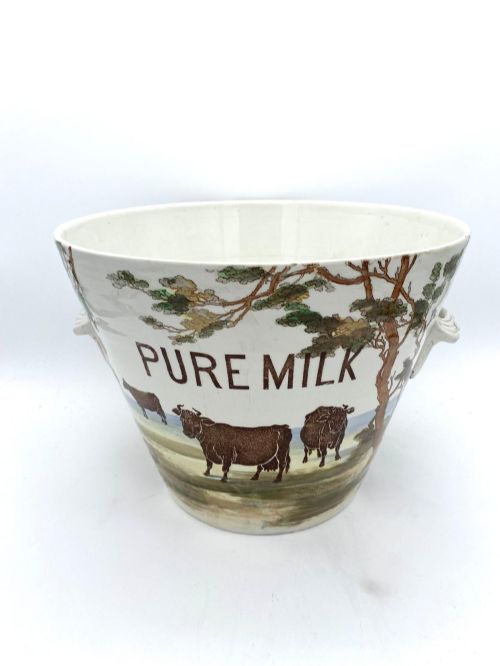
Some dairy pails were built sturdy enough for farm work yet painted delicately enough for a country house.
What varies in quality
The standard of execution separates standard utility ware from high-end dining table vessels, visible in the fineness of the ceramic body and the precision of the form. Porcelain examples demonstrate thinner, more delicate walls than heavier ironstone or utilitarian dairy items.
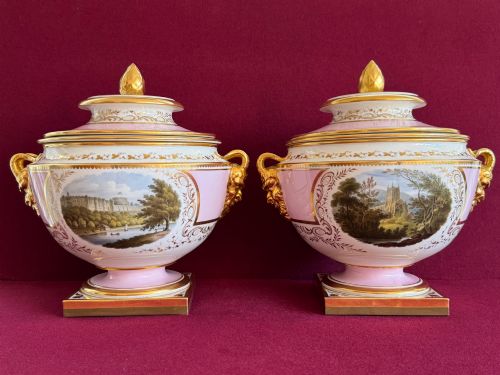
Decoration also dictates distinction, with hand-painted scenes, intricate gilding, and specific factory patterns elevating certain pieces above plain or simply glazed versions. The presence of named maker attribution or documented factory provenance further distinguishes exceptional examples from unmarked items.
George Robertson·Flight & Barr·Davenport·Chamberlain Worcester·Mark Jones & Sons
The Antique Ceramic Pail Glossary
- Creamware
- A fine earthenware with a pale yellowish-cream glaze, developed in England during the eighteenth century. It became popular for tableware and ice pails due to its clean appearance.
- Ice Pail
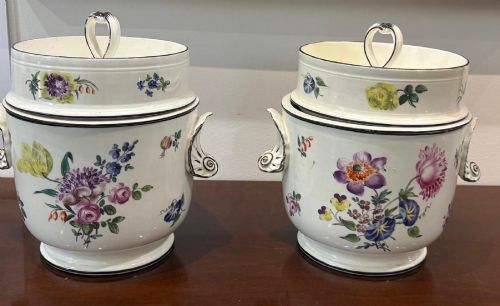
- A specialised vessel designed to hold ice for cooling wine or food at the table. These often feature matching lids and liner bowls.
- Jardinière
- An ornamental pot or stand designed to hold a plant or floral arrangement. They are frequently finished with decorative glazes or hand-painted motifs.
- Ironstone
- A heavy, durable type of earthenware patented in the nineteenth century. It resists chipping and was commonly utilised for robust domestic and dairy items.
- Slop Bucket
- A utilitarian chamber vessel used for household waste disposal. These items often form part of larger matching wash sets.
Antique Ceramic Pail: Frequently Asked Questions
What are antique ceramic pails used for?
These vessels served various domestic purposes depending on their specific form, ranging from chilling wine and ice at formal dining tables to holding plants or managing household water and waste.
Tableware examples were designed for display during meals, while utility pieces fulfilled practical daily roles in dairies and bedrooms.
How do I date an antique ceramic pail?
Dating relies upon examining the ceramic material, glaze characteristics, factory marks, and stylistic markers associated with periods such as the Georgian era or Edwardian times.
Specific forms and decorative styles often correspond to manufacturing techniques typical of particular decades.
Are ice pails different from wine coolers?
While both terms describe vessels intended for chilling beverages, ice pails specifically held ice to maintain low temperatures, frequently including internal liners and lids.
Wine coolers might accommodate bottles directly within cooled water or ice depending on their period design.
How should I clean my ceramic pail?
Maintenance requires gentle washing with mild soap and warm water, avoiding harsh abrasives that could damage hand-painted surfaces, coloured grounds, or delicate gilding.
Composite pieces with metal or wood mounts need careful handling to protect non-ceramic elements from excessive moisture.