




Antique Ceramic House
An antique ceramic house captures domestic architectural history in miniature, offering collectors charming depictions of Staffordshire cottages, pastille burners, and school buildings.
Antique Ceramic House
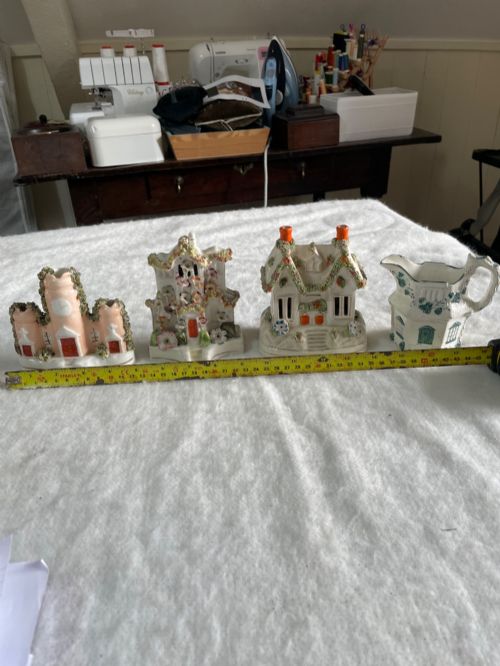
When you search for an antique ceramic house, you encounter delightful small-scale pottery structures that mirror regional architecture, country dwellings, and historic public buildings from past centuries. These pieces encompass Staffordshire porcelain cottages, pastille burners, and transfer-printed plates depicting notable landmarks like Boston State House and individual school houses.
The selections available range from 19th-century Staffordshire models to earlier Georgian iterations, each rendered in ceramic, earthenware, or porcelain. Collectors find these items valued for their detailed modelling, hand-painted decoration, and direct connection to nineteenth-century domestic ornaments.
Many items in this category combine utility with decorative charm, functioning historically as mantel ornaments or fragrant pastille burners. Their enduring appeal lies in the way they preserve vernacular architecture and historical sites in enduring ceramic form.
Materials and production methods
Potters constructed these miniature houses and architectural vessels using earthenware, ironstone, and porcelain, often applying lead glazes or enamel colours to finish the surfaces. Staffordshire manufacturers shaped the clay bodies through moulding before applying careful hand-painting for roof tiles, windows, and surrounding foliage.
Transfer printing played a significant role in depicting specific buildings, such as the Gorhambury serving plates or American state house jugs, transferring detailed monochrome or blue and white engravings onto the ceramic surface before firing. Gilding and gold leaf occasionally highlighted finer details on premium porcelain pieces originating from established factories.
Antique Ceramic House Retail Price Guide 2026
Typical asking prices for ceramic house among the pieces listed under this phrase on Sellingantiques today, from the lower quarter to the upper quarter. They describe what is for sale here now, not the wider market.
Listings feature 19th-century earthenware, Georgian porcelain, and ironstone objects originating from English, Dutch, and French workshops.
Indicators of quality and craftsmanship
The fineness of the modelling and the crispness of the architectural details separate standard utilitarian pieces from exceptional examples. Superior items exhibit carefully hand-painted botanical or structural elements without bleeding of the underglaze blues and enamels.
The reputation of the maker and the preservation of the original glaze heavily influence desirability among collectors. Intricately pierced chimneys on pastille burners or well-defined relief moulding on Staffordshire cottages indicate superior workshop output.
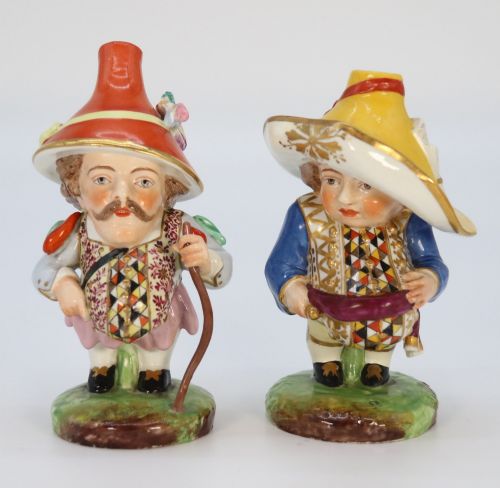
Samson of Paris·Chamberlains Worcester
The Antique Ceramic House Glossary
- Pastille burner
- A ceramic container designed to diffuse scented smoke through its chimney or windows. These small houses allowed Victorian households to mask odours using aromatic pastilles.
- Staffordshire
- A major English pottery region known for producing figurative earthenware and cottage models. Potters in this area shaped numerous commemorative and domestic ceramic buildings.
- Transfer printing
- A technique where an engraved copper plate transfers a design onto paper and then onto the ceramic body. This method allowed complex architectural scenes to be reproduced consistently on plates and jugs.
- Ironstone
- A dense, durable type of earthenware patented to resist chipping and heavy daily use. Mason's factories utilised this material for large country house platters and ashets.
- Slipware
- Pottery decorated with a liquefied suspension of clay applied before firing. Early examples utilise this rustic technique to create contrasting surface patterns on jugs and hollowware.
Antique Ceramic House: Frequently Asked Questions
What is an antique ceramic house used for?
Many of these ceramic buildings served as decorative chimney ornaments or functional pastille burners placed on mantelpieces to freshen rooms with aromatic smoke. Other items record specific historical buildings and schools on commemorative tableware.
Collectors display them today as charming examples of 19th-century domestic pottery and miniature architecture.
How do I identify a Staffordshire cottage?
Staffordshire cottages typically feature hand-painted or modelled floral encrustations, pierced windows, and removable roofs if they function as pastille burners. They often employ earthenware bodies finished with colourful enamel glazes.
Examining the underside and the crispness of the moss or roof texturing helps distinguish genuine 19th-century examples.
What materials are these pieces made from?
The pieces utilise earthenware, refined porcelain, and durable ironstone depending on the manufacturer and the intended function. Glazes range from simple lead coatings to rich blue and white transfer prints and enamel highlights.
Gold leaf occasionally appears on finer porcelain models produced by notable factories.
How should I care for ceramic houses?
Keep ceramic houses away from direct sunlight and extreme temperature fluctuations to protect fragile enamel paints and historic glazes. Dust them gently with a soft dry brush rather than submerging them in water, particularly if they feature delicate applied moss or gold leaf.
Displaying them on stable shelves prevents accidental knocks to protruding chimneys and delicate miniature details.