




Antique Ceramic Gravy Boat
An antique ceramic gravy boat brings eighteenth and nineteenth-century craftsmanship directly to the dining table.
Antique Ceramic Gravy Boat
An antique ceramic gravy boat is a vessel designed for serving sauces and gravies at the table, appearing across periods from the eighteenth century onwards in various forms.
The pieces on this page span the eighteenth and nineteenth centuries, including Victorian examples alongside earlier Georgian creations from English and continental factories.
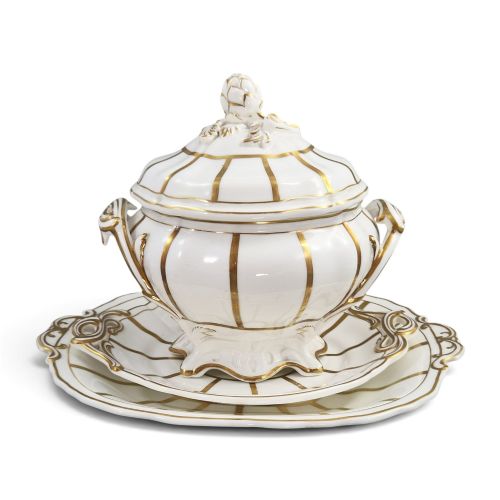
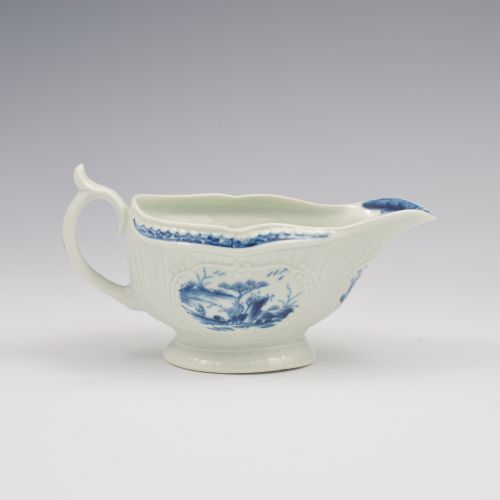
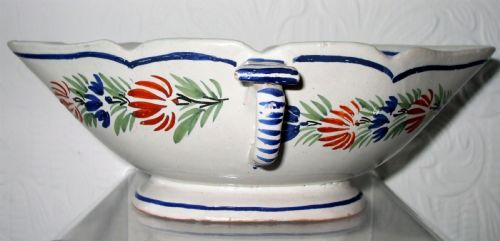
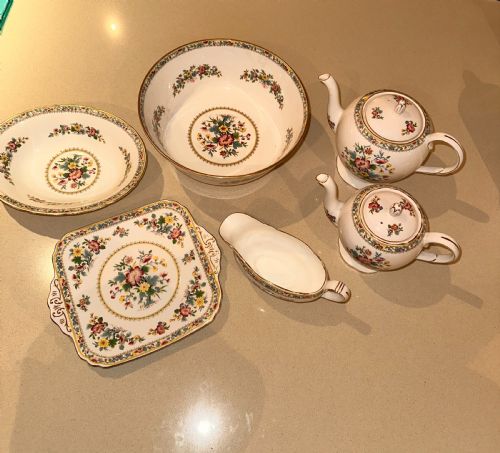
Buyers will encounter sauceboats, sauce tureens, and associated serveware taking shapes from plain white porcelain to moulded lettuce forms and double-spouted vessels.
How they were made
Potters shaped soft-paste porcelain, earthenware, and ironstone by hand or in moulds, applying cobalt blue underglazes, enamel colours, and occasional gold leaf details.
Factories utilised transfer printing alongside hand-painted decoration, firing the ceramic bodies at high temperatures before applying protective glazes.
Antique Ceramic Gravy Boat Retail Price Guide 2026
Typical asking prices for ceramic gravy boat among the pieces listed under this phrase on Sellingantiques today, from the lower quarter to the upper quarter. They describe what is for sale here now, not the wider market.
Common decorative motifs include Chinese figures, armorial crests, transfer-printed cobalt blue landscapes, and naturalistic lettuce leaf mouldings.
What varies in quality
Quality rests in the crispness of the moulded relief, whether in fluted porcelain or naturalistic lettuce leaves, and the precision of the hand-painted or transfer-printed motifs.
The weight and refinement of the ceramic body distinguish standard utilitarian earthenware from fine bone china or early soft-paste porcelain productions.
Davenport Bone China·Dr Wall Worcester·Bow Porcelain·Chelsea Derby·Mason Ironstone·Meissen
The Antique Ceramic Gravy Boat Glossary
- Soft-paste porcelain
- An early ceramic composition fired at lower temperatures than hard-paste porcelain, possessing a warm, slightly creamy body and a softer glaze.
- Ironstone
- A durable earthenware patented in the nineteenth century that mimics porcelain while offering greater strength for daily dining use.
- Faience
- Tin-glazed earthenware produced in France and other European regions, typically decorated with hand-painted coloured pigments.
- Transfer printing
- A method of applying complex decorative patterns to ceramics by pulling a design from an engraved copper plate onto tissue paper and pressing it onto the biscuit ware before glazing.
- Sauce tureen
- A covered vessel designed to keep gravies and sauces warm at the table, frequently accompanied by a matching undertray and ladle.
Antique Ceramic Gravy Boat: Frequently Asked Questions
How do I use an antique gravy boat today?
These vessels suit modern dining tables for serving warm sauces, jus, or melted butter just as they did centuries ago. Hand washing protects the old glaze and delicate enamel decorations from harsh dishwasher detergents.
Place the boat on a matching undertray or a small side plate to catch any drips during service. Avoid thermal shock by warming the ceramic gently with warm water before pouring hot liquids inside.
How do I tell eighteenth-century porcelain from nineteenth-century ironstone?
Eighteenth-century porcelain pieces often show slight warping from early kiln firings and possess a translucent body when held to the light. The glaze may display fine craquelure or minute pinholes characteristic of early soft-paste production.
Nineteenth-century ironstone and bone china feel significantly heavier, denser, and more uniform in thickness. These later pieces were produced with more industrial control, resulting in sturdier bodies suited to heavier Victorian dining.
How do I display antique sauce tureens?
Sauce tureens with matching covers sit well on open dresser shelves, sideboards, or inside glass-fronted cabinets where their form remains visible. Keeping the lid beside or atop the vessel highlights the complete silhouette.
Ensure shelves are stable and away from direct sunlight, which can fade delicate hand-painted enamel colours over extended periods.