




Antique Ceramic Garden Seat
An antique ceramic garden seat brings colour and structure to a lawn or conservatory, offering both a sturdy perch and a bold decorative statement.
Antique Ceramic Garden Seat
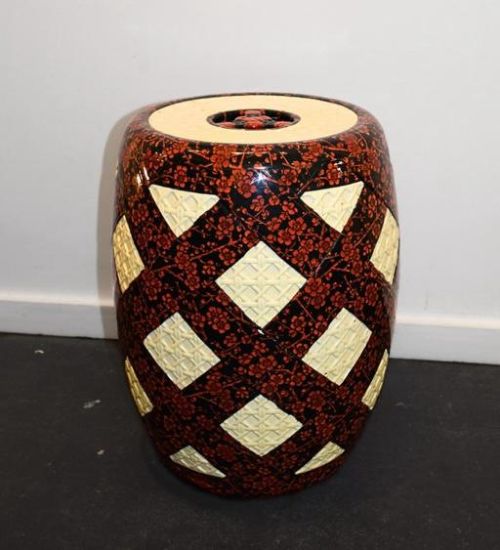
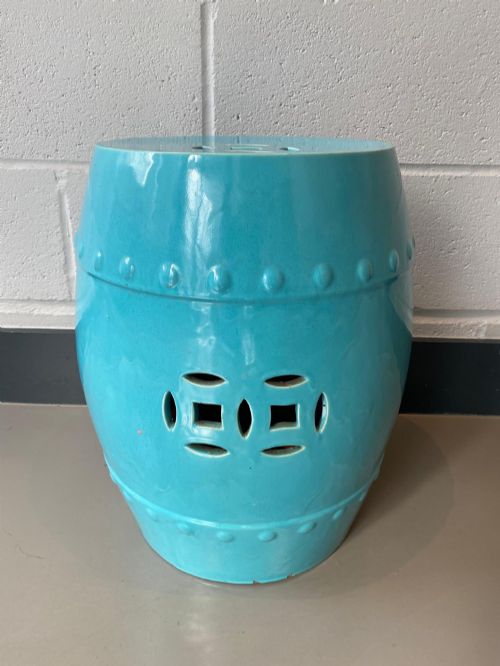
An antique ceramic garden seat is a heavy, functional vessel designed to sit upon grass, paving or conservatory floors. Most examples encountered here take the traditional barrel form, often pierced with coin or cash symbols for ventilation and handling.
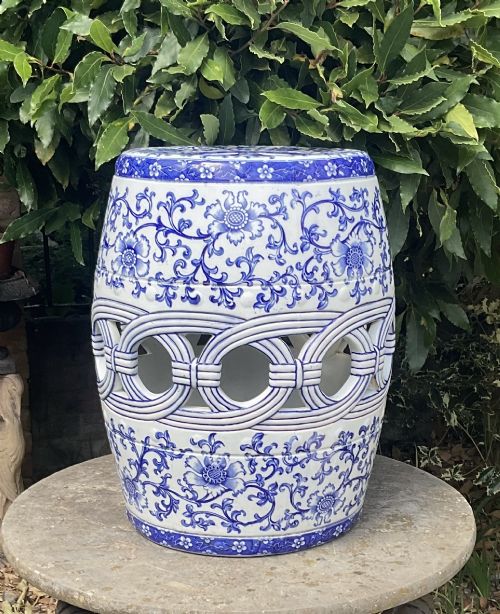
The selections span distinct cultural traditions, ranging from Chinese porcelain and earthenware creations to British interpretations. Pieces such as Minton designs sit alongside nineteenth-century Chinese blue and white or rose medallion barrels.
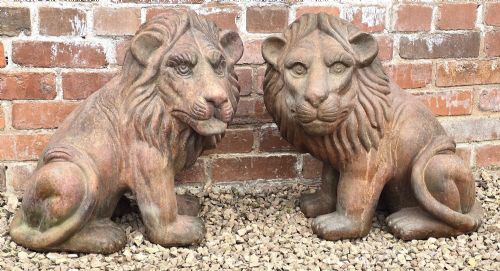
Beyond standard seating, the inventory accommodates related sculptural forms including terracotta lions and lifesize dogs. These garden sculptures share the heavy, weather-resistant build of their seat counterparts while serving a purely ornamental purpose.
How they were made
Potters shaped these heavy bodies from earthenware, ironstone, terracotta or porcelain, depending on the intended regional style and firing requirements. British firms utilised majolica and creamware alongside painted finishes, while Chinese workshops shaped fine porcelain and glazed earthenware.
Makers applied rich coloured glazes, enamel paints, and blue and white pigments before high-temperature kilns fused the decoration to the ceramic body. Some items display clobbered decoration, where earlier blue and white Chinese porcelain received secondary overglaze enamelling in European workshops.
Antique Ceramic Garden Seat Retail Price Guide 2026
Typical asking prices for ceramic garden seat among the pieces listed under this phrase on Sellingantiques today, from the lower quarter to the upper quarter. They describe what is for sale here now, not the wider market.
What varies in quality
The sophistication of the painted or enamelled surface dictates much of the visual merit, separating hastily decorated utility wares from meticulously detailed artistic output. Crisp blue and white brushwork or complex famille rose palettes demand advanced skill from the decorator.
The ambition of the form and the weight of the ceramic body also establish distinction across the range. Substantial pairs, intricate piercing, and well-modelled sculptural details separate standard garden furniture from exceptional studio or factory productions.
Minton
The Antique Ceramic Garden Seat Glossary
- Majolica
- A type of earthenware coated in an opaque tin glaze and painted with bright metal oxide colours. This technique produces a glossy, richly coloured surface popular in nineteenth-century British ceramics.
- Clobbered
- A process where older glazed ceramics, typically blue and white porcelain, receive additional hand-painted enamel colours and a secondary low-temperature firing. The practice alters the visual character of imported oriental wares.
- Famille Rose
- A palette of opaque enamels dominated by pink or rose colours, introduced to Chinese porcelain decoration during the Qing dynasty. The style appears frequently on nineteenth-century barrel seats.
- Terracotta
- Fired, unglazed clay possessing a porous structure and a warm reddish-brown hue. It serves as a durable material for both garden sculptures and heavy architectural ornaments.
- Creamware
- A refined earthenware developed in England featuring a pale yellowish-white transparent lead glaze. It provides a smooth ground for painted decoration.
Antique Ceramic Garden Seat: Frequently Asked Questions
Can I leave my garden seat outside all winter?
Ceramic and terracotta garden furniture withstands outdoor conditions well during milder months, but freezing temperatures pose a risk to porous materials. Frost can cause moisture trapped within earthenware or terracotta to expand, leading to structural cracking.
Moving pieces into a conservatory, shed, or sheltered porch during the coldest months preserves the glaze and body. British glazed earthenware and Chinese porcelain generally handle damp environments, but keeping them off damp ground prevents moisture absorption.
How do I clean an antique ceramic garden seat?
Routine maintenance requires only warm water and a soft cloth to remove dust, soil, and organic debris from the glazed or painted surfaces. Avoid harsh chemical cleaners or abrasive scouring pads, which can dull nineteenth-century enamels and scratch the glaze.
Take extra care around clobbered or overglazed areas, where the secondary enamel decoration sits more delicately on top of the original fired surface. Gentle washing preserves both the pigment and the historic character of the ceramic.
How do I distinguish Chinese export seats from British pieces?
Chinese export pieces frequently employ porcelain or fine stoneware bodies decorated with traditional motifs such as rose medallion, famille rose, or cobalt blue landscapes. These often incorporate pierced coin symbols around the central drum.
British examples, such as those by Minton, typically rely on heavy earthenware, creamware, or majolica glazes with distinctive nineteenth-century moulding. The clay body beneath any unglazed rim usually reveals the primary manufacturing origin.
What is a barrel garden seat?
A barrel garden seat is a traditional cylindrical form modelled after ancient Chinese wine barrels, featuring a flat top for sitting and a bulbous body. The design often includes raised studs around the rim and cut-out handles for lifting.
These versatile objects function equally well as low side tables in garden rooms or as structural pedestals for potted plants outdoors. Their enclosed hollow construction provides surprising stability when placed directly onto lawns or terraces.