


Antique Ceramic Flowers
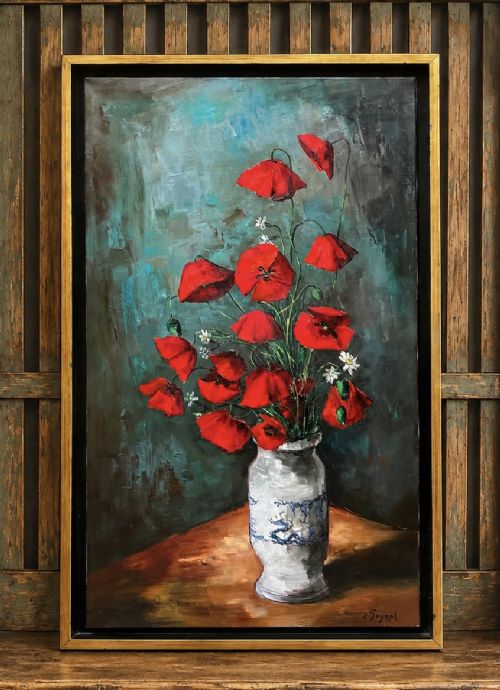
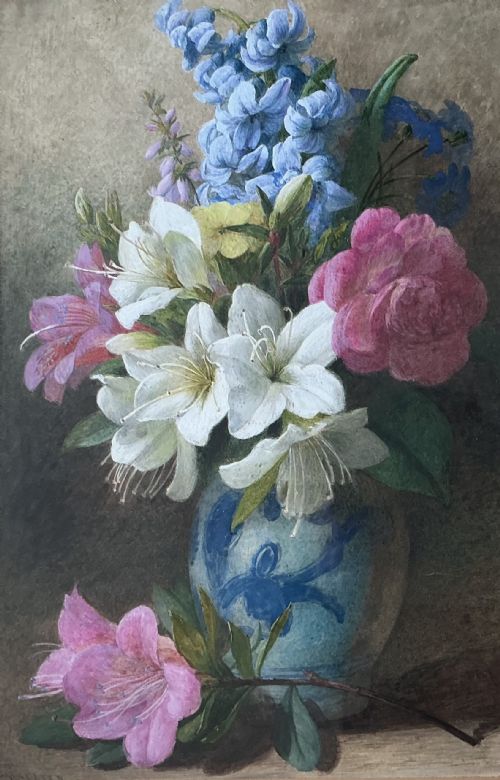
Antique ceramic flowers bring hand-painted flora and botanical sculpture into interior spaces through centuries of porcelain, pottery, and earthenware craftsmanship.
Antique Ceramic Flowers
When searching for antique ceramic flowers, buyers encounter a diverse selection of vessels, dishes, and figures adorned with botanical motifs or formed as literal floral arrangements.
The objects span from the eighteenth into the twentieth century, encompassing English porcelain vases, Chinese export wares, and continental faience.
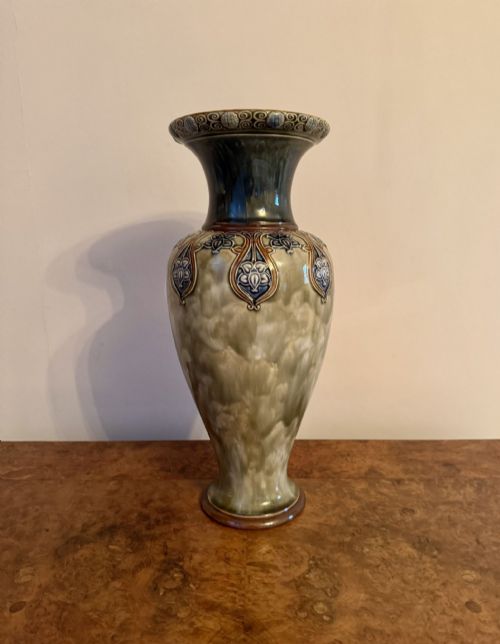
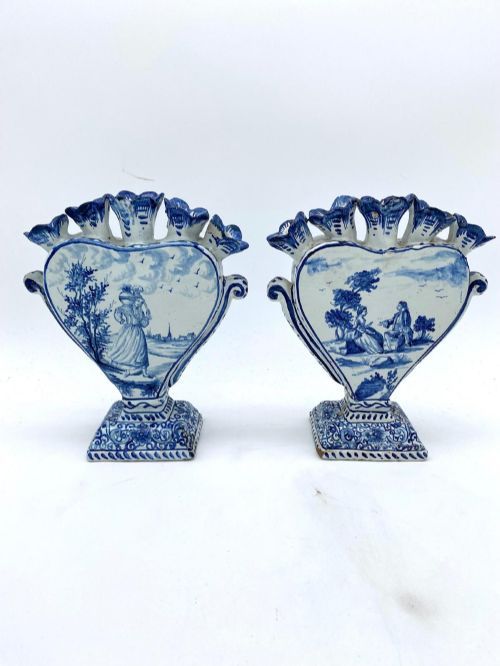
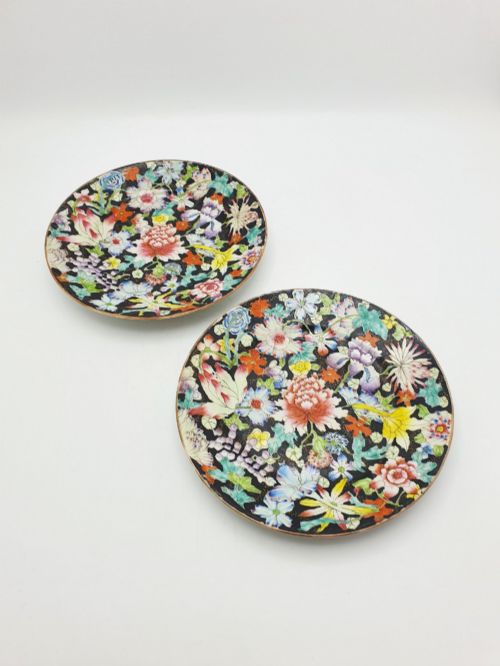
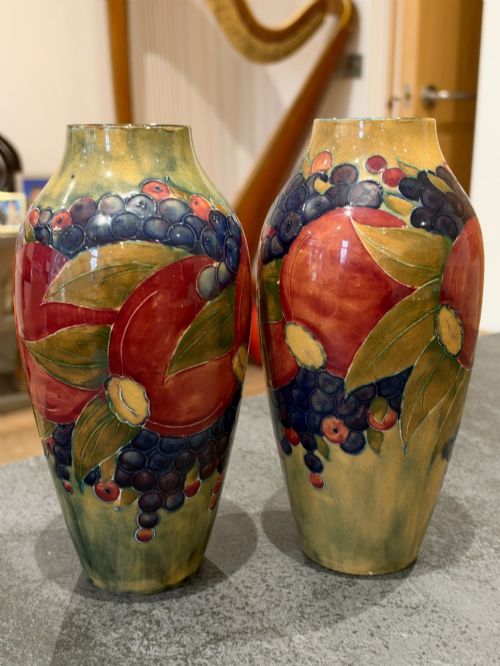
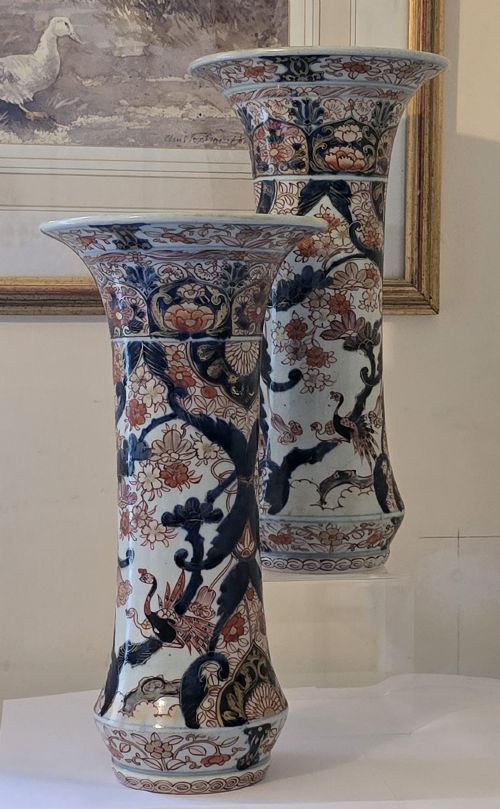
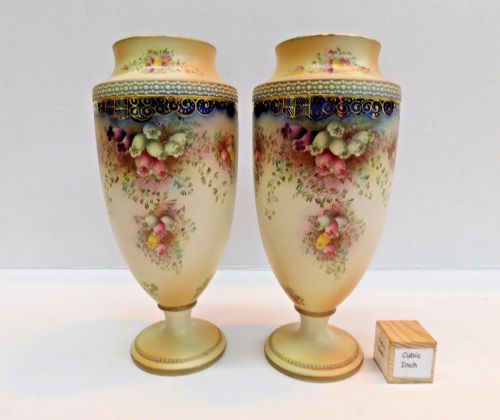
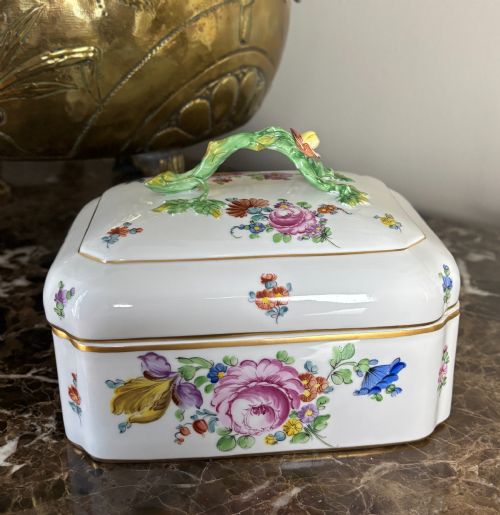
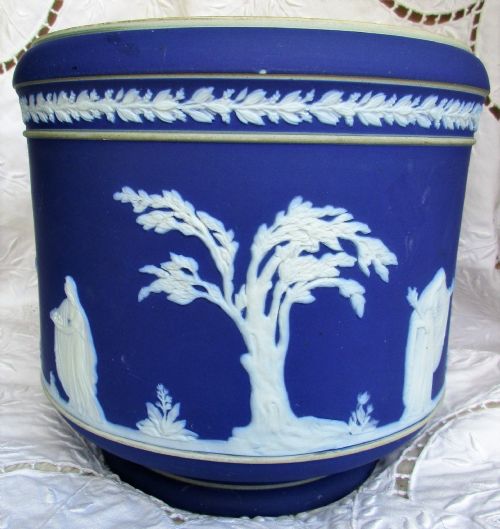
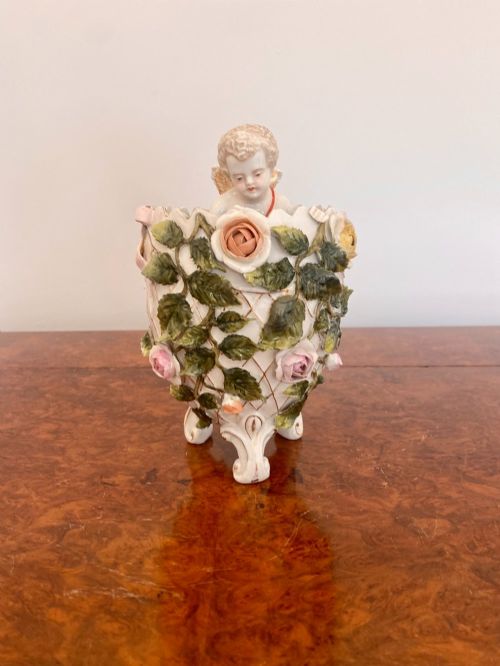
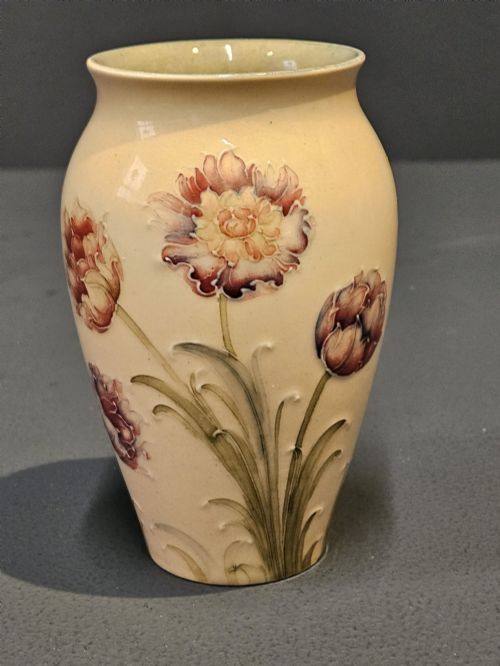
Vases, jardinieres, and bough pots dominate the offerings, often decorated with hand-painted polychrome flowers or modeled with raised floral reliefs.
Materials and Techniques
Ceramic bodies range from refined porcelain and fine earthenware to stoneware and traditional delftware.
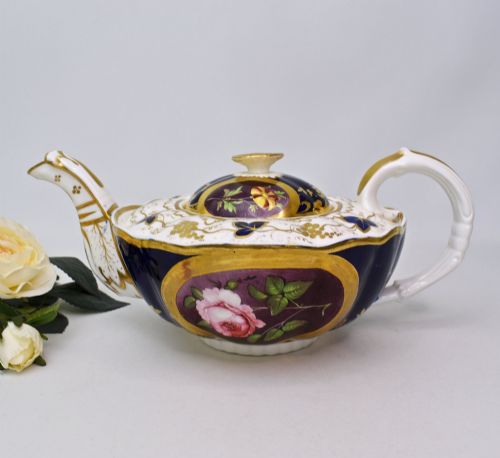
Makers utilised glazes, enamel colours, and occasional gilding or gold leaf to finish the decorated surfaces.
Decoration relied heavily on meticulous hand-painting, transferring botanical subjects directly onto the fired clay before a protective glaze sealed the pigments.
Antique Ceramic Flowers Retail Price Guide 2026
Typical asking prices for ceramic flowers among the pieces listed under this phrase on Sellingantiques today, from the lower quarter to the upper quarter. They describe what is for sale here now, not the wider market.
Listings feature porcelain, earthenware, and stoneware across eighteenth and nineteenth-century styles.
Evaluating Quality and Execution
Quality rests in the precision and delicacy of the hand-painted brushwork, where botanical accuracy and fine detailing elevate a piece above standard production.
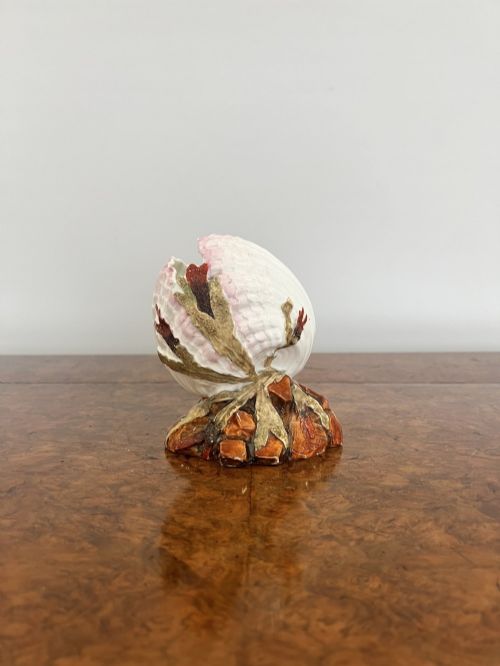
The crispness of moulded elements, such as applied flowers or relief patterns, distinguishes finer studio and factory output from simpler utilitarian wares.
The harmony of the glaze and the preservation of polychrome enamels over centuries indicate the original firing standards and subsequent care.
W Factory·Spode·Grainger Lee And Co·Flight Barr And Barr·Derby·Fourmaintraux Courquin·Meissen·Royal Doulton·Moorcroft·Locke And Co·Charles Vyse·William Adams And Sons
The Antique Ceramic Flowers Glossary
- Bough Pot
- A vessel specifically designed to hold cut stems or flowering branches for interior decoration. These containers typically feature pierced lids or removable covers to keep stems upright.
- Jardiniere
- A large ornamental pot or stand intended to hold growing plants or flowers. They appear in ceramics, stoneware, and faience across various nineteenth-century styles.
- Polychrome
- Decoration employing multiple distinct colours across the ceramic surface. This technique is common in hand-painted floral motifs on eighteenth and nineteenth-century dishes and vases.
- Faience
- Tin-glazed earthenware produced in various European traditions, often featuring blue and white or polychrome painted designs. It provides an opaque white ground suited for botanical painting.
Antique Ceramic Flowers: Frequently Asked Questions
What are antique ceramic flowers?
Antique ceramic flowers encompass three-dimensional floral sculptures, vessels painted with botanical scenes, and decorative pottery patterned with floral motifs created across past centuries.
These pieces reflect the enduring popularity of nature in domestic decoration, spanning simple earthenware bowls to delicate porcelain vases.
How were bough pots used?
Bough pots served as indoor receptacles for displaying fresh garden branches and cut flowers during eras when interior flora brought colour into rooms.
The pierced lids kept heavy stems arranged neatly without tipping over in the decorative container.
How do I care for antique ceramics?
Clean these delicate items gently with a dry or lightly damp cloth, avoiding harsh modern detergents that might harm fragile antique glazes and hand-painted enamels.
Keep them positioned away from direct sunlight and sudden temperature shifts to protect the ceramic body and surface decoration.
How can I tell different periods apart?
Distinguishing periods relies on observing stylistic traits like the ornate curves of eighteenth-century rococo pieces versus the cleaner lines of later art nouveau or art deco designs.
Factory marks, glaze types, and the specific weight and texture of the porcelain or earthenware also offer reliable clues to an item's age.