



Antique Ceramic Fish Planter
These antique ceramic fish planter examples bring water motifs into interior spaces through heavy vessels made for foliage and decorative display.
Antique Ceramic Fish Planter
An antique ceramic fish planter is typically encountered as a jardiniere, fish bowl, or wall pocket produced during the nineteenth century. These vessels serve to house indoor plants or act as standalone ornamental bowls within a room.
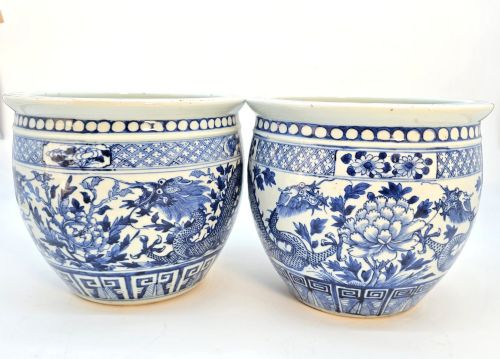
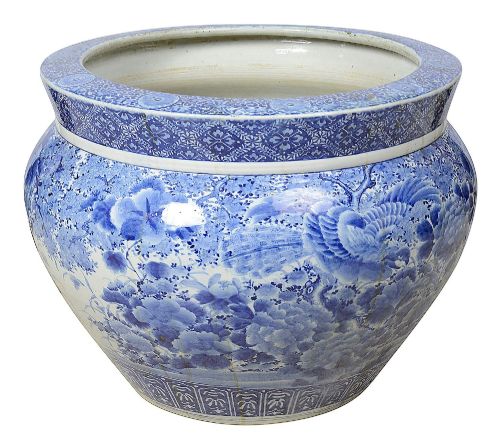
The selections span Chinese Qing Dynasty pieces, Japanese Meiji period examples, and British Arts and Crafts items from Barnstaple. Forms include large porcelain bowls, pairs of jardinières with associated hardwood stands, and wall pockets.
Buyers encounter items originating from Japanese Satsuma and Imari traditions alongside Chinese blue and white porcelain and Canton Famille Rose wares. Each object reflects the nineteenth-century fascination with aquatic decoration and botanical display.
How they were made
Potters shaped these vessels in ceramic, earthenware, and porcelain before applying cobalt underglaze, cobalt pigment, or colourful enamel decoration. Some surfaces incorporate detailed gold leaf highlights.
Firing techniques allowed for rich glaze effects across Chinese fish bowls and Japanese vases. Workshops utilised traditional hand-throwing and moulding methods suited to heavy decorative jardinières.
Antique Ceramic Fish Planter Retail Price Guide 2026
Typical asking prices for ceramic fish planter among the pieces listed under this phrase on Sellingantiques today, from the lower quarter to the upper quarter. They describe what is for sale here now, not the wider market.
Some jardinières come with associated hardwood stands, proving that even heavy ceramic fish bowls appreciate a good pair of shoes.
What varies in quality
Quality separates through the precision of the hand-painted cobalt underglaze and the complexity of enamel and gold leaf application. Fine examples display crisp detailing in the depiction of fish and botanical motifs.
The weight and presence of the ceramic body, alongside the survival of associated hardwood stands where present, mark the distinction between standard production items and superior decorative works.
LAUDER POTTERY BARNSTAPLE
The Antique Ceramic Fish Planter Glossary
- Jardiniere
- A large decorative pot or stand used for holding flowers or plants indoors. These vessels often sit directly on the floor or upon associated hardwood stands.
- Famille Rose
- A major palette of Chinese ceramic enamels introduced in the Qing dynasty, characterised by pink or opaque rose colours. This style adorns fine nineteenth-century jardinières.
- Cobalt Underglaze
- A blue pigment applied to pottery beneath a transparent glaze before high-temperature firing. This technique creates the durable blue and white decoration seen on Chinese fish bowls.
- Wall Pocket
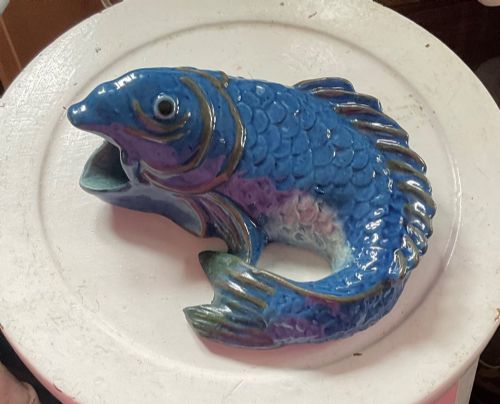
- A small vessel designed to hang flat against a vertical surface to hold flowers or foliage. Examples from Barnstaple bring this form into the Arts and Crafts tradition.
- Meiji Period
- The era in Japanese history spanning from eighteen sixty-eight to nineteen twelve, known for distinctive Satsuma and Imari ceramic exports. Pieces from this time frequently feature rich glaze and enamel work.
Antique Ceramic Fish Planter: Frequently Asked Questions
What is a jardiniere?
A jardiniere is a large decorative pot designed to hold indoor plants or floral arrangements. They are substantial enough to sit on the floor or rest on low furniture.
In historical interiors, these vessels functioned as practical planters that also added an ornamental focal point to a room.
How do I spot Japanese Imari?
Japanese Imari ceramics are recognisable by their distinct palette, which typically combines cobalt blue and iron red with gold detailing. The patterns are dense and decorative.
These pieces were produced in large quantities for export during the nineteenth century and often take the form of large jardinières.
What is a wall pocket?
A wall pocket is a hanging ceramic vessel designed with a flat back so it can be mounted directly onto a wall. They were used to display fresh or dried flowers in smaller spaces.
Nineteenth-century examples range from simple earthenware designs to more decorative regional studio pottery pieces.