





Antique Ceramic Elephant
An antique ceramic elephant brings character to a room, appearing in forms from utilitarian tableware to decorative figures.
Antique Ceramic Elephant
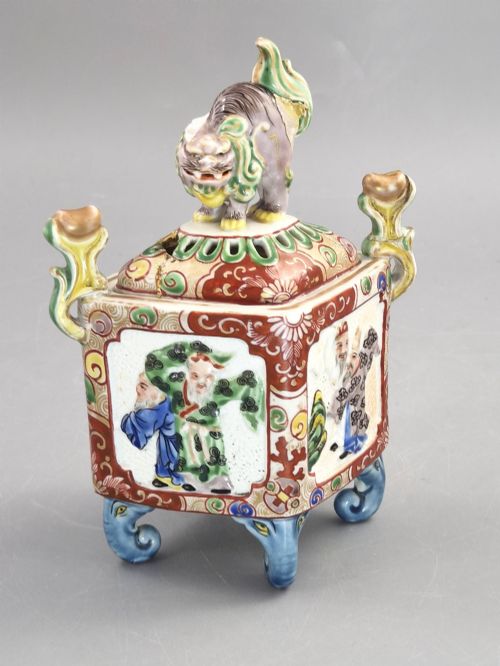
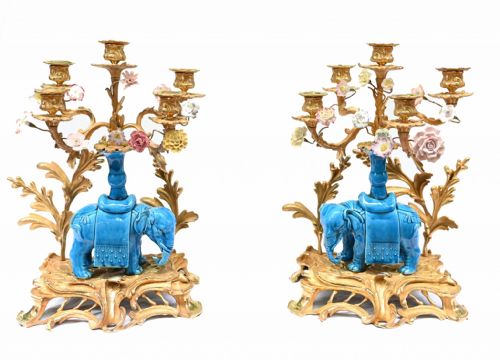
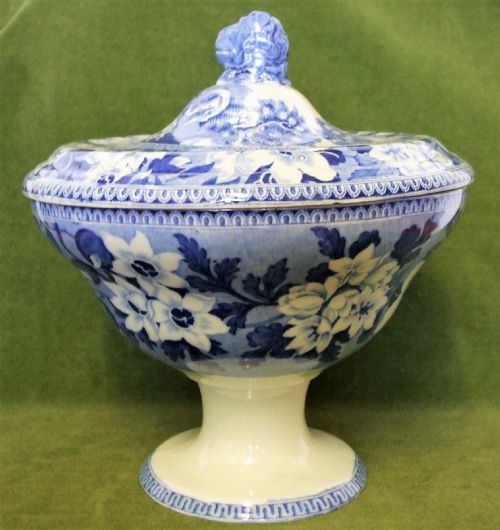
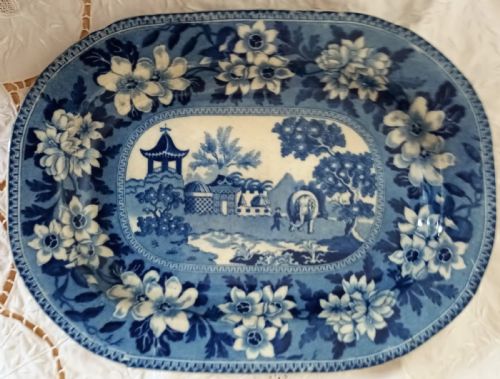
Buyers seeking an antique ceramic elephant encounter a diverse assortment of objects, ranging from domestic earthenware platters and tureens to Meissen porcelain figures and Japanese porcelain incense burners. The most common representations on this page are blue and white transfer printed pottery pieces featuring elephant patterns, alongside decorative porcelain sculptures.
These items span several distinct geographic origins and eras, including English Georgian transferware, nineteenth century continental porcelain, and Japanese Meiji period satsuma and kutani wares. Forms vary widely from practical serving dishes and sauce tureens to perfume lamps, vases, and candelabras.
The selection reflects both European factory production and Asian export traditions, uniting domestic utility with ornamental display. Whether rendered in ironstone china or fine porcelain, each piece incorporates the elephant motif into functional or sculptural forms.
Materials and production methods
Potters and ceramists utilised earthenware, ironstone, and fine porcelain as the primary foundations for these objects, shaping them through moulding and throwing. Transfer printing allowed workshops to apply complex blue and white patterns onto utilitarian pottery like tureens and platters.
Antique Ceramic Elephant Retail Price Guide 2026
Typical asking prices for ceramic elephant among the pieces listed under this phrase on Sellingantiques today, from the lower quarter to the upper quarter. They describe what is for sale here now, not the wider market.
The inventory combines English transferware, European porcelain factories, and Japanese Meiji period satsuma and kutani wares.
Assessing quality and craftsmanship
Artistic ambition also dictates distinction, separating standard utilitarian vessels from sculptural works modelled by renowned factories or signed by accomplished artists. The harmony between the ceramic form and the applied elephant motif determines the overall visual success of the piece.
John Rogers and Son·Carl Thieme Dresden·Mason Ironstone China
The Antique Ceramic Elephant Glossary
- Transferware
- Pottery decorated by transferring a printed design from an engraved copper plate onto the ceramic surface. This technique enabled the mass production of consistent blue and white patterns on domestic tablewares.
- Ironstone
- A heavy, durable type of earthenware patented in the nineteenth century. It served as a robust alternative to porcelain for heavy-use items such as jugs and platters.
- Okimono
- A Japanese term for a decorative sculpture intended for display on a shelf or in a tokonoma alcove. These freestanding figures often demonstrate exceptional carving and painting skill.
- Koro
- A traditional Japanese incense burner, typically supported by legs and fitted with a pierced cover. They are frequently modelled in porcelain or earthenware with elaborate decorative accents.
- Tureen
- A deep, large vessel with a cover used for serving soups, sauces, or gravies. Ceramic examples often feature decorative handles and matching stands.
Antique Ceramic Elephant: Frequently Asked Questions
How were antique ceramic tureens used?
These covered vessels served soups, sauces, and stews at formal dining tables, acting as both practical tableware and centrepieces.
Their substantial size and decorative covers allowed hosts to present food with style before serving guests.
Where should I display porcelain figurines?
Place them on stable surfaces away from high traffic areas, such as mantelpieces, dedicated display cabinets, or sturdy side tables.
Good placement protects fragile limbs, glazes, and delicate gilding from accidental knocks.
What defines Meiji period ceramics?
The Meiji period spans late nineteenth and early twentieth century Japan, characterised by an explosion of decorative export arts.
Pieces from this era often feature intricate hand-painted enamels, gilding, and distinct regional styles like Satsuma and Kutani.
How do I care for antique pottery?
Dust these items gently with a soft, dry brush and avoid using water, harsh cleaning agents, or immersion.
Keeping them out of direct sunlight prevents the fading of delicate overglaze enamels and gold leaf over time.