



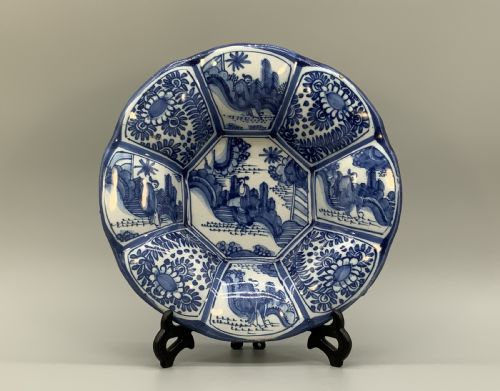
Antique Ceramic Display Platter
An antique ceramic display platter brings heavy hand-painted presence to a wall or table, carrying centuries of kiln tradition into a modern room.
Antique Ceramic Display Platter
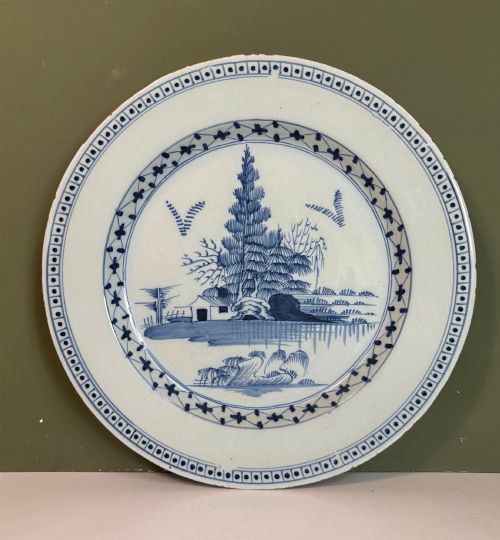
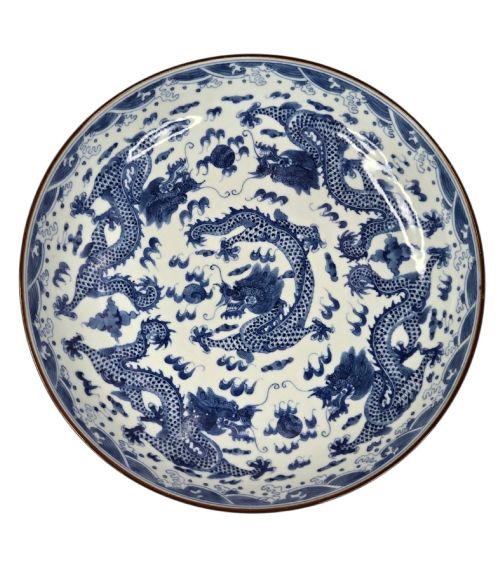
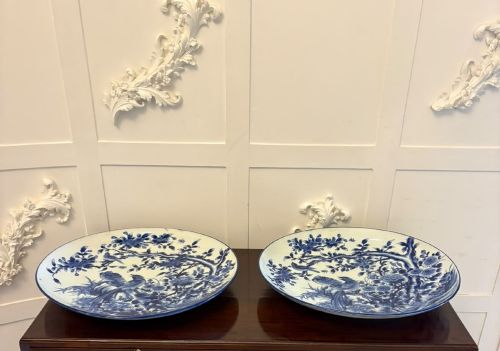
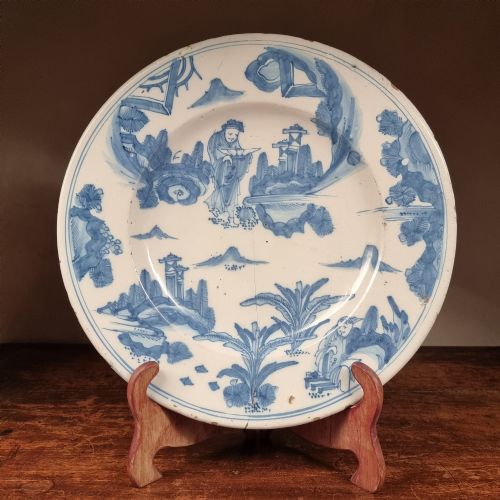
When searching for an antique ceramic display platter, buyers encounter large chargers, decorative plates, and wide serving dishes designed primarily for visual impact rather than dining. These pieces span from the seventeenth century through the late Victorian and Meiji periods, originating from English potteries, European delftware kilns, and East Asian workshops.
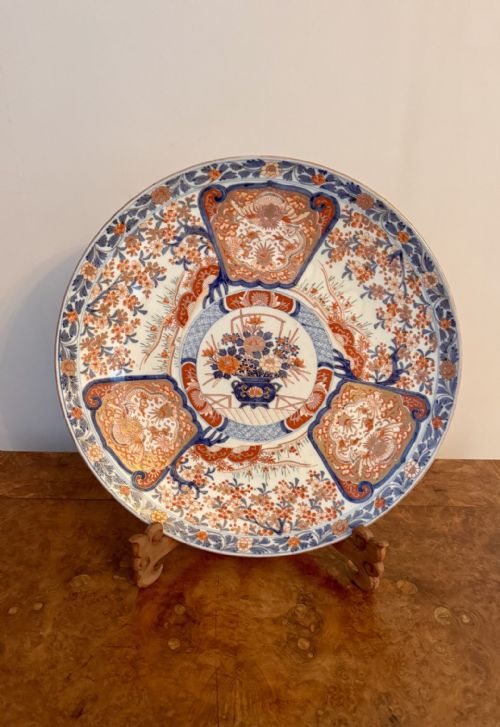
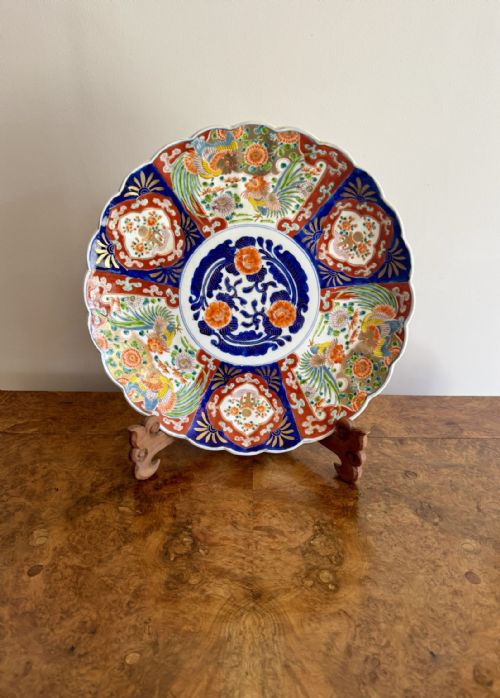
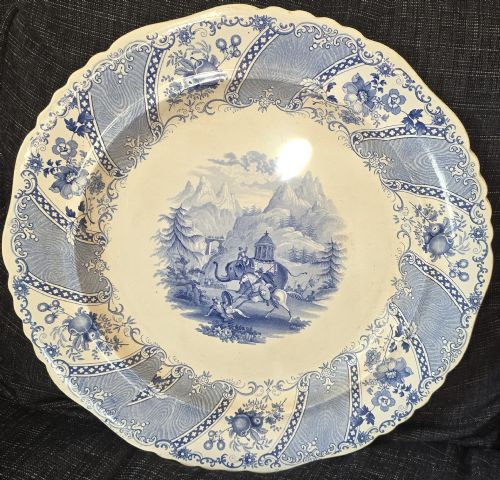
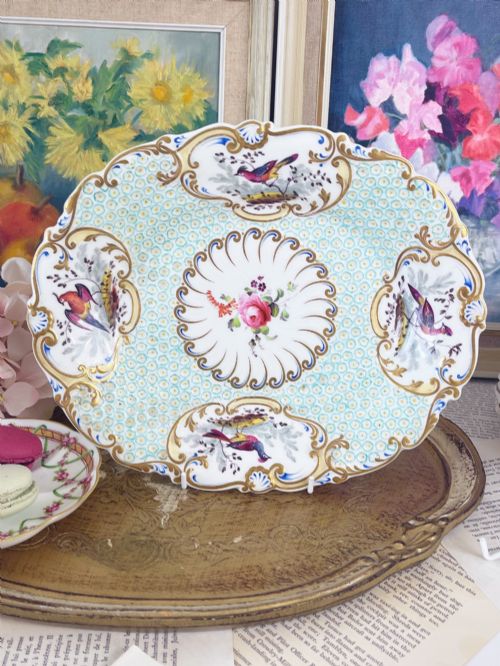
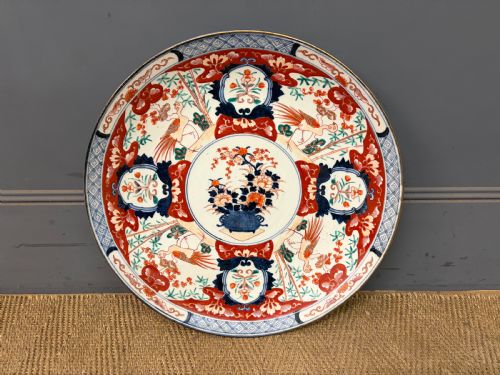
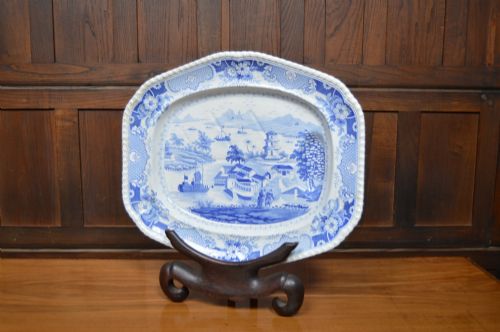
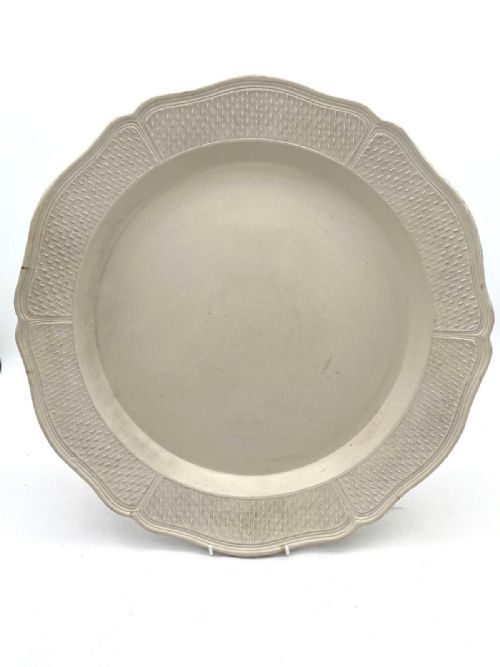
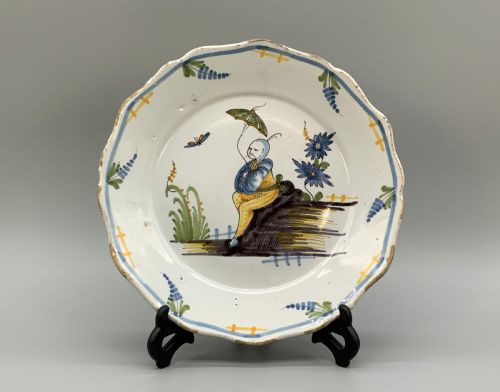
The most common examples on this page are Japanese Imari chargers and Dutch or English delftware dishes, alongside Chinese porcelain and English earthenware meat platters. Forms vary from traditional round chargers to scalloped edges, square plates, and lobed dishes.
Materials and Technique
Potters shaped these platters using earthenware, stoneware, or porcelain bodies, finished with tin glazes, transparent lead glazes, or salt glazing. Cobalt blue, polychrome enamels, and transfer-printed designs were applied by hand before high-temperature firing.
Many Japanese and Chinese works employ intricate hand-painted underglaze blue and overglaze enamel detailing, while European delftware relies on an opaque tin-glaze ground to receive vibrant pigments.
Some nineteenth-century Japanese chargers depict the Seven Lucky Gods riding waves together.
Distinctions in Quality
Quality rests upon the crispness of the hand-painted brushwork, the depth and stability of the glaze, and the overall balance of the composition across a broad surface. Pieces with complex figural scenes, rich polychrome palettes, or well-preserved cobalt show superior artisan execution.
The weight and stability of the ceramic body, alongside the purity of the white ground beneath the glaze, separate standard production wares from exceptional decorative showpieces.
H & R Daniel·John Ridgway·Coalport·Copeland
The Antique Ceramic Display Platter Glossary
- Charger
- A large decorative plate or platter typically exceeding thirty centimetres in diameter, designed for wall display or sideboard presentation. These large surfaces offered makers expansive canvases for complex pictorial scenes.
- Delft
- Tin-glazed earthenware produced in England, France, and the Netherlands, known for its opaque white surface and blue or polychrome painted decoration. It imitates imported Chinese porcelain styles.
- Imari
- Japanese export porcelain decorated in underglaze blue, iron red, and gold, highly popular in European interiors from the seventeenth century onward. The palette is distinctly rich and decorative.
- Transferware
- Earthenware or stoneware patterned by transferring a printed design from an engraved copper plate onto the ceramic body. This technique allowed uniform production of intricate patterns.
- Famille Verte
- Chinese porcelain decorated primarily with a green enamel palette combined with other colours, originating during the Qing dynasty. It translates to green family in French collector terminology.
Antique Ceramic Display Platter: Frequently Asked Questions
How do I hang a heavy charger safely?
Heavy ceramic chargers require adjustable spring-loaded brass wall hangers that distribute weight evenly across the rim. Ensure the fixing is secured directly into a wall stud or uses appropriate masonry anchors.
Avoid wire attachments glued to the footring, as centuries-old ceramic glazes and bodies can fail under sustained tension.
Were these platters meant for daily dining?
Most large chargers and decorative platters served ceremonial, display, or grand serving functions rather than everyday meals. Their generous diameters and delicate painted surfaces made them centrepieces for sideboards and formal tables.
Earthenware meat platters saw utilitarian table use, while porcelain and delft chargers were frequently mounted on walls or dresser racks.
How do I distinguish Delft from Imari?
Delft utilises a porous earthenware body covered in an opaque white tin glaze, featuring painted cobalt blue or manganese designs. Imari relies on hard-paste Japanese porcelain decorated with iron red, dark blue, and gilt highlights.
Examining the unglazed footrim reveals the dense white porcelain body of Imari versus the softer, buff-coloured earthenware of European delftware.