


Antique Ceramic Coffee Set
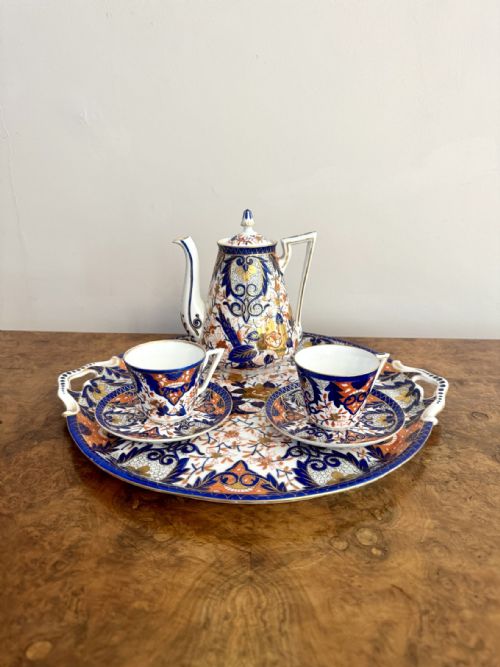
An antique ceramic coffee set brings period elegance to the table, offering finely painted porcelain and bone china for serving after-dinner coffee.
Antique Ceramic Coffee Set
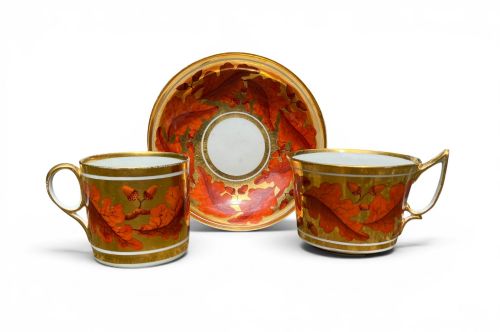
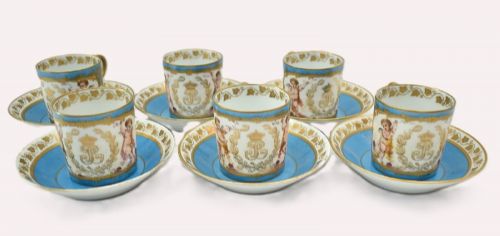
When you search for an antique ceramic coffee set, you encounter diverse forms ranging from individual trios and demitasse cups to complete multi-piece services. The selections span eras from the early nineteenth century through the Art Deco years of the twentieth century.
The assortment includes English factories such as Coalport, Minton, and Royal Worcester alongside continental works from Berlin, Limoges, and Sèvres. Pieces commonly take the form of coffee cans, saucers, and paired tea and coffee services intended for formal entertaining.
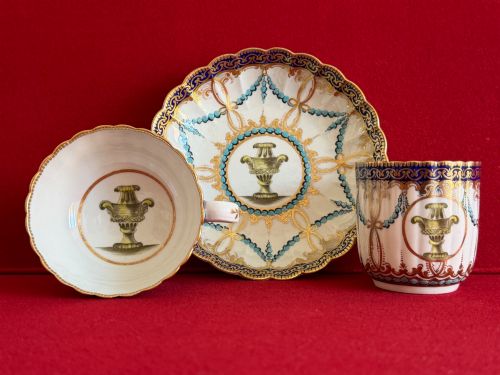
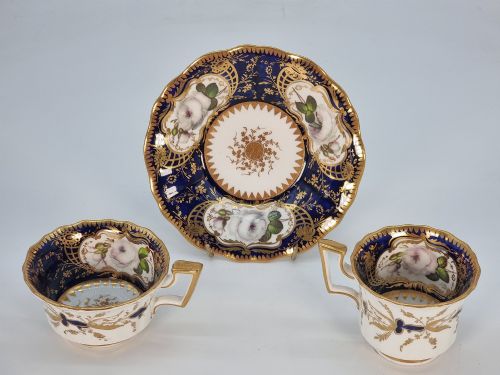
Earlier Regency and nineteenth-century examples often present neoclassical motifs or hand-painted botanical studies, while later twentieth-century sets introduce bolder geometric patterns and modernist silhouettes.
Materials and production methods
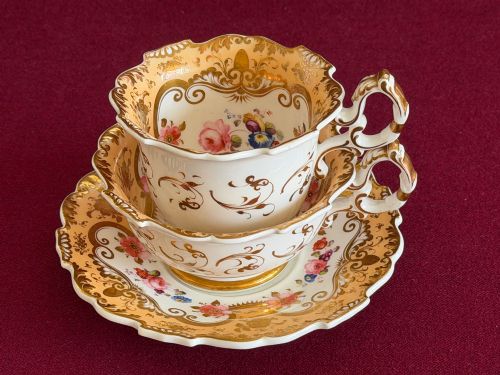
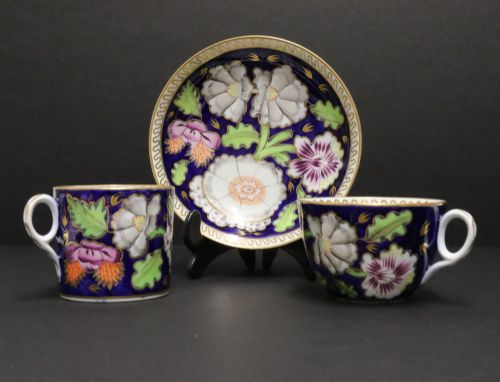
Potters shaped these vessels from fine porcelain, bone china, and earthenware, applying smooth glazes to create durable surfaces for daily or ceremonial use. Factories utilised hand-painting alongside transfer printing to decorate the ceramic bodies with intricate botanical scenes and colourful motifs.
Gilding with gold leaf and gold gilt added opulent borders and highlights, frequently fixed by firing the pieces a second or third time in the kiln. Silver mounts sometimes reinforced the rims and handles of later twentieth-century sets.
Early nineteenth-century painters occasionally hid tiny insects beneath saucer rims to surprise whoever finished their coffee.
Judging quality and execution
The distinction between standard production wares and superior services lies in the crispness of the moulding and the finesse of the hand-painting. Skilled artists working for major factories achieved delicate brushwork and precise enamel saturation that lesser workshops simply could not replicate.
The weight and translucency of the porcelain body further separate fine cabinet pieces from ordinary domestic wares. Potteries like Coalport and Sèvres maintained rigorous standards that resulted in exceptionally thin, resonant cups and perfectly proportioned saucers.
A H & R Daniel·Newhall·Coalport John Rose·Sevres·Clarice Cliff·Shelley·Royal Worcester·Ahrenfeldt and Asalvary·Davenport·Minton·Russian Imperial Porcelain Manufactory·Thomas Steel·KPM Berlin·Doulton·Hutschenreuther·Royal Crown Derby
The Antique Ceramic Coffee Set Glossary
- Demitasse
- A small cup used for serving strong black coffee after a meal. These often accompany matching saucers in nineteenth and twentieth-century services.
- Trio
- A matched set consisting of a teacup, a coffee cup or saucers, and a larger plate. Collectors prize complete trios from Regency and Victorian makers.
- Bone china
- A type of soft-paste porcelain incorporating bone ash, developed in England to create a whiter and more durable ceramic body. It allows for thinner walls while maintaining structural strength.
- Coffee can
- A cylindrical cup designed specifically for drinking coffee, popular during the Regency and Georgian periods. They frequently feature straight sides and loop handles.
Antique Ceramic Coffee Set: Frequently Asked Questions
What is the difference between a tea set and a coffee set?
Coffee sets generally feature taller, narrower cups known as coffee cans or demitasse cups, designed to hold strong brews in smaller quantities.
Tea sets traditionally include wider, shallower cups intended for lighter infusions and larger servings.
Can I use my antique ceramic coffee set daily?
While these ceramics were built for functional use, their delicate glazes, hand-painted enamels, and gold leaf decorations require gentle handling.
Hand washing in warm water preserves the fragile surfaces far better than modern dishwashers.
How do I identify a Regency period coffee set?
Regency sets typically display neoclassical shapes, such as cylindrical coffee cans with kick handles, alongside refined floral or gilded motifs.
Porcelain bodies from this era often show a high degree of translucency and careful hand-painting characteristic of early nineteenth-century English factories.
What does a cabinet trio mean?
A cabinet trio refers to a matched set of three ceramic pieces intended for display in a collector's cabinet rather than heavy domestic use.
These pieces usually exhibit superior hand-painting, rich gilding, and work by named porcelain artists.