



Antique Ceramic Children
Antique ceramic children bring together delicate figures, devotional plaques and miniature services spanning the eighteenth to the twentieth centuries.
Antique Ceramic Children
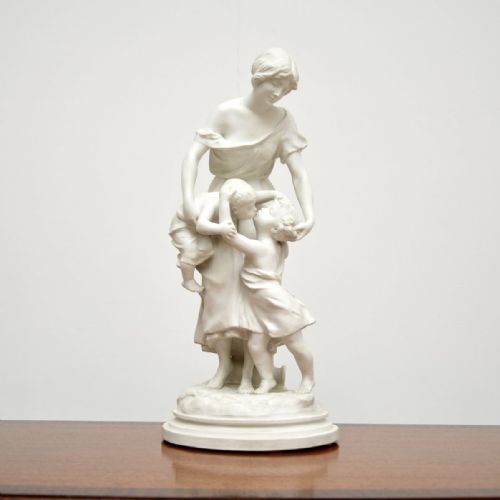
When you search for antique ceramic children, you encounter a diverse range of objects spanning porcelain figurines, earthenware services, stoneware figures and terracotta busts. These pieces depict youngsters in pastoral scenes, portrait groups, devotional plaques of madonnas and children, and miniature tableware intended for domestic use.
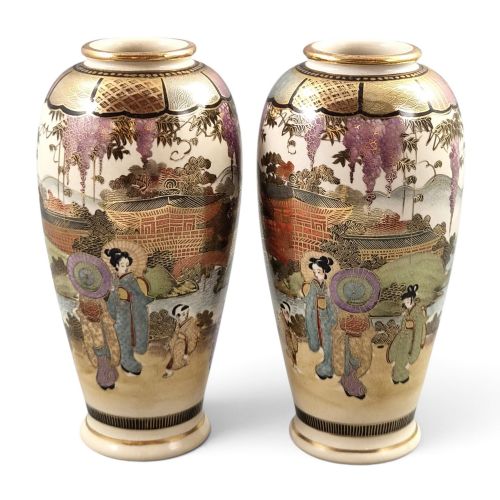
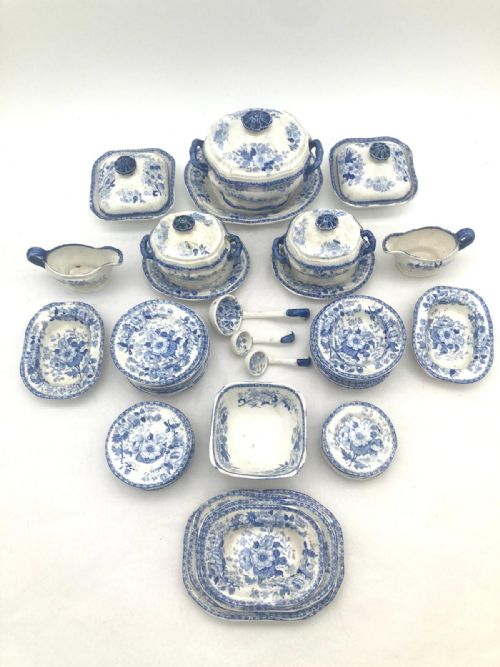
The selections on this page draw from European factories such as Meissen, Royal Dux, Sitzendorf and Worcester, alongside Japanese Satsuma and Sumida Gawa pieces. Victorian Staffordshire figures and delicate transfer-printed child's services from the nineteenth century feature prominently among the available forms.
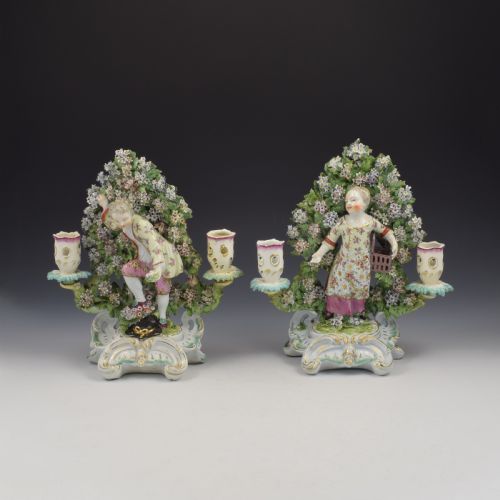
Makers from various European and Asian traditions interpreted childhood through distinct stylistic lenses, moving from eighteenth-century rococo candelabra figures to twentieth-century art deco and Quimper pottery. Each object reflects the social attitudes and domestic customs of its period of origin.
Materials and methods
Potters and sculptors utilised porcelain, earthenware, stoneware and terracotta, shaping them by hand or casting them in moulds before applying glazes, enamel paints and occasional gold leaf. Fine porcelain pieces required precise kiln firing to achieve smooth, vitrified bodies suitable for intricate hand-painting.
Transfer printing techniques allowed makers to apply complex blue and white patterns onto earthenware services and nursery mugs with remarkable consistency. Relief modelling in parianware and majolica created textured surfaces that accentuated the sculptural details of figures and busts.
Antique Ceramic Children Retail Price Guide 2026
Typical asking prices for ceramic children among the pieces listed under this phrase on Sellingantiques today, from the lower quarter to the upper quarter. They describe what is for sale here now, not the wider market.
Several Victorian figures portray children riding on the backs of stubborn setters or clutching reluctant pet lambs.
Assessing quality and craftsmanship
Quality in these ceramic pieces rests upon the crispness of the modelling and the precision of the hand-painting, where finer examples preserve delicate facial expressions and subtle tonal gradations in the glaze. Early factory pieces demonstrate superior handling of fine clay bodies compared to later mass-produced variations.
The preservation of fragile elements such as bocage foliage, painted enamel details and applied ornamentation distinguishes superior specimens from simpler domestic wares. Maker marks and factory stamps provide further indication of provenance and workshop standards.
Luca Madrassi·Berthe Savigny·Royal Dux·Meissen·Royal Copenhagen·Carl Thieme·Helena Wolfsohn
The Antique Ceramic Children Glossary
- Bisque
- Unglazed porcelain that has been fired once, valued for its matte, marble-like surface texture. It is frequently seen in nineteenth-century sculptural figures.
- Parianware
- A fine-grained white porcelain developed in the nineteenth century to imitate carved marble. Statuary figures utilise this material for its smooth, sculptural finish.
- Bocage
- Applied ceramic foliage and floral background work surrounding figures on candlesticks and groups. Eighteenth-century porcelain pieces frequently incorporate this delicate decorative element.
- Transfer printing
- A method of decorating ceramics by engraving a design on a metal plate, pulling it on tissue paper, and transferring the ink onto the ware before firing. Blue and white child's services often display this technique.
- Majolica
- Heavy earthenware coated with an opaque tin glaze and painted with brightly coloured metal oxide enamels. It produces glossy, vibrant surfaces on figural and sculptural objects.
Antique Ceramic Children: Frequently Asked Questions
What are antique ceramic children?
These pieces comprise porcelain figures, earthenware nursery mugs, terracotta busts and decorative plaques depicting children, family groups and religious scenes.
They originate from various European manufactories and Asian kilns active during the eighteenth, nineteenth and early twentieth centuries.
How were child's services used?
Miniature dinnerware and transfer-printed tea sets served as educational toys or display pieces for children in prosperous nineteenth-century households.
They introduced young users to proper dining etiquette through scaled-down plates, bowls and mugs.
How do I care for antique porcelain?
Display these delicate ceramic pieces away from direct sunlight and areas subject to sudden temperature fluctuations.
Dust them gently with a soft, dry brush and avoid submerging painted or gilded surfaces in water.
How can I tell the period?
Examine the base for factory marks, impressed numbers, and glaze characteristics that correspond to documented production eras.
The style of clothing, modelling techniques, and colour palettes also provide reliable clues to the date of manufacture.