




Antique Central Table
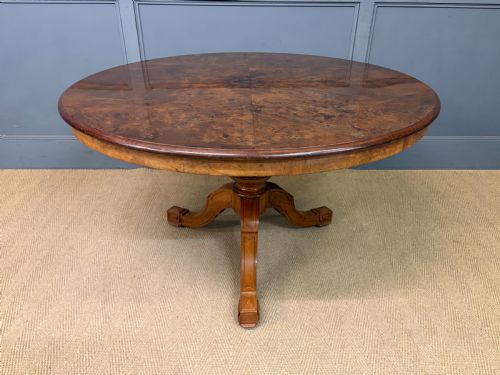
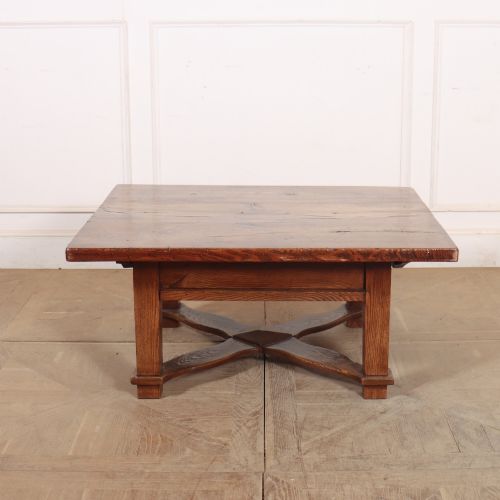
An antique central table stands ready in the middle of a room, providing a grounded surface and a distinct architectural focus.
Antique Central Table
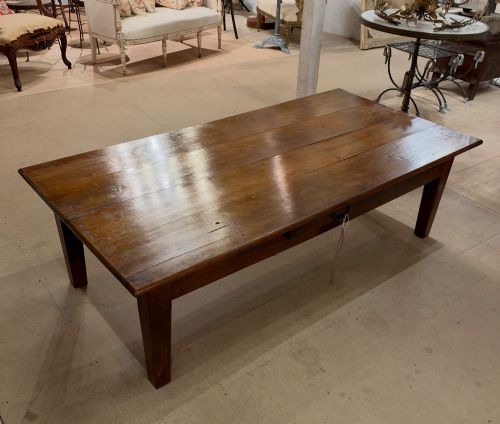
An antique central table occupies a prominent position in a room, designed to be viewed from all sides rather than pushed against a wall. When searching for an antique central table, buyers encounter a variety of forms ranging from formal Victorian pedestal tables to French walnut examples and Georgian breakfast tables. These pieces serve practical functions as dining surfaces, coffee tables, or freestanding display points within domestic spaces.
Materials and Construction Methods
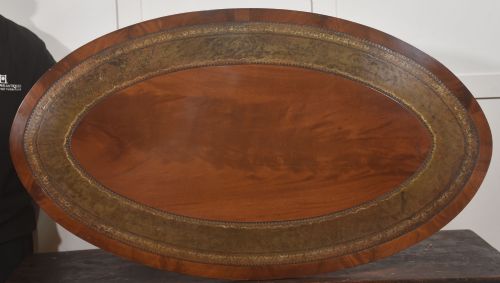
Cabinetmakers constructed these tables using dense hardwoods such as mahogany, walnut, burr walnut, rosewood, and elm. Timber selection dictated both the visual weight and the durability of the piece, with figured grains chosen for prominent top surfaces. Cross-banding and delicate inlay work often embellish the outer edges, showing precise woodworking techniques.
Support structures rely on solid timber turnings, carved pedestals, and sturdy leg assemblies. Metal fixings remain concealed where possible, allowing the natural warmth of polished wood to dominate the aesthetic. Protective finishes applied over the timber highlight the grain while enduring daily use as functional surfaces.
Antique Central Table Retail Price Guide 2026
Typical asking prices for central table among the pieces listed under this phrase on Sellingantiques today, from the lower quarter to the upper quarter. They describe what is for sale here now, not the wider market.
Assessing Build and Finish Quality
Superior examples display careful timber selection, where the grain pattern of the top surface is balanced and harmonious. Lower quality pieces may utilise mismatched veneers or secondary woods that lack depth. The stability of the central pedestal or leg joinery determines how well the table withstands weight and movement over generations.
Refinement in carving and inlay work separates standard utility pieces from exceptional commissions. Crisp mouldings, tight joints, and well-maintained patination indicate skilled workshop production, whereas heavy restorations or altered bases diminish the integrity of the piece.
The Antique Central Table Glossary
- Centre table
- A freestanding table designed to be placed in the middle of a room rather than against a wall. These pieces feature finished detailing on all sides.
- Burr walnut
- A prized timber harvested from growths on walnut trees, yielding complex, swirling grain patterns. Cabinetmakers used burr walnut veneers on prominent tabletops for decorative impact.
- Cross-banding
- A border technique where strips of veneer are laid perpendicular to the main grain of the tabletop. This frames the central panel and adds visual contrast.
- Pedestal table
- A table supported by a single central pillar rising from a stable base or feet. This configuration provides ample legroom around the perimeter of the top.
Antique Central Table: Frequently Asked Questions
Where should I place a central table?
These tables are designed to stand away from walls, making them suitable for the middle of a reception room, a large hallway, or an open-plan dining space. Ensure there is enough clearance around the perimeter for movement.
Because the piece is finished on all sides, it acts as a visual anchor and a natural focal point for furniture arrangements.
How do I clean an antique wooden table?
Dust the surface regularly with a soft, dry cloth to prevent particulate accumulation. Avoid silicone-based polishes, which can build up and soften historical finishes over time.
Periodically nourish the timber with a quality wax appropriate for antique furniture to maintain the moisture and lustre of the wood.
Can I use a central table for daily dining?
Many historical examples, such as breakfast tables and dining tables, were built precisely for daily use. Sturdy mahogany and walnut constructions handle normal household activities well.
Use coasters and mats to protect the polished surface from moisture rings and heat damage during meals.
How do I distinguish Victorian tables from Georgian ones?
Georgian tables often display restrained classical proportions, featuring fine mahogany timbers and subtle inlay work. Victorian examples tend to be heavier, frequently utilising burr walnut veneers and elaborate pedestal or basket bases.
Examining the construction methods underneath the top often reveals clues regarding the period of manufacture.