





Antique Celtic Revival
Antique celtic revival pieces bridge ancient mythical motifs and functional nineteenth and twentieth century design, offering rich interlacing patterns for everyday domestic use.
Antique Celtic Revival
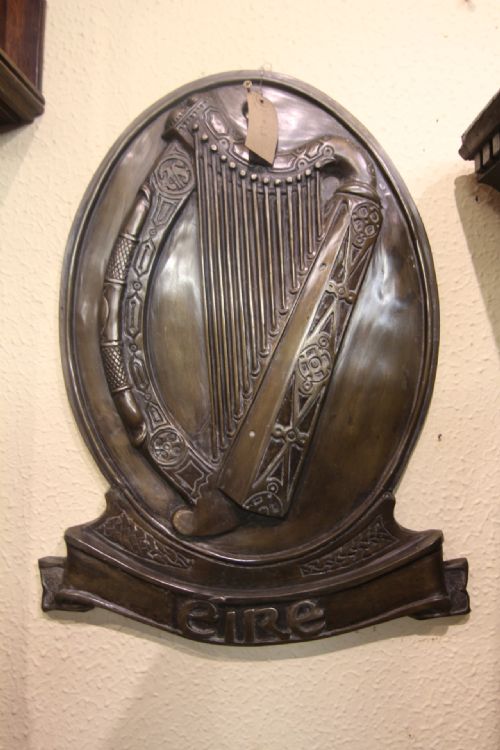
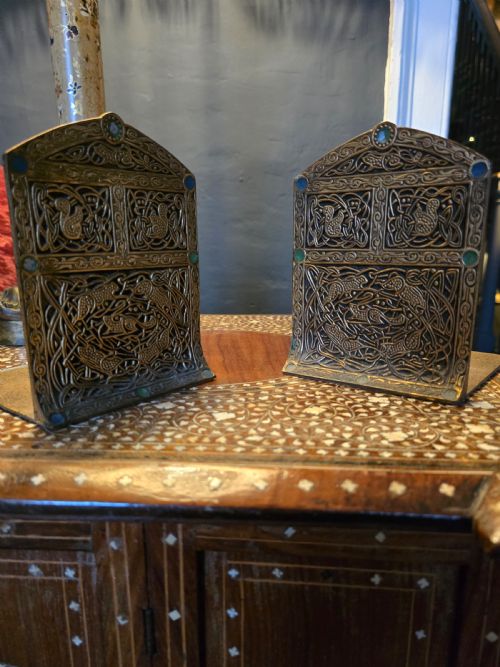
When searching for antique celtic revival, you encounter items rooted in Victorian, Edwardian, and later twentieth century workmanship. These pieces draw heavily on historical manuscript illumination and monumental stonework, translating ancient interlace and knotwork into domestic objects.
The selection ranges widely from small personal ornaments to substantial furniture. Brooches, inkstands, candlesticks, and carved oak tables dominate the available forms, reflecting a broad Victorian and Edwardian appetite for national and regional identity expressed through decorative metalwork and carved timber.
How they were made
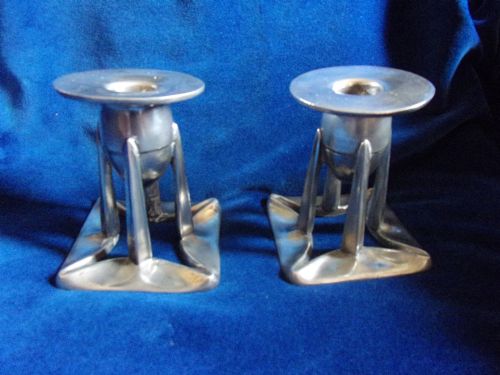
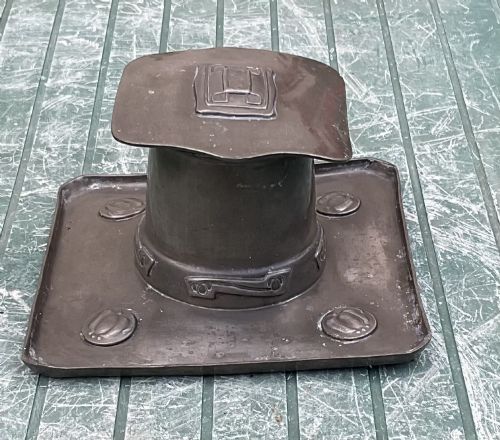
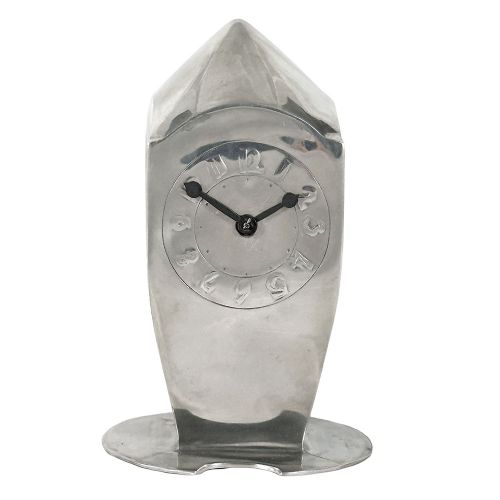
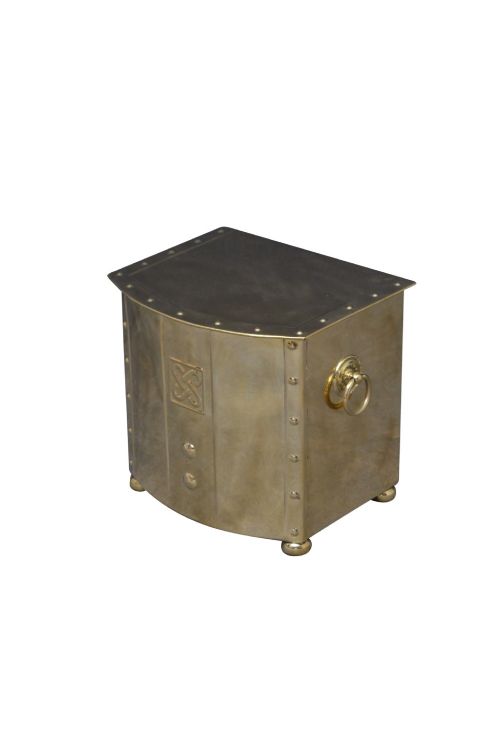
Makers utilised sterling silver, pewter, brass, and bronze alongside organic materials such as oak, bog oak, horn, and agate. Metalwork often combined cast elements with hand-chased detailing, while pewter production relied on specialised moulds developed during the Arts and Crafts movement.
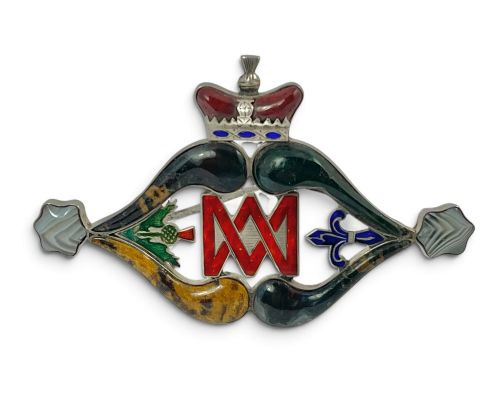
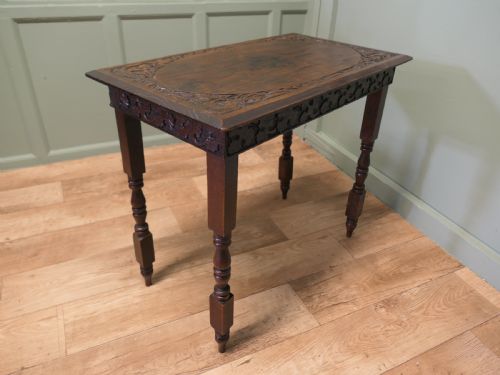
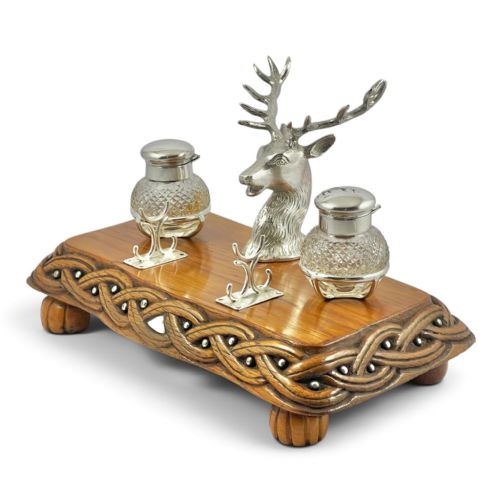
Timber items display intricate hand carving, translating flat manuscript motifs into three-dimensional relief on occasional tables, side tables, and inkstands. Enamel and semi-precious stones such as citrine and agate frequently provide colour accents within silver mounts.
Antique Celtic Revival Retail Price Guide 2026
Typical asking prices for celtic revival among the pieces listed under this phrase on Sellingantiques today, from the lower quarter to the upper quarter. They describe what is for sale here now, not the wider market.
An Irish hand-carved oak inkstand takes the literal form of an owl, watching over nineteenth-century correspondence with wooden vigilance.
What varies in quality
Distinction in these pieces lies in the crispness of the casting and the depth of the hand carving. Pieces designed by notable figures and produced by established firms display sharper interlace geometry and superior material weight compared to mass-produced commercial alternatives.
The integration of decorative stones and enamel also separates standard items from finer examples. Well-set agates and undamaged enamel work indicate a higher grade of original craftsmanship and better preservation over time.
Archibald Knox·Liberty & Co·Tiffany Studios New York·Gavin Morton
The Antique Celtic Revival Glossary
- Interlace
- A decorative element consisting of bands or strips woven into complex geometric patterns. This technique forms the primary visual foundation of celtic revival design.
- Tudric
- A trade name used by Liberty & Co for a brand of pewter ware. Many notable celtic revival pieces utilise this specific metal alloy.
- Quaich
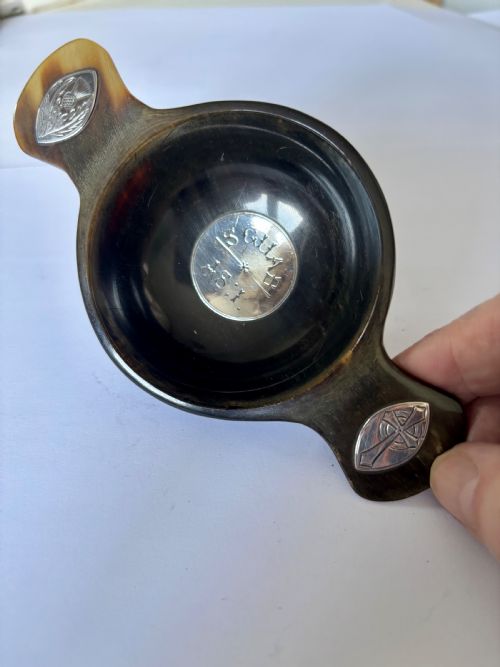
- A traditional Scottish two-handled drinking vessel. These objects frequently incorporate silver mounts and horn.
- Bog oak
- Dark fossilised timber harvested from bogs, commonly carved into Victorian brooches and small ornaments. It provides a dense, stable medium for detailed relief work.
- Mether
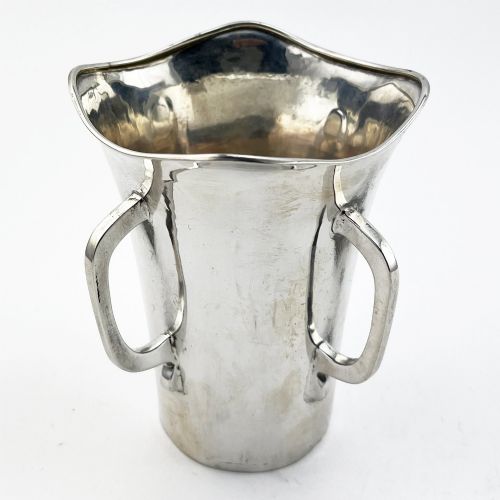
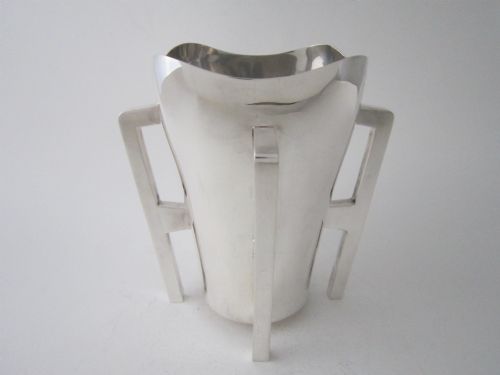
- A traditional Irish communal drinking vessel with multiple handles. Revival versions appear in sterling silver during the Edwardian period.
Antique Celtic Revival: Frequently Asked Questions
What periods do these pieces come from?
The available items span the Victorian era, the Edwardian period, and early twentieth century decades up to the 1930s. Most pieces originate from the late nineteenth century revival movements.
Design influences draw from much older Celtic art, but manufacturing dates reflect nineteenth and twentieth century production periods.
How were pewter items produced?
Pewter pieces from this era often utilised specialised alloy formulas cast in moulds and finished by hand. Designers created specific model numbers for production.
Firms such as Liberty & Co retailed these items alongside silver and copper domestic wares during the Arts and Crafts period.
What are Scottish revival pieces?
Scottish revival items incorporate regional materials like native agates, citrines, and polished horn. Brooches and kinsfolk ornaments often display distinct regional forms.
These items parallel Irish designs while utilising local stones and traditional vessel shapes like the quaich.
How do I care for antique silver and pewter?
Silver and pewter require gentle cleaning appropriate to their soft metal composition. Avoid harsh abrasive polishes that can wear away chased details or damage inlaid enamel.
Store wooden items and bog oak pieces away from direct heat sources to prevent timber shrinkage and cracking.