





Antique Cavaliers Art
Antique cavaliers art gathers portraits and historical scenes of seventeenth-century figures, offering collectors a direct link to the drama of the English Civil War era.
Antique Cavaliers Art
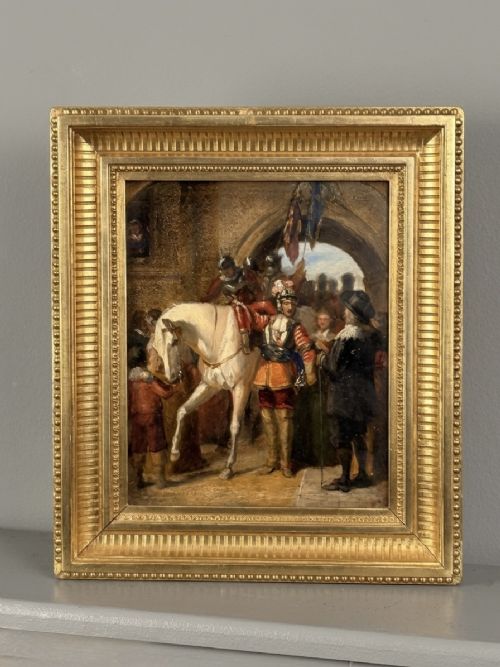
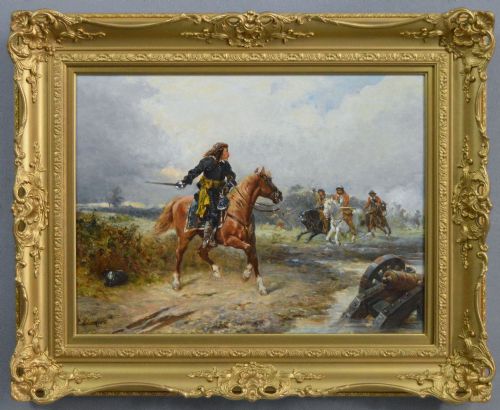
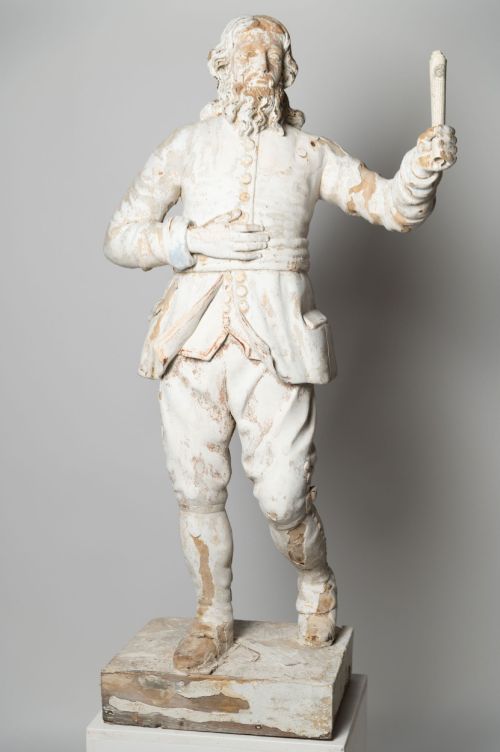
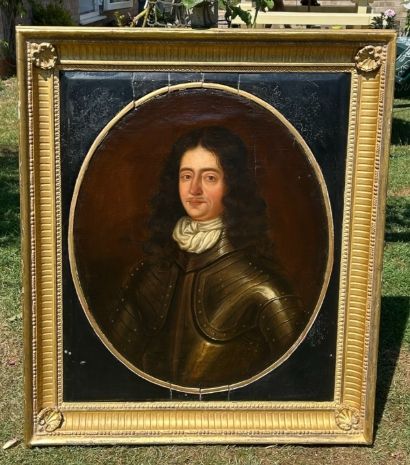
Antique cavaliers art encompasses oil paintings, watercolours, and relief plaques that depict the gentlemen soldiers, nobles, and domestic scenes associated with the seventeenth century. These works frequently draw on Victorian historical revivalism and Baroque styles, translating earlier conflicts into nineteenth-century artistic idioms. A buyer searching this phrase will most often encounter nineteenth-century oil paintings on canvas alongside works referencing Dutch Golden Age portraiture and Victorian sporting art.
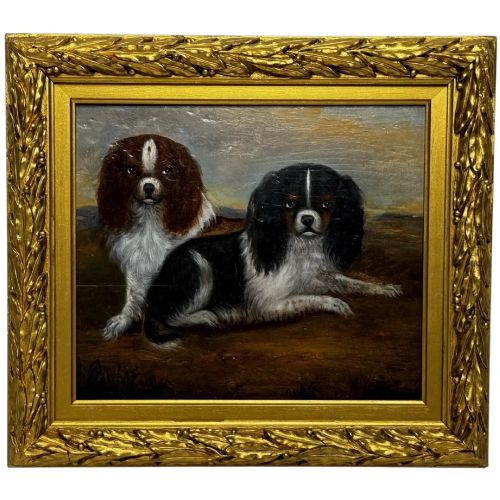
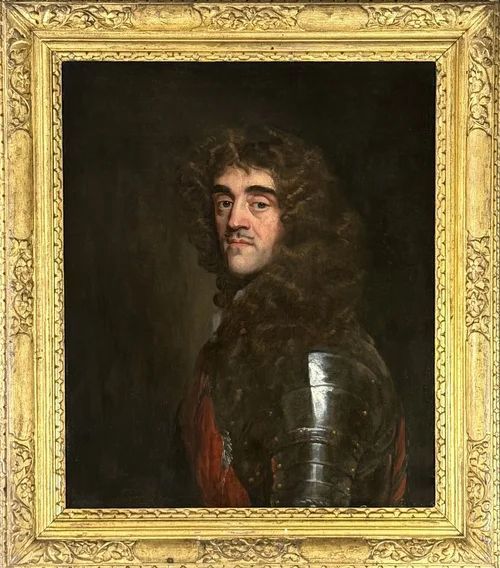
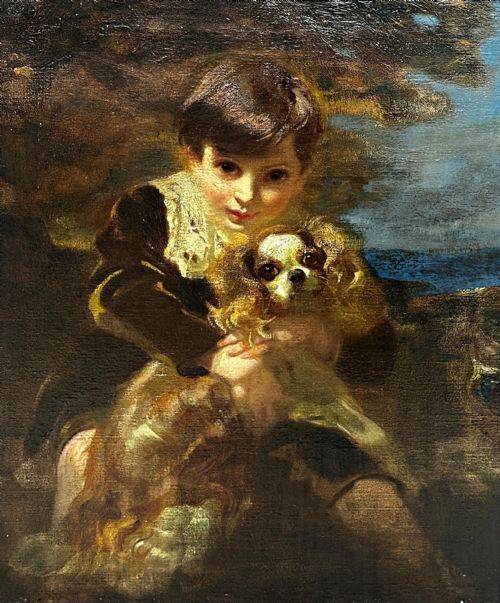
The subjects range from half-length portraits of armor-clad officers and gentlemen hunters to genre scenes involving soldiers outside fortresses or resting in long galleries. Works often integrate spaniels and domestic animals alongside their human subjects, reflecting both portraiture and sporting traditions. Period frames executed in giltwood, gesso, and gold leaf frequently accompany these canvases, completing the presentation.
Origins span provincial English schools, continental European workshops, and named Victorian military artists who looked back to the seventeenth century for inspiration. The diversity of formats includes framed artwork, wall plaques, and chrystoleum prints, providing multiple ways to incorporate historical narrative into a collection.
Materials and construction methods
Canvases stretched over wooden frames serve as the primary support for the oil paintings, while other pieces utilise paper for watercolours or white metal and gilded bronze for relief plaques. Artists applied oil paints to achieve deep tonal contrasts, particularly in rendering the rich fabrics, sashes, and armour worn by the subjects.
Frames are constructed from wood and embellished with gesso and gold leaf to create ornate giltwood borders that reflect nineteenth-century framing conventions. These traditional materials work together to preserve the historical atmosphere of the compositions.
Antique Cavaliers Art Retail Price Guide 2026
Typical asking prices for cavaliers art among the pieces listed under this phrase on Sellingantiques today, from the lower quarter to the upper quarter. They describe what is for sale here now, not the wider market.
Listings feature oil on canvas, watercolour, and giltwood from the seventeenth to the twentieth century.
Distinctions in quality and execution
The standard of draughtsmanship and the precision with which facial expressions and period garments are rendered set individual works apart. Superior pieces demonstrate confident brushwork and anatomical accuracy in human figures and animals, whereas lesser examples rely on formulaic compositions.
The integrity of the original canvas, the depth of the oil pigments, and the preservation of the accompanying giltwood and gesso frames strongly influence the overall standing of a piece.
John Greenhill·Robert Alexander Hillingford·Ernest Crofts·Frank Owen Salisbury·Adolphe-Alexandre Lesrel·George Cattermole
The Antique Cavaliers Art Glossary
- Cavalier
- A supporter of King Charles I during the English Civil War, characterised in art by long hair, lace collars, and plumed hats. This archetype became a popular subject for Victorian historical painters.
- Giltwood
- Wood carved and coated with gold leaf or a gold-coloured finish. It is frequently found on the ornate frames enclosing nineteenth-century historical paintings.
- Gesso
- A plaster-like mixture applied to wooden frames as a base for moulding and gilding. It allows for intricate decorative relief work around the edges of artworks.
- Chrystoleum
- A method of applying a hand-coloured print to glass and then making it translucent with oil or varnish. This technique was popular in the nineteenth century for producing affordable decorative images.
- Genre painting
- The pictorial representation of scenes from everyday life, often featuring figures in historical or domestic settings. These works focus on narrative rather than formal portraiture.
Antique Cavaliers Art: Frequently Asked Questions
What periods do these pieces represent?
The inventory spans works created from the seventeenth through the early twentieth centuries. Many pieces date from the Victorian era while depicting seventeenth-century subjects.
Artists of the nineteenth century frequently looked back to the English Civil War and Dutch Golden Age for their historical narratives.
How were these artworks framed originally?
Many oil paintings retain their period frames constructed from wood and finished with gesso and gold leaf. These ornate giltwood surrounds complement the historical nature of the canvases.
Original framing helps maintain the historical integrity of the piece.
Are all items oil paintings?
While oil on canvas forms the majority of the selection, the category also includes watercolours on paper and white metal relief plaques. Chrystoleum prints and framed drawings also appear among the offerings.
Each medium offers a distinct visual texture suited to historical portraiture and genre scenes.
Who are the typical subjects?
Subjects include armoured officers, noblemen, gentlemen hunters, and soldiers outside fortresses. Domestic animals such as spaniels frequently accompany the human figures in sporting and portrait works.
These characters reflect both military history and nineteenth-century romantic interpretations of the past.