



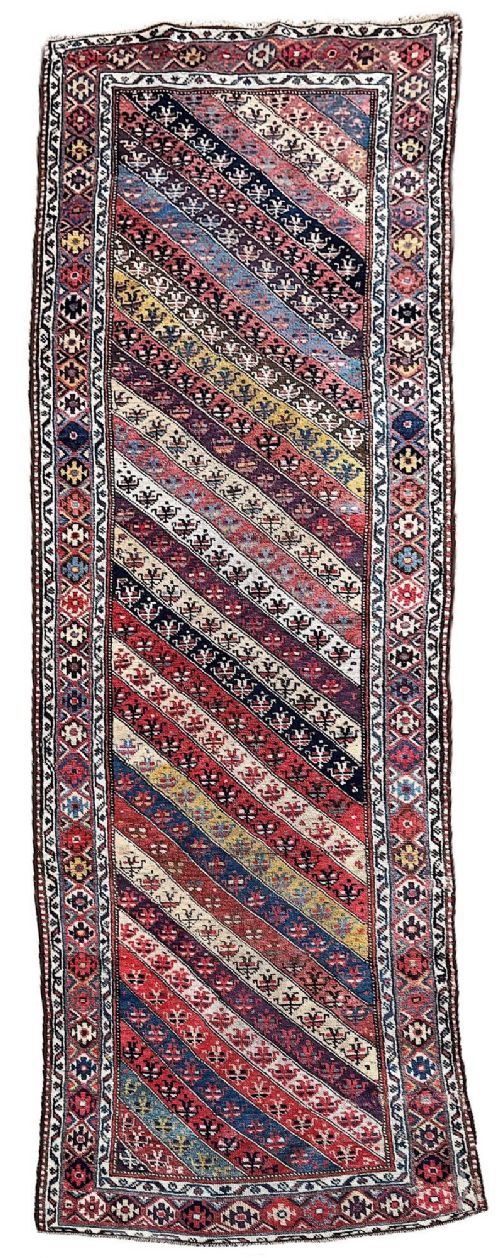
Antique Caucasian Weaving
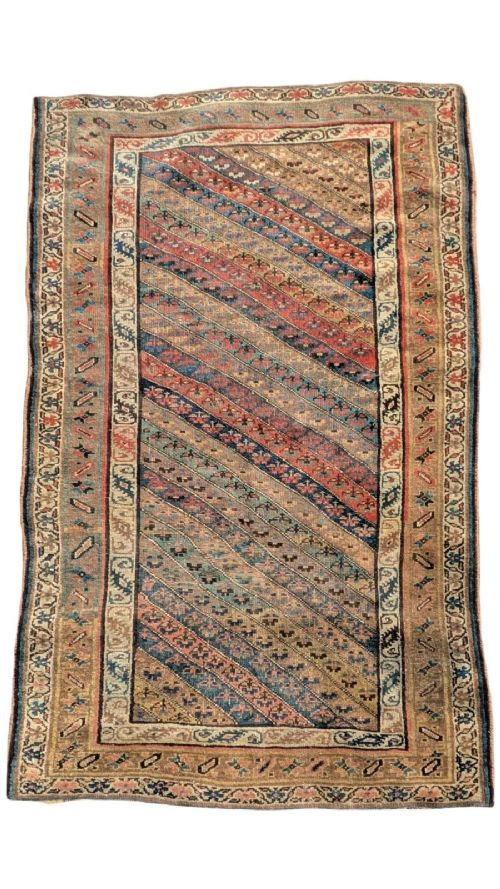
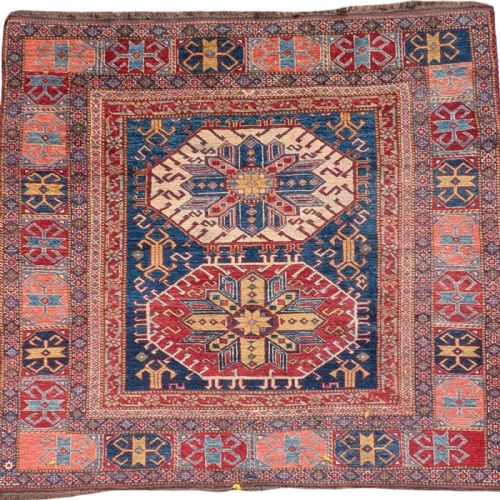
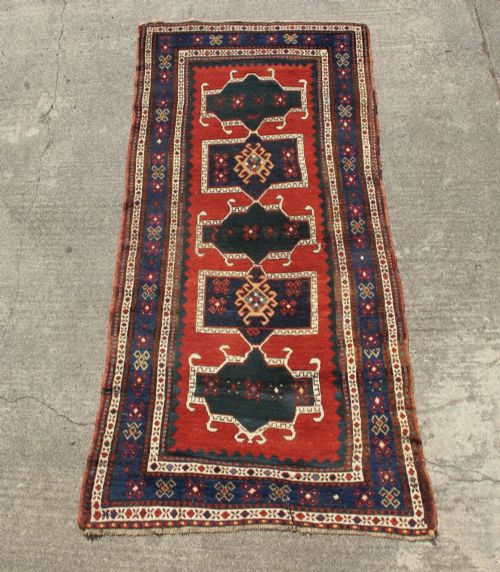
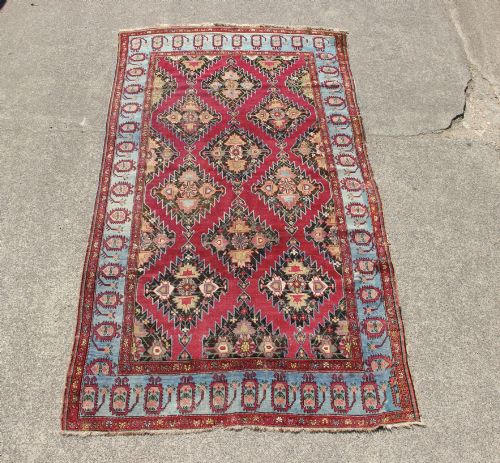
These antique caucasian weaving examples bring bold geometric motifs and rich natural dyes directly from nineteenth and early twentieth century looms into domestic interiors.
Antique Caucasian Weaving
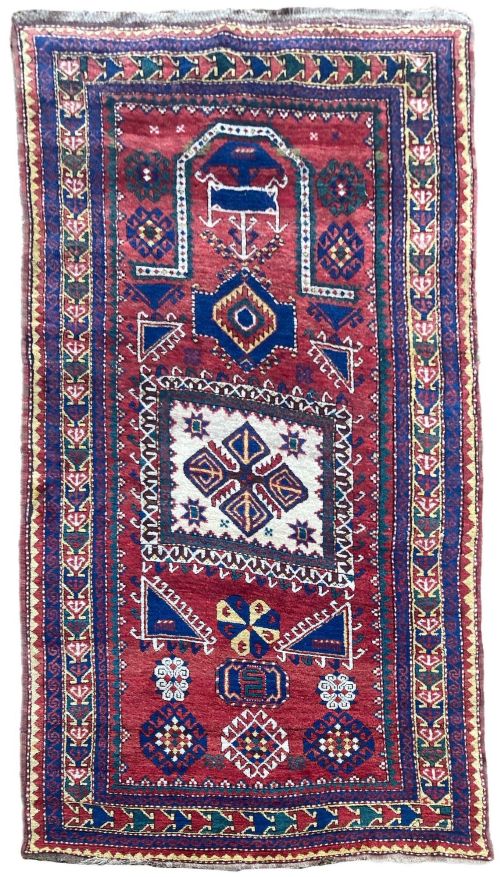
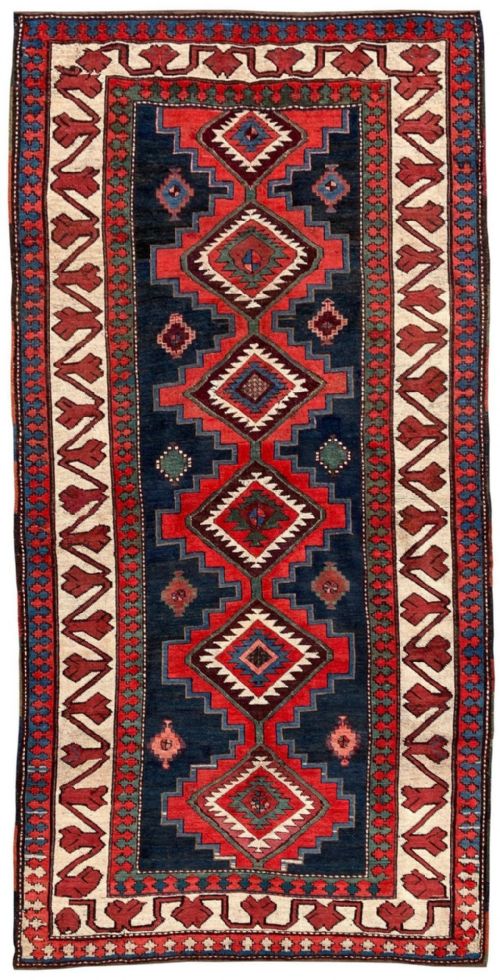
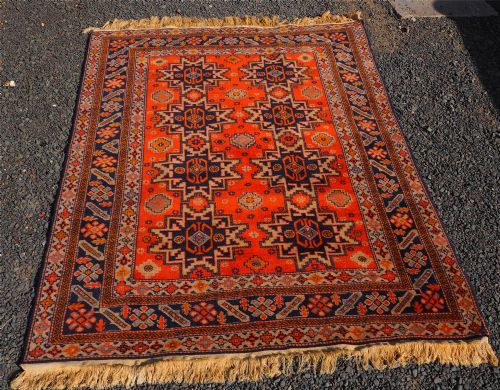
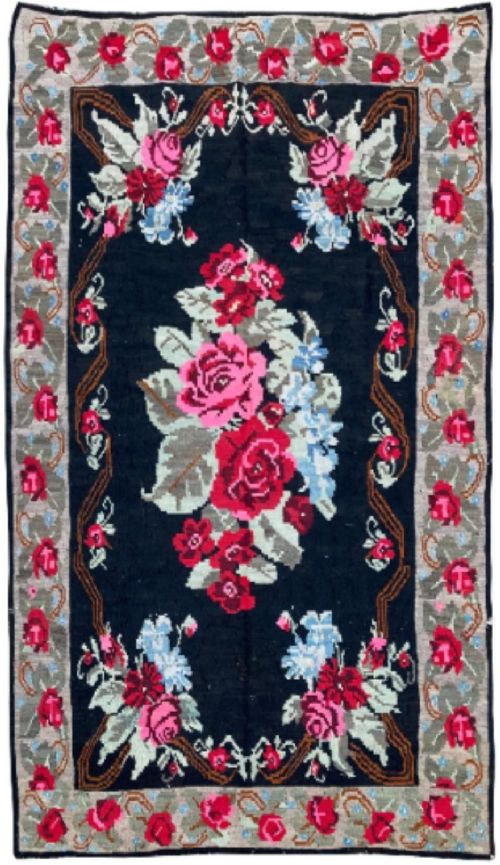
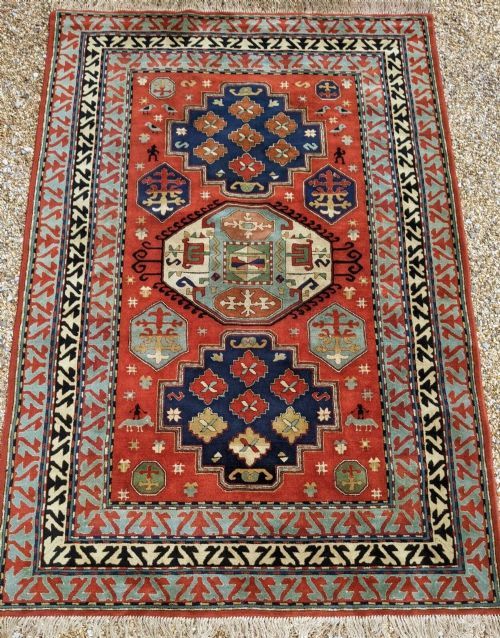
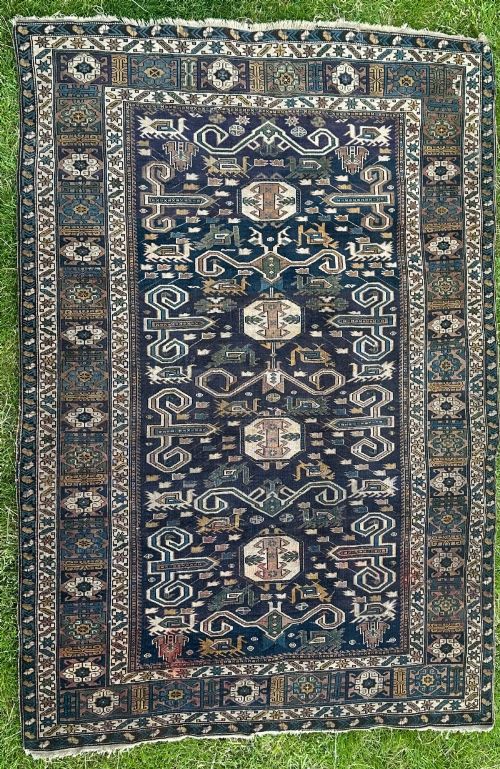
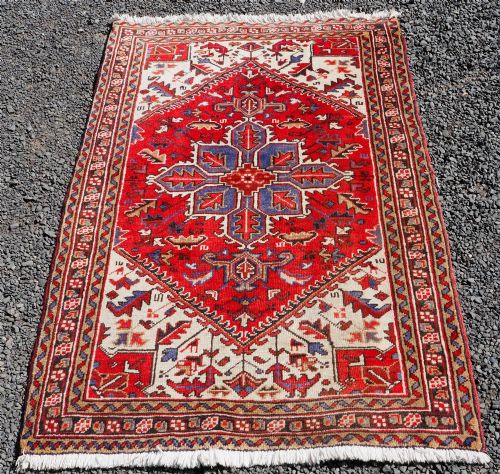
When you search for antique caucasian weaving, you encounter hand-knotted rugs, flat-weave kilims, prayer rugs, and nomadic bags originating from the Caucasus region and surrounding tribal areas. The pieces on this page span from the late nineteenth century through to the 1930s, displaying distinct regional designs such as Kazak, Karabagh, Shirvan, and Kuba. Most items take the form of floor rugs and runner rugs, alongside smaller utility items like saddle-bags and panels.
How they were made
The primary materials recorded in these listings are wool and cotton, with hand-spun wool forming the heavy foundation and pile of traditional carpets. Natural dyes provide the enduring palette, bonded to animal fibres through traditional mordanting techniques that allow colours to mellow gracefully over decades. Silk and wood also appear in specific textile contexts.
Weavers utilised hand-knotting and flat-weave or kilim techniques on upright looms, constructing durable structures designed for nomadic or village utility. The integration of hand-spun yarn yields natural irregularities in texture and colour saturation across the surface of each carpet.
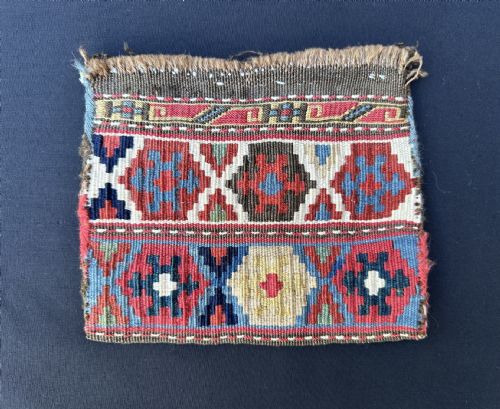
Several nomadic items retain their original miniature saddle-bag form, once packed across the flanks of Caucasus transport animals.
What varies in quality
The distinction between tiers rests upon the handled quality of the wool, the precision and complexity of the geometric drawing, and the vibrancy or depth of the natural dyes. Superior examples exhibit tightly packed foundations, resilient pile, and harmonious colour palettes that have matured evenly over time.
Weaving density and structural integrity dictate the longevity of the piece, separating standard village production from finer workshop or prayer rugs. The sophistication of regional motifs, such as Memling guls or specific tribal iconography, marks the upper tier of execution.
The Antique Caucasian Weaving Glossary
- Kilim
- A flat-woven carpet or rug produced without a pile by tightly interweaving warp and weft threads. These textiles often feature sharp geometric patterns and banded designs.
- Kazak
- A style of rug originating from the Caucasus region, traditionally recognised for bold primary colours and strong geometric medallions. They are hand-knotted by village and nomadic weavers.
- Prayer rug
- A small format rug featuring a mihrab or niche design used historically for directional prayer. These pieces typically display focused symbolic iconography.
- Sumac
- A flat-weaving technique involving extra-weft wrapping that creates a textured, durable surface resembling embroidery on the reverse. It appears frequently on nomadic bags and panels.
- Gul
- A medallion or repeating octagonal motif used extensively in tribal carpet design. Different regional tribes employed distinct gul patterns to signify identity.
Antique Caucasian Weaving: Frequently Asked Questions
What is antique caucasian weaving?
Antique caucasian weaving comprises hand-knotted rugs, flat-woven kilims, and nomadic textiles produced in the Caucasus region during the nineteenth and early twentieth centuries. These pieces utilise traditional wool, cotton, and natural dyes to create geometric and tribal patterns.
They serve primarily as decorative floor coverings, wall hangings, and functional bags created by diverse regional groups such as the Kazak, Shirvan, Karabagh, and Shahsevan.
How do I care for an antique rug?
Protect your antique textile by placing it in areas shielded from direct, prolonged sunlight to preserve the natural dyes. Regular gentle vacuuming without a rotating power brush helps remove grit from the wool pile.
Professional cleaning tailored to vintage hand-knotted wool rugs is recommended when necessary. Avoid excessive moisture and utilise a quality rug underlay to prevent sliding and reduce friction.
How can I tell different regional styles apart?
Regional styles are distinguished by their specific colour combinations, knotting structures, and geometric vocabulary. Kazak pieces typically feature bold primary colours and large medallions, while Shirvan rugs often display finer, more intricate geometric arrangements.
Examining the borders, fringe construction, and wool quality helps attribute a textile to specific production centres like Kuba, Karabagh, or Daghestan.
Were these rugs used daily?
Many of these textiles were created as utilitarian items for domestic life within village homes or nomadic encampments. They functioned as floor coverings, sleeping rugs, and pack-animals bags for transport.
Despite their practical origins, the skill invested in their natural dyeing and hand-knotting elevated them into valued cultural artefacts and tribal art.