




Antique Cattle Pastoral Scene
An antique cattle pastoral scene brings the quiet rhythm of nineteenth and early twentieth century rural life directly into a room.
Antique Cattle Pastoral Scene
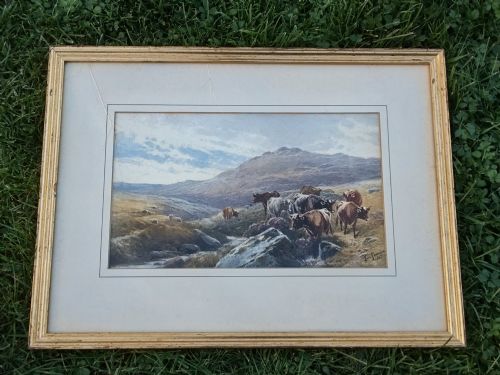
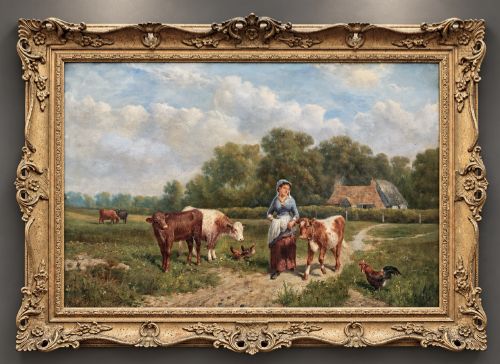
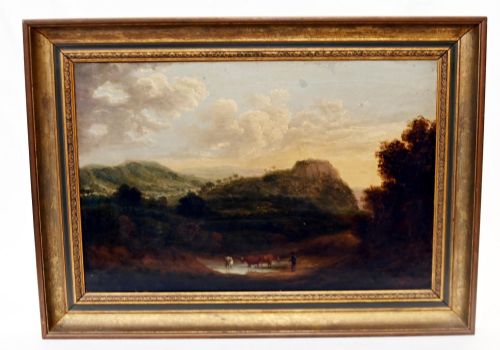
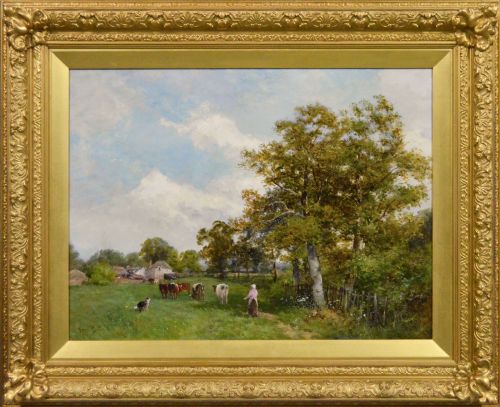
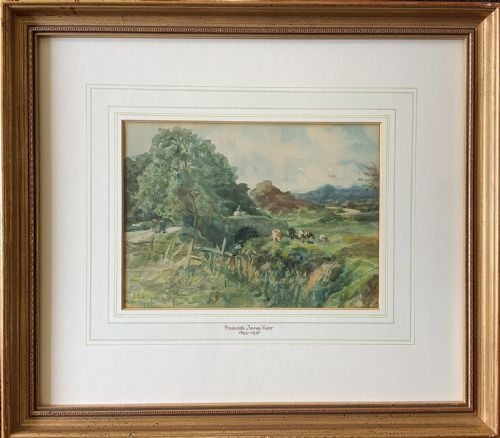
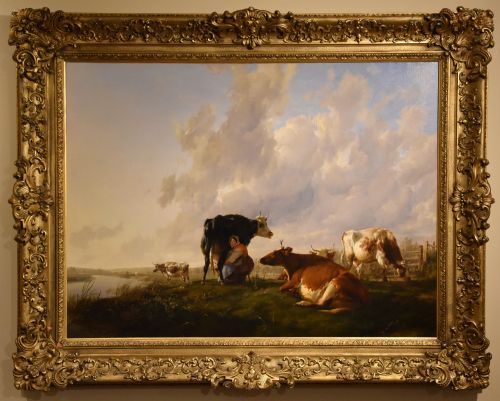
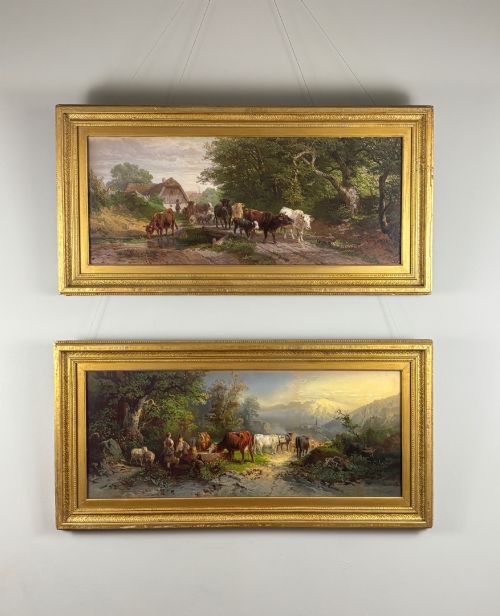
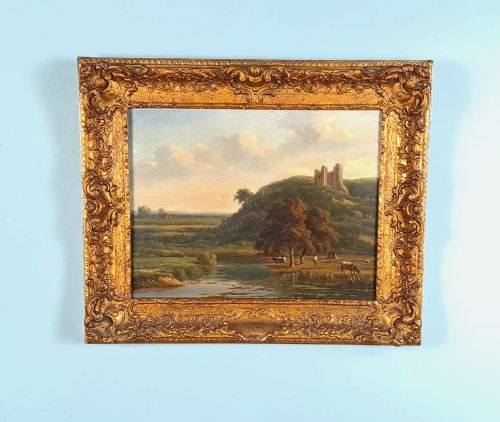
When searching for an antique cattle pastoral scene, a buyer examines framed works depicting cows, rivers, and agricultural landscapes. These pieces capture quiet rural moments, often showing animals grazing by streams, resting in woodland clearings, or gathering near farm buildings during milking time.
The versions met most frequently on this page span the Victorian and Edwardian periods, stretching from the early nineteenth century through to the interwar years. British and Irish artists dominate the selections, working in distinct regional landscapes from Welsh valleys and Scottish highlands to the pastures of Kent.
Mediums split primarily between traditional oil paintings on canvas or board and delicate watercolours or gouache works on paper. Many retain their original period frames, varying from moulded wood to ornate gilt settings that complement the rustic subject matter.
How these artworks were made
Painters relied principally on oil paint applied to stretched canvas or wooden panels, building rich textures for the landscape and smooth gradations for the cattle. Watercolours on paper offered a lighter touch, capturing atmospheric light in open countryside views.
Support materials included primed canvas, sturdy paper, and occasionally board, framed behind glass in watercolours or left unglazed in oils. Giltwood frames frequently employed gesso mouldings to create decorative borders suited to domestic interiors.
Antique Cattle Pastoral Scene Retail Price Guide 2026
Typical asking prices for cattle pastoral scene among the pieces listed under this phrase on Sellingantiques today, from the lower quarter to the upper quarter. They describe what is for sale here now, not the wider market.
Listings feature nineteenth and early twentieth century works executed in oil paint, watercolour, and gouache.
What varies in quality
Quality rests in the artist's ability to render the anatomy and posture of the livestock convincingly within a balanced landscape composition. Superior works display confident brushwork and a subtle handling of natural light, whereas lesser examples rely on stiff repetition and flat backgrounds.
The survival of the original frame and the clarity of the artist's signature or recorded provenance also elevate a piece. Works by established regional painters command attention through careful observation of weather, terrain, and daily rural toil.
Thomas Sidney Cooper·David Bates·Owen Bowen·Sidney Richard Percy·Henry Brittan Willis
The Antique Cattle Pastoral Scene Glossary
- Pastoral scene
- A work of art depicting rural life, typically featuring domestic animals, shepherds, or agricultural workers in a tranquil countryside setting. These compositions celebrate the perceived simplicity of farming landscapes.
- Oil on canvas
- Pigments suspended in a drying oil medium and applied to a woven fabric support stretched across a wooden frame. This technique allows for deep colour saturation and gradual blending.
- Gouache
- An opaque water-based medium that includes a binding agent and white pigment to create solid, matte areas of colour. It permits fine detail work on paper supports.
- Giltwood
- Wood that has been coated with a thin layer of gold leaf or gold paint, frequently used for decorative antique picture frames. It adds a warm metallic border to the artwork.
- Provenance
- The documented history of ownership and exhibition attached to a work of art. A clear lineage helps verify authenticity and authorship.
Antique Cattle Pastoral Scene: Frequently Asked Questions
What subjects appear in these pastoral scenes?
These works primarily depict cows and calves grazing near rivers, resting in woodland, or gathering for milking time. Figures of farmers, milkmaids, and herders often accompany the livestock.
Settings range from Welsh and Scottish highlands to southern English pastures and pastoral riverbanks.
How do I care for an antique oil painting?
Keep paintings away from direct sunlight, high humidity, and rapid temperature fluctuations to protect the canvas and paint layers. Dust gently with a dry, soft brush without applying pressure.
Avoid using water, chemical cleaners, or damp cloths on the painted surface or the frame.
Are watercolours framed differently from oils?
Watercolours and gouache works on paper require glazing with glass to protect the absorbent paper and water-soluble pigments from moisture and atmospheric damage. They are also typically mounted behind a paper mat.
Oil paintings on canvas or board remain unglazed so the textured paint surface breathes openly.
How can I identify the period of a painting?
Clues appear in the stretcher frames, canvas stamps, paper types, and the style of the artist's signature or inscription. Costume details on any human figures also provide reliable dating evidence.
Victorian and Edwardian works often bear framing styles and pigment mixtures characteristic of the nineteenth century.