



Antique Cast Mask
These antique cast mask pieces bring sculptural weight and historical depth to a room, ranging from classical ironwork to ritual bronzes.
Antique Cast Mask
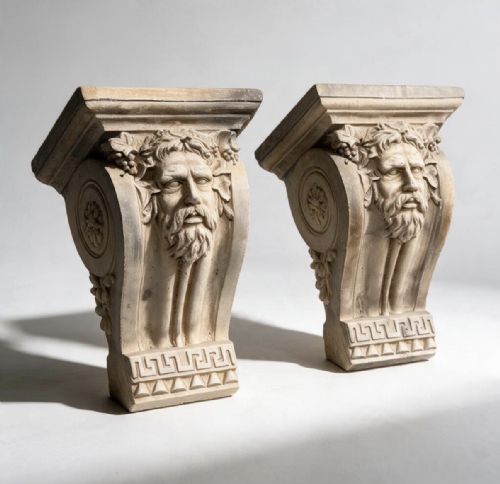
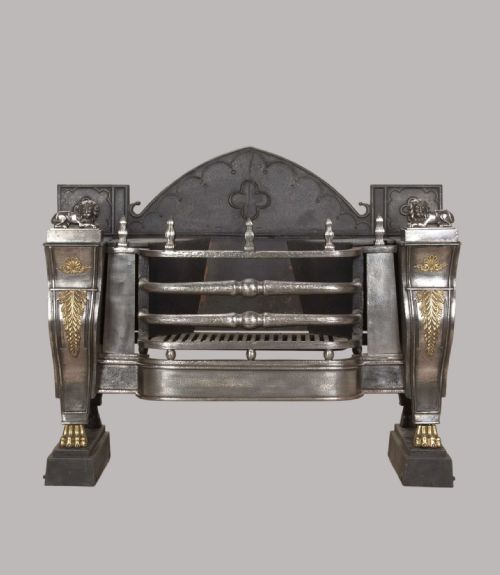
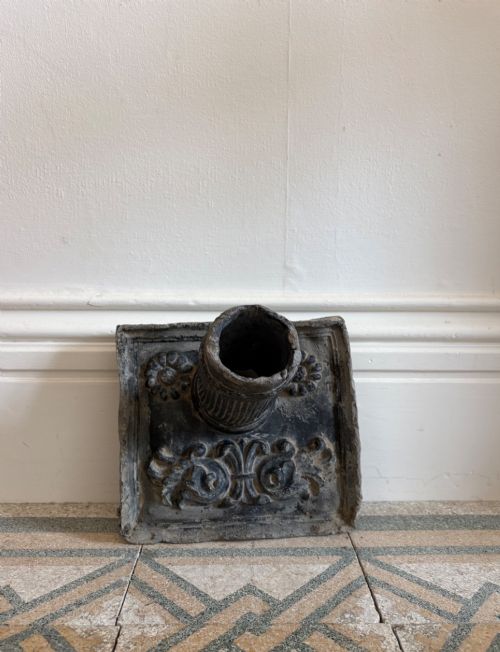
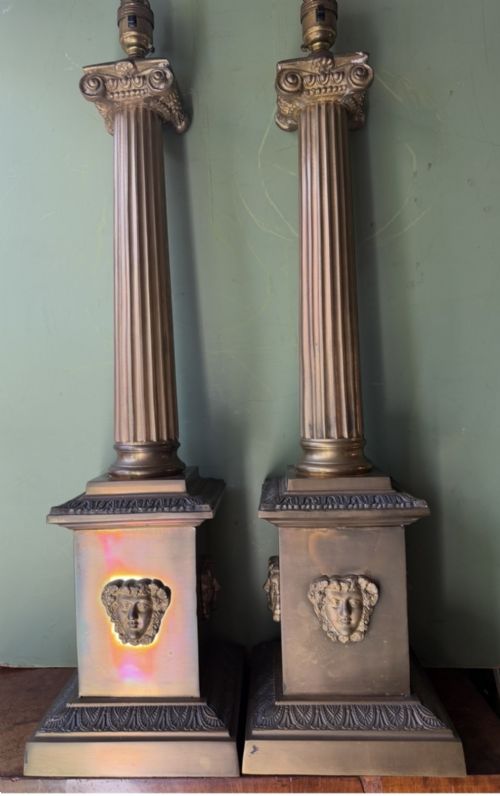
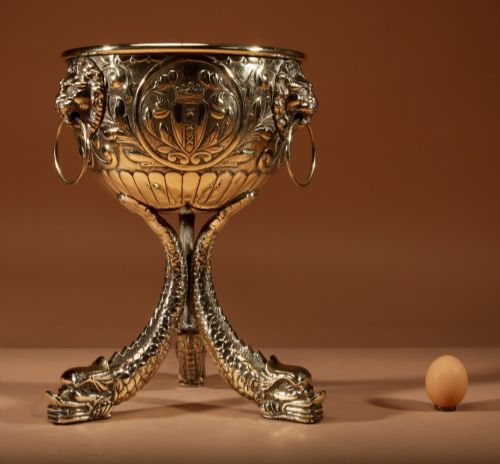
When you search for an antique cast mask, you encounter a diverse collection of metalwork and stone objects spanning multiple centuries and regions. The selection encompasses architectural elements, fireplace furniture, household vessels, and decorative mirrors incorporating sculptural faces.
You are most likely to meet 19th-century Victorian brass mirrors with mask crests, cast iron garden items featuring lion motifs, and heavy bronze censers from earlier dynasties. These objects combine utilitarian purpose with distinct cast ornamentation.
How they were made
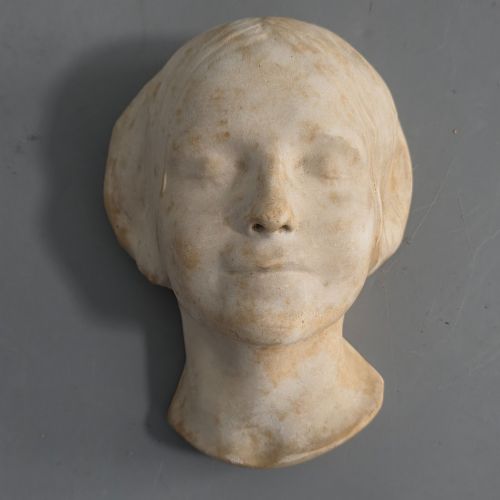
The objects in this category depend primarily on casting techniques in brass, bronze, and iron, utilising molten metal poured into moulds to capture intricate relief details. Artisans also worked with stone and alabaster, carving or shaping the material to produce death masks and architectural elements.
Many items combine cast components with wrought iron or applied mounts, joining separate elements through riveting or fitting. Metal pieces frequently exhibit surface finishes such as gilding splashes, embossed patterns, or polished highlights on dark patinas.
Antique Cast Mask Retail Price Guide 2026
Typical asking prices for cast mask among the pieces listed under this phrase on Sellingantiques today, from the lower quarter to the upper quarter. They describe what is for sale here now, not the wider market.
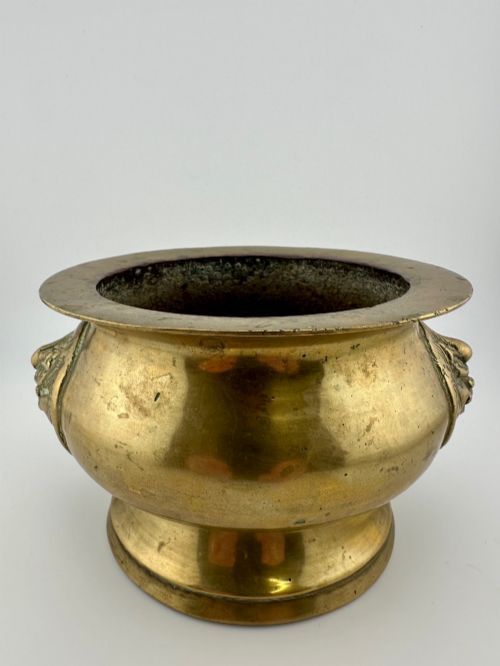
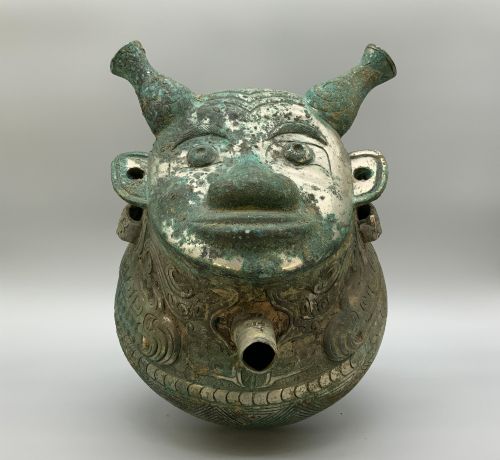
Several heavy censers incorporate mythical animal masks designed to ward off bad luck while holding fragrant incense.
What varies in quality
Material composition and surface patination further differentiate the pieces, as heavy, solid bronzes and well-preserved brass castings age with greater depth than lighter, simpler iron items. The precision of the assembly and the integrity of the original mountings also separate standard utilitarian goods from masterworks.
Wm. Tonks & Sons
The Antique Cast Mask Glossary
- Censer
- A vessel used for burning incense, frequently cast in bronze with intricate relief panels and mask handles.
- Andirons
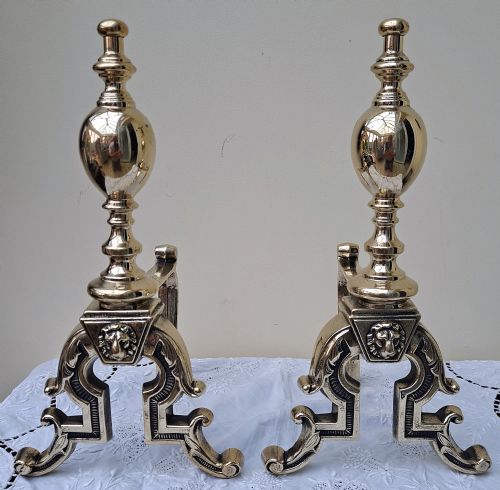
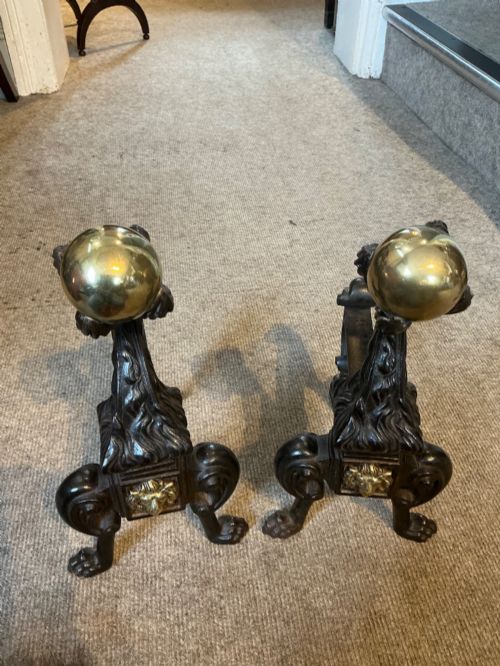
- Horizontal bars or supports raised on legs, placed in a fireplace to support logs, often finished with decorative cast brass or iron masks.
- Dinanderie
- Medieval and later European brass and bronze hollowware, encompassing embossed and cast domestic objects.
- Gu
- An ancient Chinese ritual bronze vessel type with an elongated neck and flared rim, sometimes utilised as a posy vase.
- Taotie
- A motif commonly found on ancient Chinese bronze vessels, representing a stylized zoomorphic mask.
Antique Cast Mask: Frequently Asked Questions
What is an antique cast mask?
An antique cast mask refers to sculptural facial motifs rendered through metal casting or stone carving, integrated into objects ranging from wall mirrors to garden furniture and ritual vessels.
These pieces combine functional utility with decorative ornamentation, drawing on classical, Victorian, or Eastern design traditions.
How were these metal objects used?
Many items served practical daily functions in period homes, such as holding logs in fireplaces, illuminating rooms as candlesticks, or securing curtains.
Others held ceremonial or decorative purposes, including incense burning in scholar's studios, displaying flowers, or framing mirrors on walls.
How do I care for cast brass and bronze?
Metal items require minimal intervention to preserve their historic surfaces, benefiting mainly from gentle dusting with a soft cloth.
Avoid harsh chemical cleaners or abrasive polishes that strip away the natural patina accumulated over centuries of handling and exposure.
How can I tell the period of a cast mask piece?
Dating relies on examining the casting technique, material composition, and stylistic conventions specific to the Victorian era, the Georgian period, or earlier dynasties.
Surface wear, tool marks, and the method of assembly provide further clues to the age and origin of the object.