

Antique Cast Doorstop
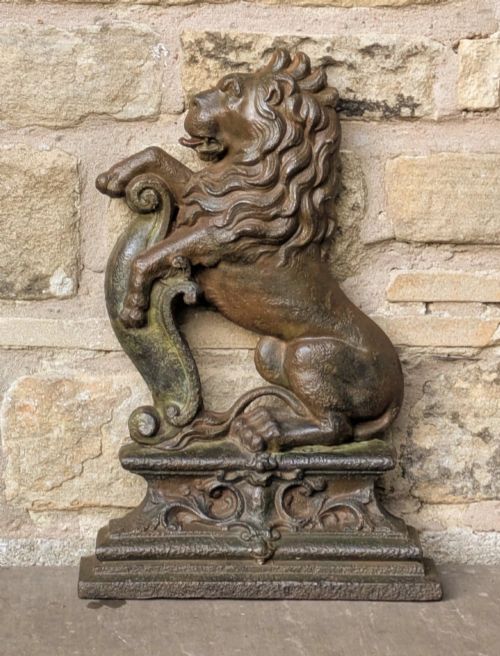
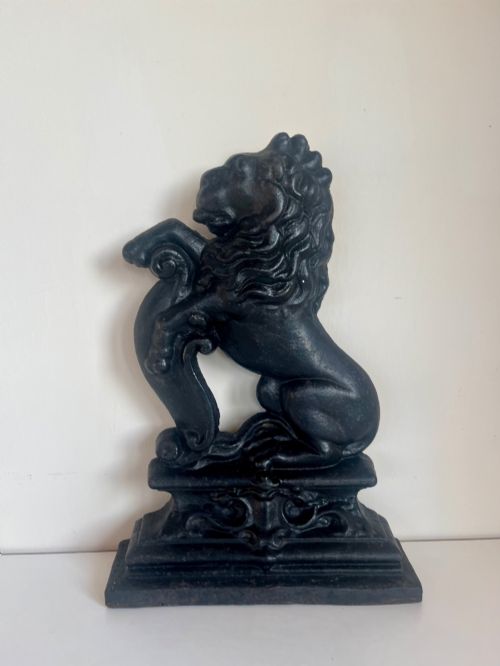
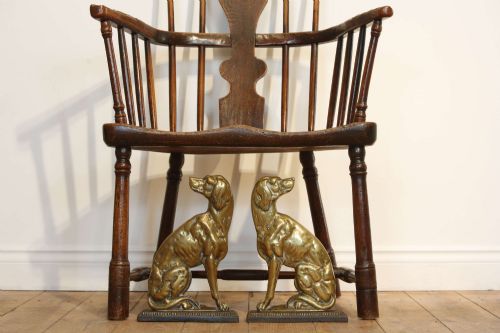
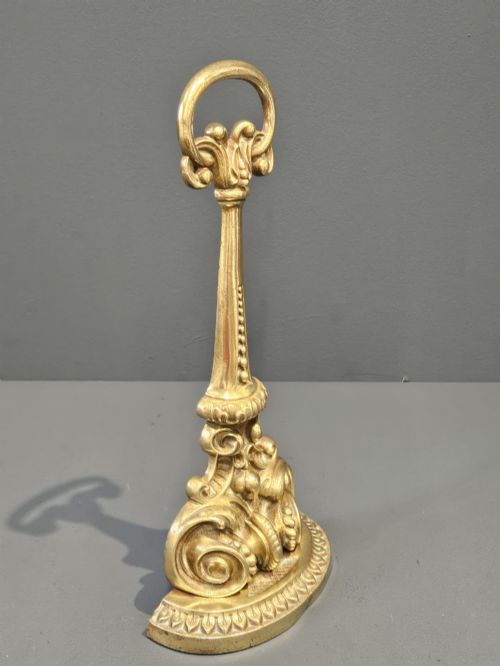
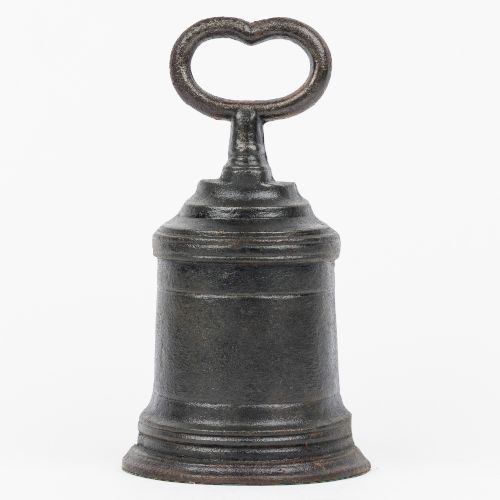
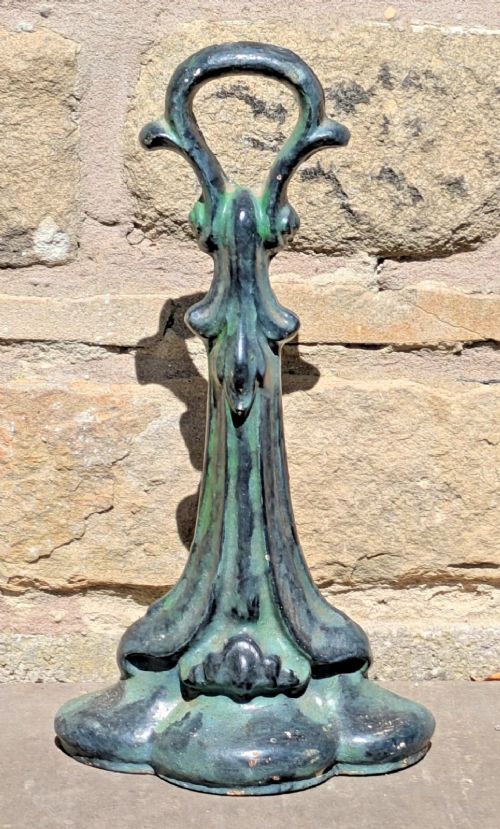
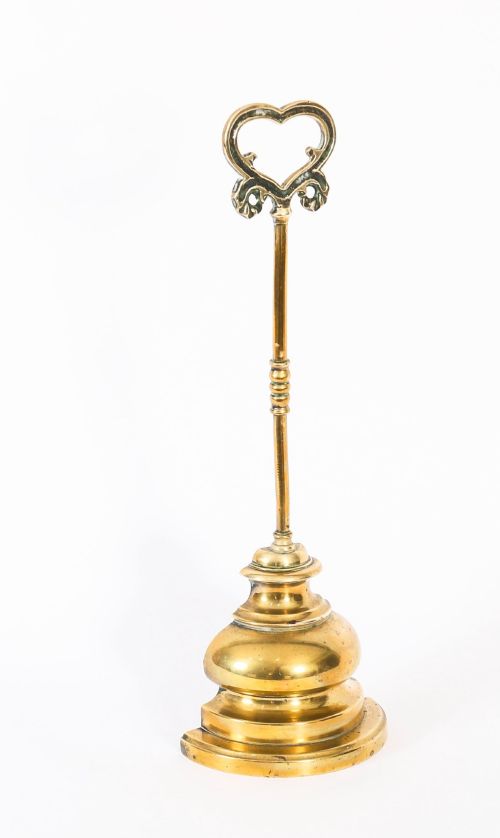
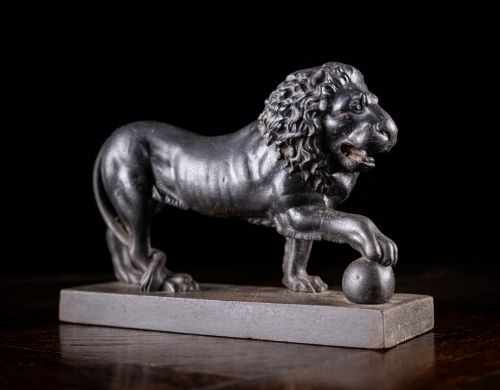
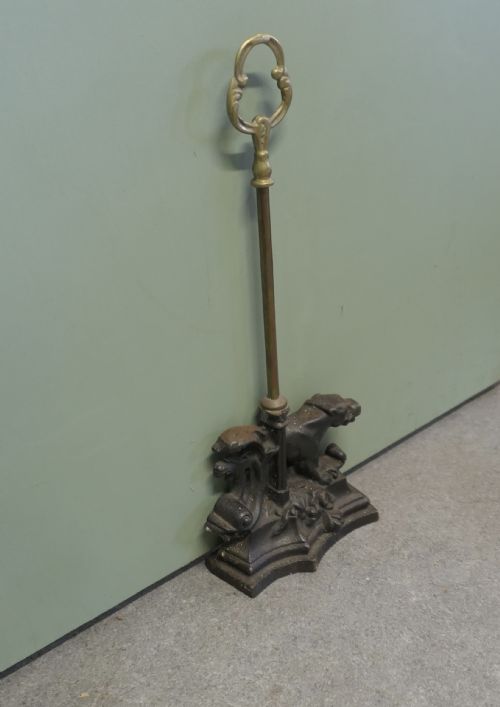
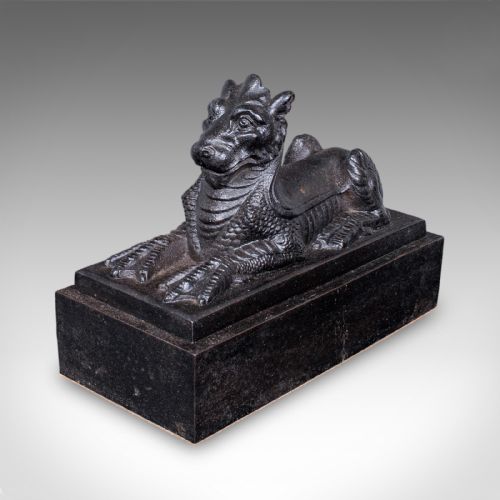
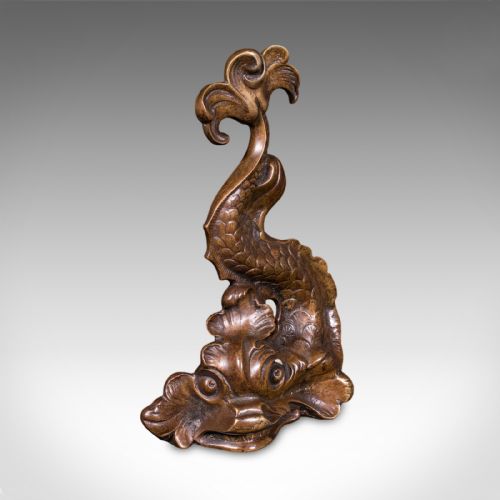
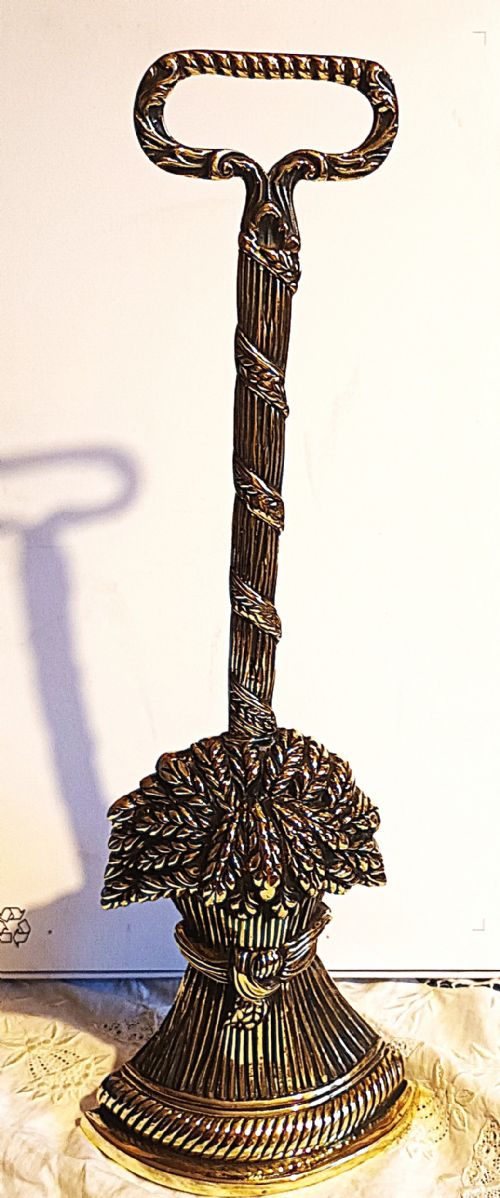
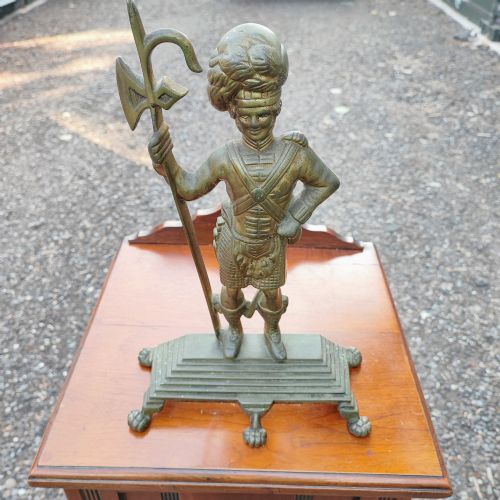
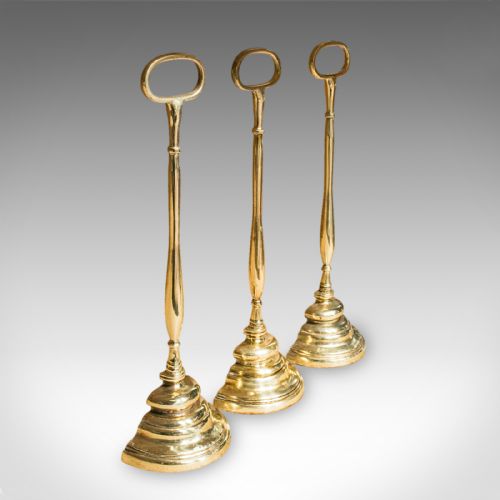
These heavy figures are authentic antique cast doorstop designs created to hold heavy doors open in draughty hallways.
Antique Cast Doorstop
The antique cast doorstop serves the practical purpose of holding interior doors open while bringing sculptural weight to a hallway. Examples span the Georgian, Regency, Victorian and Edwardian periods, appearing in forms ranging from heraldic lions to mythological dolphins and human figures.
Most pieces seen here belong to the Victorian era, executed in heavy metals to withstand daily household use. Collectors also encounter related items such as boot scrapers, paperweights and companion sets sharing the same foundry techniques.
Materials and foundry methods
Foundries utilised cast iron and brass as the primary metals for these objects, often pouring molten material into sand moulds to achieve crisp sculptural relief. Paint finishes and gilt bronze treatments were applied to enhance surface detail on figures like soldiers, animals and mythological beasts.
The weight required for the function dictated the thickness of the casting, resulting in robust pieces built to last centuries. Lead and iron elements frequently provided internal or base weighting to ensure stability behind heavy timber doors.
Antique Cast Doorstop Retail Price Guide 2026
Typical asking prices for cast doorstop among the pieces listed under this phrase on Sellingantiques today, from the lower quarter to the upper quarter. They describe what is for sale here now, not the wider market.
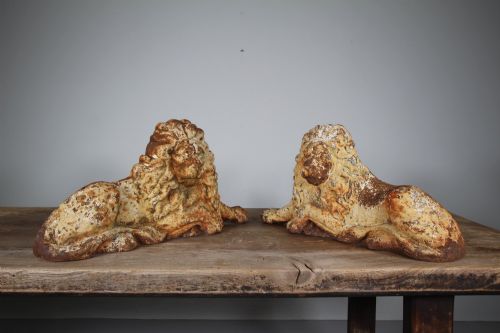
Foundries cast everything from fierce rampant lions and Egyptian sphinxes to Mr Punch and the Manchester Man.
Assessing execution and preservation
Surface preservation significantly influences the character of the object, particularly where original painted finishes or polished brass surfaces remain intact beneath accumulated patina. Heavy wear from prolonged functional use alters the visual balance between decorative appeal and utility.
Archibald Kenrick & Sons·Tonks·William Tonks
The Antique Cast Doorstop Glossary
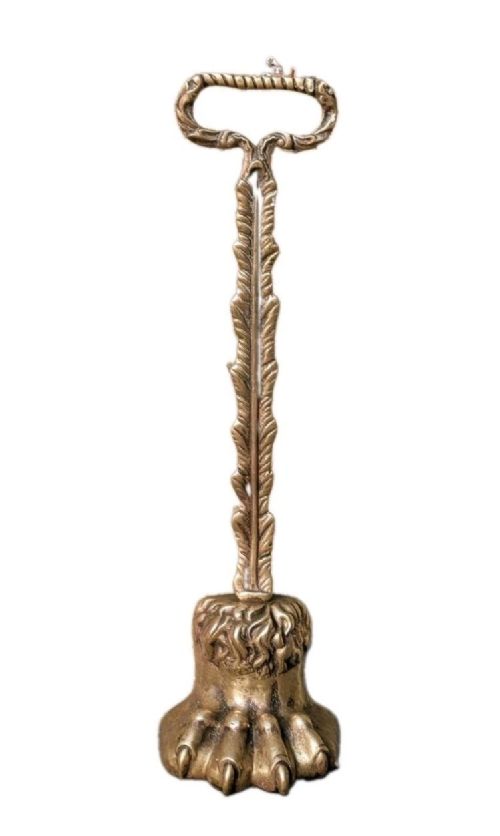
- Door porter
- An alternative term for a heavy doorstop designed with a carrying handle at the top. These pieces were lifted and moved about the house as needed.
- Foundry
- A workshop or factory where metal is melted and poured into moulds. Makers such as Archibald Kenrick and Sons operated large-scale operations for these goods.
- Patina
- The surface sheen and colour acquired by metal through age and handling. This natural layer distinguishes older surfaces from modern reproductions.
- Mitre
- A joint formed by framing members meeting at an angle, though less common in metalwork terms found here.
- Gilt bronze
- Bronze coated with a thin layer of gold or gold-coloured alloy. This finish provides a rich metallic lustre to decorative Regency and Victorian items.
Antique Cast Doorstop: Frequently Asked Questions
What is a door porter?
A door porter is simply another name for a heavy doorstop featuring an upright handle. This allowed servants to carry the heavy metal weight easily from room to room.
These items served a practical domestic role in large houses with draughty corridors and heavy wooden doors.
How heavy are these pieces?
Most examples weigh several kilograms to ensure they can hold heavy doors stationary against draughts. Cast iron and solid brass versions provide the necessary heft without requiring extra ballast.
Buyers should consider the weight when placing them on delicate flooring or historic tiles.
Are painted finishes original?
Many Victorian iron doorstops retain remnants of their original polychrome paint schemes. Over time, household repainting occurred frequently, creating layered surfaces that tell the history of the object.
Examinations under magnification often reveal the earliest pigment layers surviving within recessed crevices.
Where were they placed?
They sat directly on the floor against interior doors to prevent them from slamming shut in hallways and reception rooms. Their dual nature meant they acted as miniature sculptures when not actively propping a door.
Common placement included main entrance halls, libraries and principal drawing rooms.