




Antique Cased Compass
These antique cased compass instruments are precision navigational and scientific tools housed in protective boxes, offering a tangible link to historical exploration and surveying.
Antique Cased Compass
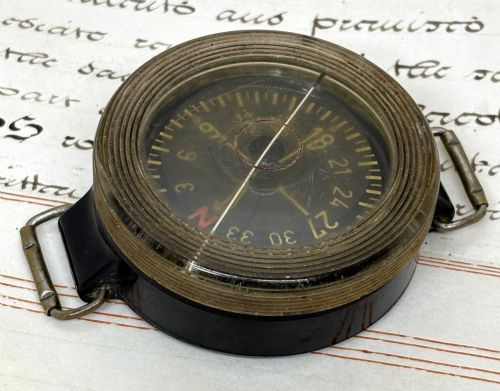
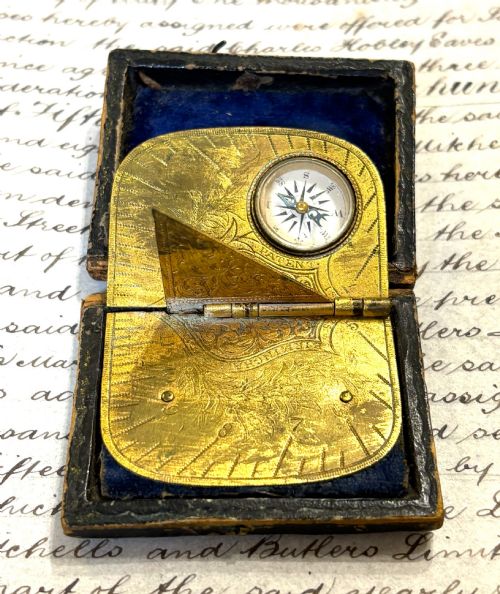
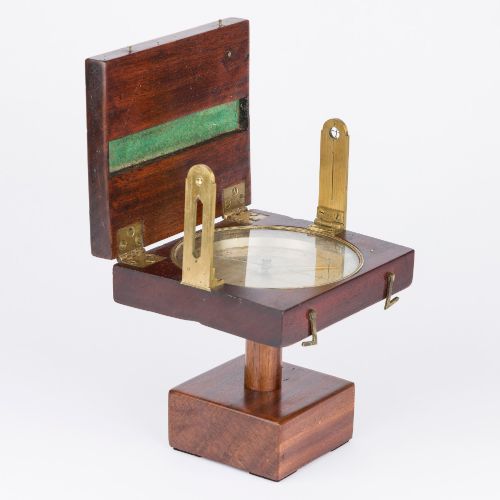
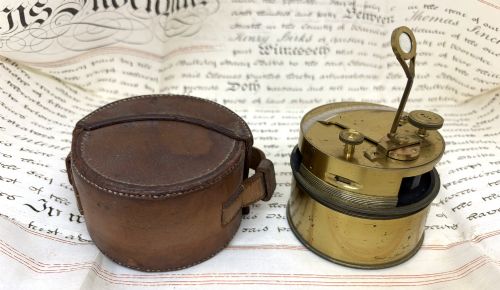
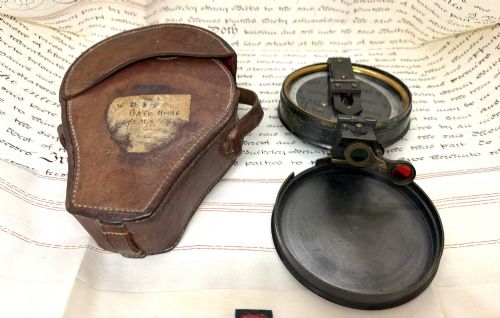
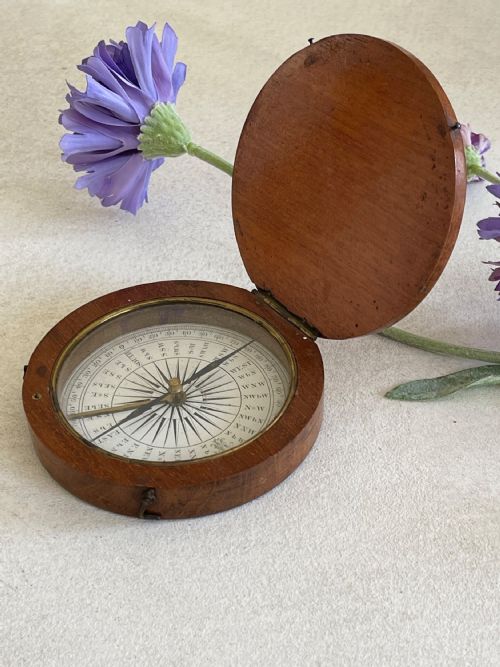
An antique cased compass is a portable directional instrument designed to be stored safely in a fitted box, usually made from mahogany, leather, or brass. When buyers search for an antique cased compass, they encounter varied forms spanning pocket compasses, surveyor instruments, and travelling sundials.
The pieces listed here originate from multiple eras, with Victorian, Edwardian, and Georgian examples forming the core of the selection. Alongside standard pocket directional tools, the inventory includes specialised scientific apparatus such as theodolites, galvanometers, and carriage clocks fitted with compasses.
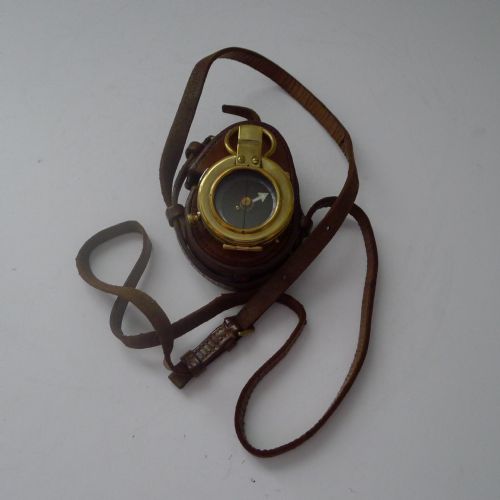
Origin and form dictate the exact utility of each piece, ranging from military service instruments like the WWI Verner's pattern to domestic desk accessories. Mahogany cases and brass fittings characterise the majority of these historical survivals.
Materials and construction
Makers constructed these instruments using solid brass for dials, bezels, and internal needles, ensuring durable and sensitive magnetic response. Glass protected the delicate dial faces from dust and accidental impact during transport.
Housing was paramount, leading to the use of turned mahogany or leather-covered wood for protective cases, often lined internally with velvet. Bakelite and acrylic appear in later 20th-century iterations, reflecting changing industrial capabilities.
Antique Cased Compass Retail Price Guide 2026
Typical asking prices for cased compass among the pieces listed under this phrase on Sellingantiques today, from the lower quarter to the upper quarter. They describe what is for sale here now, not the wider market.
The listings show compasses integrated with multiple scientific functions, including travelling sundials, thermometers, and carriage clocks.
Factors determining quality
The reputation of the maker heavily influences the standing of an instrument, with signed works by known scientific instrument manufacturers commanding closer attention. Precision engraving on dials and fluid movement of needles demonstrate superior workshop execution.
The integrity and preservation of the original fitted case, whether mahogany or leather with intact velvet lining, contribute significantly to the overall completeness of the object. Finer pieces retain secondary components such as original levelling feet, sundial gnomons, or matching travelling outer boxes.
French Ltd·G. Davis of Leeds·P. Orr, Madras·Baker, London·Alfred Apps·Stanley, London·John Newman
The Antique Cased Compass Glossary
- Prismatic compass
- A directional instrument incorporating a prism that allows the user to take a bearing and read the dial simultaneously. This design became standard for military and survey work.
- Theodolite
- A precision optical instrument used for measuring angles in horizontal and vertical planes. It frequently includes a built-in compass for orientation.
- Galvanometer
- An electromechanical instrument used for detecting and measuring small electric currents. Certain portable scientific cased sets included these alongside magnetic indicators.
- Gnomon
- The projecting piece of a sundial that casts the shadow. In folding compass sundials, this component often pivots flat for storage.
- Inclinometer
- An instrument used for measuring angles of slope or tilt relative to gravity. These are occasionally integrated into desk compasses to measure magnetic dip.
Antique Cased Compass: Frequently Asked Questions
How do I date an antique compass?
Dating relies on stylistic markers of the case, the typography of the dial lettering, and any maker signatures recorded on the brass face. Surviving patent dates or military pattern designations also provide clear chronological anchors.
Materials shift across decades, moving from heavy mahogany boxes and hand-engraved brass in the Georgian and Victorian eras towards industrial bakelite and lighter metals by the mid-20th century.
Are these compasses still accurate?
While many retain functional magnetic needles that point toward magnetic north, their primary appeal lies in historical and mechanical interest rather than modern navigation. Local metal components and age can affect the true reading.
Internal jewelled bearings and balancing weights were calibrated for historical use, meaning modern magnetic declination and wear should be considered if testing functionality.
What is a Butterfield type compass?
A Butterfield type is a small, usually pocket-sized folding sundial featuring a bird-shaped gnomon and an octagonal brass plate. It combines a horizontal dial with an integrated magnetic compass.
This design allows the user to adjust the gnomon for specific latitudes, making it a versatile travelling scientific instrument popular in the 18th and 19th centuries.
How should I clean a brass compass?
Maintenance should be limited to gentle dusting with a soft, dry cloth to preserve the natural aged patina on the brass and wood. Aggressive polishing removes historical surface character and can damage delicate engravings.
Cases benefit from occasional micro-wax application on the exterior wood or leather, avoiding any moisture contact with the interior paper dials or glass faces.