

Antique Carving Model
An antique carving model captures the human impulse to scale down the world into wood, marble, and metal.
Antique Carving Model
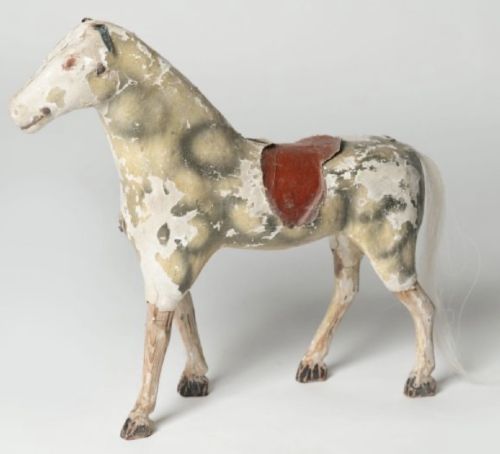
An antique carving model encompasses a diverse array of sculptural objects, architectural studies, and maritime representations produced primarily across the nineteenth and early twentieth centuries. These pieces range from folk art transport and naval half-hulls to grand tour architectural studies and articulated human figures used in studios.
Buyers will frequently encounter nineteenth-century maritime works such as pond yachts and ship dioramas alongside Grand Tour marble antiquities and carved wooden folk art figures. The selection reflects both domestic cottage industries and specialised studio craftsmanship spanning the Victorian and Edwardian eras.
Originating from varied European and British workshops, these objects served practical purposes as artist aids, salesman samples, or commemorative travel pieces before entering the collector market. Their enduring appeal lies in the directness of their making and the tactile quality of their materials.
How They Were Made
Carvers shaped these models using traditional hand tools on native and exotic woods such as pine, sycamore, and rosewood, often finishing surfaces with oil paint, gesso, or simple wax. Maritime and folk pieces frequently combine turned wood with canvas, metal rigging, or painted details to describe hulls and rigging.
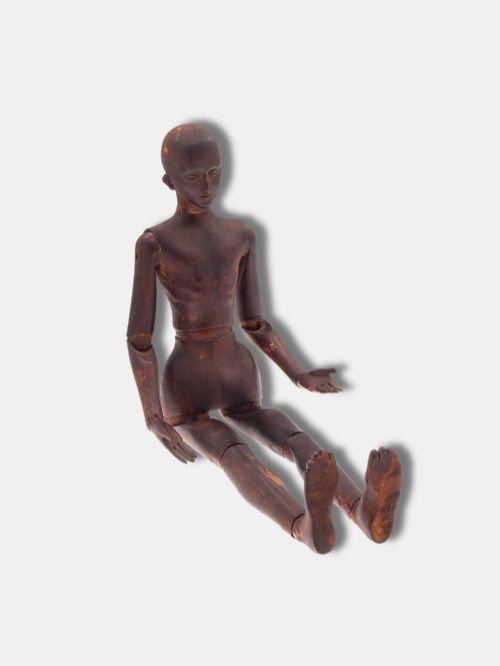
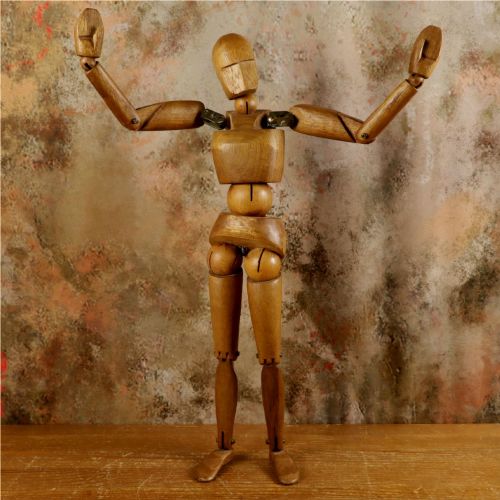
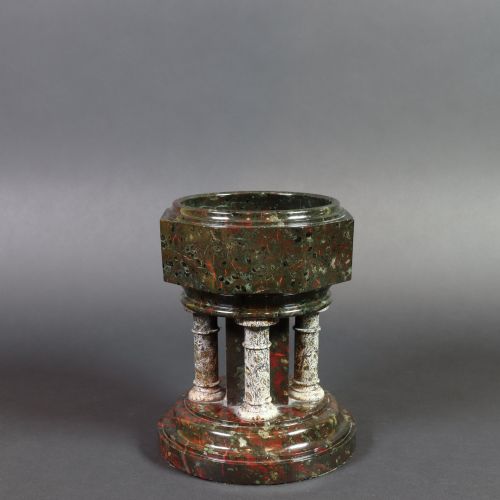
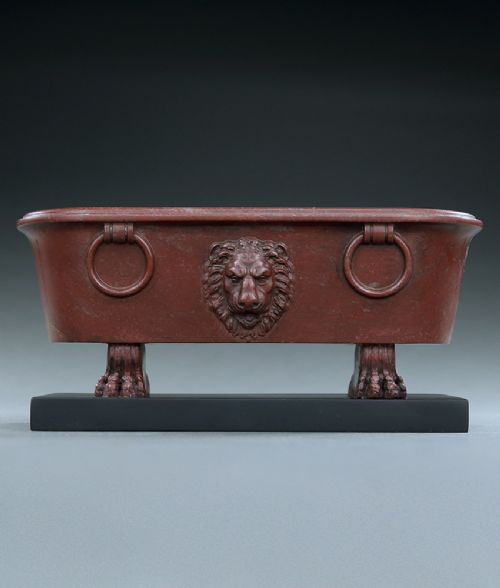
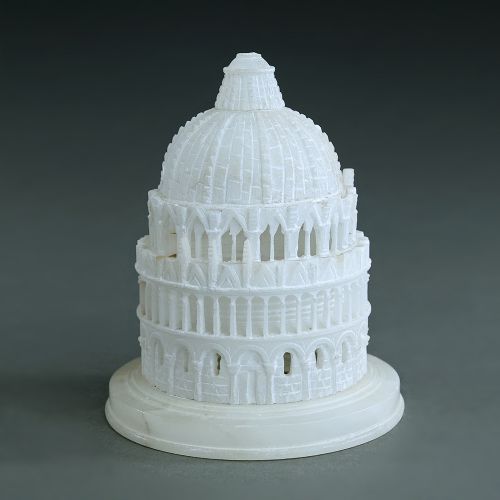
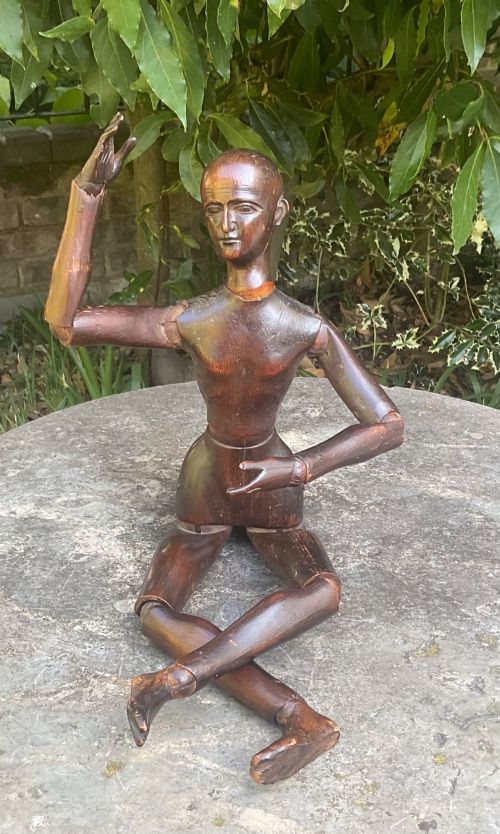
Grand Tour pieces demonstrate the use of dense geological specimens like Siena marble, alabaster, and Marmo Rosso, shaped through sawing, turning, and hand-polishing to emulate classical ruins and sculpture. Articulated artist models utilise internal peg and wire joints within carved wooden limbs to achieve realistic movement.
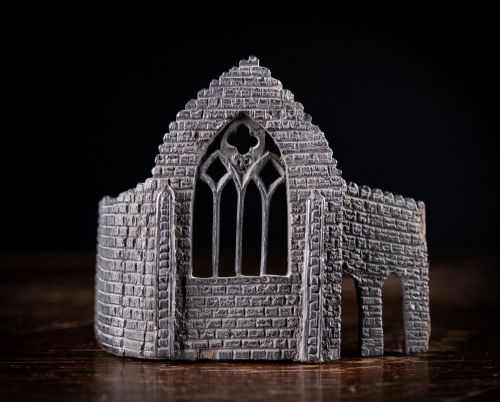
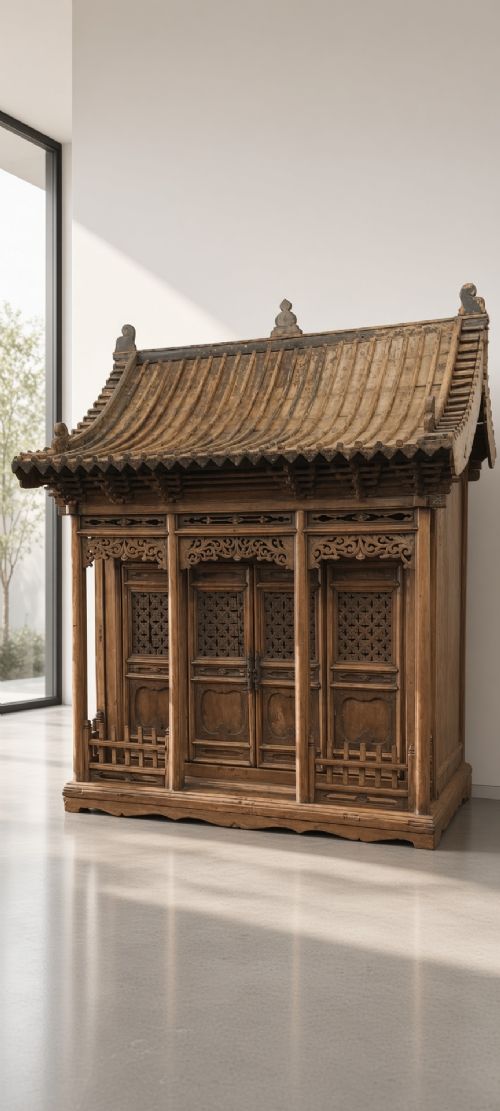
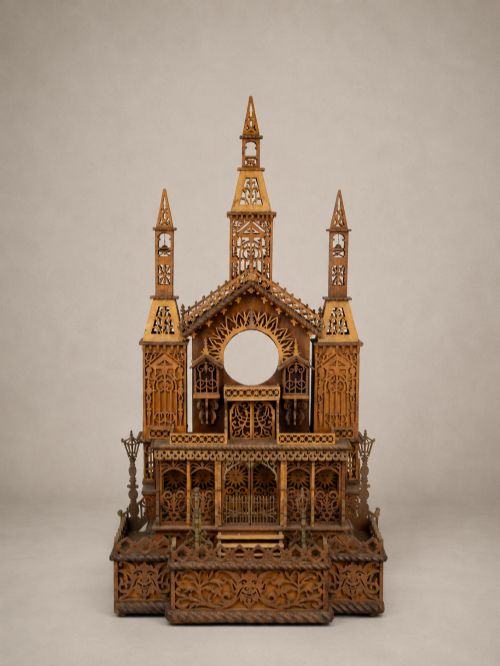
Miniatures and architectural examples employ fine joinery and fretwork alongside carved slate or cork, showing how makers translated large structures into cabinet scale. Every surface bears the tool marks of its maker, distinguishing hand-carved objects from later mass-produced items.
Antique Carving Model Retail Price Guide 2026
Typical asking prices for carving model among the pieces listed under this phrase on Sellingantiques today, from the lower quarter to the upper quarter. They describe what is for sale here now, not the wider market.
The inventory spans artist lay figures, pond yachts, architectural models, and cased maritime dioramas.
What Varies in Quality
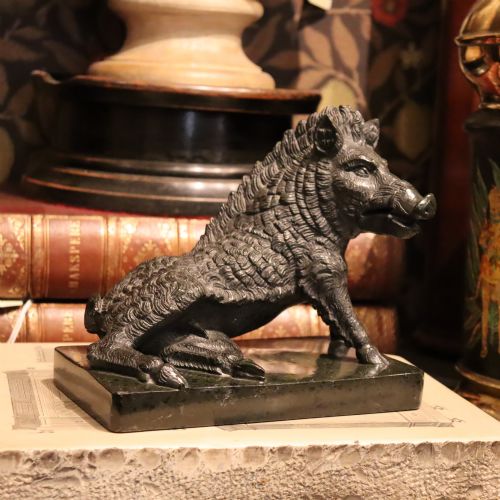
Quality rests upon the fidelity of proportion and the confidence of the maker's hand, particularly in anatomical forms and architectural reductions. A superior artist lay figure or animal carving exhibits precise articulation and convincing muscular tension rather than stiff or generic shaping.
The choice of material dictates a piece's standing, with fine-grained marbles, well-seasoned hardwoods, and detailed maritime rigging distinguishing ambitious workshop pieces from naive domestic items. Surface preservation also plays a role, where untouched original paint and patinated wax finishes retain historical integrity.
The ambition of the subject matter separates standard production from exceptional examples, such as fully scratch-built transport models or complex cased dioramas with multiple vessels. Finer models demonstrate careful attention to interior detail, lettering, and structural hardware.
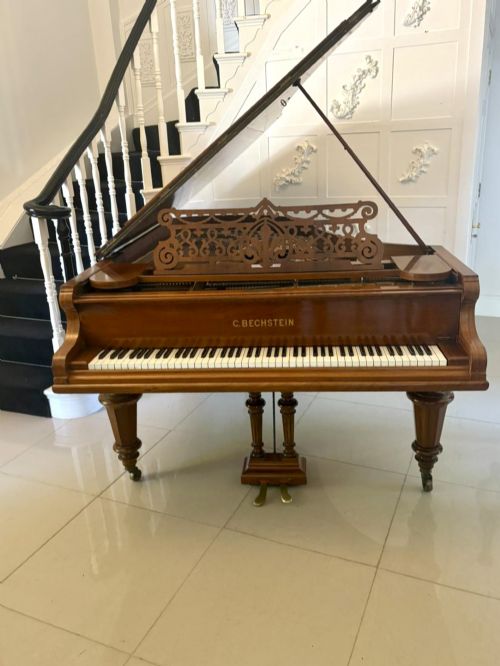
W Grey & Co·C Bechstein·Fischel
The Antique Carving Model Glossary
- Artist lay figure
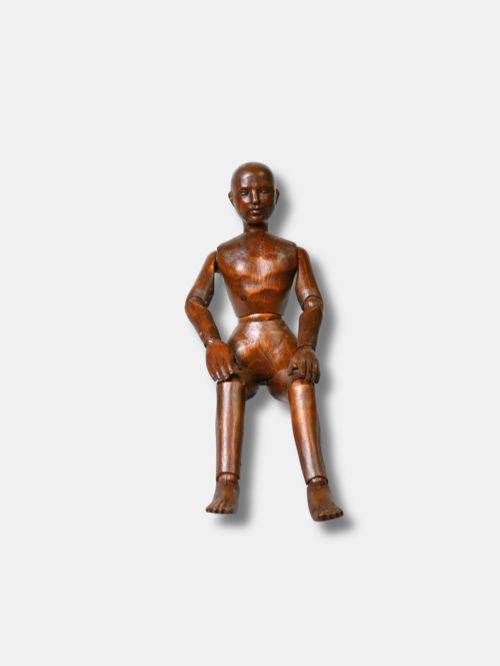
- A jointed wooden mannequin utilised by painters and sculptors to study drapery and human form. These figures feature pegged joints allowing movement at the limbs and torso.
- Half hull model
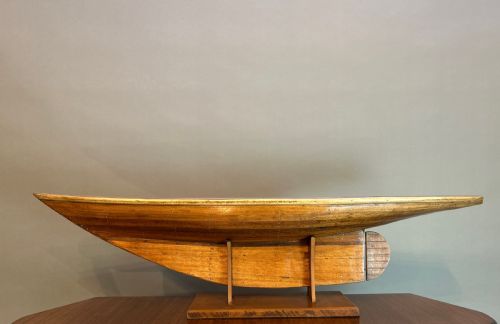
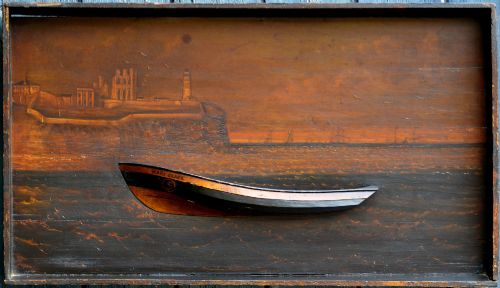
- A three-dimensional representation of a ship's hull split down the centreline, mounted on a backboard. Shipbuilders used these to design vessel lines and display naval commissions.
- Diorama
- A three-dimensional scene enclosed within a glass-fronted case, often depicting maritime vessels upon painted canvas seas. These constructions frequently incorporate carved wood, cork, and mixed media.
- Folk art
- Objects created by self-taught or provincial makers outside formal academic traditions. These pieces prioritise direct expression over strict technical academic rules.
Antique Carving Model: Frequently Asked Questions
What is an artist lay figure?
An artist lay figure is a fully articulated wooden mannequin designed to hold poses for painters studying human anatomy and drapery.
These figures utilise wooden ball and socket joints held together with internal pegs or wire to mimic human movement.
How do you display a ship diorama?
Ship dioramas are best housed on sturdy shelving or dedicated tabletops away from direct sunlight and fluctuating humidity. Their glass cases protect the delicate rigging and painted backdrops from dust.
Ensure the surface supports the full weight of the wooden case without causing structural strain to the frame.
What are Grand Tour models made from?
Grand Tour models are typically carved from natural stones and minerals collected during nineteenth-century travels through Italy and Europe.
Common materials include Siena marble, alabaster, serpentine, and Marmo Rosso, shaped to represent classical temples and sculpture.
Are pond yachts meant for sailing?
Antique pond yachts were originally constructed for recreational sailing on park lakes during the Victorian and Edwardian periods. Many retain their lead keel weights and wooden deck hardware designed for water use.
Modern owners generally choose to exhibit them as decorative sculptures rather than risking damage on the water.