





Antique Carving Knife
An antique carving knife is a utilitarian blade from past centuries, sought by collectors for its historical steel and detailed handle work.
Antique Carving Knife
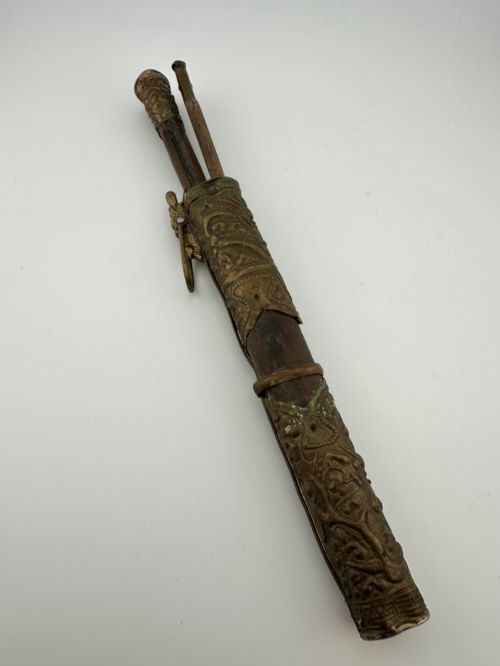
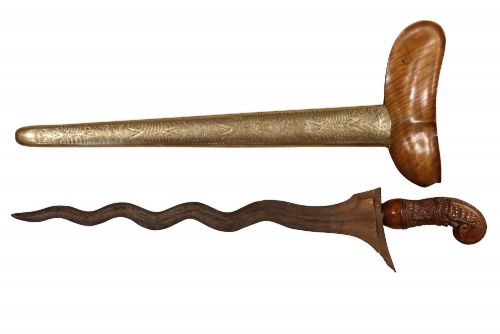
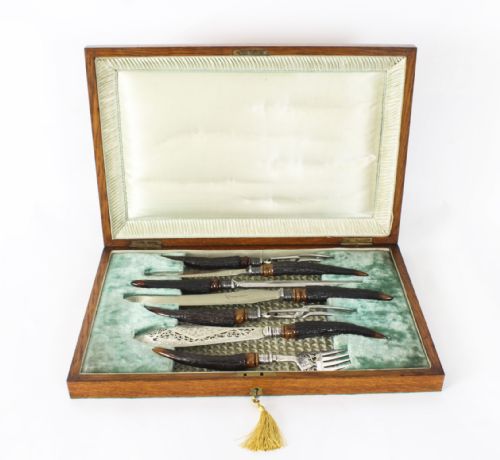
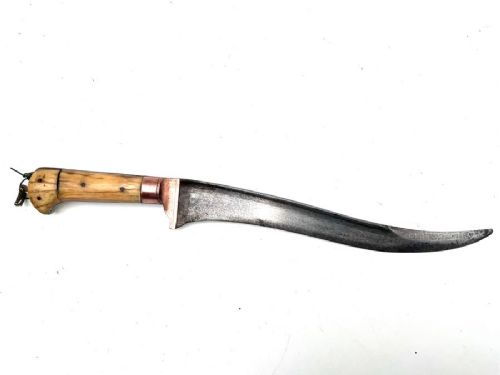
When searching for an antique carving knife, buyers encounter a selection that includes broader edged implements and serving sets from periods such as the nineteenth century and Victorian eras. These pieces often arrive with matching forks or within fitted cases, reflecting the dining customs of their respective decades. The inventory spans domestic carving cutlery alongside related edged objects like daggers and penknives.
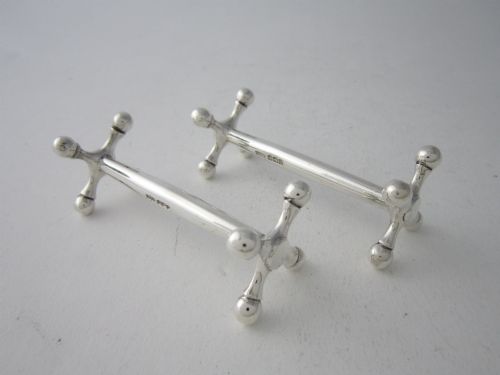
Domestic dining tools sit alongside specialised implements shaped from bone, antler horn, and silver plate. Many listings reflect nineteenth-century manufacture, though Georgian and Edwardian examples also appear. Buyers find these items grouped with cutlery boxes, knife rests, and serving sets.
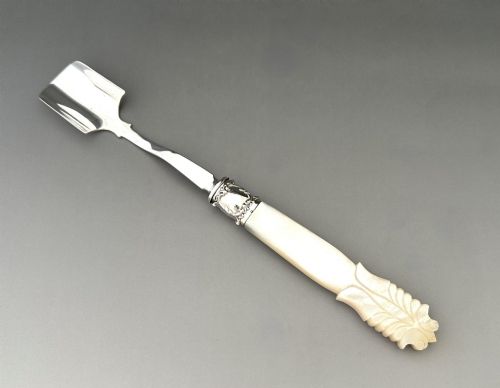
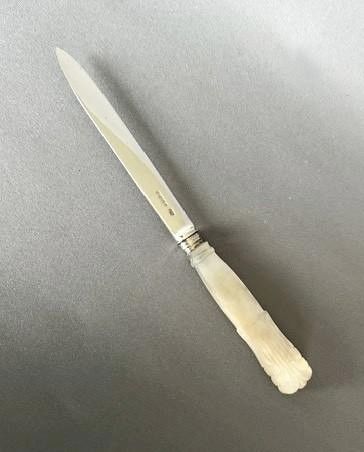
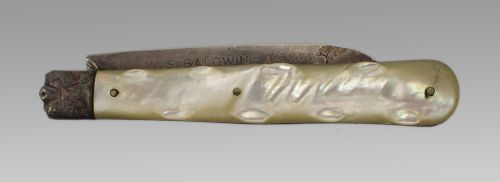
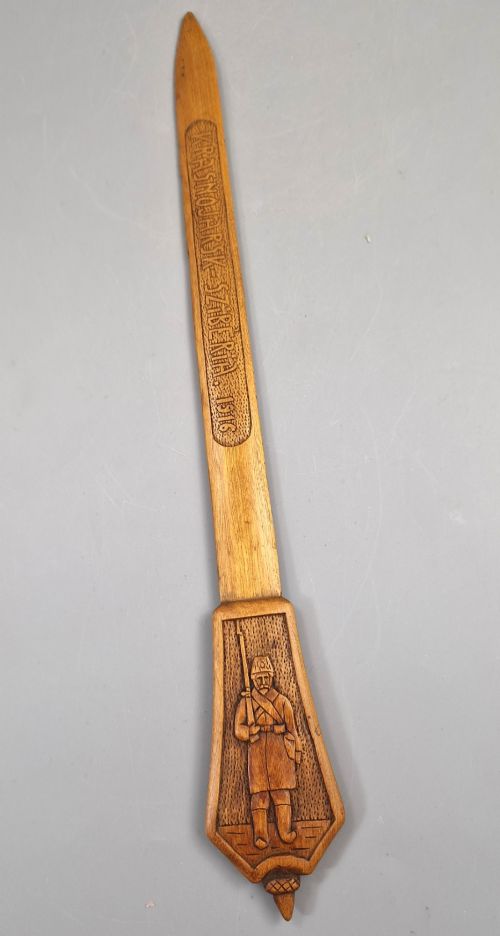
The practical function of these blades was carving meat at the table, though surviving pieces frequently demonstrate ornamental qualities. Handles fashioned from mother of pearl or carved wood indicate that these instruments were designed to be seen as well as used.
How they were made
Blade construction relies primarily on steel, paired with mounts of silver or silver plate. Handles utilise organic materials such as bone, mother of pearl, wood, and antler horn, secured with pins or collars.
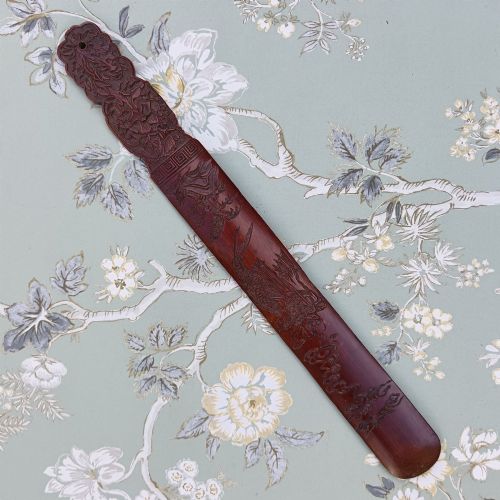
Craftsmen shaped these implements using traditional metalworking and carving techniques appropriate to each period. Wooden and bone elements show hand-carved details, while metal components involve forging and plating methods.
Antique Carving Knife Retail Price Guide 2026
Typical asking prices for carving knife among the pieces listed under this phrase on Sellingantiques today, from the lower quarter to the upper quarter. They describe what is for sale here now, not the wider market.
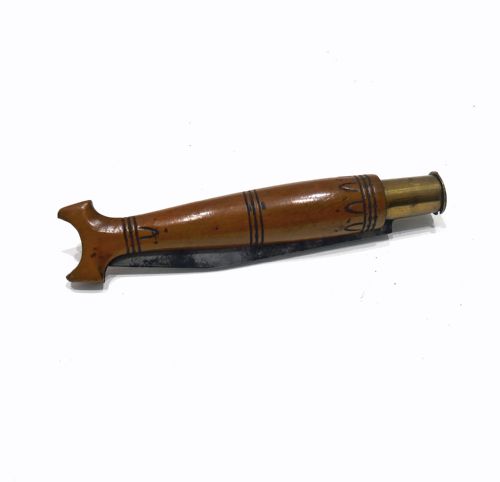
A nineteenth-century French penknife shaped as a fish demonstrates how makers found wildlife inspiration for everyday pocket tools.
What varies in quality
The degree of hand-carving on handles and mounts distinguishes standard utility pieces from more elaborate examples. Superior items display crisp detailing in bone, wood, or mother of pearl, whereas simpler versions rely on plain finishes.
Material combination also defines the grade of the piece, particularly where solid sterling silver mounts replace silver plate or base metals. The integrity of the fit between blade and handle indicates the care taken during initial assembly.
The Antique Carving Knife Glossary
- Silver plate
- A thin layer of silver applied to a base metal core such as copper or brass. This technique offered the appearance of solid silver at a lower production cost.
- Antler horn
- The shed material of deer utilised for knife handles and grips. Its textured surface provided a secure hold during use.
- Mother of pearl
- The iridescent inner layer of certain mollusc shells. Craftsmen shaped this delicate material into thin scales for fruit knives and letter openers.
- Cutlery box
- A specialised wooden container designed to store knives, forks, and spoons securely. Georgian examples often utilised mahogany for durability and appearance.
Antique Carving Knife: Frequently Asked Questions
What is an antique carving knife used for?
These implements were originally manufactured for slicing roasted meats at the dining table during formal meals.
Today, collectors acquire them for display, historical interest, or to complement antique dining settings.
How do I date an antique carving knife?
Dating relies on stylistic markers, hallmarks on silver components, and the specific materials used for the handle.
Victorian and nineteenth-century pieces often show distinct decorative motifs that separate them from earlier Georgian items.
Are these knives still usable today?
Many steel blades remain functional, though older edges require careful maintenance and gentle hand washing.
Delicate handles made of mother of pearl or bone mean most buyers prefer display over daily kitchen use.
What materials are common in the handles?
Common handle materials include mother of pearl, bone, various woods, and antler horn.
Silver and silver plate also appear frequently as ferrules, caps, or full handle structures.