


Antique Carving Figures
These antique carving figures bring centuries of human and animal representation into interior spaces through wood, stone and bronze.
Antique Carving Figures
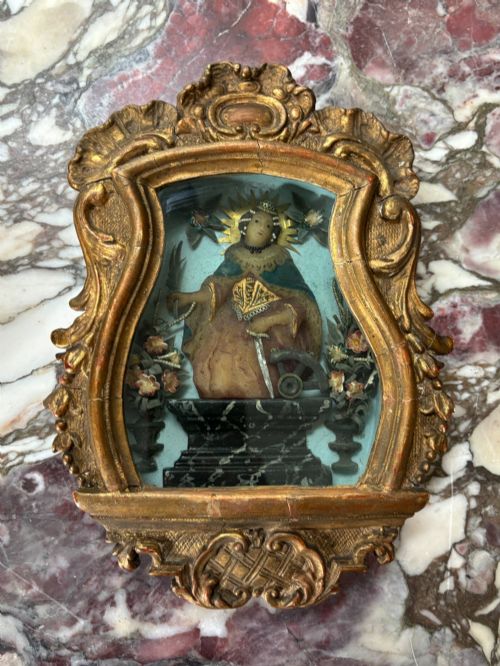
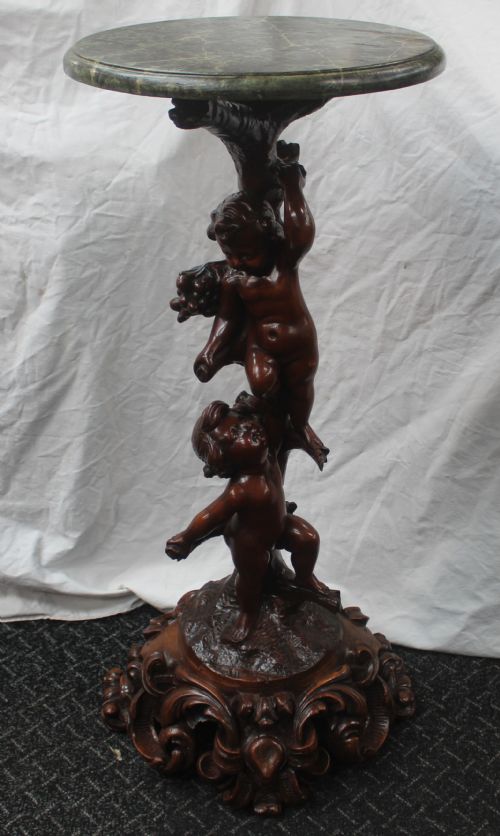
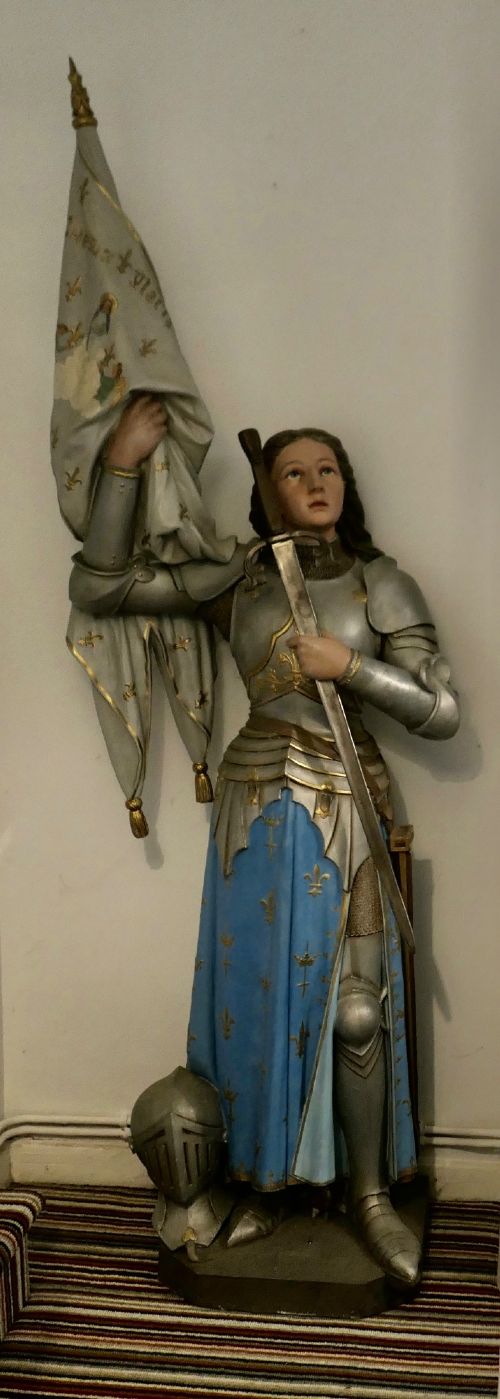
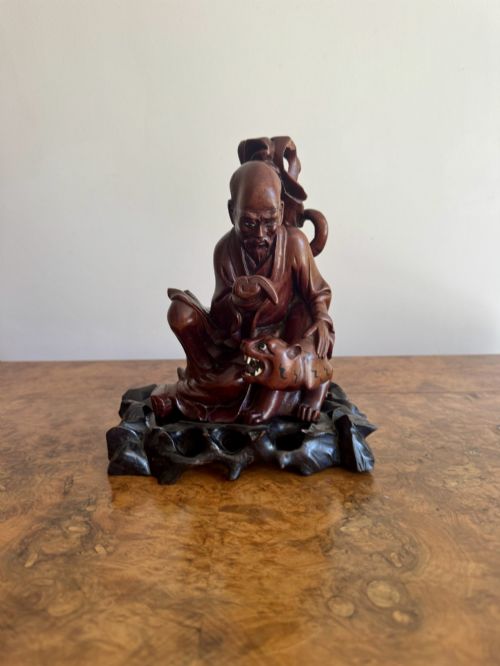
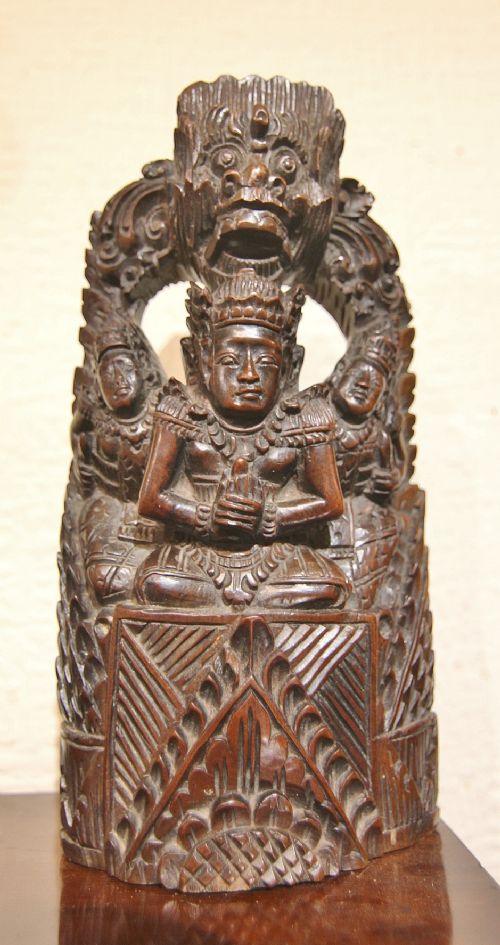
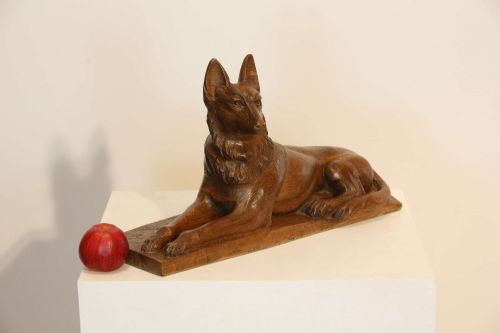
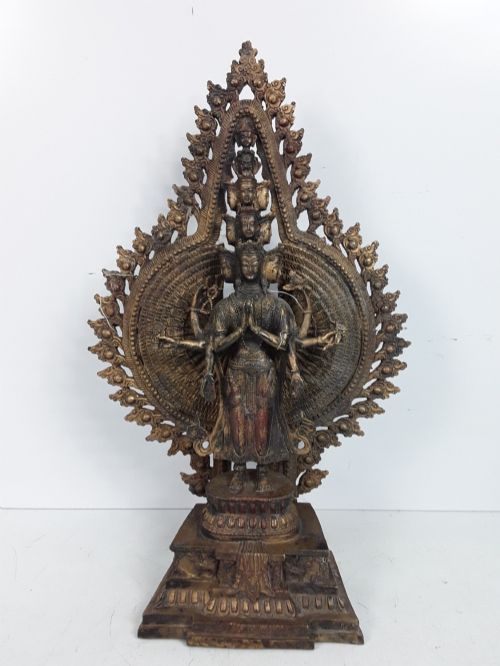
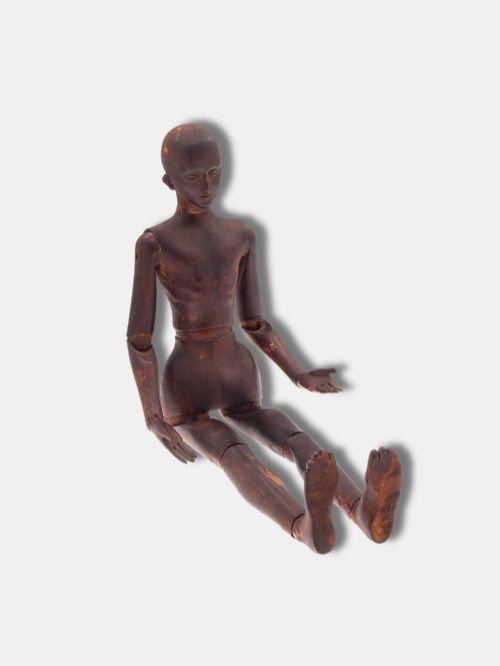
When you search for antique carving figures, you enter a diverse field spanning European saints, Asian deities, folk art animals and classical busts. The selection brings together works carved from wood, alabaster, marble, jade and hardstone across periods from the seventeenth century to the early twentieth century. Buyers encounter everything from grand Italian marble putti and devotional saints to Chinese jade immortals and Japanese wooden bears.
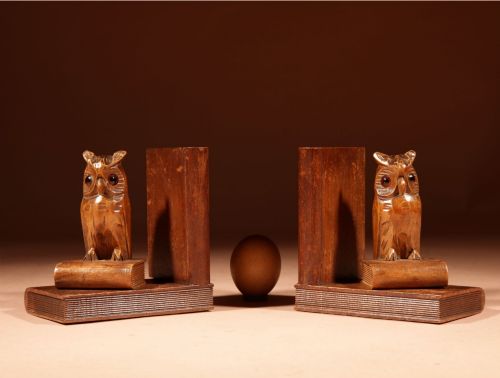
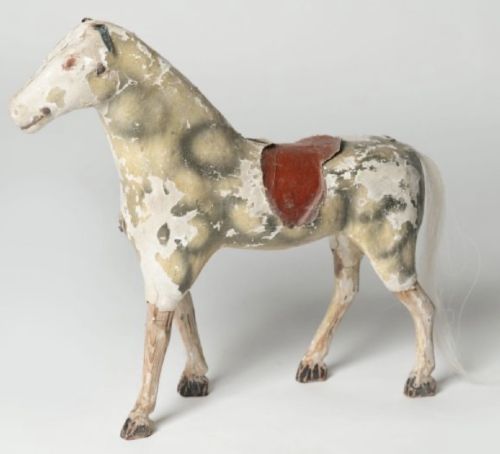
The objects on this page vary significantly in scale and purpose, including architectural floor lamps, desk tidies, and freestanding sculptures. European pieces often reflect Victorian, Neoclassical or Baroque traditions, while Asian entries display Qing Dynasty and Republic period craftsmanship. Folk art examples, such as decoy ducks and carved toys, sit alongside formal devotional sculptures in walnut and alabaster.
Materials and methods
Makers shaped these figures using traditional hand tools on dense organic and mineral materials. Wood varieties such as mahogany, walnut, cedar, linden and hardwood provided the foundation for detailed sculptural forms and polychrome painted surfaces. Stone workers utilised alabaster, Carrara marble, nephrite jade, carnelian agate and hardstone to achieve smooth contours and polished finishes.
Techniques ranged from the fine chisel work of European cabinet makers and religious carvers to the precise jade carving traditions of China. Artisans also employed methods such as cold painting on bronze, polychrome finishing on wood, and deep bone carving on Japanese screens. Each medium demanded specific handling to bring out the natural grain or crystalline structure of the material.
Antique Carving Figures Retail Price Guide 2026
Typical asking prices for carving figures among the pieces listed under this phrase on Sellingantiques today, from the lower quarter to the upper quarter. They describe what is for sale here now, not the wider market.
The selection includes figures originating from Europe, China, Japan and Thailand.
Distinctions in quality
Material selection also dictates standing, with flawless nephrite jade, unblemished alabaster and highly figured hardwoods commanding greater regard. The harmony between the original material and the carver's execution determines whether an object transcends mere decoration to become a true sculptural work.
Valentino Besarel·Benjamin Barker of Bath
The Antique Carving Figures Glossary
- Alabaster
- A fine-grained mineral often used for Victorian busts and sculptures due to its smooth, translucent quality. It allows for soft modelling of drapery and skin.
- Nephrite
- A dense, tough variety of jade favoured in Asian carving for creating durable, highly detailed figures of immortals and animals. Its natural colour ranges from pale celadon to deep green.
- Intaglio
- A design carved into the surface of a gemstone or ring, creating a depressed image used historically for sealing wax. Examples in this category often feature yellow gold settings from the nineteenth century.
- Folk art
- Items produced by self-taught or traditional craftspeople, such as carved wooden animals and decoys, valued for their unpretentious charm and direct character.
Antique Carving Figures: Frequently Asked Questions
What periods do these carved figures come from?
The pieces span multiple centuries, with notable examples from the seventeenth, eighteenth and nineteenth centuries alongside early twentieth century works.
Buyers will find historical styles ranging from Baroque and Neoclassical to Art Deco and Qing Dynasty traditions.
How were alabaster and marble sculptures cleaned?
Alabaster and marble require gentle dusting with a soft, dry cloth to prevent surface abrasion and moisture damage.
Water and chemical cleaners are generally avoided because porous stone absorbs liquids easily and can lose its polished finish.
Where were wooden folk art figures displayed?
Folk art carvings, such as decoy ducks and carved animals, originated as utilitarian objects or domestic items before entering collections.
Today they sit on mantelpieces, sideboards and shelves as decorative examples of traditional regional craftsmanship.