


Antique Carved Tray
An antique carved tray brings tactile warmth to a room, offering functional surface area shaped by traditional handwork.
Antique Carved Tray
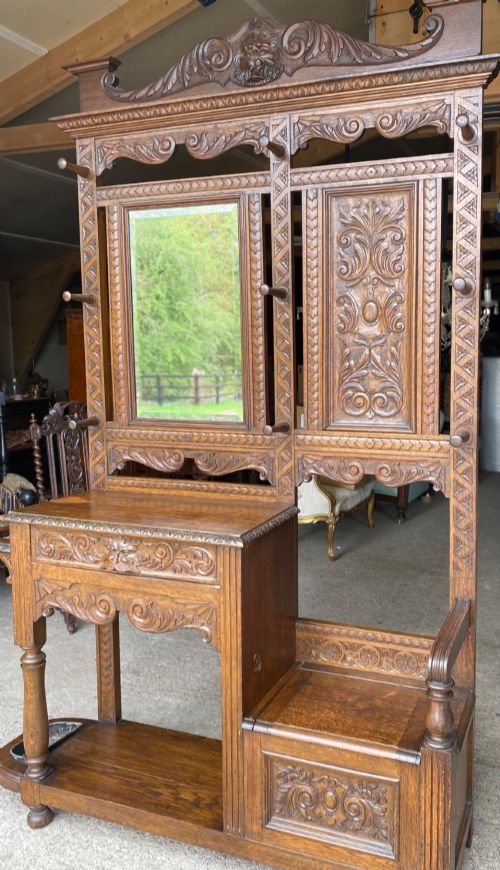
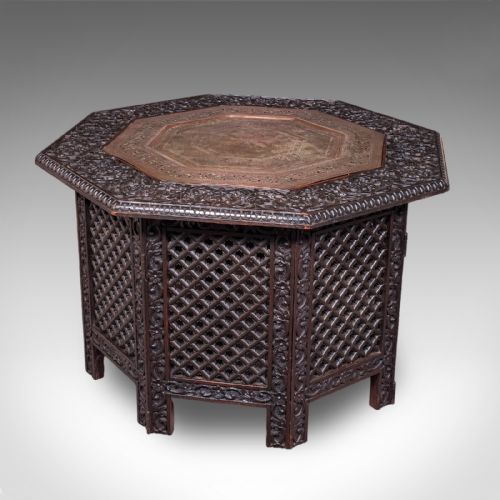
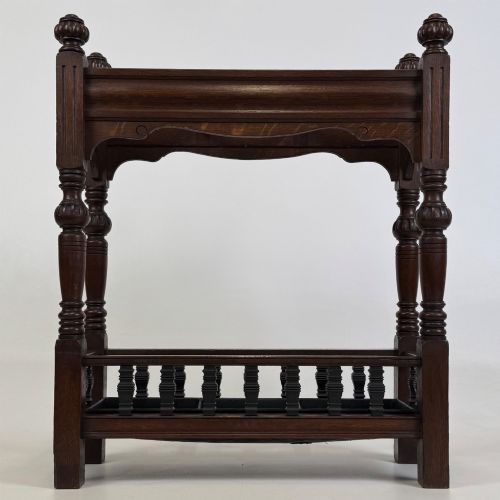
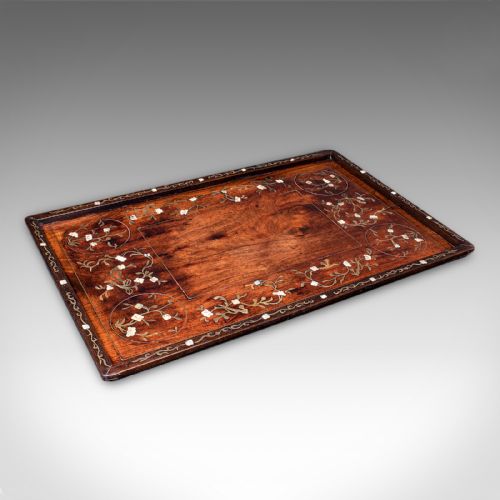
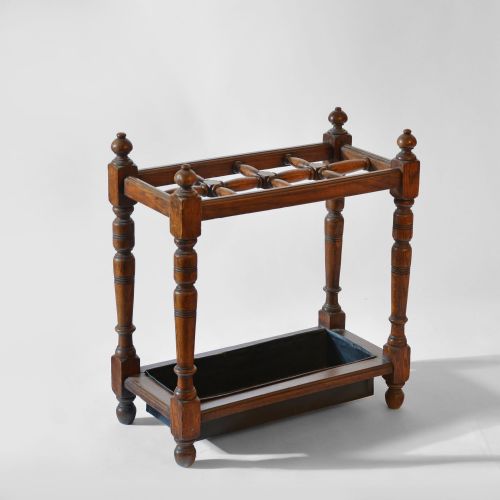
When you search for an antique carved tray, you encounter portable serving platters alongside stationary tray top tables originating from diverse regional workshops. The selection spans the nineteenth century through the early twentieth century, incorporating Victorian, Edwardian, and Arts and Crafts design movements.
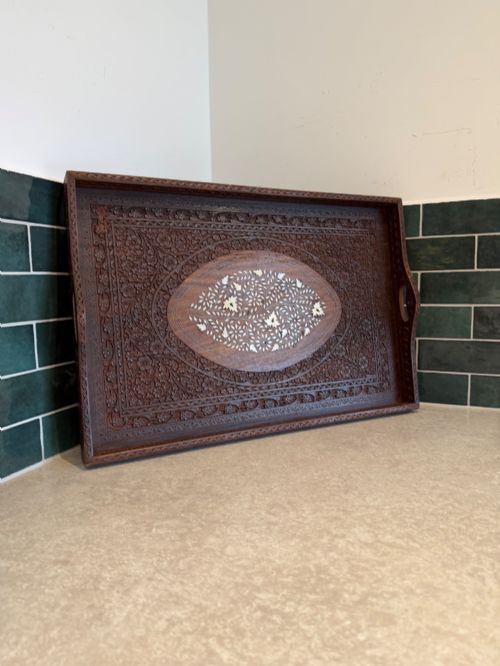
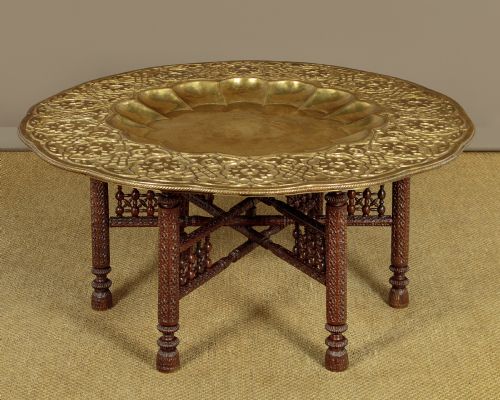
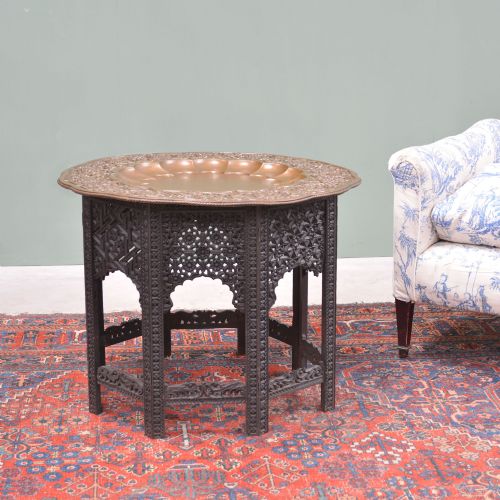
Serving and butler trays feature deep rims and handles, often designed to rest upon folding or fixed wooden stands to create functional occasional tables. Regional examples include Anglo-Indian and Kashmiri pieces carved from teak and walnut, alongside domestic oak, mahogany, and brass variations.
Materials and construction
Cabinetmakers utilised hardwoods such as oak, mahogany, walnut, and teak, employing traditional joinery for frames and deep relief carving for decorative surfaces. Regional items frequently integrate mixed media, combining timber bases with inset brass, copper, or painted details.
Surface ornamentation relies on hand chiselling and piercing rather than mechanical shaping, resulting in organic irregularities. Trays designed for heavy domestic use incorporate sturdy galleries and reinforced handles to withstand transport.
Listings feature oak, mahogany, walnut, teak, brass, and copper across Victorian, Edwardian, and Arts and Crafts periods.
Assessing craftsmanship
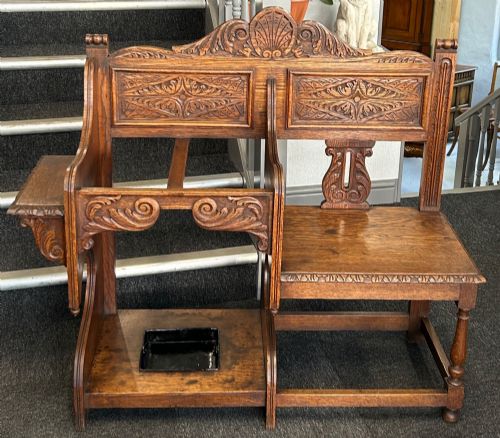
Quality rests in the crispness and depth of the hand carving, where skilled execution displays sharp relief and balanced symmetry across the timber or metal surface. Pieces showing hurried chisel work or flat, uninspired stamping lack the visual depth found in superior examples.
Structural integrity separates utilitarian items from finer decorative works, with tight corner joints, well-fitted tray inserts, and stable stands indicating superior workshop standards. The selection of figured timbers, such as burr walnut or dense mahogany, further distinguishes high-tier commissions.
The Antique Carved Tray Glossary
- Butler tray
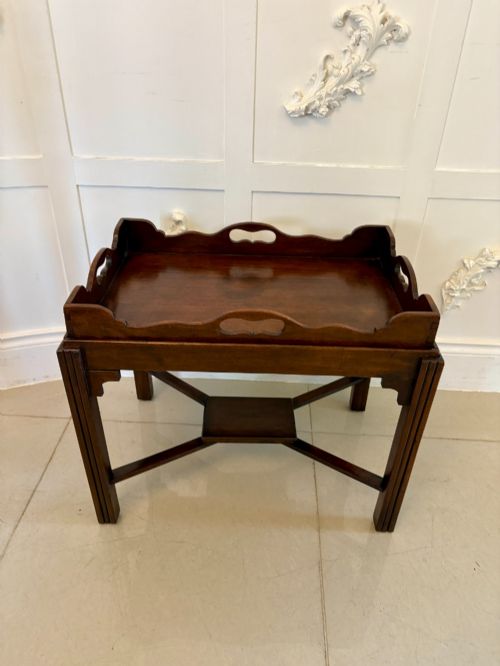
- A portable serving tray with hinged or fixed sides, typically resting on a folding X-frame stand. This form allowed Victorian households to transport tea and provisions between rooms before placing the tray upon a temporary base.
- Tray top table
- A low table featuring a removable or fixed serving tray surface set within a supportive wooden frame. These pieces function as occasional or coffee tables while retaining the raised edges of a traditional platter.
- Gallery
- A raised wooden or metal border surrounding the perimeter of a tray to prevent items from sliding off during transport. Galleries can be pierced, fret-cut, or carved from the solid timber of the tray base.
- Anglo-Indian
- A descriptive term for items produced in India during the British colonial period, combining European furniture forms with intricate local carving traditions. Common timbers include teak and walnut embellished with floral and geometric motifs.
- Benares
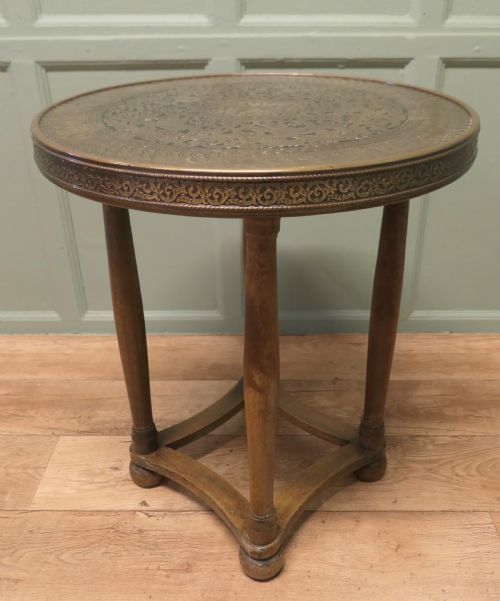
- A style of brassware originating from the Indian city of Varanasi, characterised by densely chased and etched surface patterns. These metal tops often paired with folding wooden stands to create decorative occasional tables.
Antique Carved Tray: Frequently Asked Questions
What is an antique carved tray used for today?
These pieces serve practical roles as coffee table surfaces, drinks trays, or decorative display platforms within contemporary living spaces.
Their substantial construction allows them to function securely as occasional tables when mounted on appropriate stands.
How do I clean a carved wooden tray?
Dust intricate carvings regularly using a soft, dry brush to prevent dirt accumulation in recessed channels.
Apply occasional coats of natural beeswax to nourish the timber, avoiding harsh chemical sprays and excess moisture.
Can I use an antique tray for serving food?
Most antique trays function safely for serving dry items, bottled beverages, or lidded teapots during gatherings.
Protect vulnerable historic finishes from direct liquid contact by using coasters, linens, or glass inserts where appropriate.
How do I distinguish regional styles?
British domestic trays typically display restrained mahogany or oak mouldings influenced by Georgian and Edwardian furniture traditions.
In contrast, Anglo-Indian and Kashmiri examples utilise exotic hardwoods covered in dense, all-over floral and geometric relief carving.