

Antique Carved Toy
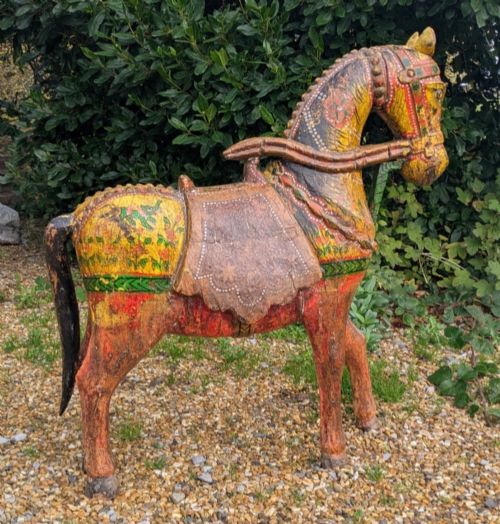
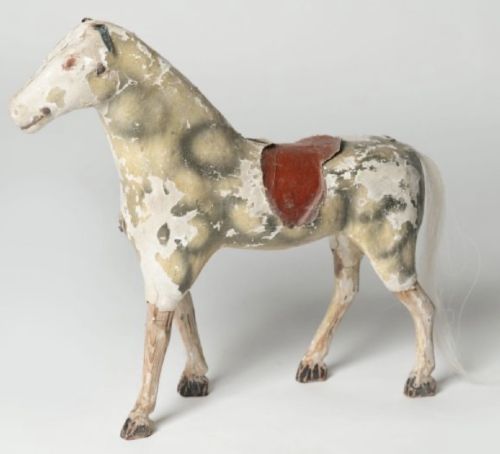
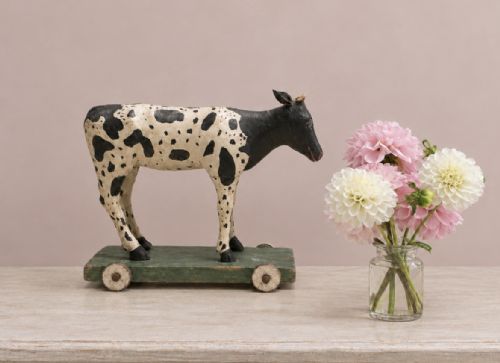
These antique carved toy pieces bring home folk art carvings, rocking horses, and Noahs Arks that survive from nineteenth and early twentieth century nurseries.
Antique Carved Toy
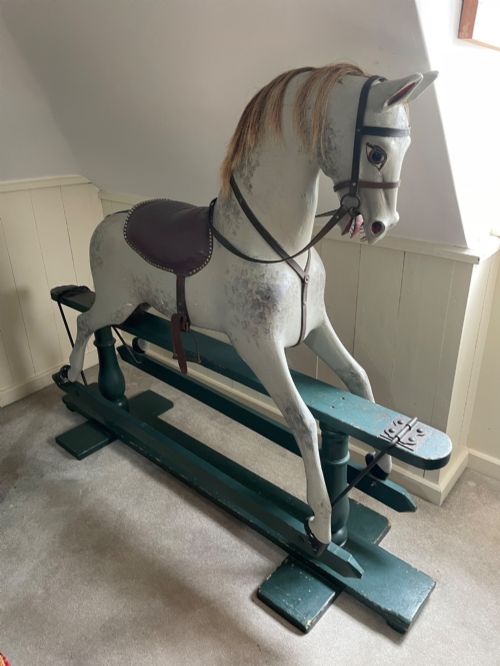
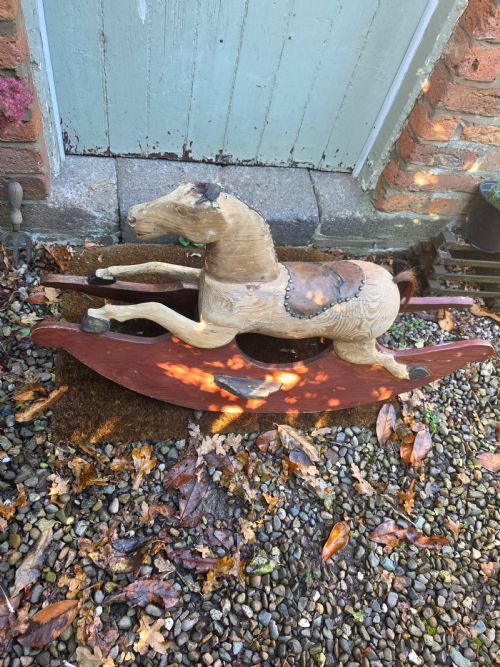
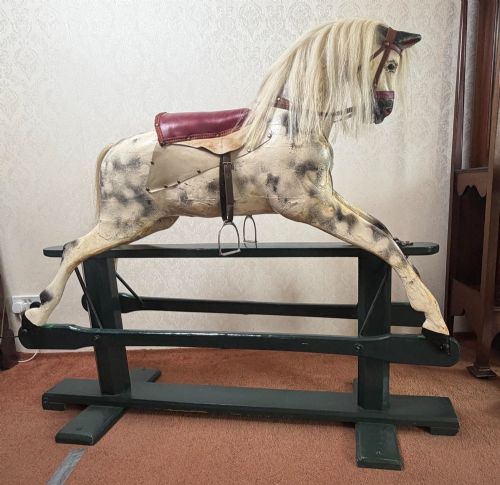
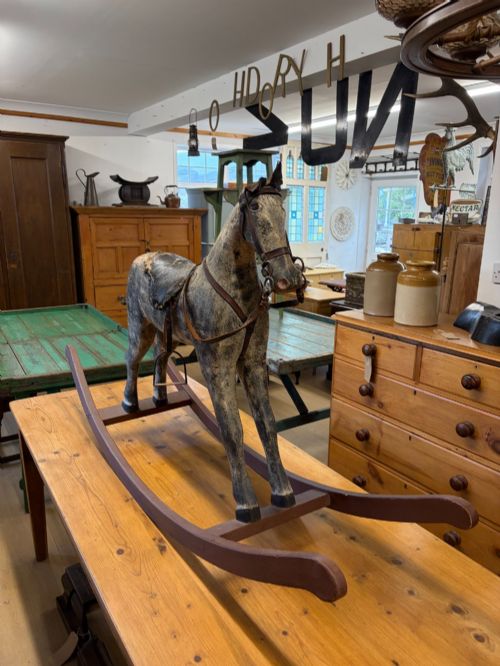
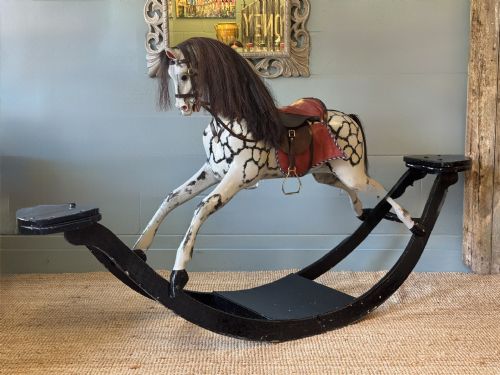
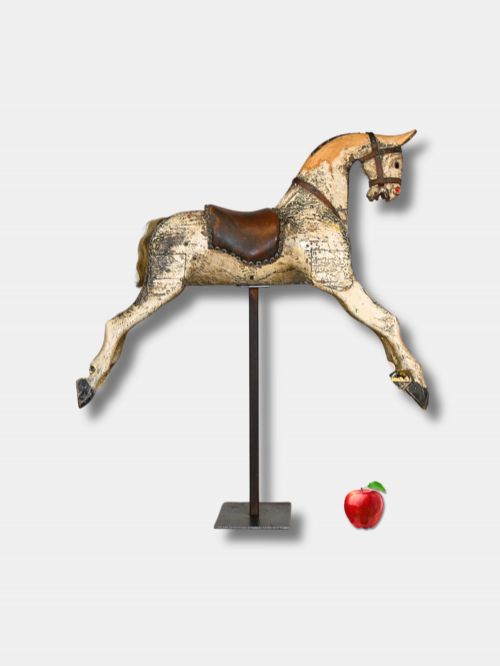
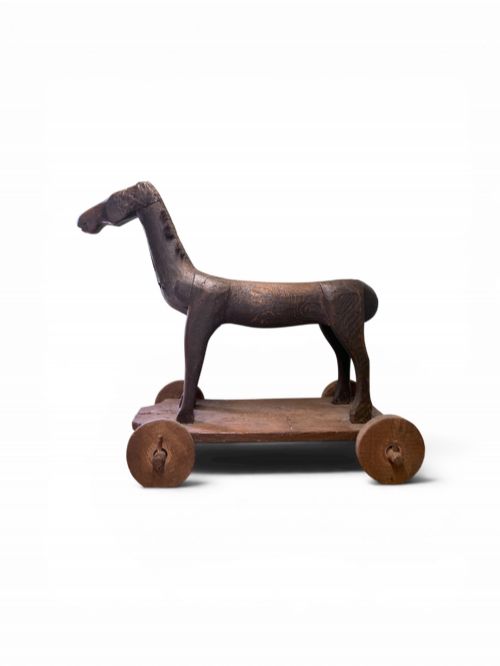
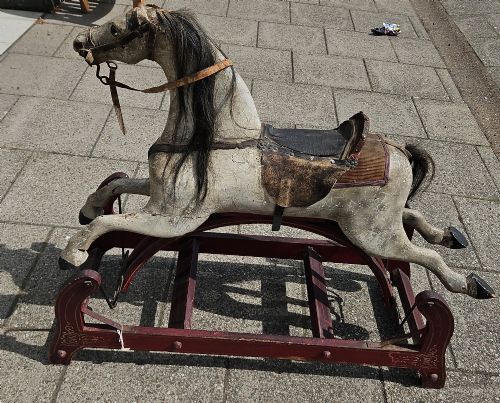
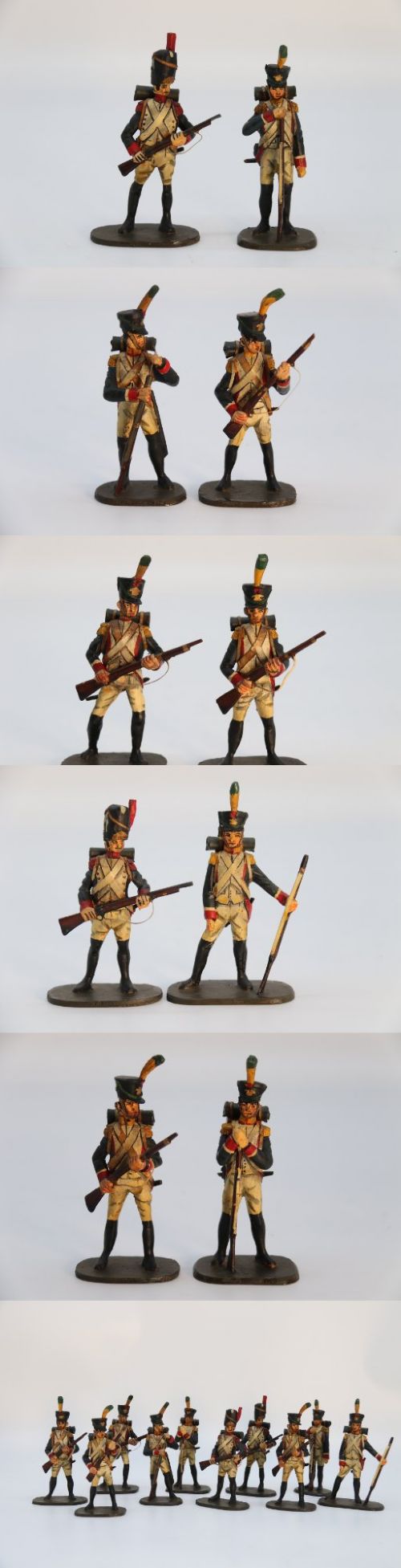
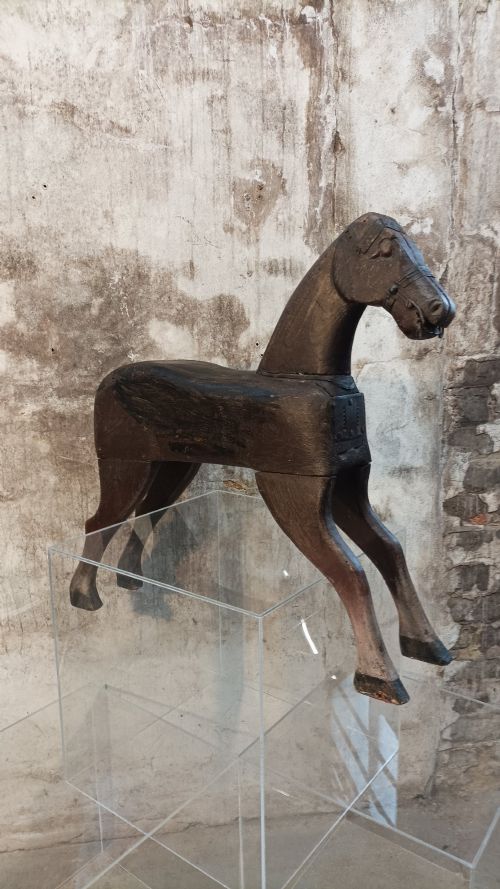
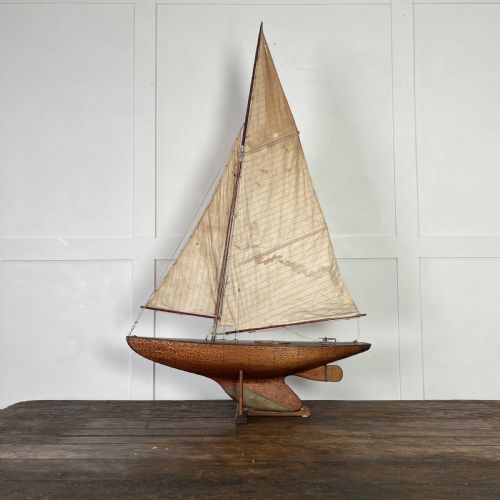
An antique carved toy encompasses folk art figures, rocking horses, pond yachts, and animal models carved mostly from timber during the eighteenth, nineteenth, and early twentieth centuries. Rocking horses dominate the selection, appearing on safety stands, swing frames, and traditional curved rockers alongside smaller playthings like jigger dolls and Noahs Ark sets.
Makers and makers' marks occasionally identify specific London firms such as G & J Lines, Lines Bros, and F.H. Ayres, whilst many other items remain anonymous country pieces. The periods span from early eighteenth century naive horse carvings through Victorian examples to Edwardian pond yachts and 1930s toys.
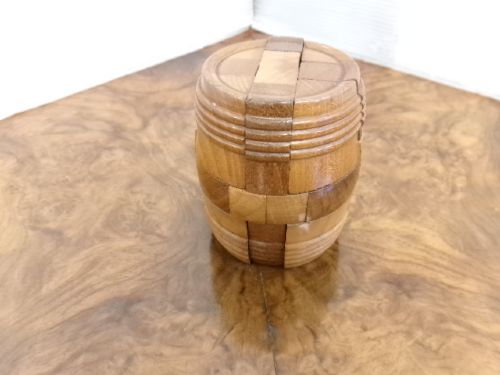
Folk art sculptures and naive wooden models appear alongside games like treen bilboquet cup and ball sets and barrel shaped puzzles. Collectors encounter British, American, and Spanish origins, reflecting diverse regional carving traditions applied to childhood objects.
Materials and construction methods
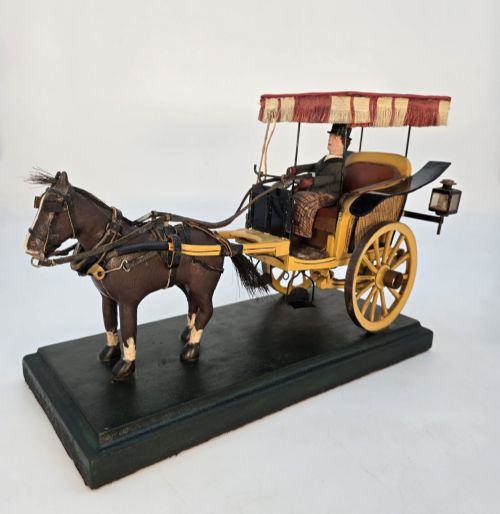
Makers utilised solid pine and carved wood for the primary bodies of horses, lions, and figures, often mounting them on original wooden rockers or metal fittings. Leather straps, real horsehair manes and tails, and iron components completed larger items like rocking horses and horse-drawn carriages.
Paint finishes, sometimes original, coat many surfaces in dapple patterns or plain schemes, accompanied by mounted rider figures and carved soldier details. Scratch built models and maritime items like pond yachts show detailed hand construction using traditional timber working tools.
Antique Carved Toy Retail Price Guide 2026
Typical asking prices for carved toy among the pieces listed under this phrase on Sellingantiques today, from the lower quarter to the upper quarter. They describe what is for sale here now, not the wider market.
Over fifty tiny carved animals and birds squeezed inside a single antique Noahs Ark.
Evaluating craftsmanship and survival
The degree of original paint survival and surface patina separates exceptional survivals from pieces with later overpainting or extensive timber replacement. Untouched original horsehair, leather tack, and authentic rocking stands elevate a piece far above examples that have lost their primary fittings.
Carving depth and anatomical expression distinguish naive folk art charm from master maker production like those bearing firm attributions. Original maker stamps, distinct signatures, and complete animal sets within Noahs Arks contribute directly to historical importance.
G & J Lines·F.H. Ayres·Lines Bros
The Antique Carved Toy Glossary
- Folk art
- Objects created by self-taught or provincial artisans working outside academic traditions. These pieces often display naive charm and direct material handling.
- Treen
- Small domestic wooden objects made by turning or carving. This category includes games like the bilboquet ball and cup.
- Jigger doll
- A mechanical wooden toy featuring jointed limbs that dance or jig on a board when tapped. English folk examples often wear top hats and tails.
- Pond yacht
- A sailing model designed for outdoor water racing. Edwardian versions feature substantial timber hulls and complex rigging.
- Naivety
- An artistic style characterised by a lack of formal perspective or proportion. Early toy makers used this approach to create expressive figures.
Antique Carved Toy: Frequently Asked Questions
How do I date an antique rocking horse?
Examine the construction of the body joints, the shape of the rockers, and the materials used for tack and mane. Mid nineteenth century horses often show heavier timber framing, whilst later examples utilise distinct safety stands.
Look for maker stamps on the wooden frames or under the belly, though many vernacular pieces remain unsigned and rely on stylistic clues for dating.
Are painted surfaces original on these toys?
Original paint frequently shows craquelure, wear patterns, and underlying timber grain through thin pigment layers. Dappling styles changed over the decades, helping identify Victorian from twentieth century work.
Conservation cleaning reveals whether layers beneath dirt are untouched primary coats or later decorative updates applied during ownership.
How were pond yachts used?
Pond yachts served as outdoor sailing toys for children and adults on park lakes during the Edwardian era and earlier. Their heavy wooden hulls and lead ballast keels kept them upright in shifting winds.
Owners adjusted the canvas sails manually before launching them across open water to run before the breeze.
What is a jigger doll?
A jigger doll is a jointed wooden figure attached to a thin flexible strip of wood or metal. When the operator taps the baseboard, the figure dances and moves its limbs.
These folk art toys entertained families in the early twentieth century, often dressed in detailed costumes such as top hats and tails.