
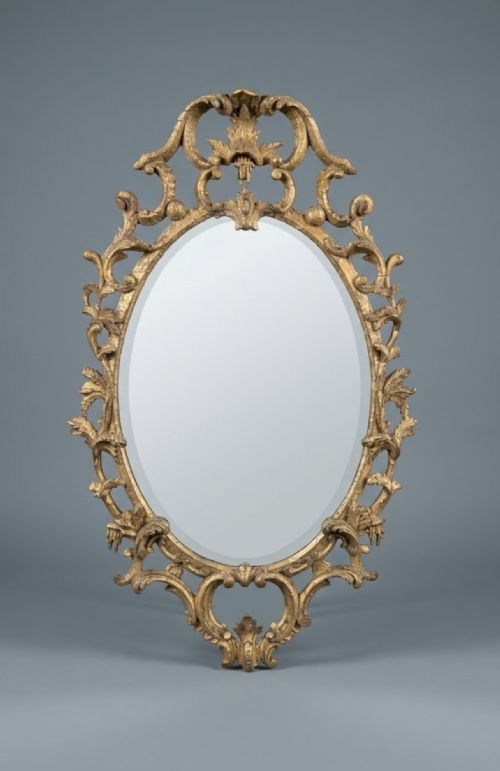
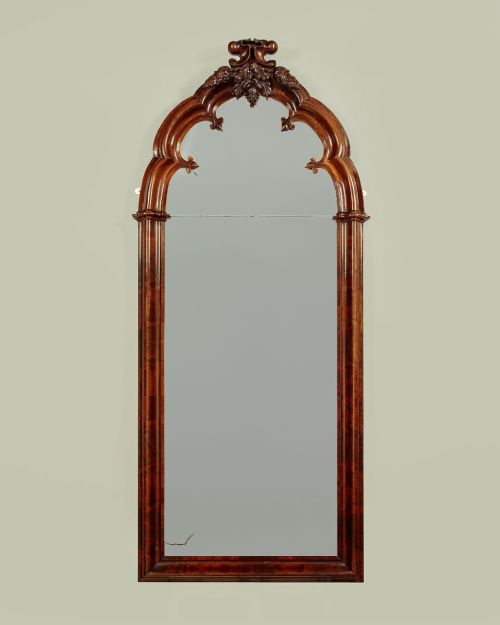
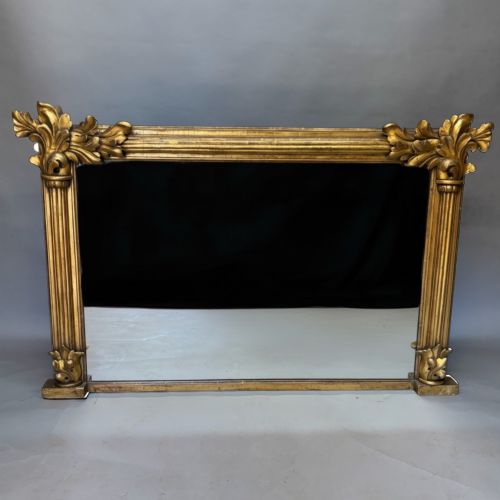
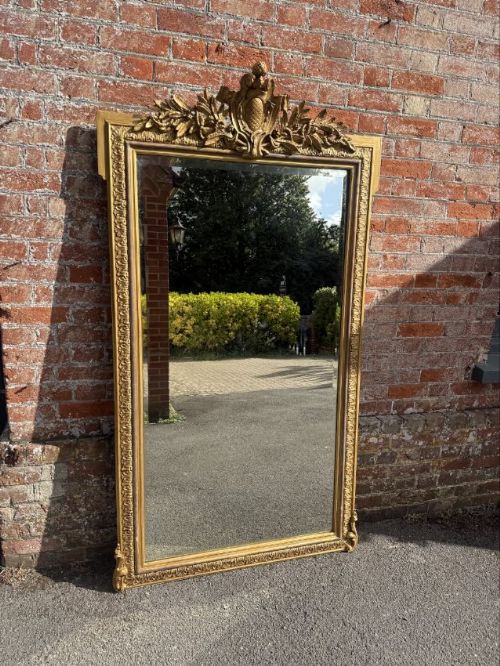
Antique Carved Pier Mirror
An antique carved pier mirror brings vertical elegance and reflected light into a room, designed traditionally to hang on the wall space between two windows.
Antique Carved Pier Mirror
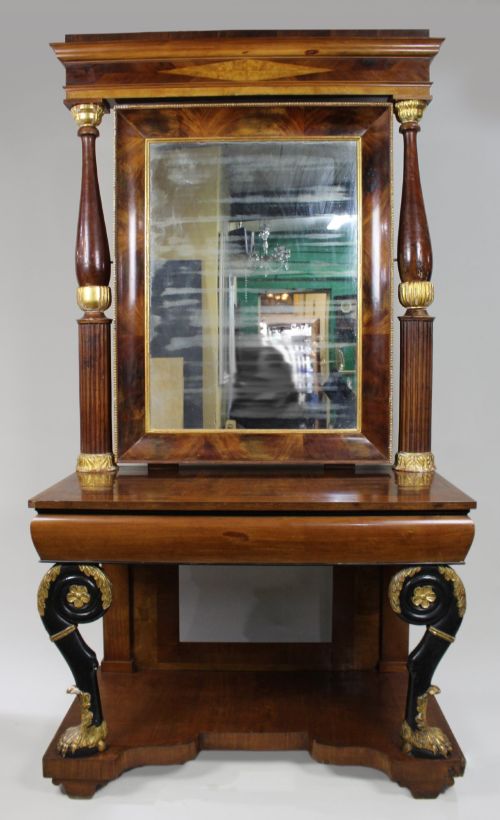
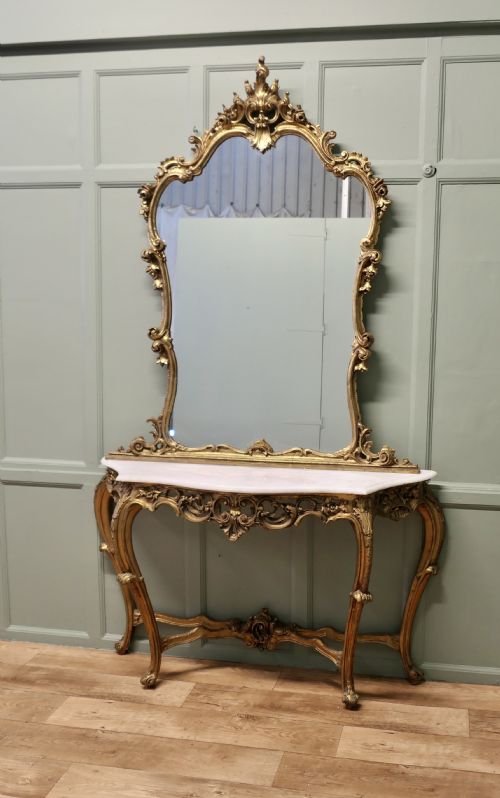
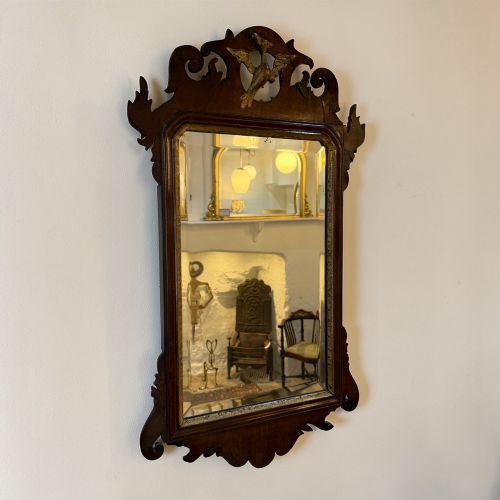
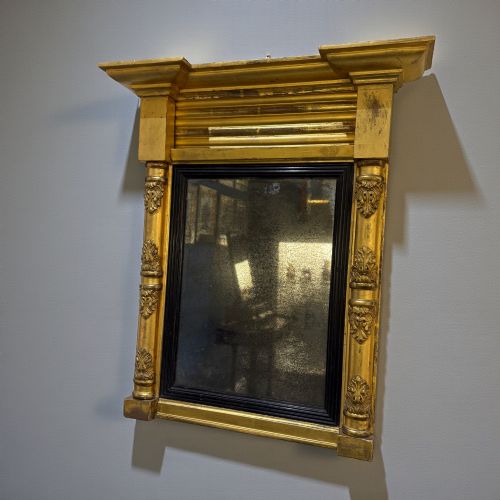
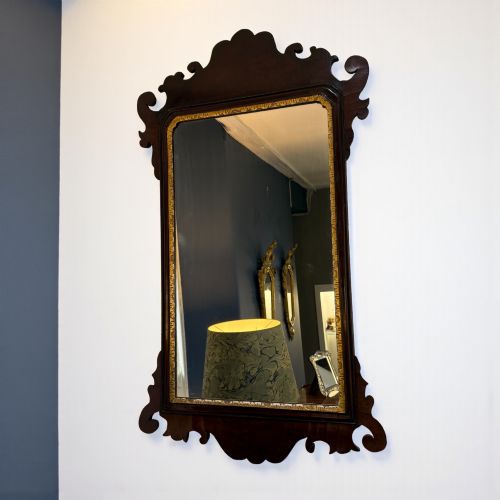
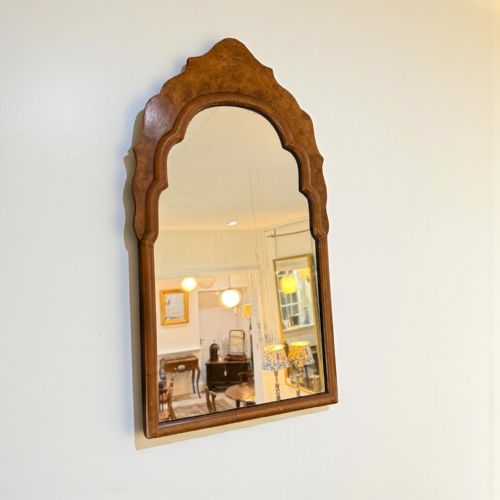
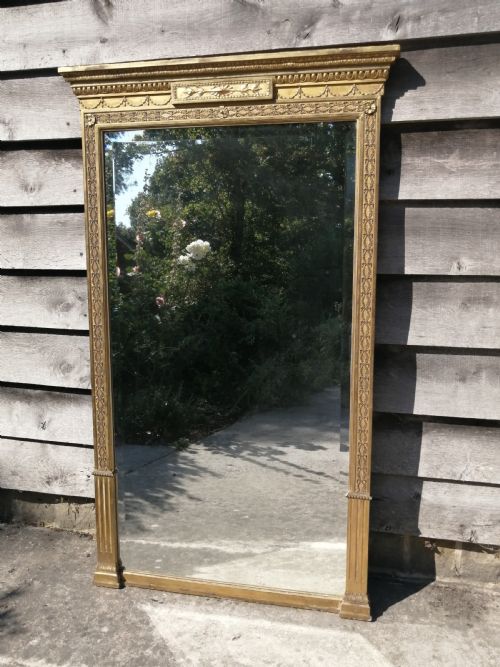
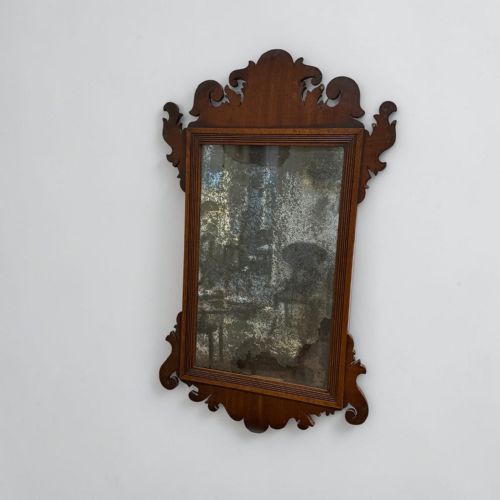
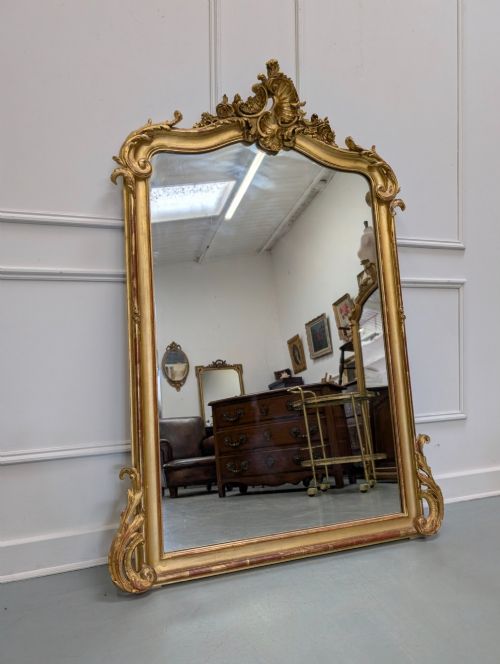
An antique carved pier mirror is a tall, vertical looking glass designed to fit the narrow wall space between windows, often paired with a console table beneath. These pieces originate across the eighteenth and nineteenth centuries, spanning Georgian, Regency, and Victorian periods.
How They Were Made
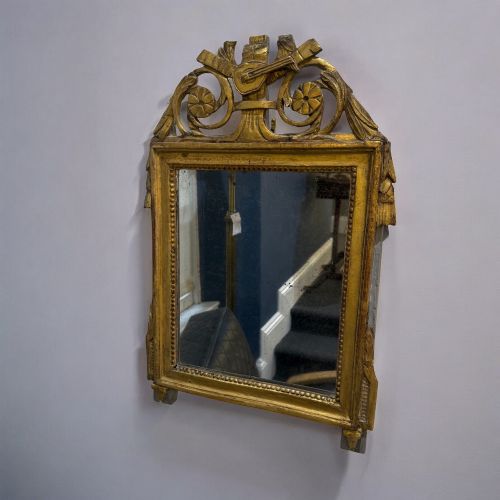
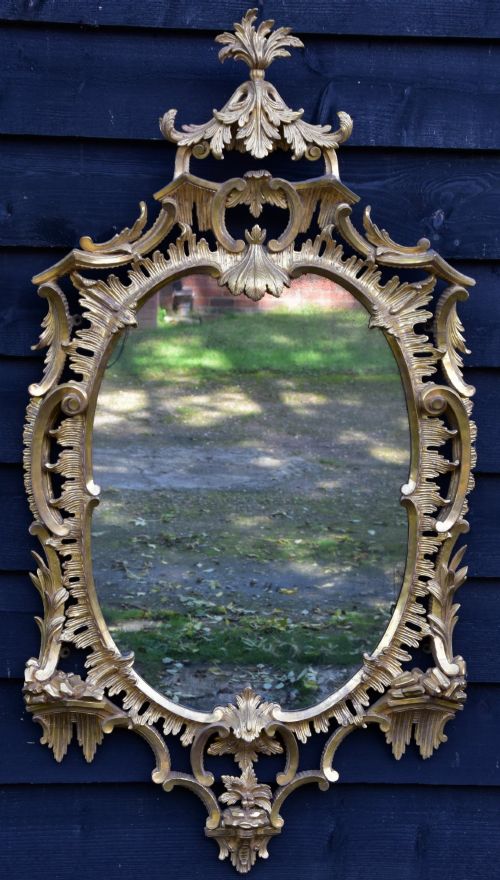
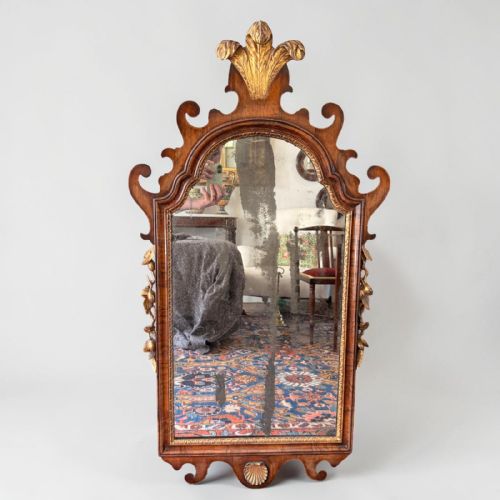
Frames are constructed primarily from carved wood such as mahogany, walnut, or oak, frequently coated in gesso to build up intricate relief ornaments. Artisans applied gold leaf, silver, or paint finishes directly over the prepared surfaces.
Mirrors utilise traditional glass plates, occasionally featuring mercury backing or foxed ageing effects characteristic of eighteenth and nineteenth-century production.
Listings span the Georgian, Regency, and Victorian eras, utilising materials including giltwood, gesso, mahogany, and mercury glass.
What Varies in Quality
Quality rests upon the crispness of the hand-carving in the wood and gesso, where depth and precision distinguish superior artisan work from simpler production. The preservation of original gilding, paint, and silvering contributes significantly to the integrity of the piece.
Proportions also dictate standard, with balanced architectural framing and well-integrated glass plates demonstrating higher workshop capability.
Gillows Of Lancaster
The Antique Carved Pier Mirror Glossary
- Pier glass
- A tall mirror specifically proportioned to hang on the narrow wall between windows.
- Gesso
- A plaster-like mixture applied to wood frames to create a smooth surface for carving and gilding.
- Verre eglomise
- A technique of applying gold or silver leaf to glass with etched designs.
- Parcel gilt
- A decorative treatment where portions of an object are highlighted in gold leaf while the underlying wood or paint remains visible.
Antique Carved Pier Mirror: Frequently Asked Questions
Where should I hang a pier mirror?
These mirrors were originally scaled to hang on the narrow wall space between two windows, where they reflected daylight back into the room. In modern spaces, they work effectively above console tables, mantelpieces, or in hallways to create an impression of height.
The vertical proportions make them suitable for rooms with high ceilings where standard horizontal mirrors appear disproportionate.
How do I identify a nineteenth-century mirror?
Nineteenth-century examples often display deep gesso ornamentation, robust carved frames, and specific revival styles such as Rococo or French Chateau. Examination of the timber and backing materials reveals the age of construction.
Original mirror plates frequently show subtle imperfections, foxing, or mercury backing consistent with the period.
Are original mirror plates common?
Many surviving examples retain their original glass plates, which often exhibit characteristic ageing such as light foxing, distortion, or darker patches. These traits confirm the authenticity of the glass within the antique frame.
Replacements occur when earlier glass has degraded beyond usability, though original plates remain preferred by collectors.