


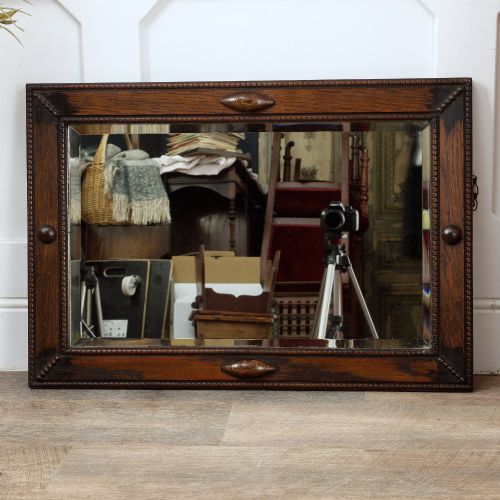
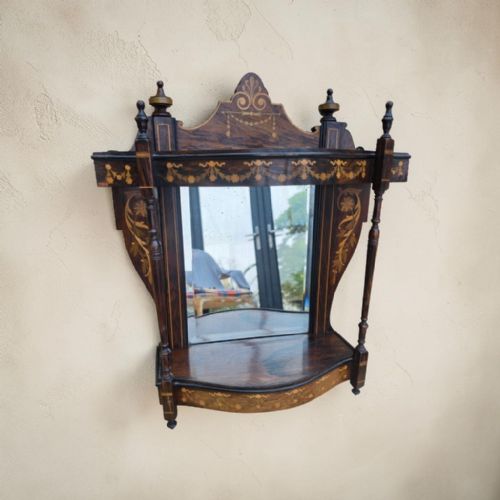
Antique Carved Hall Mirror
An antique carved hall mirror brings depth and character to an entranceway, offering a functional glass plate framed in solid timber or gilt.
Antique Carved Hall Mirror
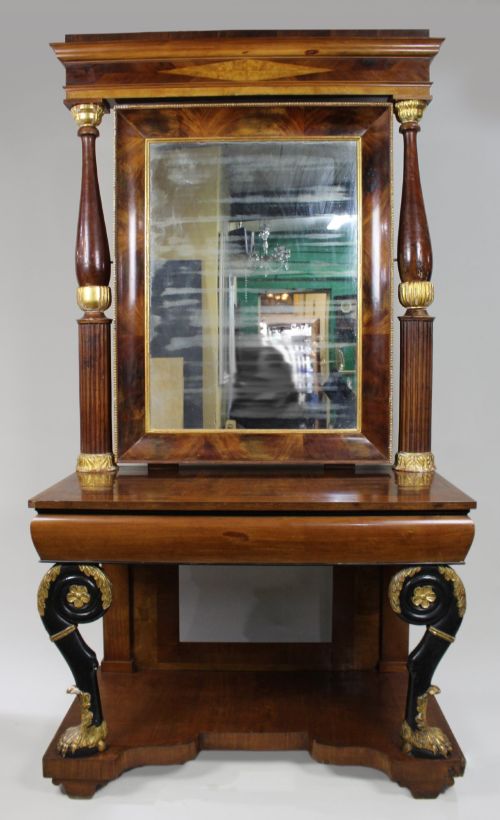
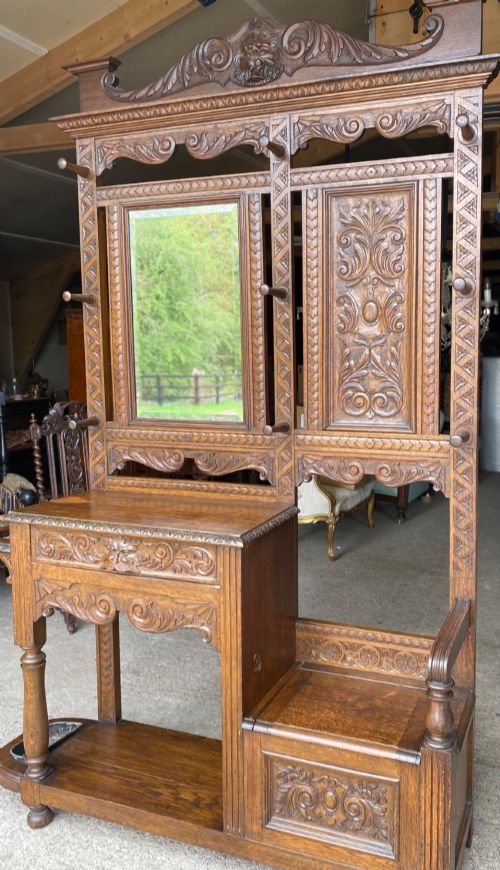
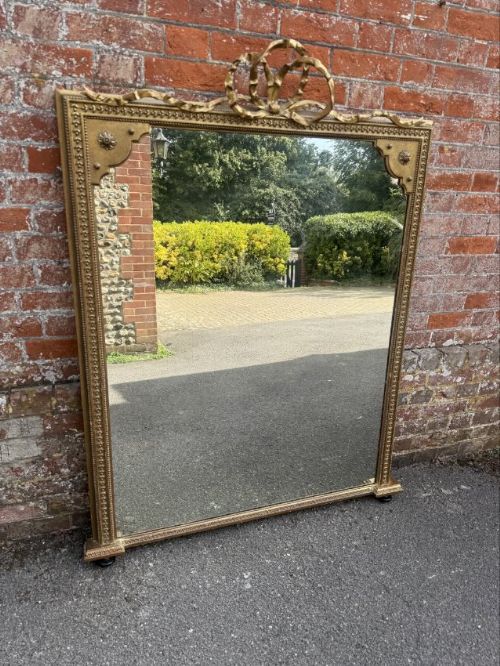
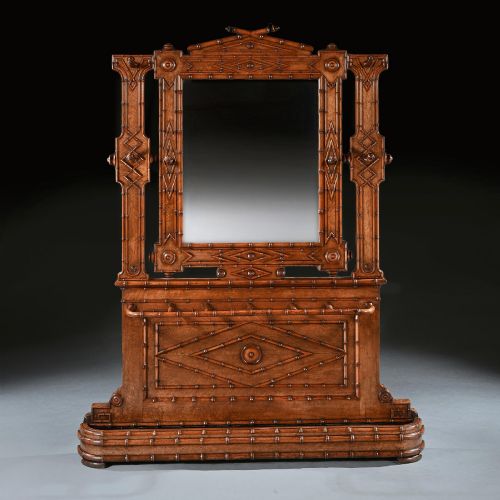
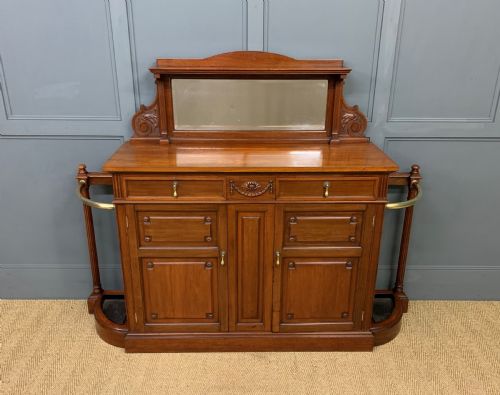
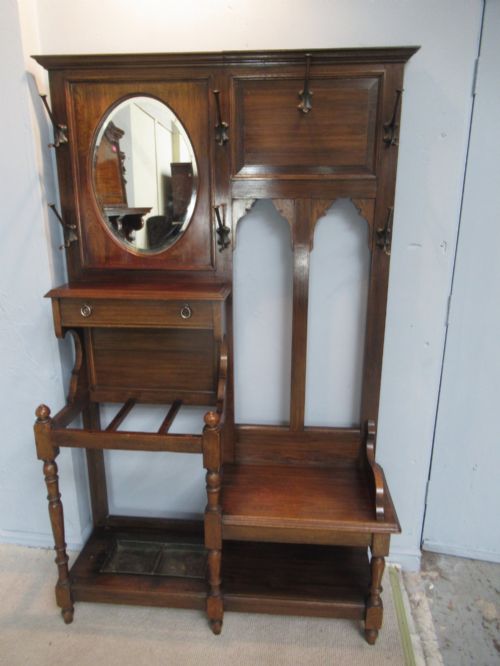
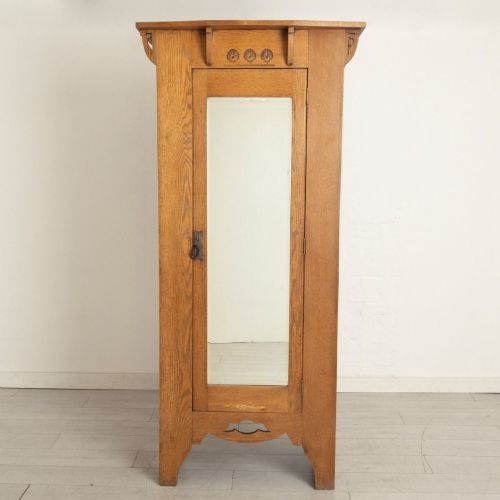
An antique carved hall mirror is encountered primarily as a wall-mounted glass plate or integrated into larger entrance furniture such as hall stands and console tables. These pieces date predominantly from the nineteenth and early twentieth centuries, spanning Victorian, Edwardian, and Arts and Crafts periods.
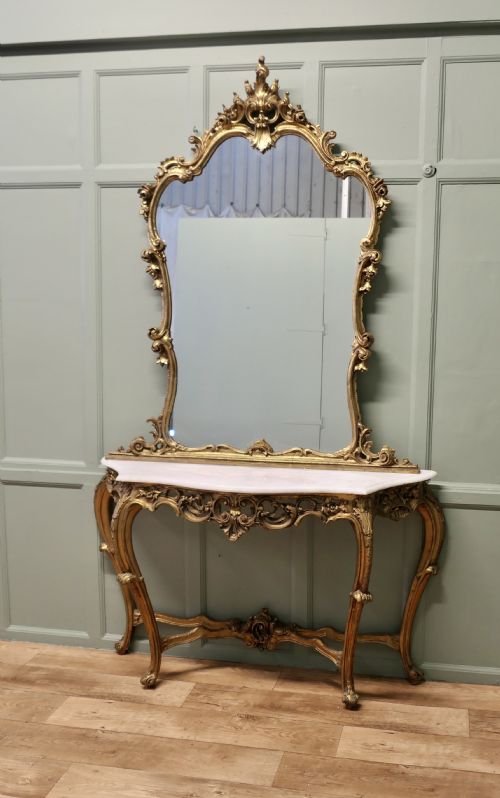
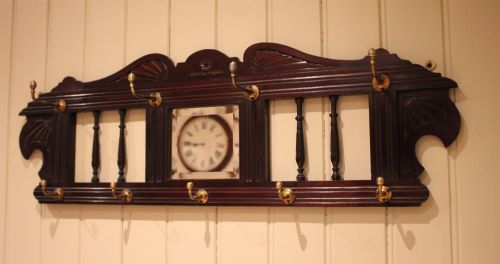
The forms vary from simple oak wall frames fitted with coat hooks to grand giltwood pier mirrors and console combinations designed for formal reception spaces. Makers utilised timber and glass to create functional hallway furniture that reflected light in narrow spaces.
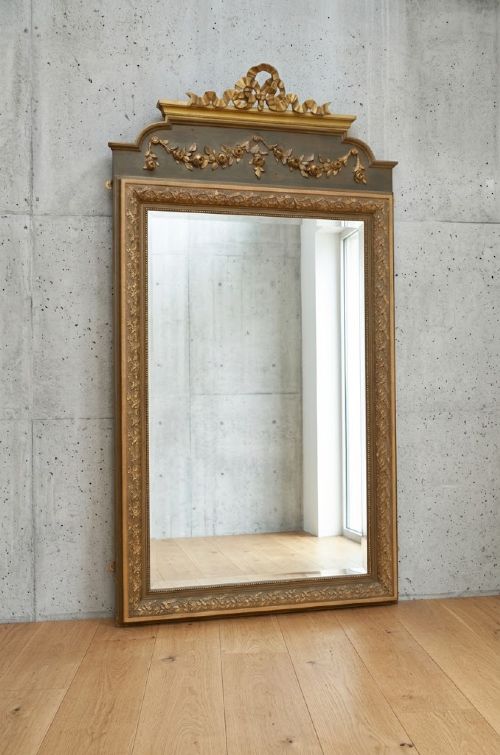
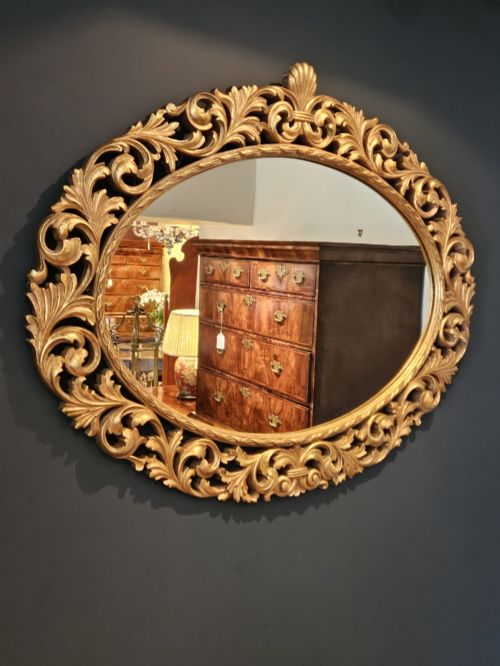
Buyers seeking an antique carved hall mirror will find pieces exhibiting regional British styles alongside French Neoclassical and Rococo Revival influences. The selection ranges from compact oak frames to tall architectural mirrors with carved details.
Materials and Construction
The primary structure relies on hardwoods such as oak, mahogany, walnut, and rosewood, often shaped by hand chisels to form floral motifs, scrolls, and rope twist borders. Giltwood and gesso frames depend upon skilled application of gold leaf or surface gilding over a prepared plaster and timber base.
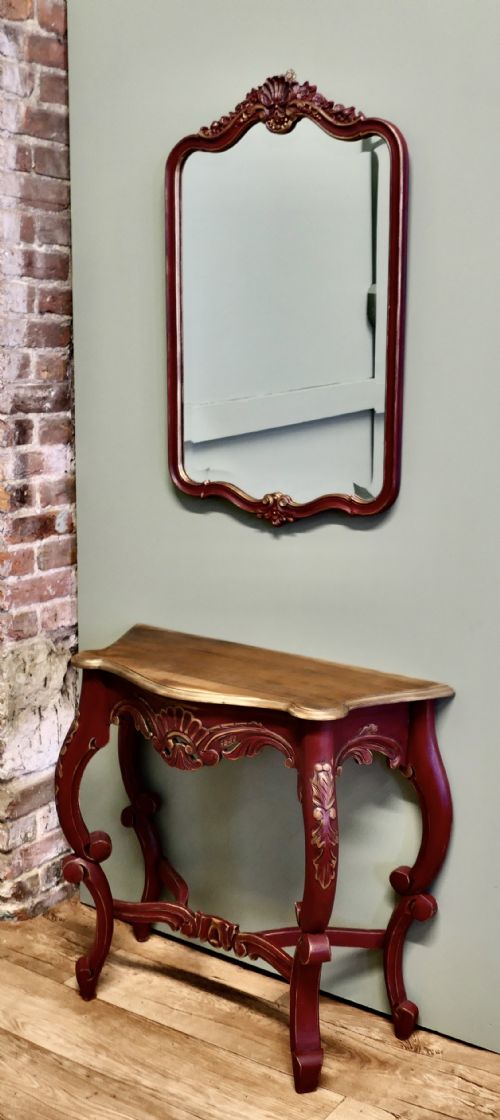
Glass plates are set within rebated frames, sometimes retaining original bevelled edges that refract light distinctly. Metal elements, including brass coat hooks and bronze mounts, complement the timber structures and provide durable hanging points for garments and hats.
Listings feature oak, walnut, and mahogany frames spanning the Victorian, Edwardian, and Arts and Crafts periods.
Evaluating Craftsmanship
Quality in an antique carved hall mirror is determined by the depth and precision of the timber carving, where crisp undercut details distinguish superior workshop output from mass-produced late pieces. The integration of auxiliary components, such as solid brass hooks and original bevelled glass plates, elevates a piece.
The choice of primary wood, whether highly figured walnut, rich mahogany, or quartersawn oak, indicates the maker's original investment in materials. Construction methods, including traditional joinery on frames and hall stands, separate durable utilitarian items from decorative reproductions.
Shoolbred & Co.
The Antique Carved Hall Mirror Glossary
- Pier Mirror
- A tall mirror designed to hang on the wall space between windows, often paired with a console table beneath. These pieces frequently feature architectural crests and substantial frames.
- Giltwood
- Timber, typically pine or gesso-coated wood, covered with a thin layer of gold leaf. This finish produces a luminous surface that catches hallway light.
- Bevelled Glass
- A mirror plate with an angled edge ground down to a thinner profile. This traditional technique creates a prismatic border around the reflection.
- Fretwork
- Openwork ornamentation carved or cut from thin boards of wood. It is commonly found on Georgian Revival and Victorian wall frames.
- Console Table
- A table fixed to a wall and supported by front legs or brackets, frequently paired with a matching mirror above. They serve as compact hallway surfaces for everyday items.
Antique Carved Hall Mirror: Frequently Asked Questions
How were antique hall mirrors used?
They served a practical purpose in entrance halls, allowing residents and guests to check their appearance before stepping outside. Many designs incorporated hooks, umbrella stands, or small shelves to hold hats and calling cards.
In period homes, the reflective surface also served to brighten dark corridors by bouncing natural light from adjacent rooms. They functioned as both a utilitarian station and a decorative focal point for visitors.
Where should I hang a hall mirror?
Position the mirror at eye level opposite a light source or an interior doorway to maximise the illusion of space and natural illumination. Ensure the wall structure can support the weight of heavy timber frames or combined console units.
Consider the clearance needed if your chosen piece includes coat hooks or a shelf, keeping the surrounding walkway unobstructed. Height placement should balance the proportions of the hallway furniture positioned beneath it.
How do I identify Victorian hall mirrors?
Victorian pieces often feature dense, deep-relief carving in dark woods like mahogany and walnut, reflecting the period's preference for rich, substantial furnishings. Look for hallmarks of the era such as hand-bevelled glass plates and robust mortise and tenon joinery.
Stylistic cues range from heavy architectural overmantel designs to Gothic revival motifs and elaborate Rococo scrolls. Maker stamps on the reverse or within cabinetry sections can further confirm the nineteenth-century origin.