

Antique Carved Chiffonier
An antique carved chiffonier is a low dining room sideboard with doors and shelves, offering useful surface space and timber character for a traditional room.
Antique Carved Chiffonier
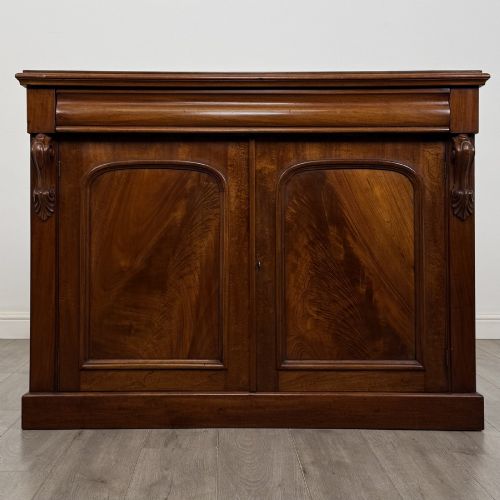
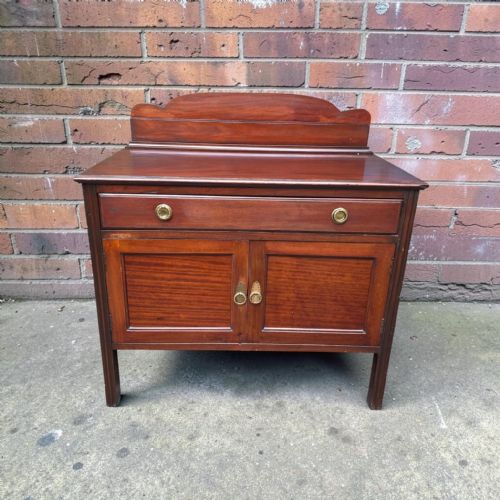
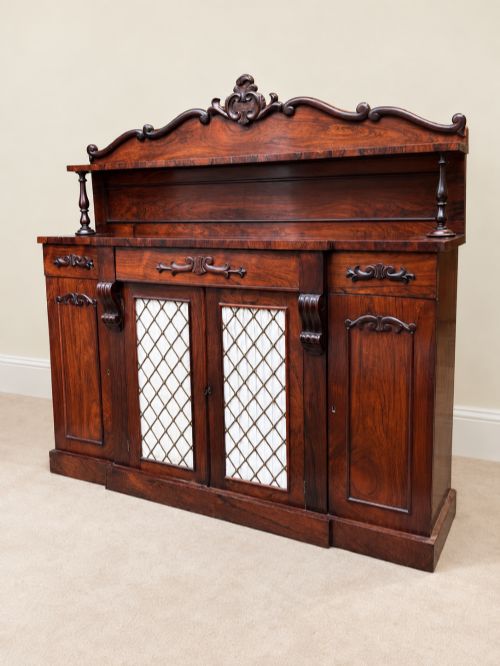
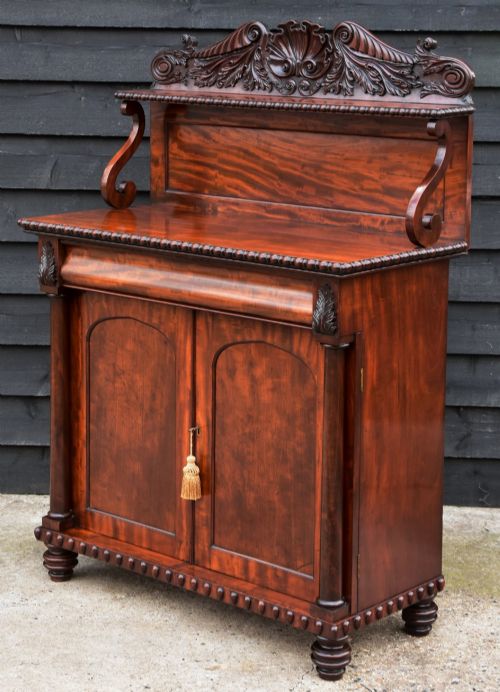
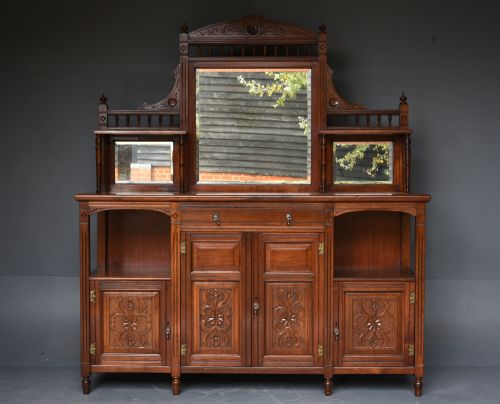
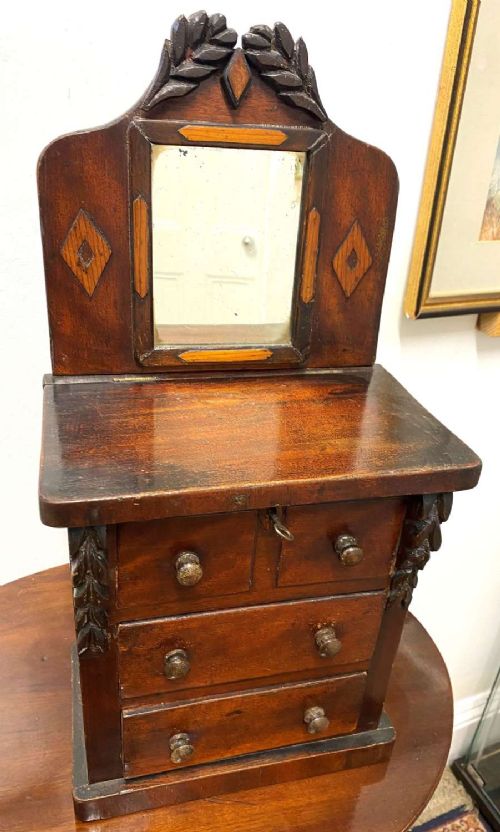
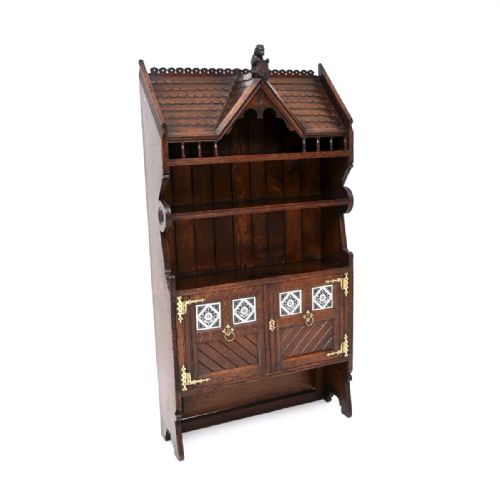
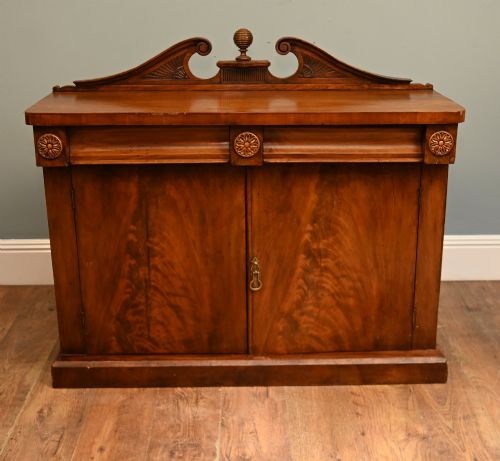
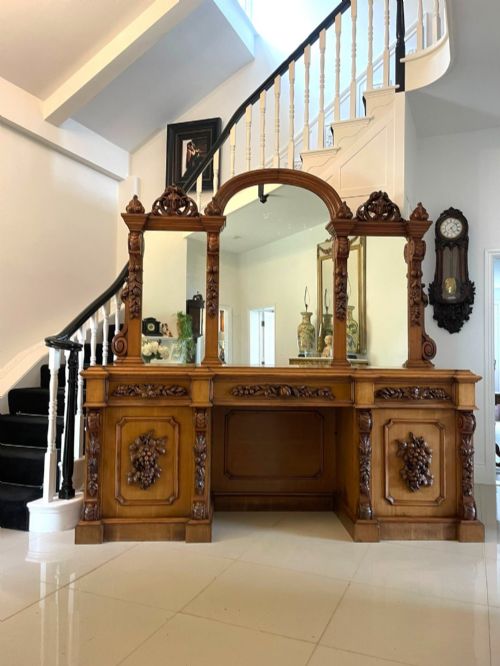
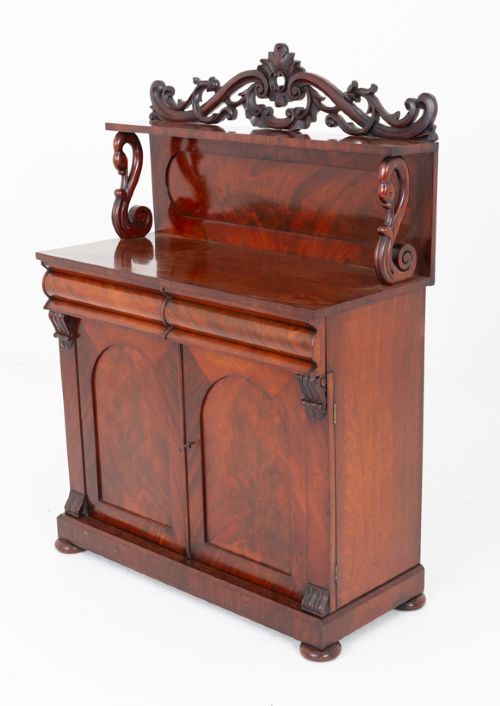
An antique carved chiffonier typically combines a low closed cupboard base with upper tiers, shelving or mirror backs, evolving from Regency and William IV dining room furniture into robust Victorian forms. Buyers searching this phrase encounter low side cabinets designed for serving and display, frequently standing against dining room walls.
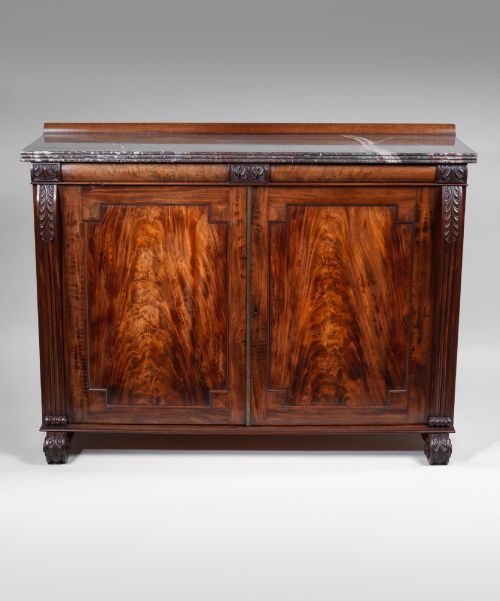
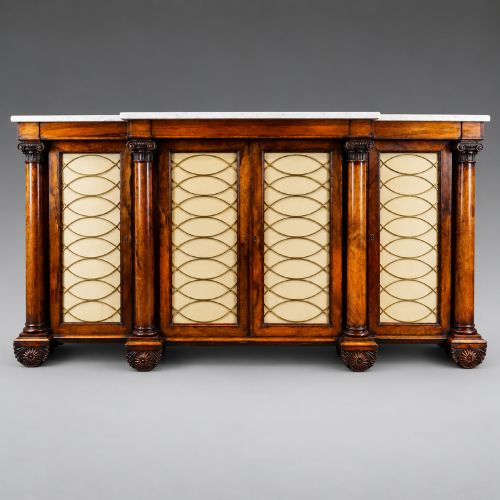
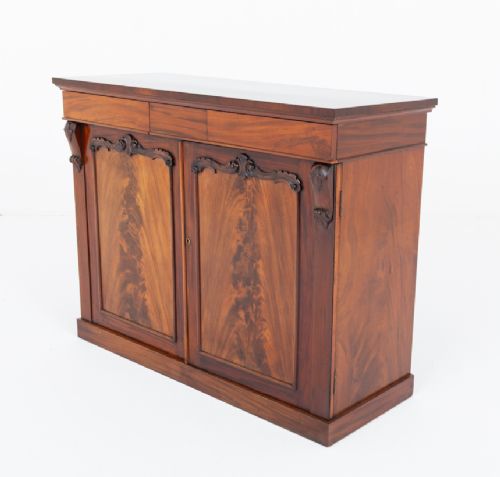
The versions most commonly met on this page span the nineteenth century, including early rosewood Regency models, figured mahogany pieces from the eighteen-sixties, and heavier carved oak or pollard oak examples from the late Victorian period. These low sideboards serve practical storage needs while bringing distinct period character to contemporary interiors.
Materials and Construction
Cabinet makers built these pieces using solid timbers and rich veneers, selecting mahogany, rosewood, burr walnut, pollard oak, and padouk for their grain and depth. Secondary woods formed internal framing while brass inlay, glass panels, and mirrored backs added reflective light and surface ornamentation.
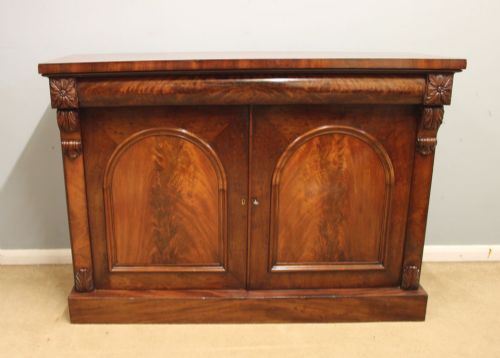
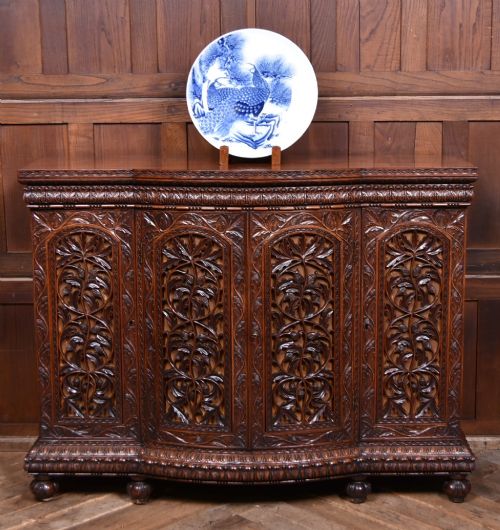
Carving was executed by hand directly into the solid mahogany or oak door panels and scrollwork supports, grounding the architectural proportions. Flame mahogany veneers were carefully matched across cupboard doors to create symmetrical grain patterns.
Antique Carved Chiffonier Retail Price Guide 2026
Typical asking prices for carved chiffonier among the pieces listed under this phrase on Sellingantiques today, from the lower quarter to the upper quarter. They describe what is for sale here now, not the wider market.
Craftsmanship and Proportion
Quality rests in the selection of timber figures, such as dense flame mahogany or figured pollard oak, and the precision of the hand-carved mouldings. Superior examples display refined proportions, integrated structural turnings, and well-fitted interior shelves behind panelled doors.
John Moyr Smith·Gillows
The Antique Carved Chiffonier Glossary
- Chiffonier
- A low sideboard or cabinet featuring enclosed cupboards below and often shelves or a mirror superstructure above. This form developed during the Regency period to hold plate and glassware.
- Flame mahogany
- Timber cut from the fork of the mahogany tree to produce a flickering, fiery grain pattern. Cabinet makers reserved this veneer for principal exterior surfaces.
- Mirror back
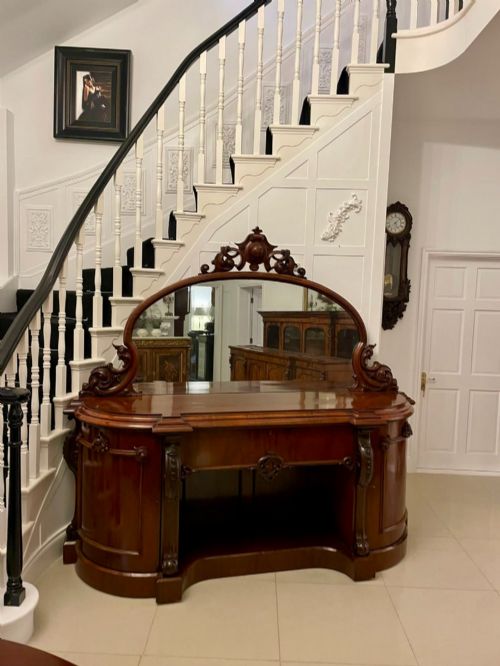
- An upright wooden frame inset with a glass mirror attached to the rear of a sideboard. This addition reflects dining room light and displays decorative objects.
- Pollard oak
- Oak timber taken from trees that were cut back near the trunk to stimulate dense, mottled growth rings. It produces a distinctive speckled surface texture.
Antique Carved Chiffonier: Frequently Asked Questions
What is an antique carved chiffonier used for?
These cabinets served in nineteenth-century dining rooms as auxiliary storage for serving dishes, cutlery, and glassware.
Today they function as practical sideboards in living spaces, holding books or media while providing display surface on top.
How do I date an antique chiffonier?
Dating relies on timber choice, hardware style, and structural proportions spanning the Regency to late Victorian eras.
Early nineteenth-century pieces often employ rosewood and brass inlay, whilst later Victorian versions feature heavier carved oak and mirror backs.
Where should I place a chiffonier?
A chiffonier suits dining rooms, hallways, or living rooms where wall space accommodates a low cabinet.
Pieces with mirror backs benefit from placement opposite windows to reflect natural light into darker corners.
Are chiffoniers and sideboards the same?
A chiffonier is a specific, generally smaller type of sideboard featuring a low cupboard base with shelves or a mirror above.
Traditional sideboards often span longer horizontal lengths without the upper tier superstructure characteristic of chiffoniers.