
Antique Carved Candlesticks
These antique carved candlesticks span centuries of craftsmanship, offering practical illumination and sculptural presence for the home.
Antique Carved Candlesticks
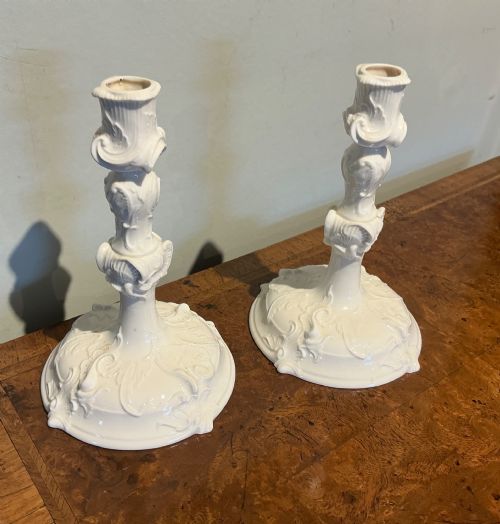
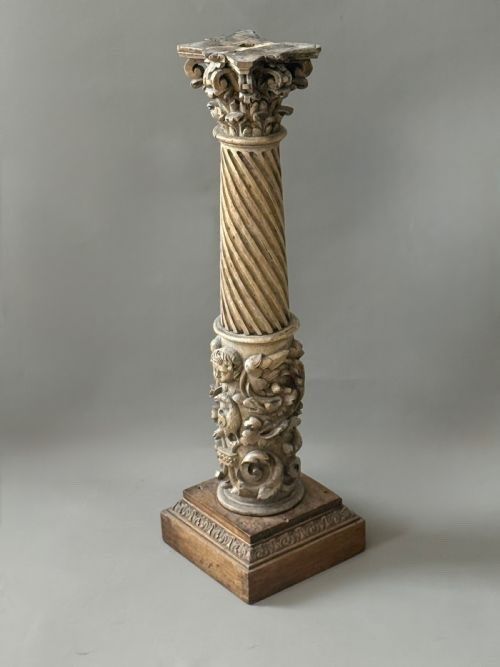
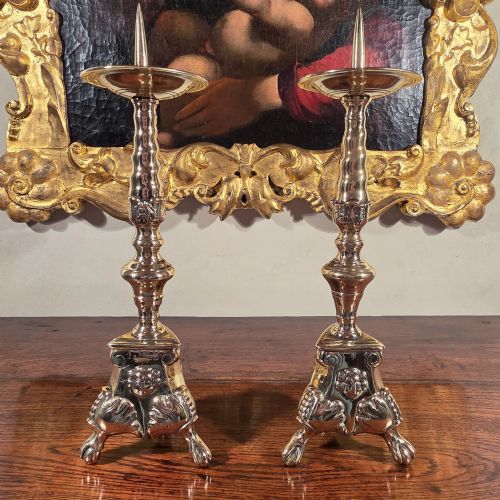
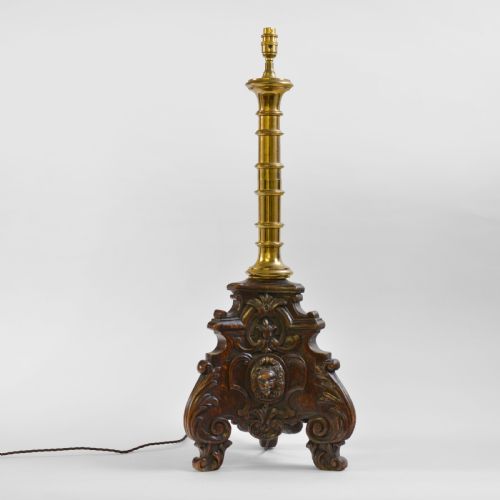
When you search for antique carved candlesticks, you encounter objects designed to elevate candles or adapted into lamp bases. The selection ranges from compact table pieces to monumental floor-standing torcheres.
Most examples originate from European workshops, featuring forms associated with Italian Baroque, French decorative traditions, and English domestic interiors. Pieces from the seventeenth through the early twentieth centuries dominate the selection.
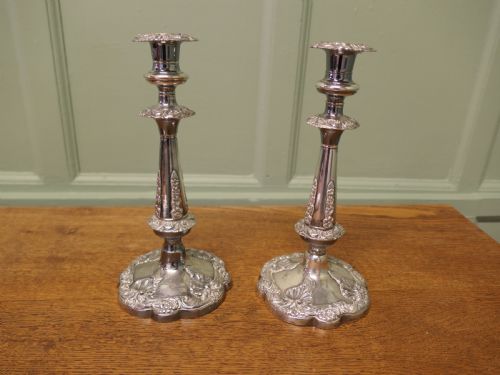
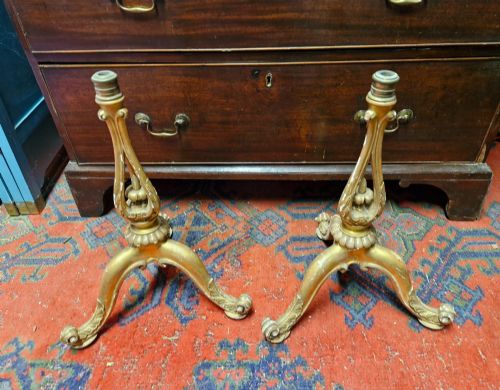
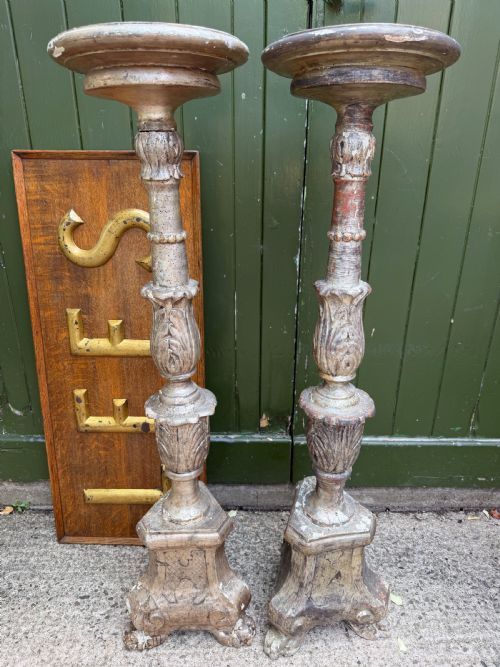
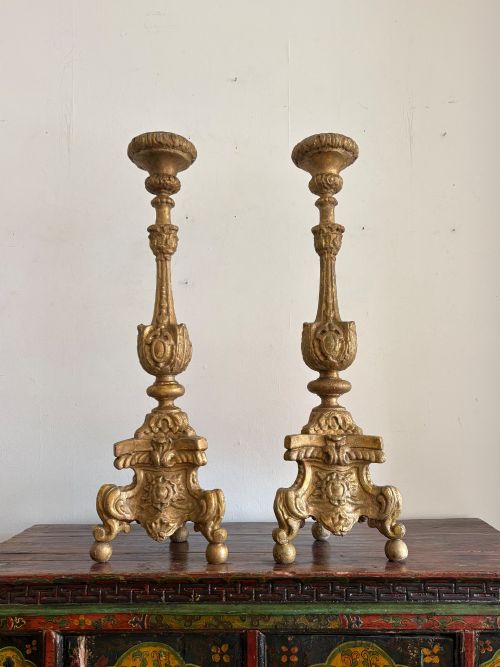
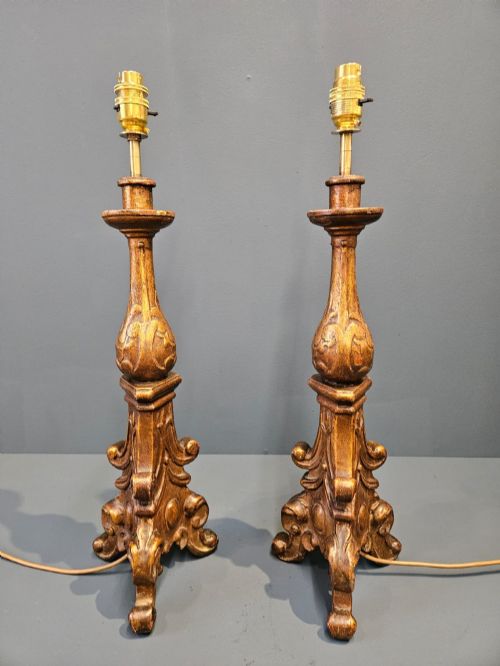
Makers utilised carved timber, fruitwood, and pine as foundations for giltwood, silvered finishes, and original paint schemes. Many items reflect ecclesiastical origins, including altar candlesticks and prickets.
How they were made
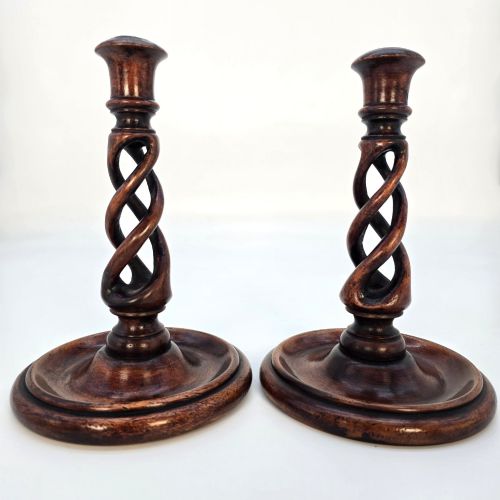
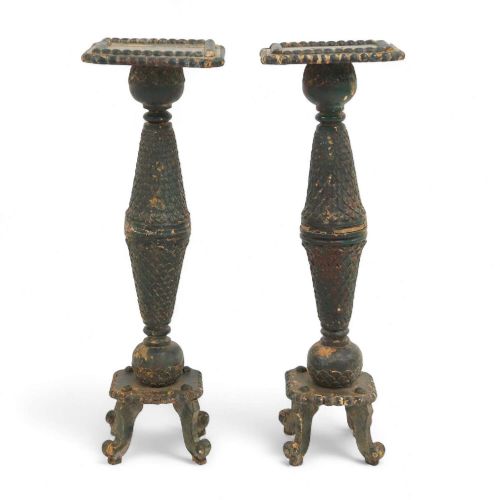
Carvers shaped solid woods such as oak, fruitwood, and pine using hand chisels to create barley twists, figural columns, and architectural pillars. Artisans then applied preparatory gesso layers before adding gold leaf, silver leaf, or polychrome paint.
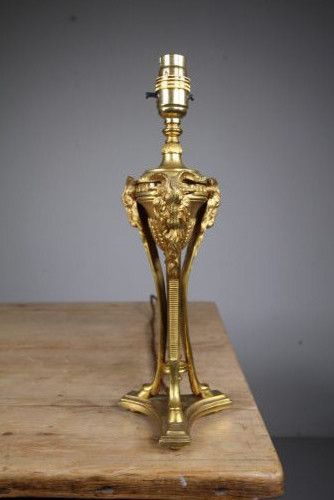
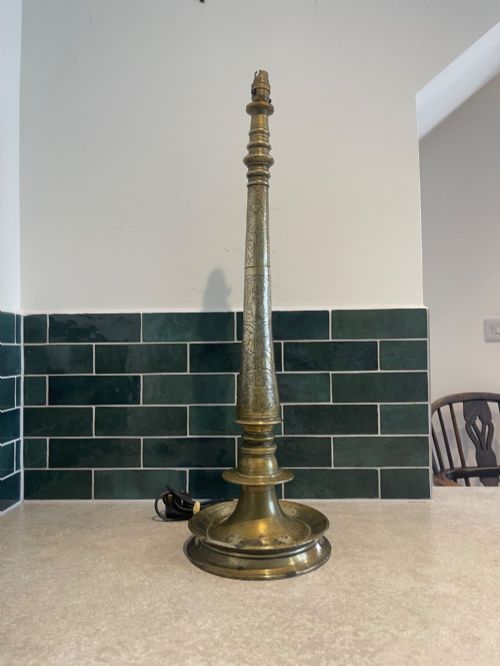
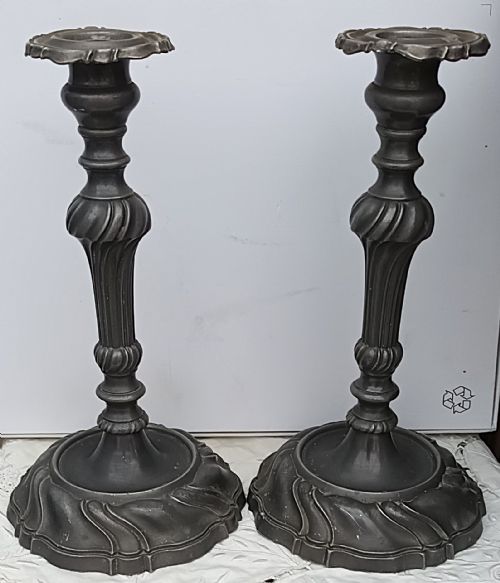
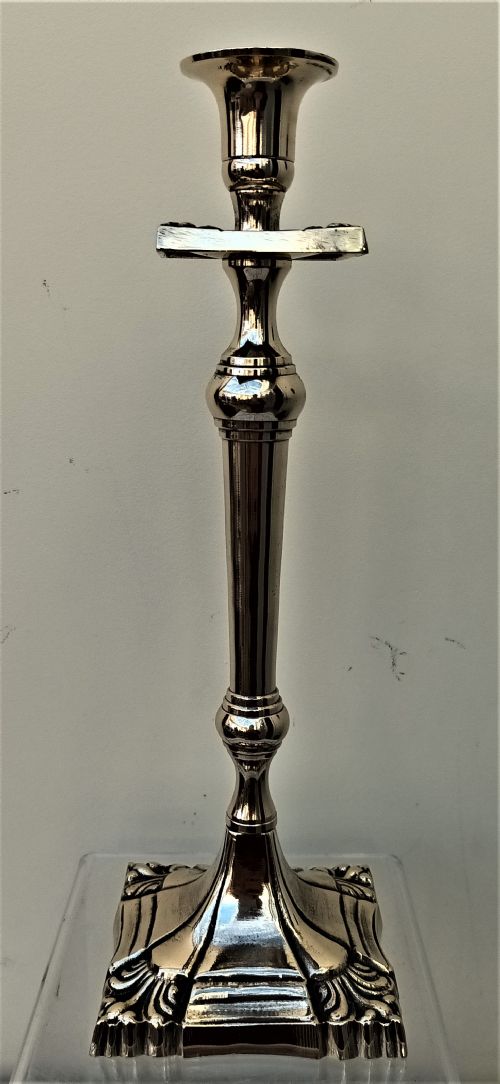
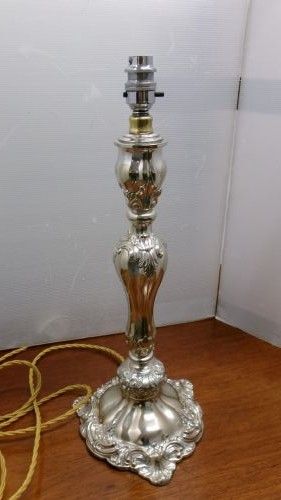
Metal components, including brass, bronze, and plated silver, were cast and chased, occasionally combining with timber elements. Surface treatments relied on traditional hand-finishing techniques that left tool marks and natural patination.
Several items double as memento mori reminders, bringing a slightly macabre edge to evening dining.
What varies in quality
The sculptural ambition of the carving separates standard items from exceptional pieces. Crisp detail in drapery, acanthus leaves, or figural anatomy indicates superior workshop execution.
The integrity of the original surface finish dictates value. Examples retaining untouched gilding, original polychrome, or aged paint display greater authenticity than later over-painted restorations.
The Antique Carved Candlesticks Glossary
- Torchere
- A tall stand or candlestick designed to hold a light source high above the floor. These pieces often feature tripod bases and elaborate carved ornament.
- Pricket
- A sharp metal spike on a candlestick designed to skewer and hold a candle upright. This form appears frequently on ecclesiastical altar pieces.
- Giltwood
- Timber coated with a thin layer of gold leaf or gold paint over a gesso base. This technique creates a luminous surface that catches candlelight.
- Barley twist
- A spiral column carved into wood, popular in seventeenth-century and later revival furniture. It adds dynamic movement to the profile of a candlestick.
- Socle
- A short plinth or pedestal supporting a sculpture or candlestick base. It provides physical and visual stability to taller objects.
Antique Carved Candlesticks: Frequently Asked Questions
Are these candlesticks wired for electricity?
Many antique carved candlesticks have been converted into table lamps or standard lamps over time. Conversions range from professional setups to older adaptations.
Buyers can find both purely original candle holders and electrified variants depending on intended use.
How do I date a wooden candlestick?
Dating relies on stylistic markers, tool marks, and the ageing of underlying materials like gesso and pine. Seventeenth and eighteenth-century pieces often display hand-turned asymmetry and heavy patination.
Later Victorian and Edwardian items frequently show revival styles such as Jacobean or Rococo.
What is an altar candlestick?
Altar candlesticks originated in religious settings, frequently standing taller than domestic equivalents to illuminate church interiors. They often incorporate heavy wooden pillars, pricket tops, and giltwood finishes.
Their substantial scale makes them effective statement pieces in modern rooms.
How should I clean gilded wood?
Giltwood surfaces require gentle maintenance with a dry, soft brush to remove dust. Moisture and modern cleaning chemicals can damage delicate gold leaf and historical gesso layers.
Preserving the original dry surface maintains the integrity of the object.