




Antique Carved Angels
Antique carved angels bring centuries of devotional and decorative craftsmanship into your space, ranging from small wooden putti to large architectural wall reliefs.
Antique Carved Angels
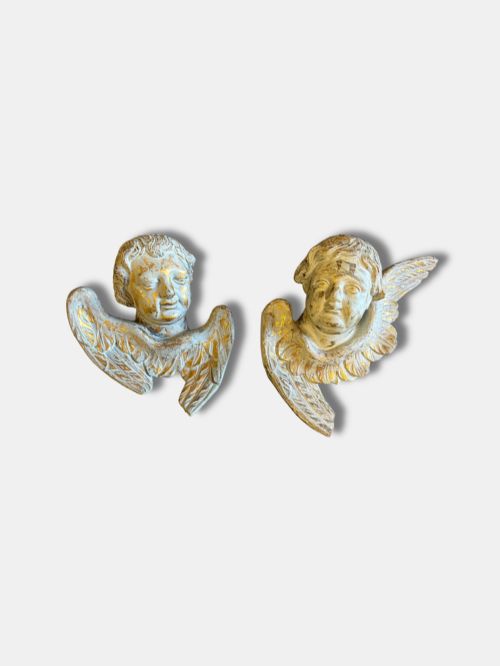
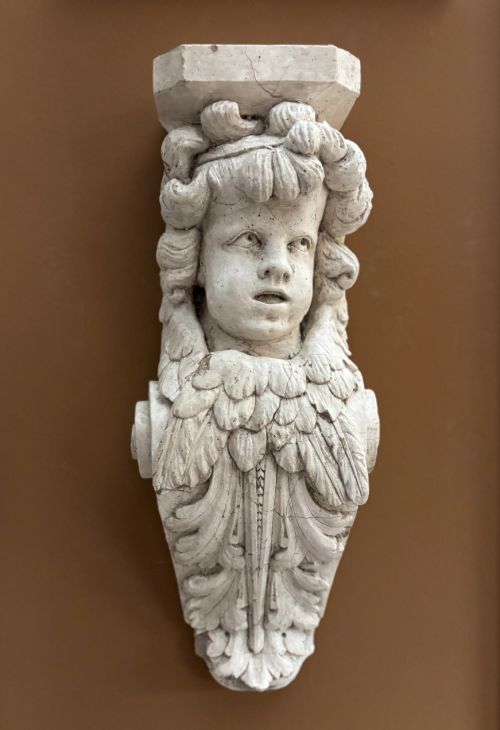
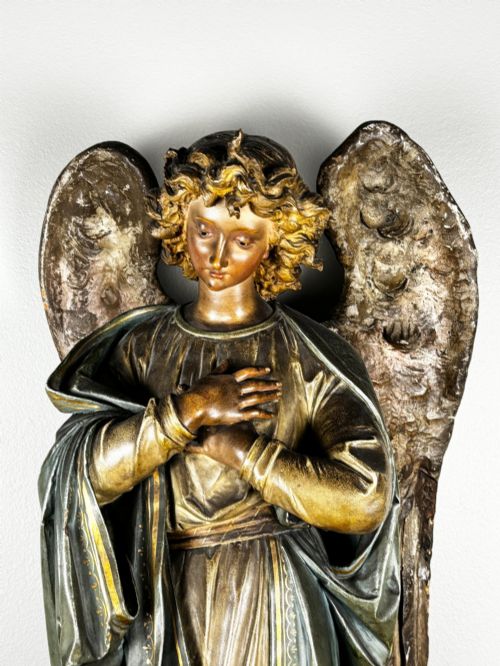
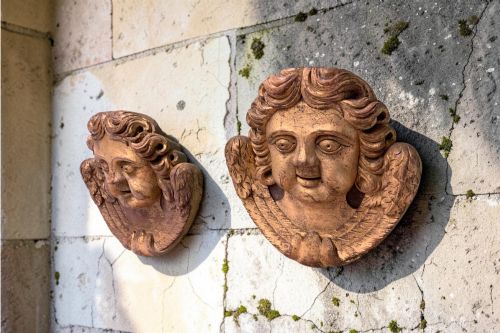
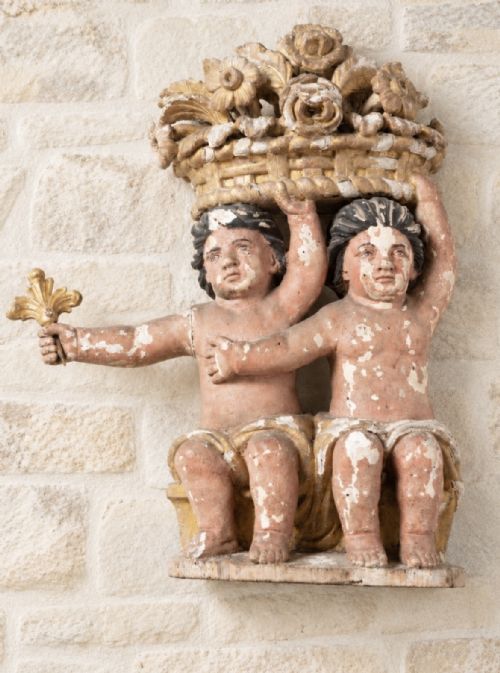
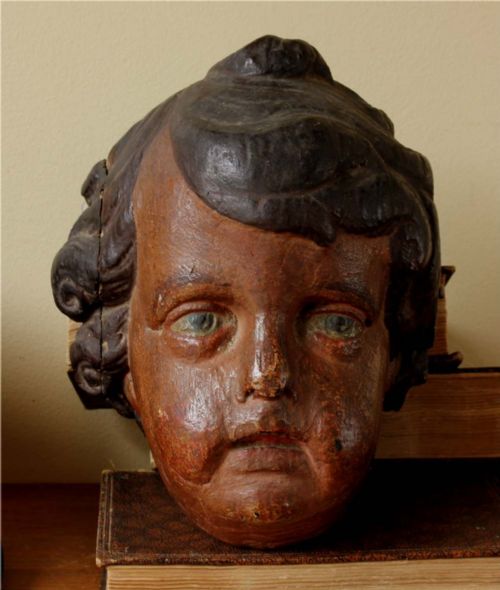
Antique carved angels encompass a diverse array of devotional sculptures, architectural fragments, and decorative wall brackets originating from various European and international traditions. The selection frequently includes French and Italian church carvings, ranging from individual cherub heads to full figures mounted on clouds.
Buyers will encounter items spanning several centuries, with particular emphasis on pieces from the seventeenth, eighteenth, and nineteenth centuries. Forms vary from standalone statues and wall corbels to relief panels and architectural salvage originating from ecclesiastical settings.
How they were made
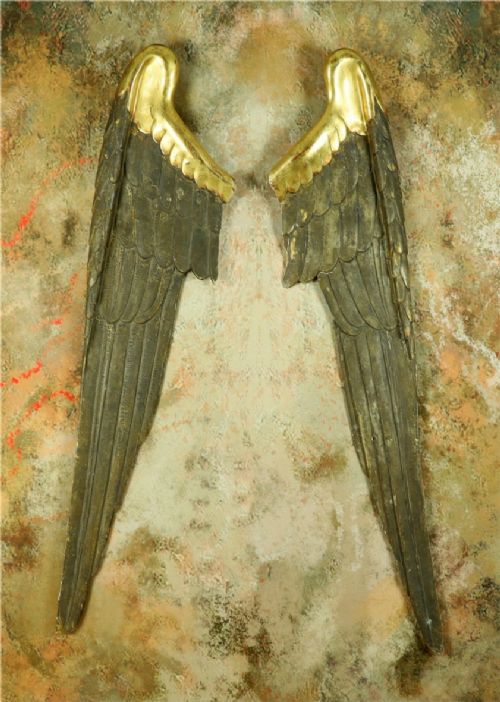
Carvers predominantly utilised solid timbers such as oak and general carved wood to shape these figures, often applying gesso and gold leaf to achieve a gilded surface finish. Many pieces feature polychrome paint or silvered applications, reflecting the decorative styles of their respective periods.
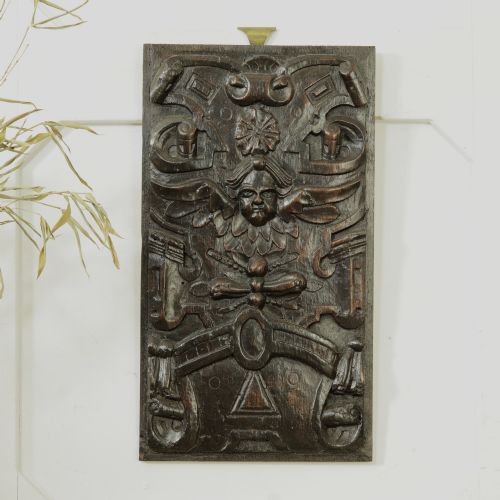
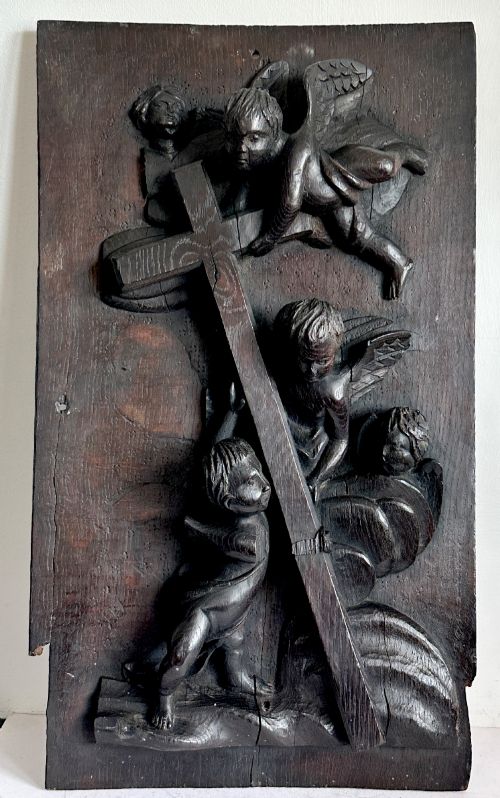
Techniques range from high-relief panel carving to free-standing sculptural work. Surface treatments include layered preparation with gesso before gilding or painting, creating depth and texture on the wooden substrate.
Antique Carved Angels Retail Price Guide 2026
Typical asking prices for carved angels among the pieces listed under this phrase on Sellingantiques today, from the lower quarter to the upper quarter. They describe what is for sale here now, not the wider market.
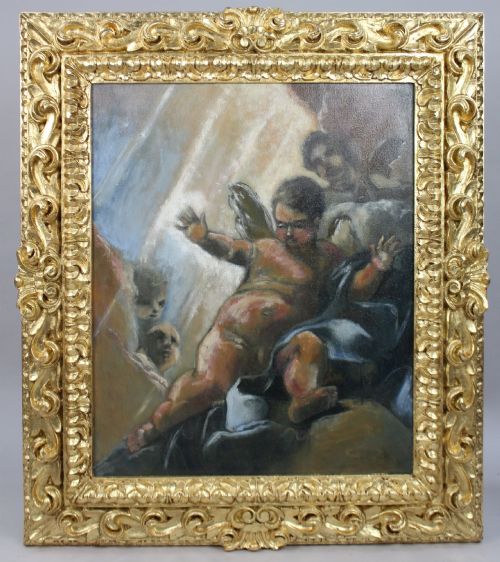
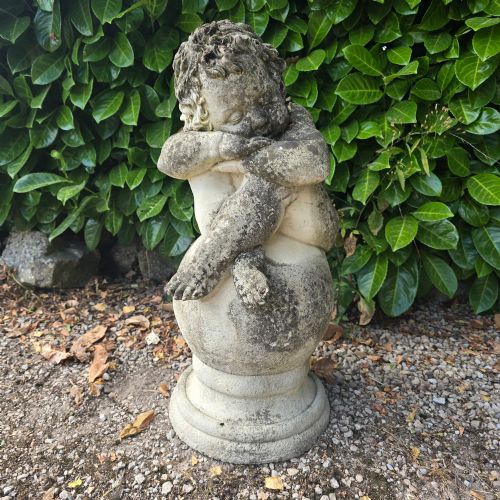
Sleeping cherubs and slumbering putti remind viewers that even celestial messengers occasionally require a nap.
What varies in quality
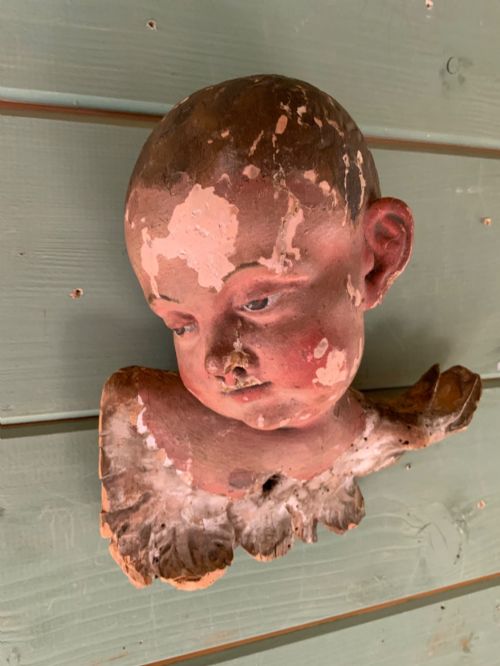
The preservation of original surface finishes, such as early polychrome pigment or untouched gold leaf, distinguishes superior specimens. Pieces retaining their original church or domestic context demonstrate greater artistic cohesion than heavily restored alternatives.
The Antique Carved Angels Glossary
- Putto
- A representation of a human infant, usually winged, often found in art from the Renaissance onwards. These figures frequently appear in church carvings and decorative wall brackets.
- Giltwood
- Wood that has been treated with gesso and covered with thin sheets of gold leaf. This finish appears frequently on Baroque and later ecclesiastical ornaments.
- Polychrome
- Painted in several colours. This technique was applied to wood sculptures to impart lifelike hues to skin, hair, and vestments.
- Wall Corbel
- A structural member projecting from a wall to support a weight. In this context, these items often take the form of carved angels or putti.
- High-Relief
- Sculptural elements that project boldly from the background. This method gives carved panels a strong three-dimensional presence.
Antique Carved Angels: Frequently Asked Questions
Where were antique carved angels displayed originally?
These figures typically originated inside churches, chapels, and domestic ecclesiastical settings. Many served as architectural elements, altarpieces, or wall supports.
Over time, numerous items transitioned into private collections and secular interior decor. They continue to function as wall-mounted art or freestanding decorative objects in modern homes.
How do I identify seventeenth-century carvings?
Seventeenth-century pieces frequently utilise heavy oak and exhibit deep, robust relief work characteristic of the period. Stylistic cues often align with Baroque or Jacobean aesthetics.
Examining the tool marks and the natural ageing of the timber helps determine the era. Surfaces often show signs of historical dry finish rather than modern synthetic coatings.
What is the difference between a cherub and a putto?
A putto depicts a secular winged infant derived from classical mythology, whereas a cherub possesses biblical connotations within religious iconography. In antique trade terminology, these terms are frequently used interchangeably.
Both forms dominate church carvings and decorative architectural fragments from the seventeenth through the nineteenth centuries.
How should I clean antique wood carvings?
Dusting gently with a soft, dry brush is the safest method for maintaining wooden sculptures. Moisture and harsh chemical cleaners should be avoided to protect fragile gesso and polychrome layers.
Maintaining stable humidity levels prevents the timber from splitting or warping over time. Professional conservation advice is recommended for delicate gilded surfaces.