





Antique Carriage Panel
When you search for an antique carriage panel, you find horological clock components and architectural items ranging from Victorian brass cases to Georgian painted coaching pieces.
Antique Carriage Panel
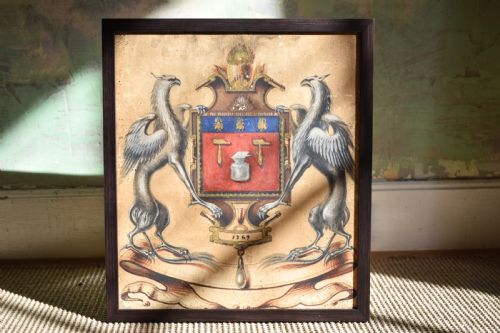
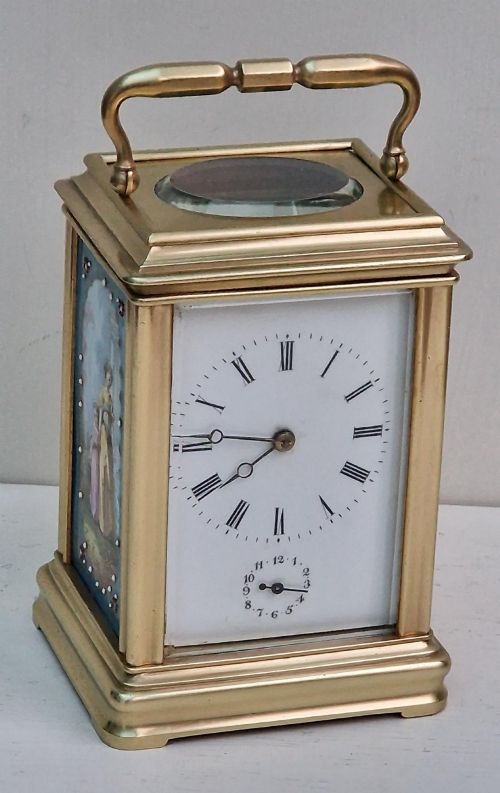
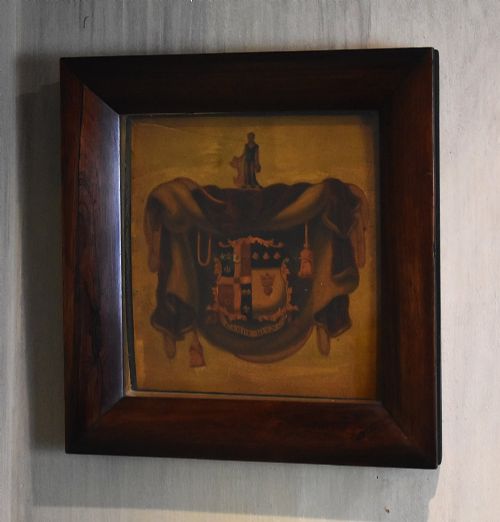
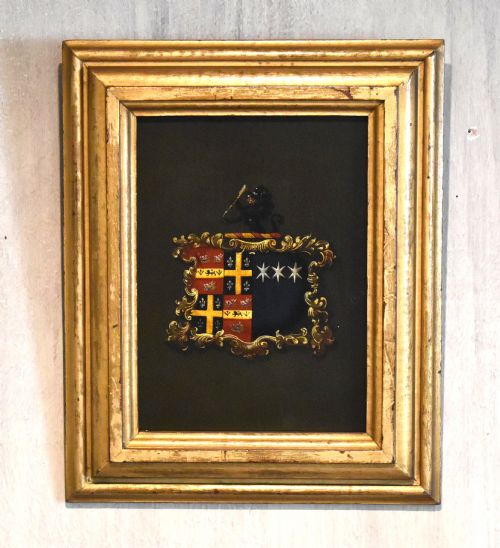
An antique carriage panel encompasses decorative elements from travel timepieces and architectural salvage, with clock components forming the majority of the items seen. These include porcelain, enamel, glass, and bronze panels housed within brass cases dating from the Victorian and Edwardian eras, alongside earlier Georgian painted coach panels.
The horological selections feature striking mechanisms, repeater movements, and miniature formats produced by French and English makers. Architectural examples extend to railway carriage doors fitted with period glass.
Dating spans from the eighteenth century through to the mid-twentieth century, capturing shifts in design from traditional French aesthetics to later industrial forms.
How they were made
Construction relies on heavy brass framing, often gilt, combined with bevelled glass panels to showcase the internal mechanics. Decorative dials and decorative side inserts utilise fired enamel, hand-painted porcelain, and cast bronze.
Artisans applied chased detailing to metalwork and employed gouache on parchment or paper for early framing artwork and trade cards. Architectural timber doors incorporate decorative glass panels reflecting period design influences.
Antique Carriage Panel Retail Price Guide 2026
Typical asking prices for carriage panel among the pieces listed under this phrase on Sellingantiques today, from the lower quarter to the upper quarter. They describe what is for sale here now, not the wider market.
Some miniature clocks are small enough to travel in fitted leather boxes, complete with their original paperwork.
What varies in quality
Distinction across the range rests on the complexity of the movement and the artistic merit of the integrated panels. Examples featuring signed works by noted makers and hand-painted enamel or bronze inserts demonstrate higher craftsmanship than standard production timepieces.
The integrity of the housing, the inclusion of original paperwork or fitted boxes, and the precision of chased brass or gilt work elevate individual items.
Margaine Of France·Brunelot·L Epee·J C Vickery London·Alfred Drocourt
The Antique Carriage Panel Glossary
- Carriage clock
- A portable spring-driven timepiece originally designed for travel during the nineteenth century. These clocks typically feature brass frames with glass panels.
- Repeater
- A mechanism in a clock that sounds the hours and quarters upon pressing a button. This complication requires intricate internal gearing.
- Coach panel
- A painted wooden or metal section bearing heraldic coats of arms or armorial bearings from horse-drawn vehicles. These pieces reflect Georgian and Regency traditions.
- Crystal regulator
- A mantel clock constructed with glass panels on all four sides to expose the movement. They often feature porcelain dials and coloured enamel accents.
- Chased
- Metalwork decorated by hammering or indenting from the front to create raised patterns. This technique adds texture to brass and bronze clock cases.
Antique Carriage Panel: Frequently Asked Questions
What is an antique carriage panel?
An antique carriage panel refers to decorative inserts used in travel clocks or painted heraldic panels sourced from coaches and railway doors.
They span periods from the Georgian era to the mid-twentieth century, combining materials like brass, enamel, porcelain, and glass.
How do carriage clocks work?
Carriage clocks utilise spring-driven movements that allow them to keep time without being stationary on a wall or mantel.
Many incorporate eight-day movements, striking mechanisms, and repeater functions operated by pressing a button on the top of the case.
Where were these items made?
The pieces originate primarily from French and English workshops active during the nineteenth and early twentieth centuries.
Clockmakers in Paris and London produced many of the signed brass and enamel timepieces seen today.
How do I care for antique brass and glass?
Maintain brass housings with a soft cloth to preserve the finish, avoiding harsh commercial polishes that can damage fine chased details.
Keep glass and enamel panels free from dust and ensure mechanical clocks receive professional servicing to protect the internal movements.