
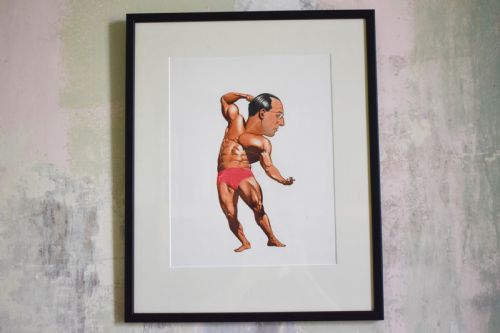


Antique Caricature Painting
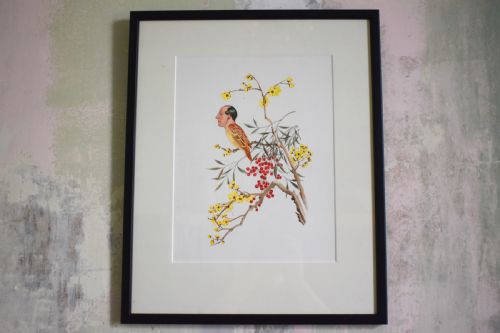
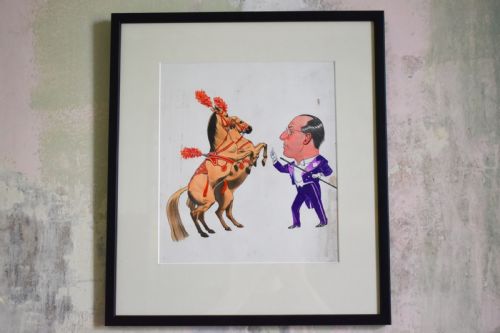
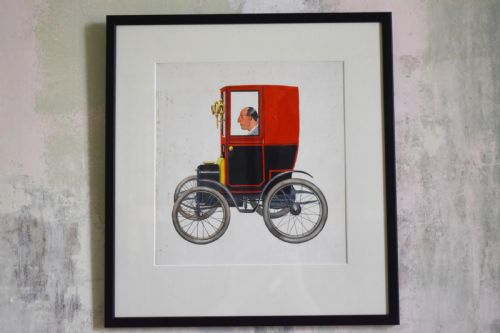
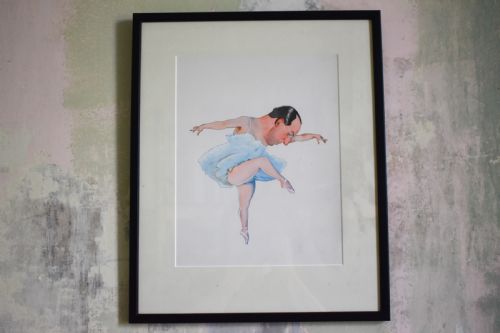
These antique caricature painting works capture social satire and humorous portraiture through the decades, offering sharp observations and vivid character studies for your walls.
Antique Caricature Painting
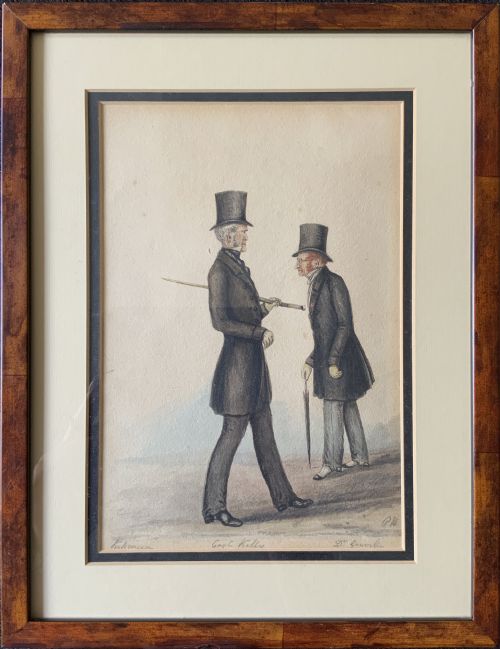
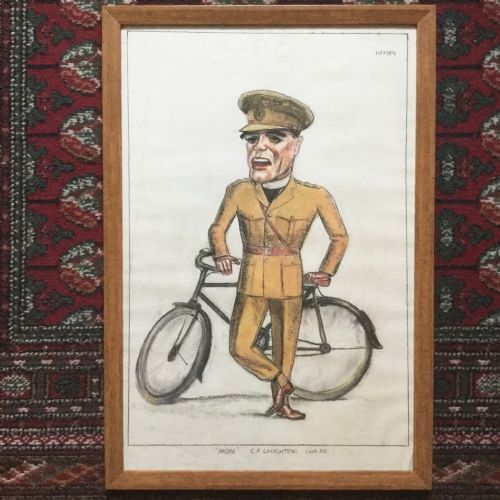
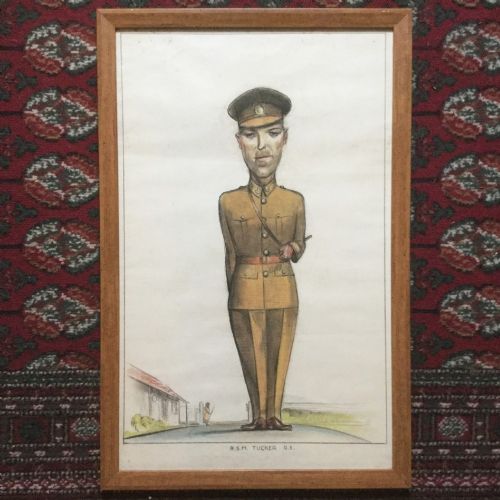
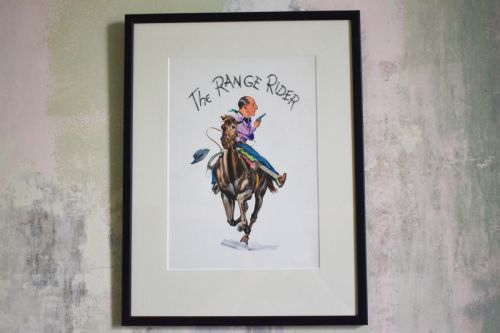
The pieces appearing on this page span several distinct periods, including the 19th century, Edwardian era, Victorian period, and 1930s and 1940s wartime illustrative styles. You will find framed artwork, wall art, framed drawings, and watercolour paintings originating from British and American makers.
Subjects vary widely from military officers and fishermen to whimsical animal studies and legal scenes like jury caricatures. These works serve as social historical documents as much as humorous artworks, reflecting the popular culture and public figures of their respective times.
Materials and techniques
Artists relied primarily on paper and wood supports, applying watercolours, gouache, pastel, and oil paint to build their humorous compositions. Many examples incorporate delicate watercolour washes alongside firmer pastel or gouache lines to accentuate facial expressions and costume details.
Framing often involves wood and glass to protect fragile works on paper, occasionally highlighted with gilt accents. Some pieces extend beyond flat media into carved wooden sculptures that bring three-dimensional wit to the subject matter.
Listings feature works spanning the 19th century through the 1940s, utilising watercolour, pastel, gouache, and oil paint on paper and wood.
Assessing quality and execution
The distinction between standard works and finer examples lies in the confidence of the draughtsmanship and the sharpness of the characterisation. Superior pieces demonstrate fluid brushwork or deft pastel strokes that convey personality instantly without relying on heavy-handed exaggeration.
Condition and preservation of the original paper or canvas play a significant role, as works executed in watercolour or pastel are sensitive to light and moisture over the centuries. Signed pieces or works attributable to known illustrators carry greater documentary weight and artistic distinction.
H.S 'Andy Anderson'·Albert Guillaume·Snaffles·John Leech·John Nixon
The Antique Caricature Painting Glossary
- Gouache
- An opaque water-based paint that dries to a matte finish, often combined with transparent watercolour in these works to add solid highlights.
- Pastel
- A dry drawing medium consisting of powdered pigment and a binder, used extensively in portrait sketches to achieve soft gradations of tone.
- Regency
- A period in British history spanning the early 19th century, associated with distinctive social satire and satirical print culture.
- Watercolour
- A paint where the pigments are suspended in a water-based solution, forming the primary medium for many historical illustrative works.
Antique Caricature Painting: Frequently Asked Questions
What subjects do these paintings feature?
These works depict a wide array of subjects, ranging from military officers and sailors to fishermen and legal figures in courtroom scenes. Animal subjects, such as geese caricatures, also appear among the illustrative designs.
Artists drew inspiration from everyday society, military life, and public entertainment, recording the distinct character types of the nineteenth and twentieth centuries with humour and satire.
How should I display works on paper?
Works executed on paper, such as watercolours and pastel sketches, require careful placement away from direct sunlight to prevent fading. Framing behind protective glass with conservation-grade mounts helps shield the delicate pigments from environmental damage.
Maintaining stable indoor humidity levels ensures that both the paper support and any wooden frames remain preserved for years to come.
How are different periods identified?
Dating relies on stylistic clues, artist signatures, costume details, and framing methods typical of specific eras like the Victorian period or the 1940s. Wartime illustrative pieces often bear specific markers of their decade through uniform details and artistic techniques.
Comparing signatures against historical records helps place undated pieces within the correct artistic movement or decade of production.
What is the difference between watercolour and pastel?
Watercolour involves transparent pigments applied with water to a paper support, creating luminous washes and fine linear details. Pastel uses dry pigment sticks that leave a velvety, opaque texture on the paper surface.
Artists frequently combined both mediums or utilised gouache alongside them to achieve varied surface textures and contrasting highlights in satirical portraits.