








Antique Card Board
These antique card board items are period games boards and tables that bring traditional parlour entertainment into a modern room.
Antique Card Board
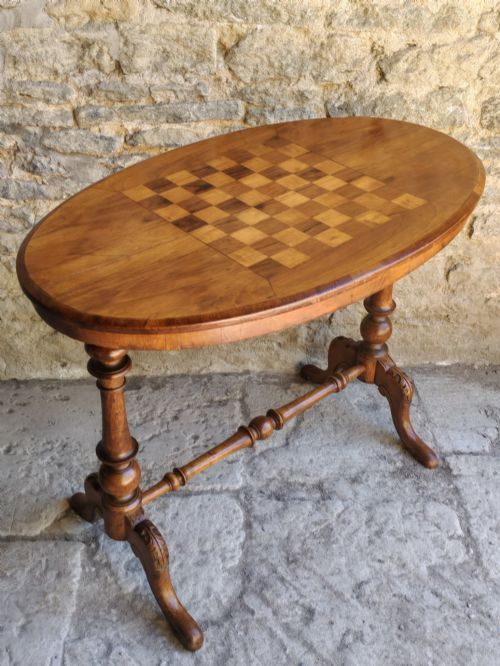
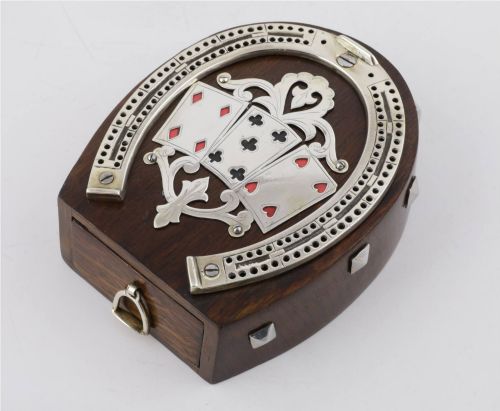
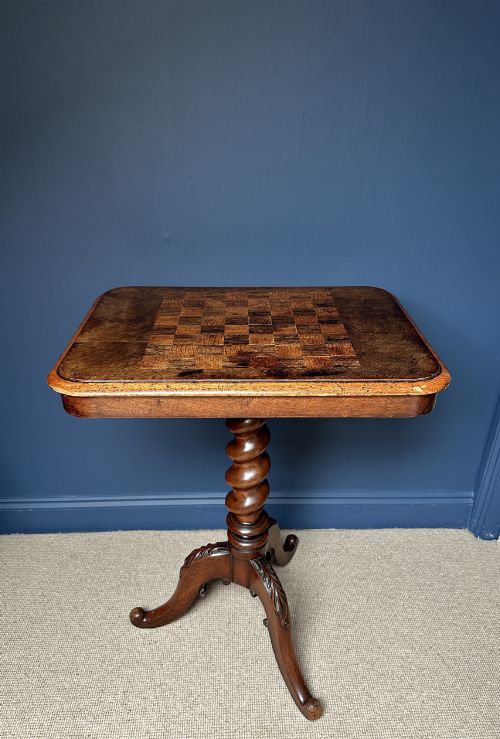
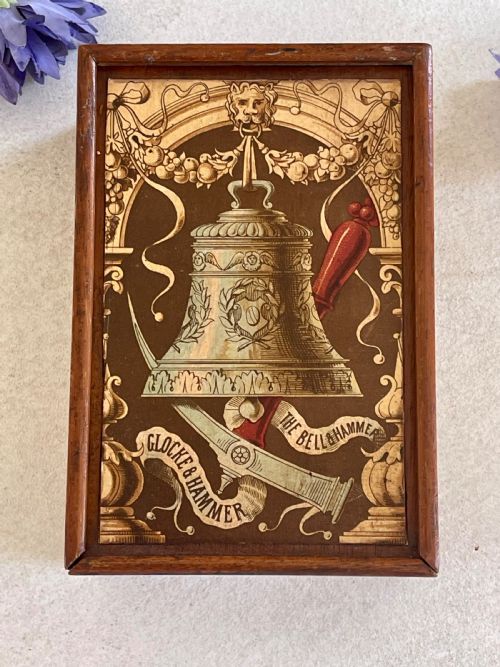
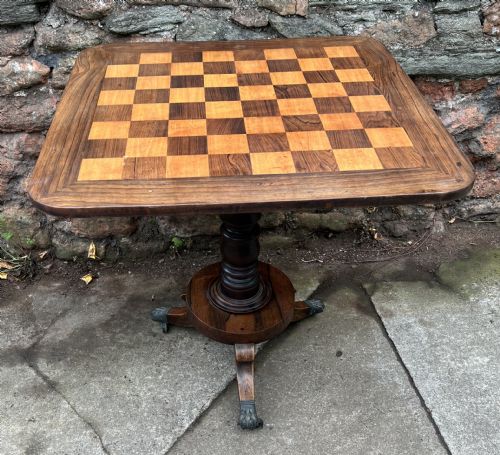
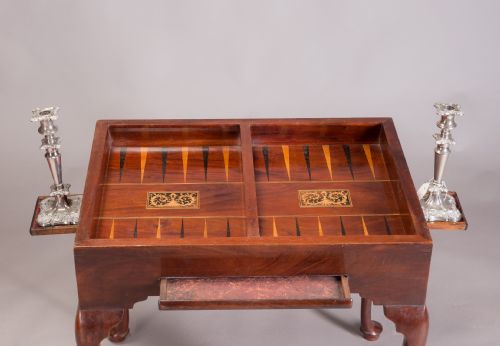
When you search for antique card board, you encounter a selection of tables, folding boards, and specialised boxes intended for pastimes like cribbage, chess, and Pope Joan. The forms span the Georgian, Regency, and Victorian periods, reflecting the domestic leisure habits of the nineteenth century.
Origins vary from English workshops to Irish cabinet makers and occasional overseas examples in specimen woods. Each piece demonstrates how nineteenth-century households integrated social gaming into daily life through dedicated furniture and accessories.
How they were made
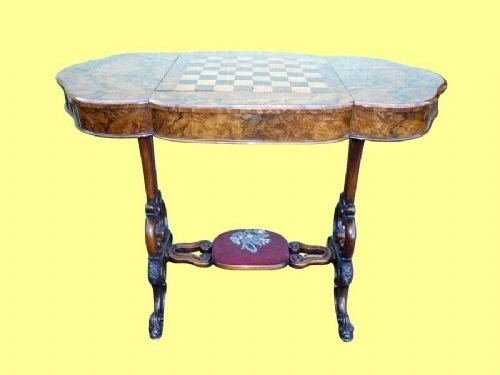
Cabinet makers constructed these tables and boxes using solid hardwoods such as mahogany, walnut, and rosewood, frequently applying burr walnut or satinwood veneers for decorative effect. Inlays of contrasting timbers defined the playing surfaces for chess and draughts directly into the wood.
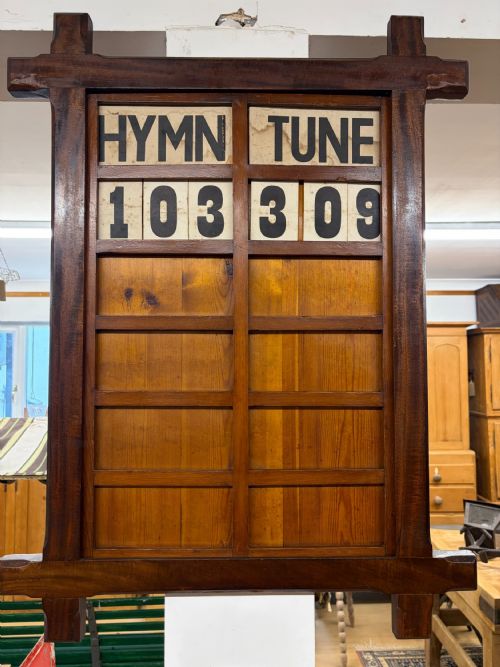
Smaller items incorporate brass hinges, bone markers, and paper components such as playing cards and hymn numbers. Workmanship relied on precise joinery to ensure folding table tops and sliding box lids functioned smoothly over generations of use.
Antique Card Board Retail Price Guide 2026
Typical asking prices for card board among the pieces listed under this phrase on Sellingantiques today, from the lower quarter to the upper quarter. They describe what is for sale here now, not the wider market.
Listings span the Georgian, Regency, and Victorian periods, utilising materials such as mahogany, walnut, brass, and bone.
What varies in quality
The distinction between ordinary and superior examples lies in the choice of timber and the precision of the inlay work. Finer games tables utilise burr veneers and intricate multi-wood chequering, while simpler items rely on plain oak or mahogany.
Completeness also influences the standing of a piece, particularly when original components like bone cribbage pegs, card boxes, and game bells remain intact. The integration of dual-purpose designs, such as tables that function as both writing desks and games surfaces, indicates higher ambition in the original manufacture.
The Antique Card Board Glossary
- Cribbage board
- A scoring device featuring tracks of small holes used to record points in the card game cribbage. These are frequently fashioned from wood, bone, or brass.
- Pope Joan
- A traditional eighteenth and nineteenth-century board game played with counters and a spinning dial or painted layout. Surviving sets often include specialised boards and boxes.
- Specimen wood
- Furniture or objects assembled from numerous distinct varieties of timber, often displaying contrasting natural colours and grain patterns. These pieces frequently originated from specific regional workshops.
- Chequered top
- A pattern of alternating light and dark squares incorporated directly into the surface of a table or board to facilitate games like chess. This effect was achieved through careful wood inlay.
Antique Card Board: Frequently Asked Questions
What games were played on these boards?
The listings show equipment for cribbage, chess, and parlour games such as Pope Joan. These pastimes formed a central part of nineteenth-century domestic entertainment.
Participants used dedicated boxes for cards and markers, alongside folding tables designed specifically to accommodate the rules and pieces of each game.
How do I identify the period of a piece?
Dating relies on the prevailing timber choices and construction styles of the Georgian, Regency, and Victorian eras. Regency items often feature rosewood and gilt decoration, while mid-Victorian examples frequently display burr walnut veneers.
Hardware such as brass hinges and the presence of maker details or assay marks on silver components also help narrow down the date of manufacture.
Where were these items used in the home?
These tables and boxes belonged in the drawing room or parlour where guests gathered for evening entertainment. Drop-leaf and occasional tables could be moved easily to accommodate players.
Smaller cribbage boxes and game bells rested on side tables or mantelpieces, ready to be brought out when visitors arrived.
Are the playing cards and markers original?
Some pieces retain contemporary paper card numbers, bone pegs, and instruction sheets that date alongside the wooden boxes and boards. Other items survive as empty enclosures or have been paired with later playing pieces.
Reviewing the specific description of each listing clarifies whether the internal accessories belong to the original period.