




Antique Canvas Work
Antique canvas work brings tactile warmth and historic narrative to a room, offering enduring oil paintings on woven fabric alongside rustic wooden seating.
Antique Canvas Work
When you search for antique canvas work, you encounter a selection centred heavily upon oil paintings executed on woven canvas supports, alongside occasional wooden furniture forms such as garden benches. The pictorial works span the nineteenth century and extend into the mid-twentieth century.
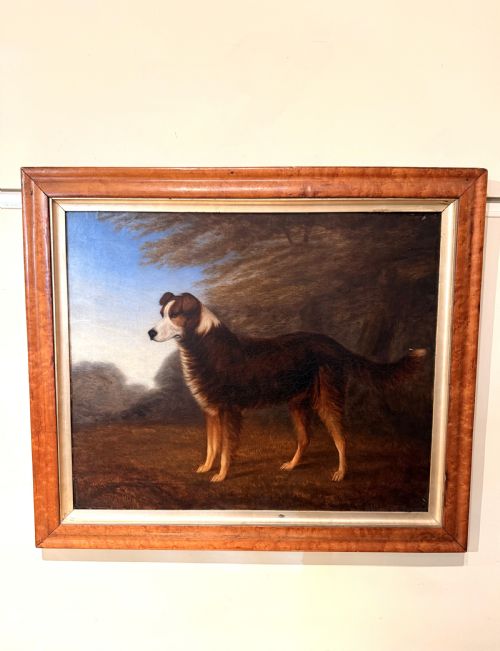
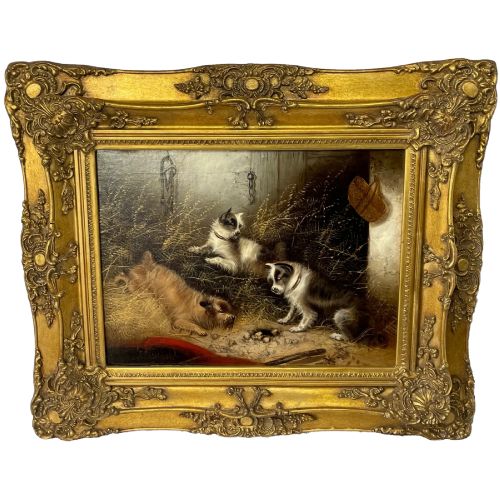
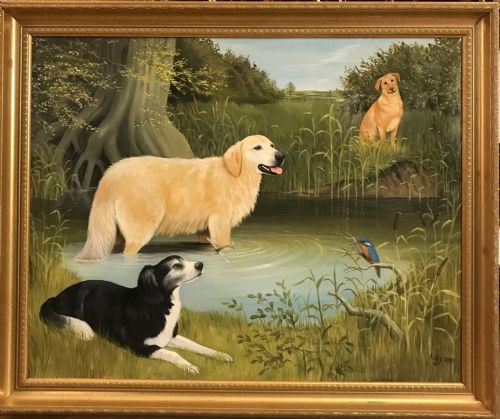
The subjects captured on these surfaces lean towards rural landscapes, farmyard scenes, heavy working horses and detailed portraits of terriers and collies. Many examples stem from British and European artistic traditions, reflecting Victorian pastoral life and traditional realism.
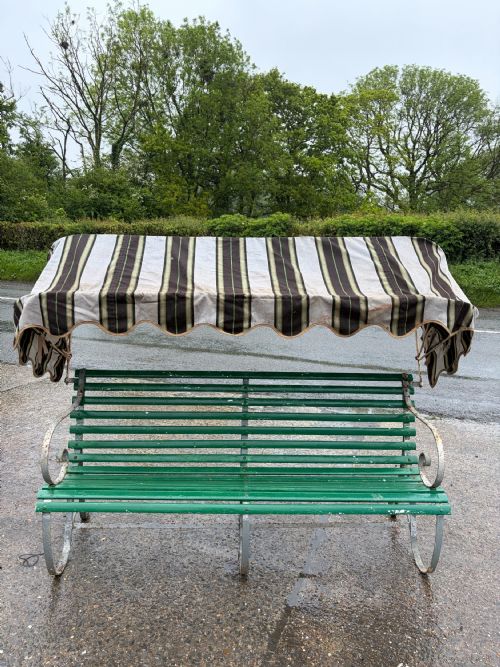
While painted artworks dominate the selection, structural pieces like garden benches appear among the offerings. These diverse objects share a foundation in traditional craftsmanship, utilising durable materials that have survived decades of domestic and outdoor use.
Materials and construction methods
The pictorial works on this page rely fundamentally on oil paint applied to stretched canvas supports. Artists built up their compositions using rich pigments, sometimes incorporating gilt or gold leaf within the framing to enhance the presentation.
The physical frames and accompanying seating structures are fashioned from solid wood. These wooden elements provide sturdy housings for the paintings and functional support for garden furniture, utilising traditional joinery and protective finishes suitable for their intended environments.
Antique Canvas Work Retail Price Guide 2026
Typical asking prices for canvas work among the pieces listed under this phrase on Sellingantiques today, from the lower quarter to the upper quarter. They describe what is for sale here now, not the wider market.
Several canvas works feature determined terriers guarding rats and working the scent.
Evaluating quality and execution
Quality in these pieces rests upon the confidence of the brushwork and the anatomical accuracy of the figures and animals depicted. Finer works display deliberate handling of light and shadow, particularly in complex rural scenes and animal portraits.
The preservation of the original canvas surface and the harmony of the surrounding frame also dictate the standing of an artwork. Superior examples retain their pigment stability and structural integrity without heavy, disfiguring restoration.
Edward Armfield·John Emms·Raimond Louis Lecourt·John Trivett Nettleship·John Frederick Herring·John Linnell·James William Booth·Colin Graeme Roe·Herbert Royle·Frederick J. Knowles·Ernest Higgins Rigg·Owen Bowen·Henry William Pickersgill·Maurice Wagermans·Abdul Kadir Al Rassam·George Cole·Frederick J Haycock·George Wright
The Antique Canvas Work Glossary
- Canvas
- A heavy woven fabric typically made from hemp or flax that serves as a flexible support for oil paintings.
- Oil paint
- A slow-drying paint made by combining pigments with a drying oil such as linseed, allowing for smooth blending and rich depth.
- Gilt
- A thin layer of gold leaf or gold paint applied to wooden frames or decorative surfaces to give a lustrous appearance.
- Genre painting
- Artwork that depicts aspects of everyday life by portraying ordinary people engaged in common activities.
Antique Canvas Work: Frequently Asked Questions
What subjects appear in these paintings?
The artworks primarily depict rural landscapes, harvest scenes, and working farm animals such as heavy horses and plough teams. Companion animals, particularly terriers and collies, also feature prominently across the selection.
These subjects reflect nineteenth-century and early twentieth-century rural life and sporting traditions. Artists captured the daily routines of the countryside with careful attention to realism.
How should I care for oil paintings on canvas?
Keep painted canvases away from direct sunlight and fluctuating humidity levels to prevent the fabric from warping and the paint from cracking. Dust the surface gently with a soft, dry brush without applying pressure.
Avoid using water or chemical cleaners on the paint layer. Professional conservation is recommended if the canvas requires cleaning or structural repair.
What periods do these pieces represent?
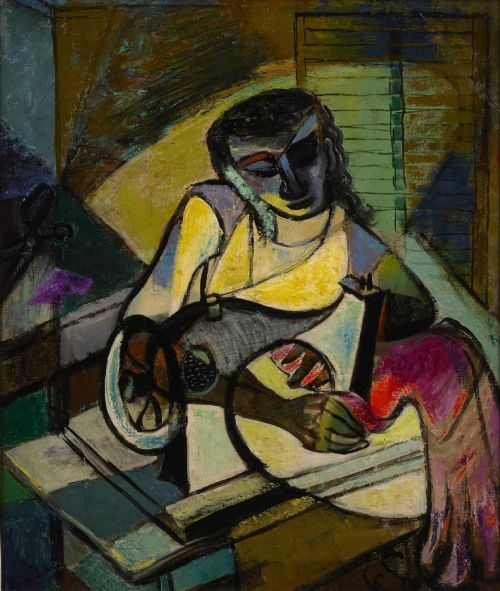
The items span from the nineteenth century through the Victorian era and into the mid-twentieth century, including works dated around nineteen-ten and nineteen-twenty.
This broad timeline encompasses shifting artistic movements such as British impressionism and traditional realism. Each piece carries the stylistic markers of its specific decade of creation.
Are all these items painted on fabric?
The majority of the art pieces utilise oil on canvas as their primary medium. These woven supports provide the textured foundation for the rural and animal scenes.
In addition to the paintings, the selection includes physical wooden objects such as garden benches. These items incorporate sturdy timber construction rather than fabric supports.