






Antique Canine Canvas
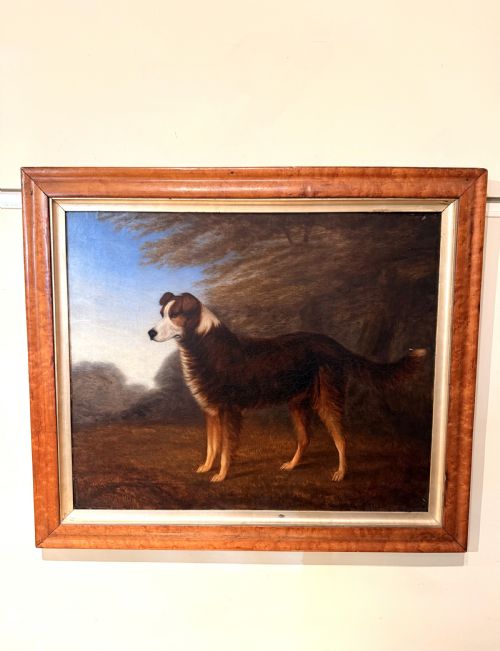
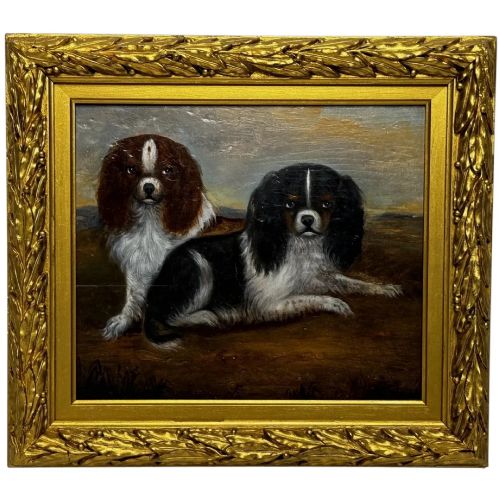
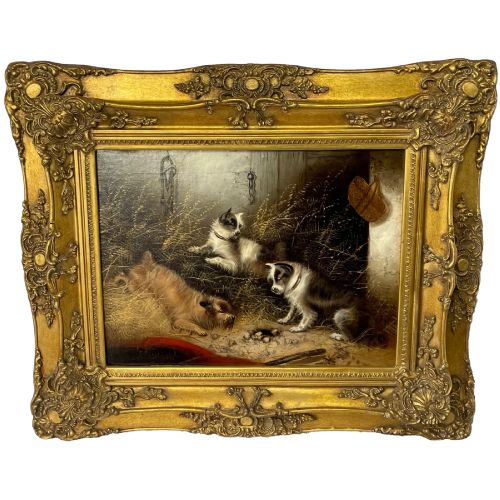
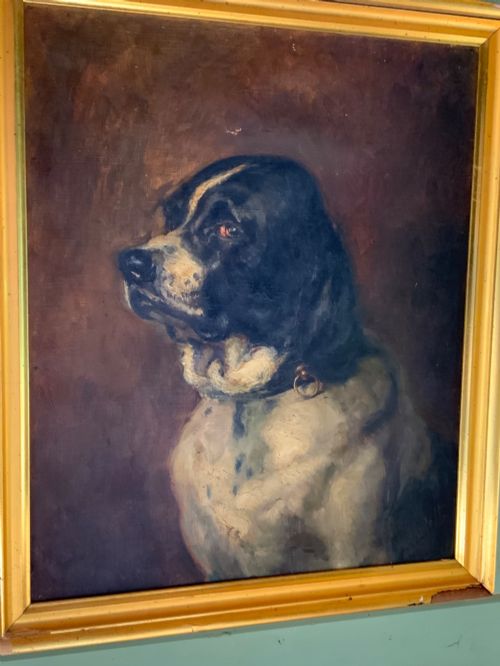
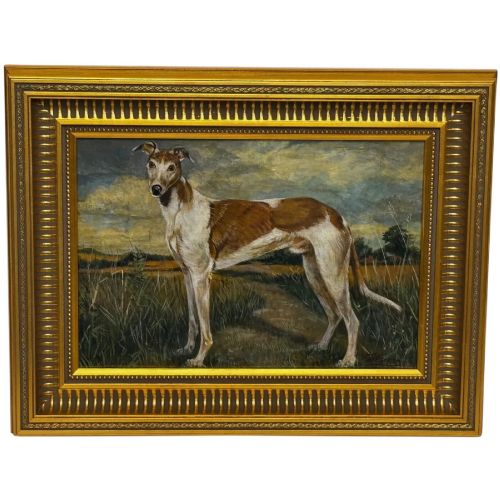
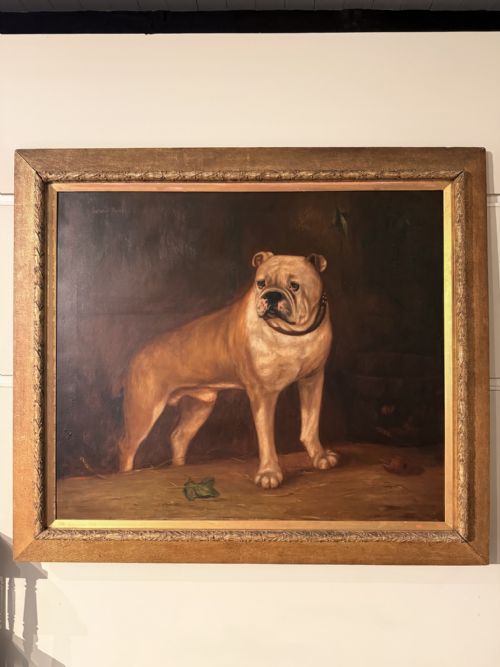
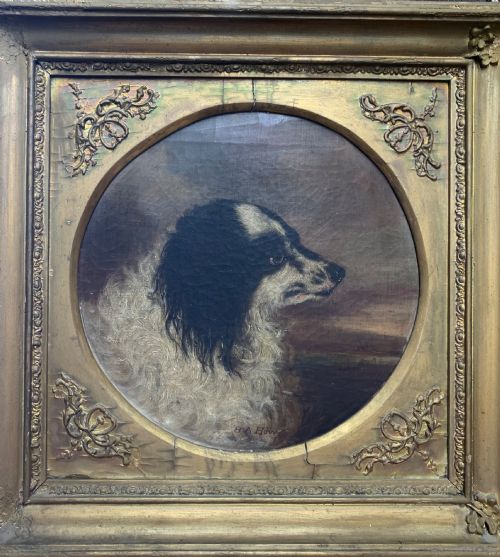
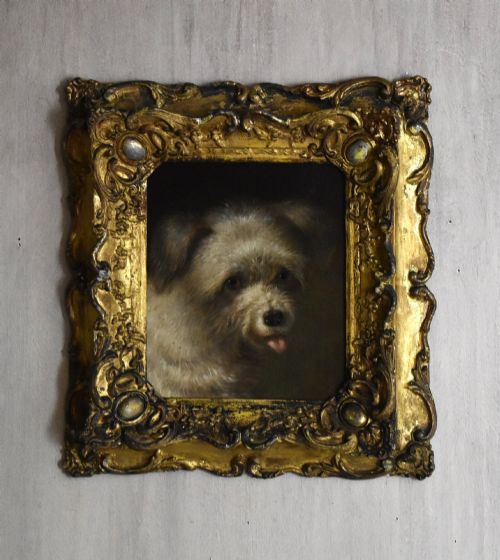
An antique canine canvas brings the steady gaze of a Victorian spaniel or terrier straight into your room through rich oil paint.
Antique Canine Canvas
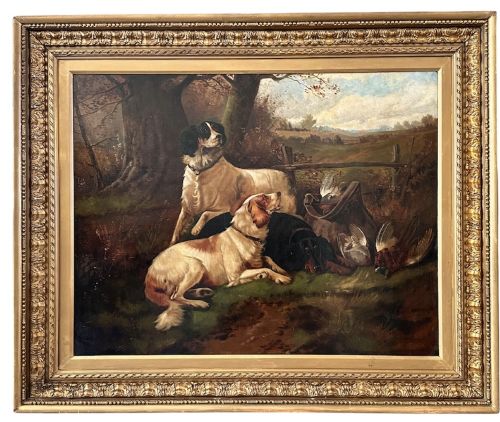
Every antique canine canvas captures a specific dog or sporting scene rendered in oil paint upon woven fabric. You will encounter works spanning the Regency period through to the mid twentieth century, with Victorian pieces appearing most frequently across these listings.
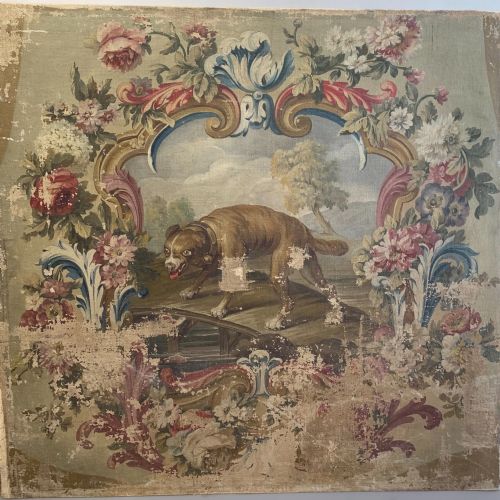
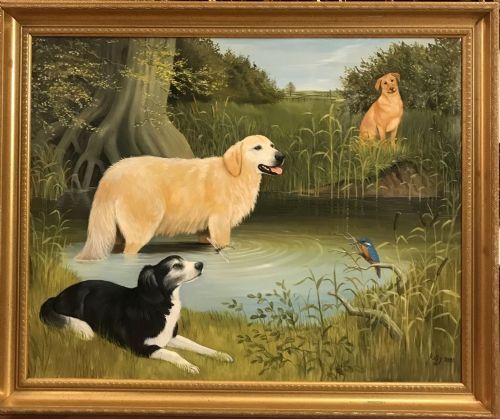
The subjects range from working terriers and gun dogs to prized greyhounds and spaniels, painted either in detailed landscapes or intimate interior settings. British and French schools dominate the selection, often reflecting the deep sporting traditions of the nineteenth century.
Makers include recognised artists such as Edward Armfield, John Emms, and Valentine Thomas Garland, alongside skilled followers of Sir Edwin Landseer. These paintings vary from intimate head studies to large scale framed portraits of working packs.
Materials and construction
Artists painted primarily with oil on canvas, utilising traditional pigment mixtures that allowed for subtle blending in fur textures and deep shadows. Stretched fabric grounds were housed within wood frames, frequently enhanced with giltwood or gold leaf mouldings.
The underlying support consists of woven canvas fixed to wooden stretcher frames, occasionally supported by wood panels or board in specific nineteenth century examples. Protective layers of varnish were commonly applied over the dried oil paint to preserve the pigment depth over decades.
Antique Canine Canvas Retail Price Guide 2026
Typical asking prices for canine canvas among the pieces listed under this phrase on Sellingantiques today, from the lower quarter to the upper quarter. They describe what is for sale here now, not the wider market.
Listings feature oil paintings on canvas and wood panels spanning the Regency era, the Victorian period, and the early twentieth century.
Distinguishing quality in canine canvases
Quality rests in the anatomical accuracy of the animal and the expressiveness of the brushwork. Master painters captured the alertness in a terrier's eye or the sheen of a spaniel's coat with confident, deliberate strokes rather than stiff, formulaic outlines.
The integration of the subject within its background also separates standard decorative copies from superior fine art. A higher quality canvas displays natural lighting and convincing spatial depth in the landscape or interior setting surrounding the dog.
Edward Armfield·John Emms·Valentine Thomas Garland·Colin Graeme Roe·William Barraud·John Trivett Nettleship·Florence Mabel Hollams·Philip Eustace Stretton
The Antique Canine Canvas Glossary
- Oil on Canvas
- A painting medium where pigment particles are suspended in drying oils and applied to a stretched woven fabric support. This combination allows for rich colour depth and lasting durability.
- Giltwood
- Wood carved and treated with a thin layer of gold leaf or metallic gilt finish. It forms the decorative ornamental borders of traditional picture frames.
- Sporting Art
- Genre of painting dedicated to depicting field sports, hunting dogs, horses, and rural wildlife. It flourished in Britain throughout the nineteenth century.
- Stretcher Frame
- The internal wooden framework that holds a canvas taut under tension. Antique frames often feature pegged mortise and tenon joints.
- School
- A group of artists working in a similar style or geographical region during a specific period. It helps identify regional traditions such as the French School.
Antique Canine Canvas: Frequently Asked Questions
How do I date an antique dog painting?
Dating relies on examining the canvas weave, the stretcher construction, and the framing style alongside the artist's recorded active years. Signatures, inscriptions on the reverse, and stylistic markers of nineteenth century realism also provide reliable chronological clues.
Clothing styles in human figures or distinct breed characteristics popular during specific decades help narrow down the creation date further when documentation is absent.
Where were these paintings displayed originally?
Owners typically hung canine portraits in country house libraries, sporting estates, and drawing rooms to celebrate prized hunting dogs or family pets. These works served as both personal tributes and decorative statements reflecting the owner's sporting interests.
Larger canvases often occupied prominent positions above mantelpieces, while smaller head studies suited more intimate sitting room walls.
How should I care for an antique canvas?
Keep the painting away from direct sunlight, high humidity, and rapid temperature fluctuations to prevent the canvas from sagging and the oil paint from cracking. Dust the surface gently with a soft, dry brush without applying pressure to the pigment.
Avoid using liquid cleaners or chemical solvents on the paint layer, and consult a professional conservator if the canvas requires cleaning or re-stretching.
What is the difference between an original and a period copy?
An original painting is executed directly by the named artist from life or their own preliminary studies. A period copy is a contemporary or later reproduction painted by another hand after a famous composition, such as the works of Sir Edwin Landseer.
While period copies still possess antique age and decorative merit, originals hold greater significance through the artist's unique interpretation and brushwork.