


Antique Candle Fixture
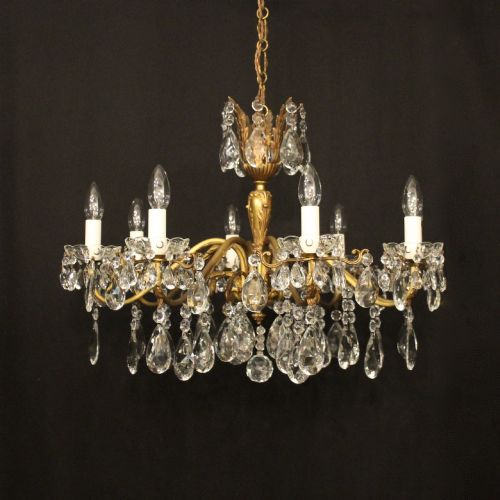
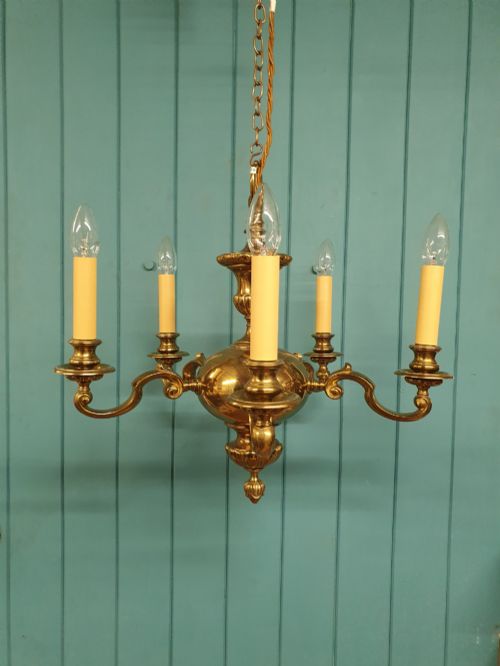
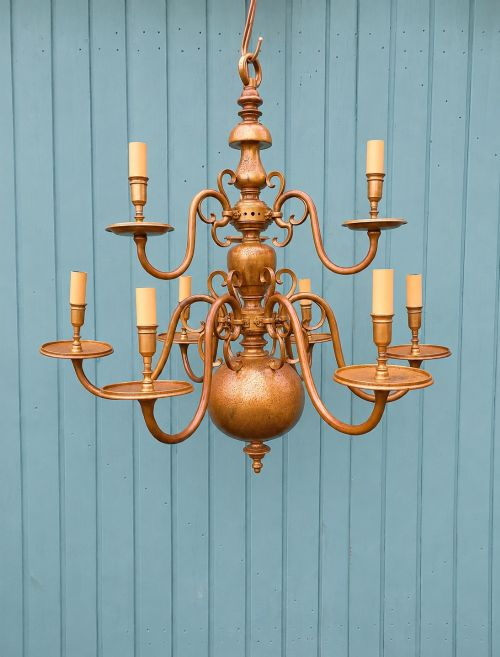
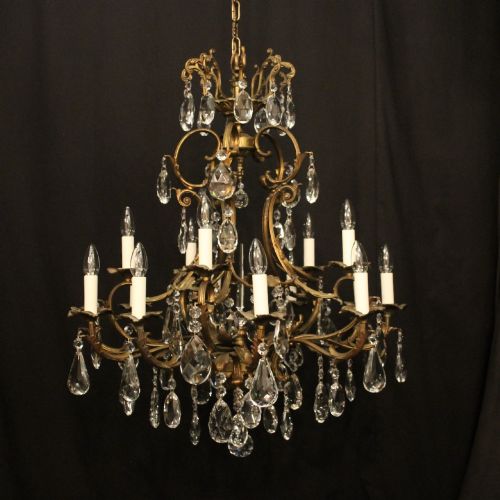
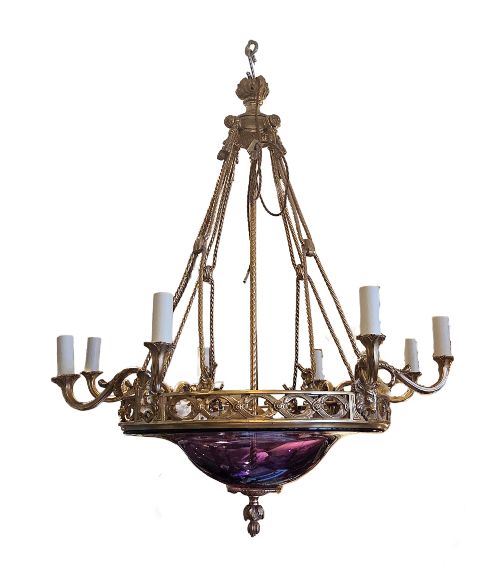
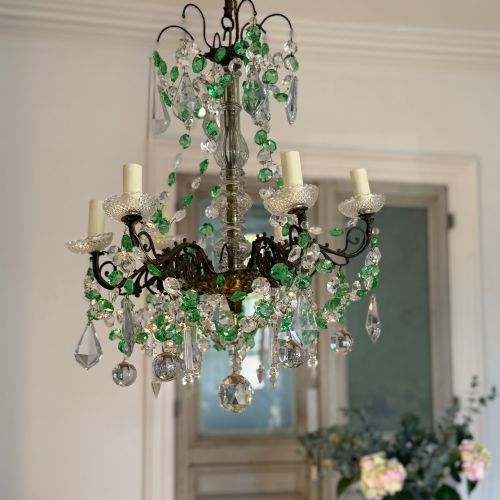
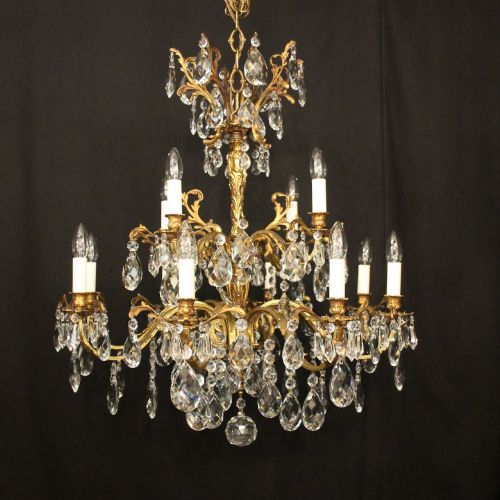
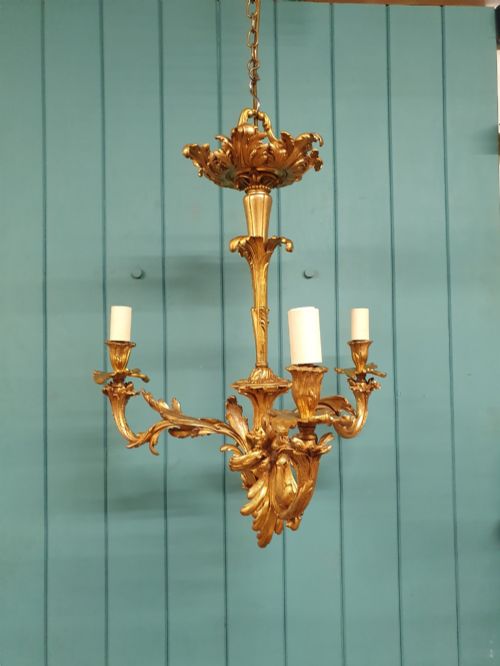
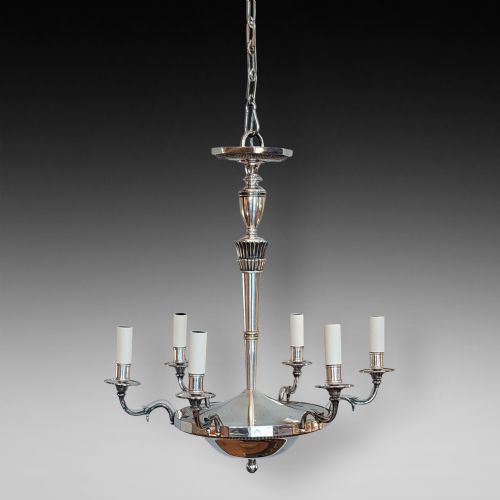
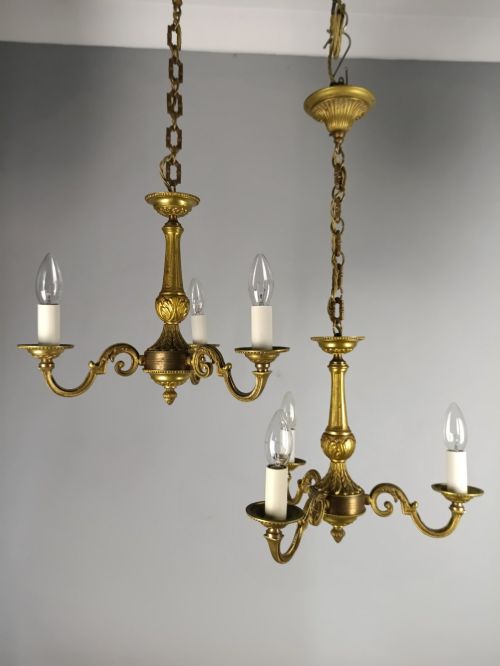
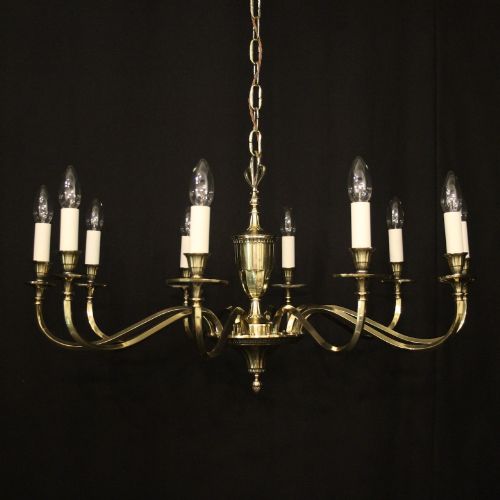
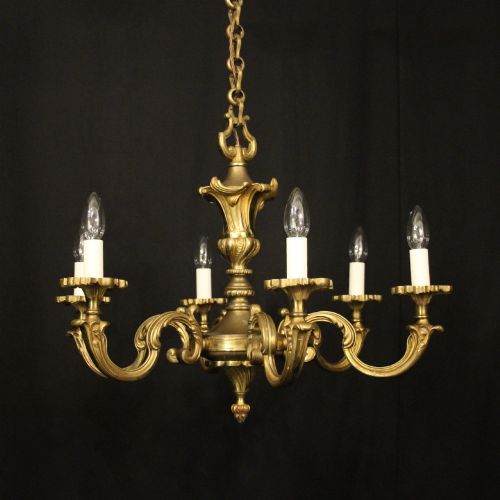
These antique candle fixture examples bring genuine period illumination to a room, ranging from grand multi-armed chandeliers to intimate wall sconces.
Antique Candle Fixture
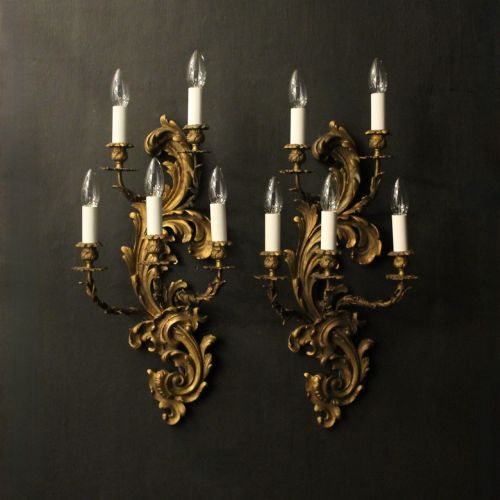
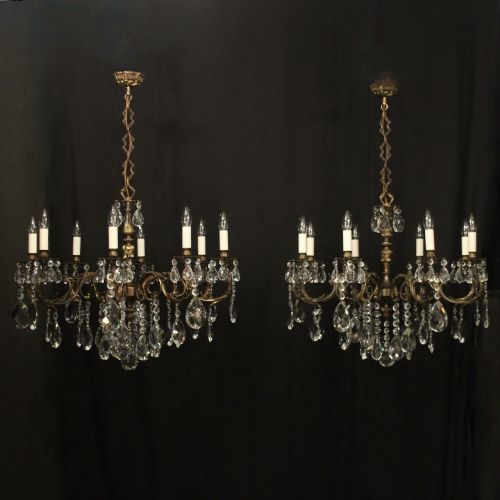
An antique candle fixture encompasses a variety of lighting forms designed for ceilings and walls, including chandeliers, wall lights, sconces, girandoles, and hanging lanterns. The pieces span periods from the nineteenth century through the early decades of the twentieth century, with strong representation from the 1920s and 1930s.
French designs dominate the selection, featuring styles such as Rococo, Louis XVI, Empire, and chateau aesthetics alongside Dutch Baroque, Florentine, and Victorian examples. Buyers will frequently encounter multi-arm chandeliers and matched pairs of wall lights intended to coordinate lighting schemes across period interiors.
How they were made
Makers utilised cast and chased bronze, brass, and gilt metals to form the structural arms, backplates, and decorative mounts of each fixture. Gilding techniques applied gold leaf or gilt finishes to bronze, brass, gesso, and wood to create reflective surfaces that amplified candle and early electric light.
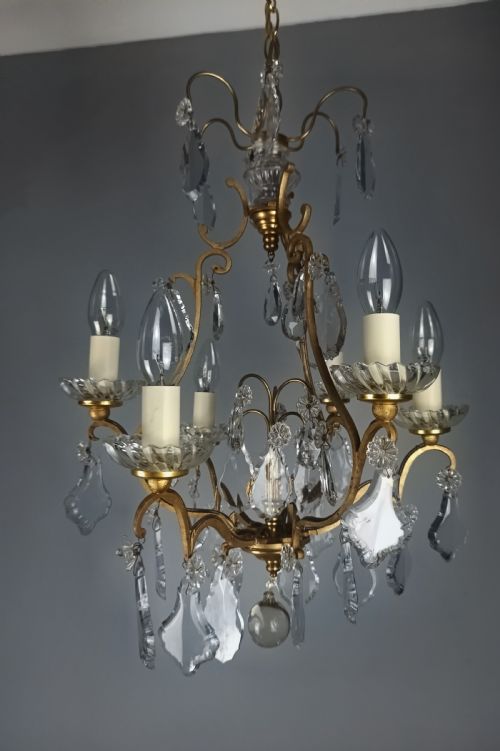
Glass and crystal elements, including lustres, droplets, and cut glass bowls, were integrated into birdcage frames and central columns. These transparent components refracted the light, while ceramic and polychrome details appeared on specific Italian and continental designs.
Antique Candle Fixture Retail Price Guide 2026
Typical asking prices for candle fixture among the pieces listed under this phrase on Sellingantiques today, from the lower quarter to the upper quarter. They describe what is for sale here now, not the wider market.
Listings feature items dated across the nineteenth century, 1900, 1910, 1920, 1930, and the Victorian period.
What varies in quality
The refinement of the casting and chasing work dictates the crispness of foliage, scrolls, and figural details on bronze and brass components. Heavier gauge metals and deeply carved or hand-chased surface enrichment separate ambitious workshops from standard commercial production.
The completeness and quality of the crystal dressing, such as cut glass lustres and prisms, influence the overall brilliance of a chandelier. Original gilding surfaces and integrated decorative hardware maintain the integrity and visual harmony of the piece.
The Antique Candle Fixture Glossary
- Girandole
- An ornamental branched wall light or candle holder, often incorporating a mirror or reflective backplate to multiply the light. These fixtures frequently feature giltwood or bronze construction.
- Ormolu
- Gilded bronze, where a finely ground gold-mercury amalgam is applied to a bronze base and heated to bond the gold. The technique yields a rich, durable metallic surface seen on French and English fixtures.
- Lustre
- A cut glass or crystal pendant suspended from the arms or crown of a chandelier or wall light. Lustres refract the illumination and catch ambient light in the room.
- Birdcage Chandelier
- A style of chandelier characterised by a metal frame of curved wires or straps resembling a birdcage, heavily hung with crystal garlands and drops.
Antique Candle Fixture: Frequently Asked Questions
How do I choose the right size fixture?
Consider the proportions of the room, ceiling height, and the intended function of the space when selecting a chandelier or wall light. Larger multi-arm fixtures suit high ceilings and expansive rooms, while compact pairs of wall lights fit corridors or intimate spaces.
Measure the floor area and ceiling clearance to ensure the piece balances with existing furniture without dominating the interior.
Were these fixtures originally for candles?
Many period pieces were designed for candles or later adapted to accommodate early electrical wiring during the twentieth century. The form of the drip pans and nozzle mock-ups often preserves the traditional candle-holder silhouette.
Inspect the internal channels and wiring capacity to understand how the fixture manages power while retaining its historical appearance.
How do I care for gilt bronze and crystal?
Dust bronze and brass surfaces gently with a soft, dry cloth to prevent the accumulation of grime without disturbing patination or gilding. Avoid chemical polishes that can strip delicate finishes from antique metalwork.
Crystal lustres can be cleaned carefully in situ or removed for washing in lukewarm water with mild soap before being dried and rehung.
How can I tell the period of a piece?
Stylistic indicators such as Rococo asymmetry, Louis XVI neoclassical symmetry, or the cleaner lines of early twentieth-century design offer initial clues to the date of manufacture. Material choices, casting methods, and construction joints provide further evidence.
Comparing the decorative vocabulary with documented examples from French, English, and Italian workshops helps narrow down the era of production.