


Antique Canape
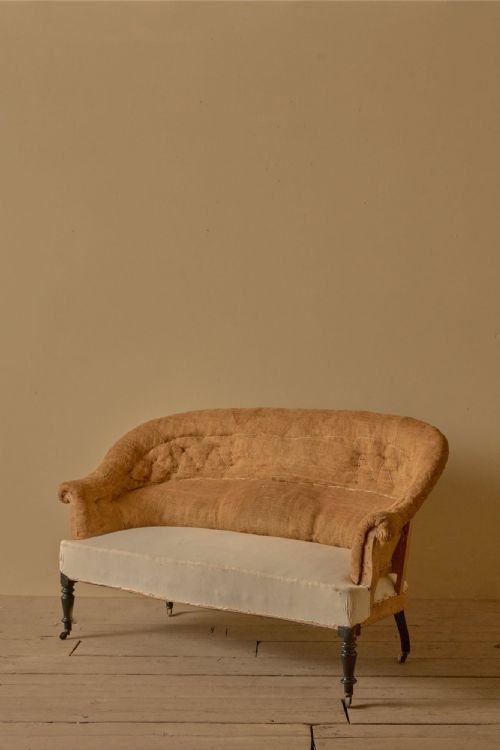
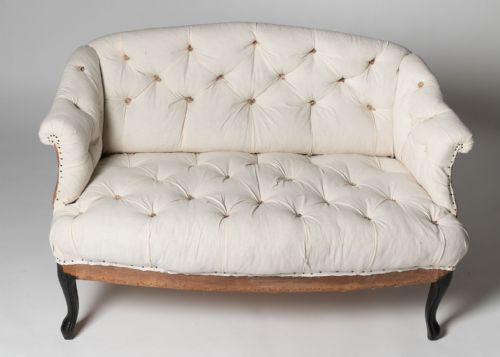
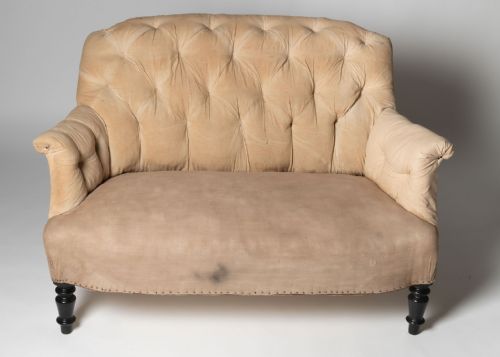
An antique canape is an upholstered seat designed for formal rooms, combining carved woodwork with classic French styles.
Antique Canape
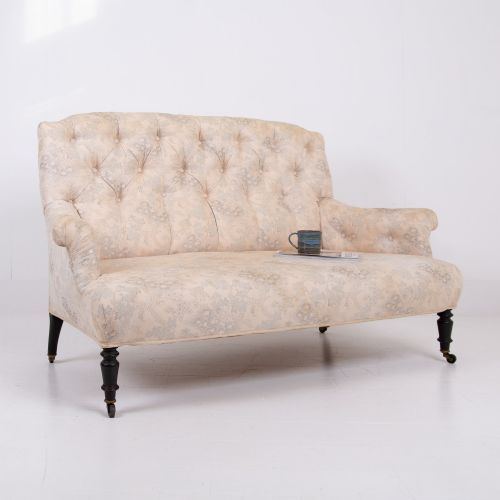
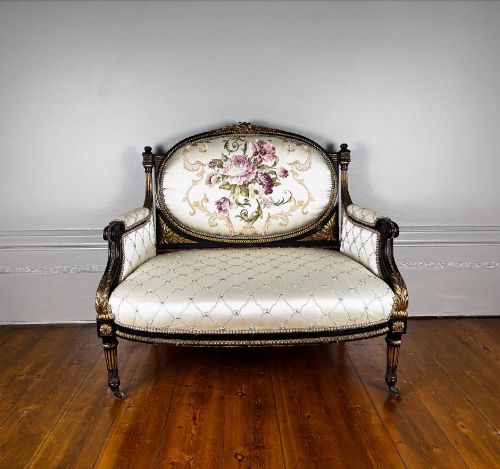
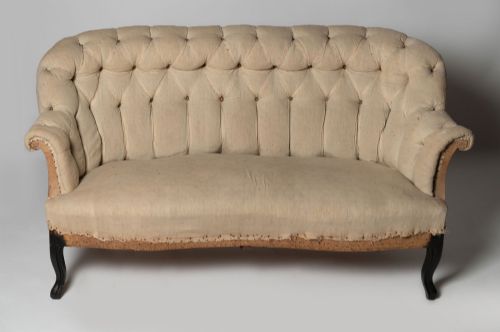
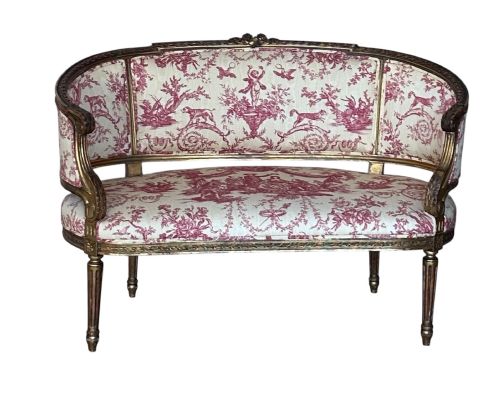
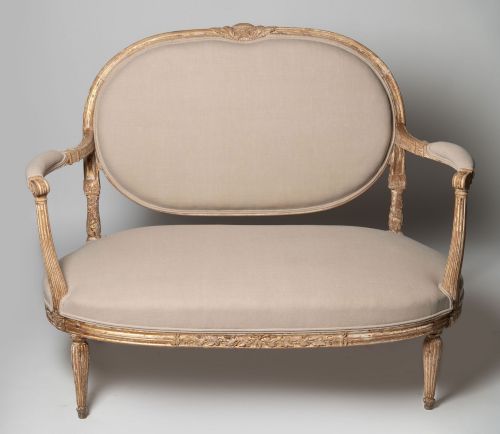
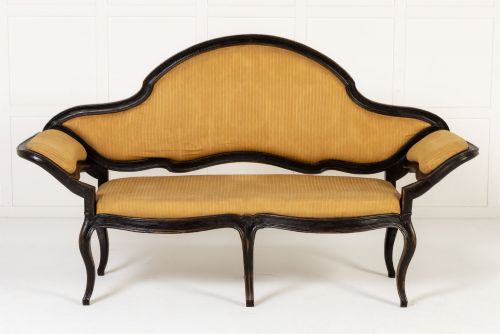
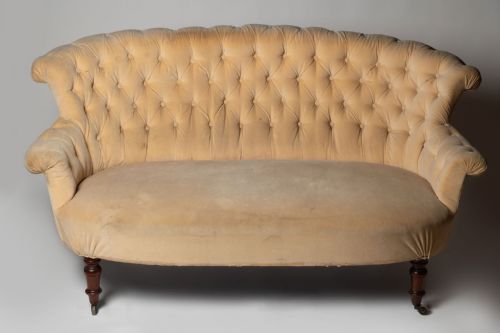
An antique canape is an open-framed upholstered seat taking several forms, most commonly found as a French settee or salon sofa from the eighteenth and nineteenth centuries. These pieces reflect historical design revivals through curved woodwork and generous seating proportions.
The selections span distinct periods including the Victorian era, Edwardian years, and earlier epochs like the eighteenth century. Makers drew inspiration from traditional Louis styles, creating seating intended for drawing rooms and boudoirs.
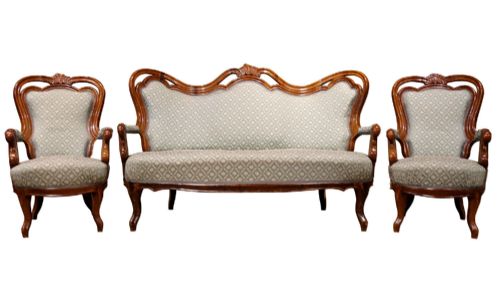
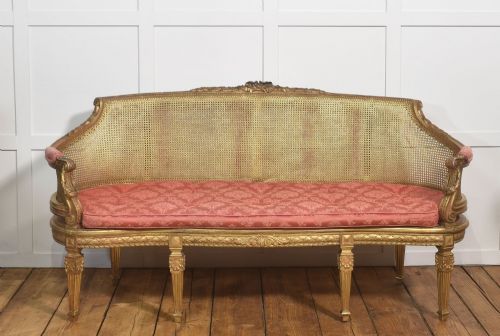
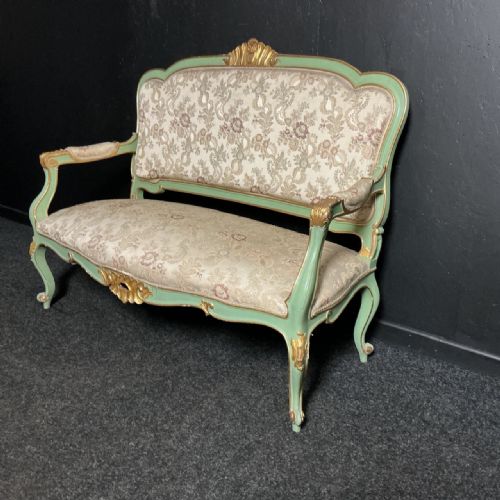
Buyers encounter variations ranging from giltwood frames to painted wood and exposed walnut or mahogany structures. Many items arrive paired with matching armchairs as part of larger salon suites.
Materials and construction methods
Frames rely on sturdy timbers such as walnut, beech, and mahogany, shaped through carving and occasionally finished with gilt, paint, or parcel gilt accents. Joinery is concealed within the structural wooden skeleton.
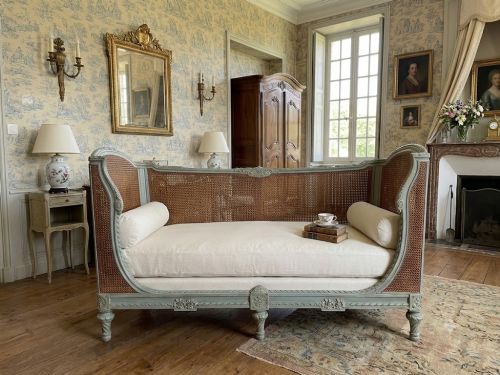
Upholstery incorporates traditional coverings like silk, linen, velvet, and fabric, sometimes paired with woven cane panels on backrests and side panels. Skilled artisans shaped the exposed wooden crest rails and cabriole legs by hand.
Antique Canape Retail Price Guide 2026
Typical asking prices for canape among the pieces listed under this phrase on Sellingantiques today, from the lower quarter to the upper quarter. They describe what is for sale here now, not the wider market.
Some nineteenth-century makers built settees small enough to be designated as love seats for intimate boudoir conversations.
Distinguishing quality in seating
The refinement of the hand-carved ornamentation on the wooden frame determines the tier of the piece, with crisp floral motifs and deep relief work marking superior examples. Smooth gilding application and robust timber selection distinguish better workshops from simpler regional production.
Proportion and structural integrity separate standard items from exceptional ones, particularly where delicate cabriole legs meet heavy upholstered bodies. The integration of original cane work or high-grade textile coverings elevates the overall execution.
The Antique Canape Glossary
- Canapé
- An upholstered sofa or settee featuring an exposed wooden frame, typically associated with French seating designs from the seventeenth century onwards.
- Giltwood
- Timber coated with a thin layer of gold leaf, frequently utilised on decorative frames during the eighteenth and nineteenth centuries.
- Cane
- Woven rattan material used for open backrests and seat panels, providing a lighter alternative to full upholstery.
- Cabriole
- A furniture leg that curves outward and then tapers inward, ending in a pad or scroll foot as seen on many period seats.
- Salon suite
- A matched set of seating furniture, usually comprising a central canape accompanied by coordinating armchairs for a formal reception room.
Antique Canape: Frequently Asked Questions
What is an antique canape?
An antique canape is a decorative upholstered settee originating primarily from French and continental European traditions. These seats serve as formal living room furniture.
They combine exposed wooden frames with textile or cane upholstery, following historical design movements such as the Louis styles.
How were these sofas used originally?
These settees functioned as principal seating within formal reception rooms, salons, and boudoirs. They accommodated guests during social gatherings.
Owners also utilised them as daybeds or decorative accents to display refined taste in interior decoration.
How do I style an antique canape today?
An antique canape fits well as a statement piece in living rooms, hallways, or large bedrooms. It pairs naturally with complementary period furniture or contrasts against modern minimalism.
Placement depends on the frame finish, allowing giltwood or painted woodwork to stand out against neutral walls.
How can I tell the period of a settee?
Dating relies upon stylistic markers such as carved ornamentation, leg shapes, and wood types. Eighteenth-century models display different proportions compared to nineteenth-century revival pieces.
Construction details and finishing methods, such as gilding or painting techniques, provide additional clues to the era of manufacture.