


Antique Cameo Vase
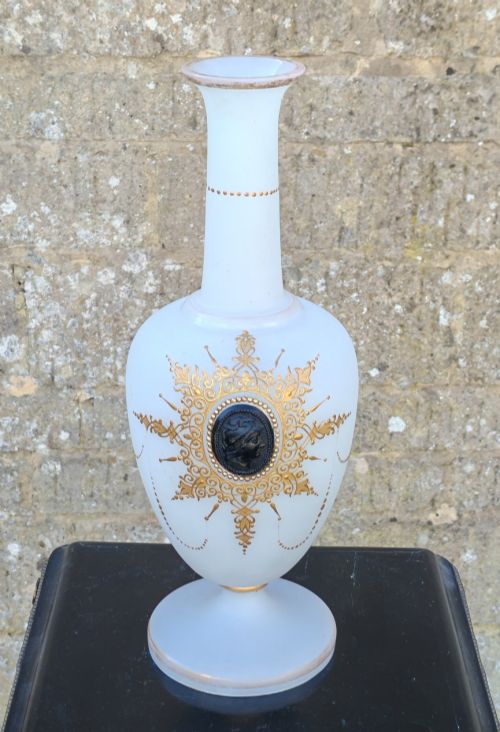
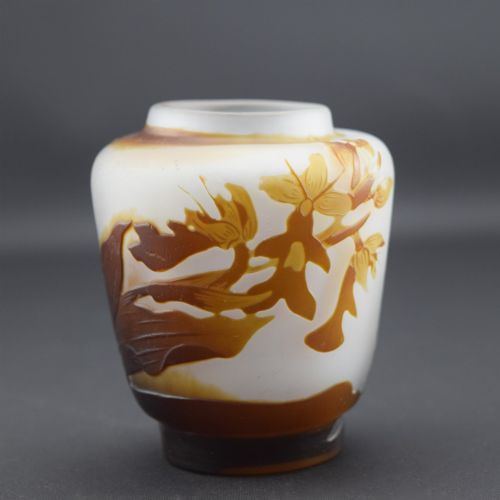
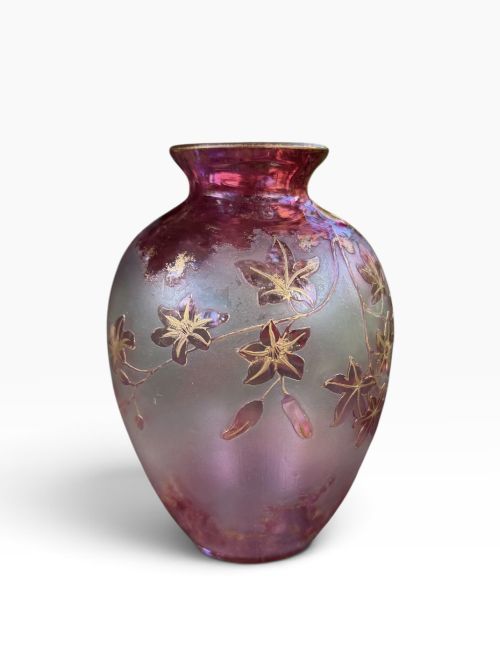
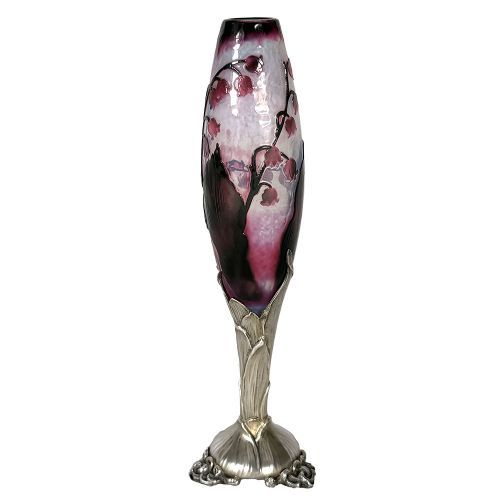
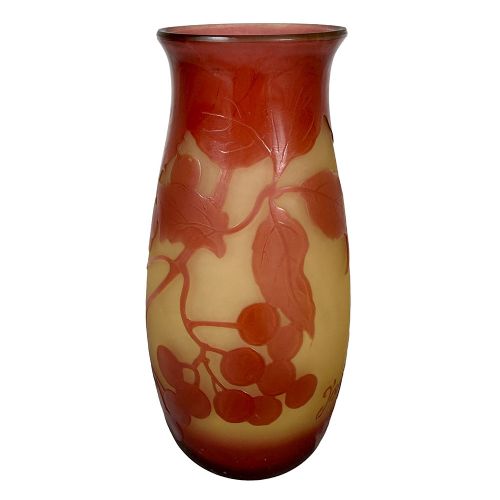
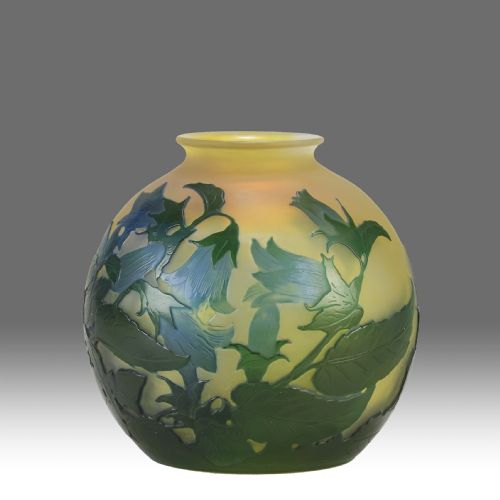
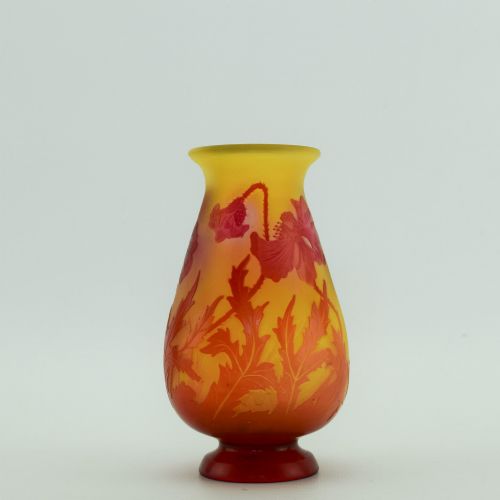
An antique cameo vase brings layered glass and botanical colour into a room, offering the tactile depth of carved vessels.
Antique Cameo Vase
An antique cameo vase is a carved glass vessel typically created during the late nineteenth and early twentieth centuries. These pieces emerge predominantly from French workshops operating in the Art Nouveau and Art Deco styles.
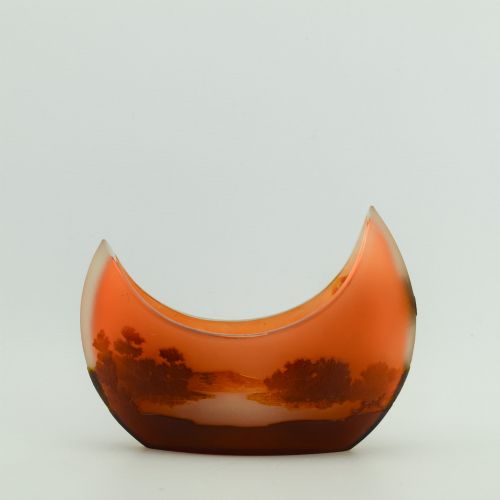
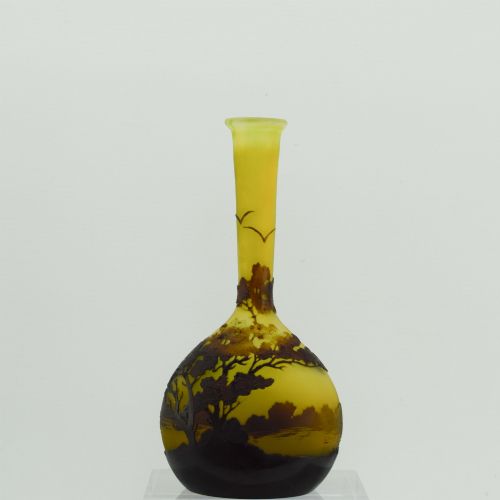
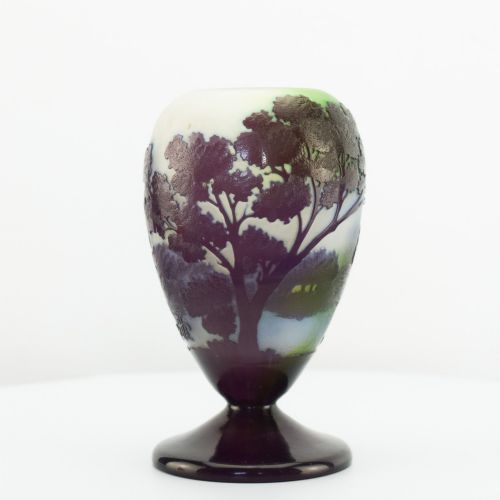
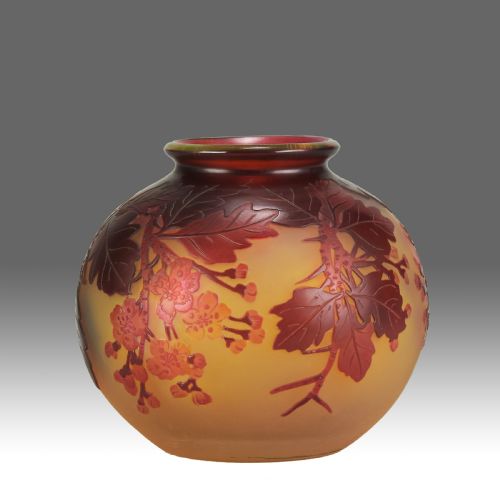
Buyers on this page are most likely to encounter vases featuring multi-layered glass carved to reveal floral motifs, landscapes, and natural scenes. Forms range from miniature vessels to large banjo and footed shapes produced by prominent makers.
The aesthetic centres on the contrast between distinct glass layers, where acidic etching and wheel carving define the silhouette of leaves, flowers, and stems.
How They Were Made
Glassmakers built vessels using multiple layers of coloured glass gathered onto a core before blowing the piece to shape. Enamel, gold leaf, and frosted glass elements frequently accent the primary body.
Makers utilised acid-etching to eat away unwanted glass layers, followed by meticulous wheel carving to sharpen details and create depth. Enamelling was sometimes added to surface designs for extra colour variation.
Antique Cameo Vase Retail Price Guide 2026
Typical asking prices for cameo vase among the pieces listed under this phrase on Sellingantiques today, from the lower quarter to the upper quarter. They describe what is for sale here now, not the wider market.
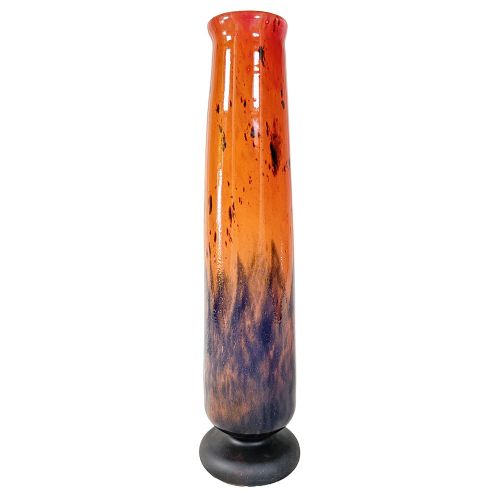
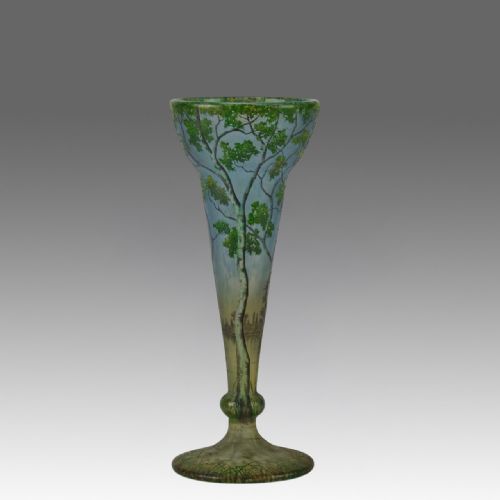
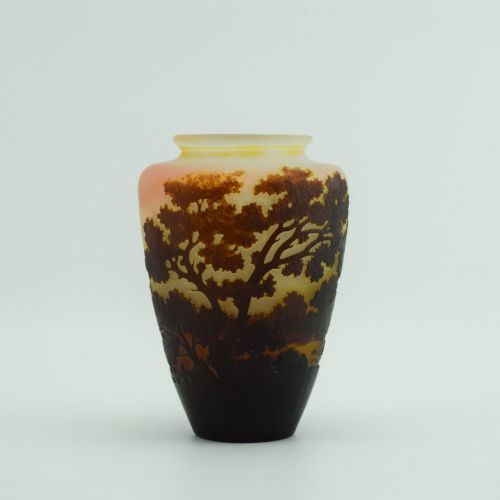
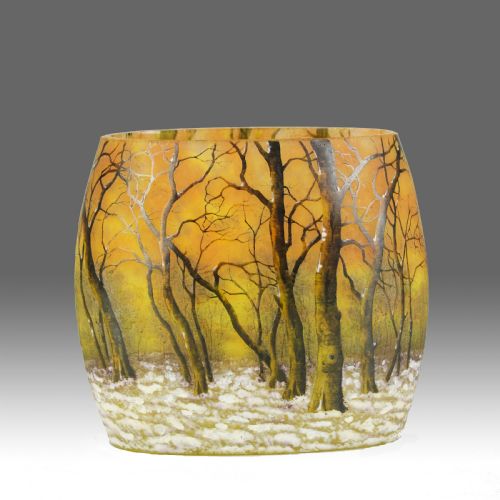
Certain landscape vases capture quiet winter scenes alongside depictions of sweet peas and water lilies.
What Varies in Quality
Quality depends on the precision of the carving and the complexity of the glass layers. Vases with deeper undercut details and subtle colour gradients stand apart from simpler etched surfaces.
The artistic merit of the design also separates standard production from exceptional pieces. Hand-finished wheel carving and sophisticated enamel work indicate superior craftsmanship.
Emile Galle·Daum Freres·Baccarat·Legras·Schneider
The Antique Cameo Vase Glossary
- Cameo Glass
- Glass vessels formed with two or more distinct colour layers, where the top layer is carved or etched away to reveal the contrasting background.
- Acid-Etched Glass
- Glass treated with hydrofluoric acid to dissolve specific areas of the surface, creating designs or removing top layers without manual cutting.
- Wheel Carved
- Glass shaped and detailed using a rotating abrasive wheel, allowing artisans to achieve high relief and fine textures.
- Soufflé
- A technique where glass is blown into a metal or carved mould to produce textured, high-relief forms like blow-out vases.
- Art Nouveau
- A decorative style characterised by curving lines, asymmetrical plant motifs, and organic forms popular around the turn of the twentieth century.
Antique Cameo Vase: Frequently Asked Questions
What periods do these vases come from?
The pieces span the late nineteenth century through to the early decades of the twentieth century. Most examples date from the Art Nouveau and Art Deco eras.
Production clustered heavily around the 1900 to 1920 decades, reflecting the peak years of French cameo glass manufacture.
How do I display an antique cameo vase?
Place the vessel where natural light can pass through the layered glass to highlight the carved colours. Avoid direct, harsh sunlight that might affect delicate enamel details.
Position the vase on a stable surface away from edges, as the blown glass bodies require careful placement.
How do I tell different makers apart?
Makers often signed their pieces directly on the body or base using cameo signatures, etched lettering, or enamel marks. Stylistic choices also help identify origins, such as landscape themes associated with specific French workshops.
Examining the depth of the wheel carving and the specific colour combinations provides further clues to the origin of the glass.