



Antique Cake Server
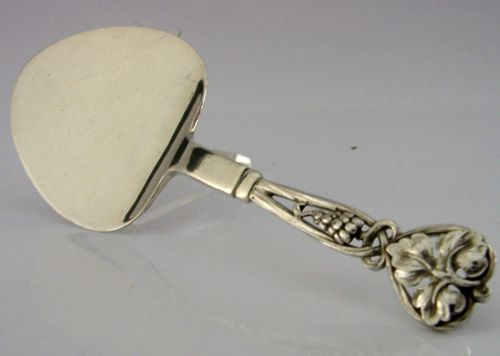
An antique cake server is a specialised slice or tong for tea tables, combining silver or silver plate with traditional forms to lift pastry.
Antique Cake Server
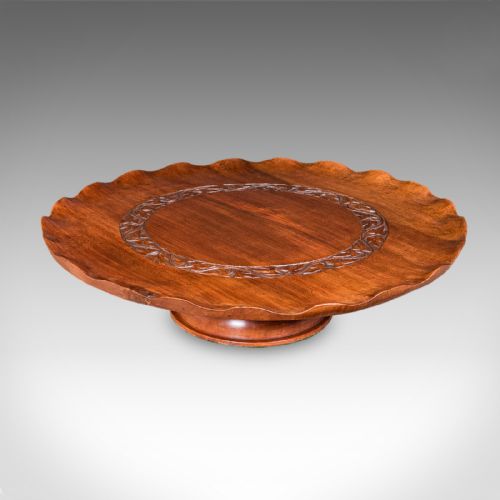
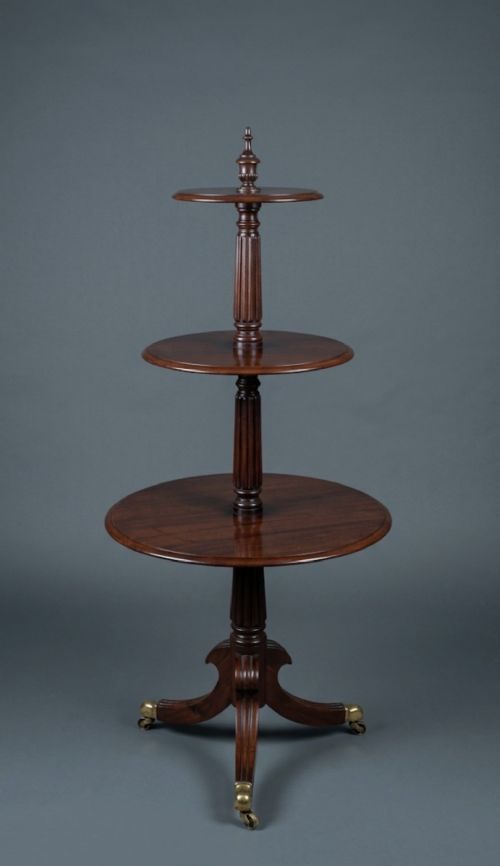
When you search for an antique cake server, you encounter specialised utensils designed for slicing and lifting pastry, alongside occasional serving items like dumb waiters and lazy susans. The pieces span from the Georgian period through Victorian, Edwardian, and Art Deco eras, reflecting shifting dining habits and tea table customs.
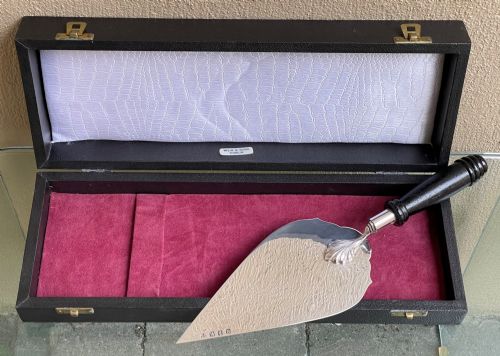
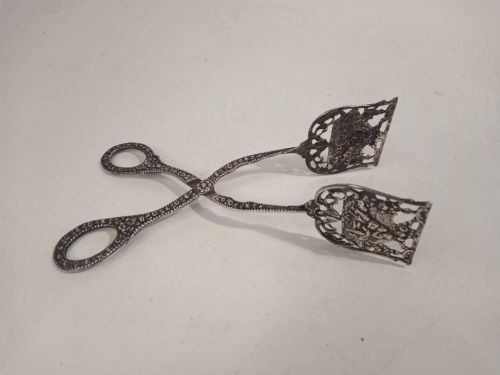
The serving utensils appear in sterling silver, silver gilt, and silver plate, often paired with handles of mahogany, ebony, or fabric. Alongside dedicated pastry servers and presentation trowels, the selections include serving tongs and dessert cutlery intended for formal dining.
Design styles range from Classical Revival and Continental Historicism to Arts & Crafts and Art Deco. These items serve both functional and decorative roles on the table, maintaining the presentation standards of their respective periods.
What varies in quality
Makers' marks and hallmarks provide evidence of origin and workshop standards, influencing the standing of a server. The durability of the silver plating or the solidity of the sterling silver dictates how well the utensil has survived decades of use.
Antique Cake Server Retail Price Guide 2026
Typical asking prices for cake server among the pieces listed under this phrase on Sellingantiques today, from the lower quarter to the upper quarter. They describe what is for sale here now, not the wider market.
At least one Edwardian silver knife takes the form of a golf club, proving that afternoon tea occasionally enjoyed a sporting distraction.
Liberty & Co·Tiffany & Company·Martin Hall & Co·Thomas Daniell
The Antique Cake Server Glossary
- Sterling silver
- A standard alloy consisting of silver and other metals, prized for durability in tableware. It carries official hallmarks confirming its composition.
- Silver gilt
- Silver that has been coated with a thin layer of gold on its surface. This technique adds a rich dual-tone appearance to serving pieces.
- Silver plate
- A base metal foundation covered with a thin layer of pure silver. It offered an accessible alternative to solid silver for domestic dining.
- Presentation trowel
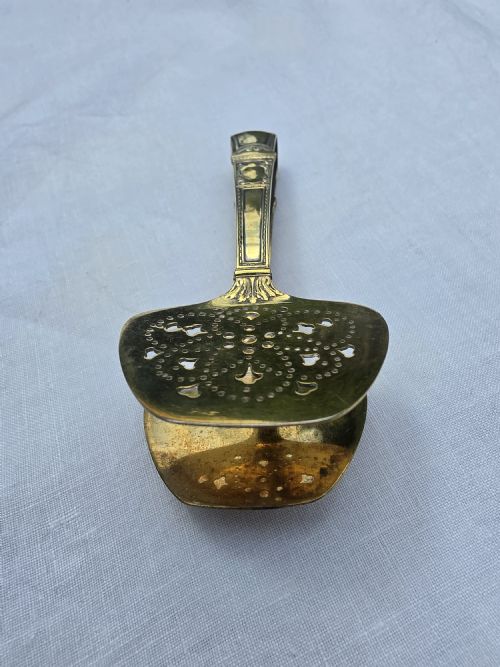
- A decorative ceremonial or utilitarian spade-shaped implement used for cutting and lifting cakes or pastries. These often feature elaborate pierced decoration.
- Dumb waiter
- A multi-tiered revolving or stationary stand placed beside a dining table to hold dishes and servers. They are frequently constructed from mahogany.
Antique Cake Server: Frequently Asked Questions
What is an antique cake server used for?
These utensils were created to cut and lift slices of pastry, cake, or sandwiches during formal tea services and dining occasions. They allowed hosts to serve portions neatly without disturbing the table.
Over time, different forms emerged to handle specific textures, from delicate sponge cakes to heavier fruit pastries.
How do I care for silver serving pieces?
Solid silver and silver-plated utensils require gentle cleaning with non-abrasive polishes to preserve the metal surface and any engraved details. Regular use prevents tarnish build-up in the recessed areas of pierced designs.
Store them in dry conditions away from direct sunlight to maintain their finish.
Can I use an antique server daily?
Most solid silver and sturdy plated servers remain fully functional for serving baked goods at modern gatherings. Hand washing is essential to protect older handles made from mahogany or ebony.
Avoid dishwashers, as harsh detergents and high heat damage historical metals and timber.
How do I identify the period of a server?
Hallmarks stamped onto the metal provide the exact assay office and year of production for British silver. Stylistic indicators, such as Art Deco geometric lines or Victorian ornamentation, offer further clues.
Matching the design motifs to known manufacturing periods helps confirm the age of unmarked or plated items.