
Antique Cabinet with Mirror
An antique cabinet with mirror combines storage with reflective glass, bringing depth and light into a room while concealing everyday objects behind timber doors.
Antique Cabinet with Mirror
When searching for an antique cabinet with mirror, buyers encounter a diverse selection of furniture types spanning multiple centuries and stylistic revivals.
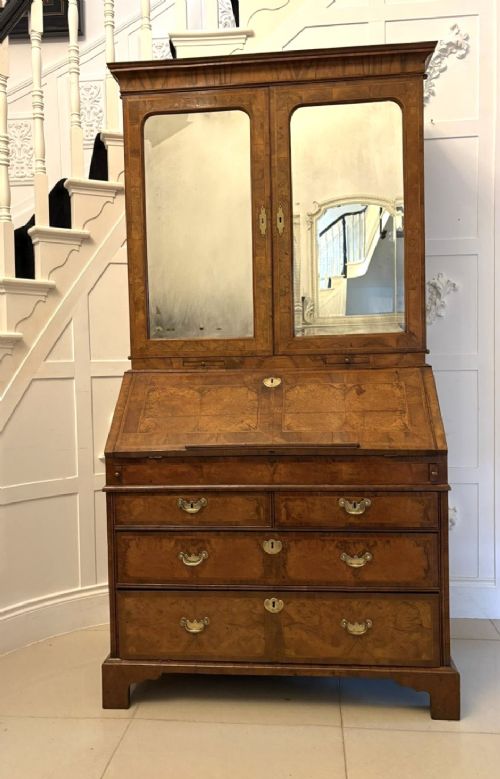
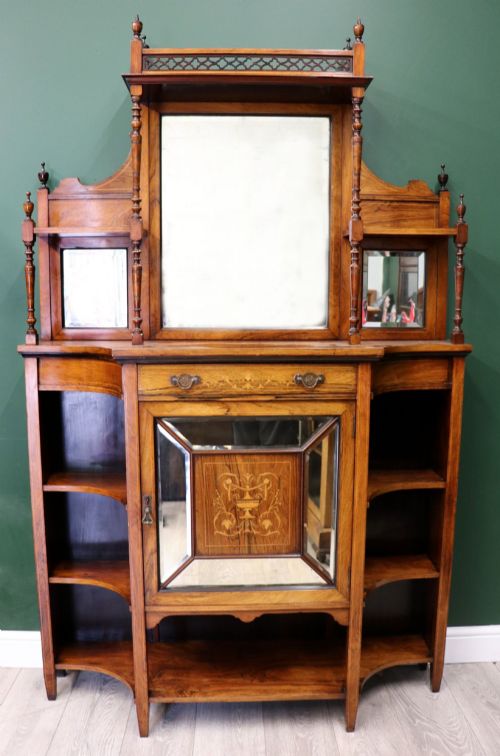
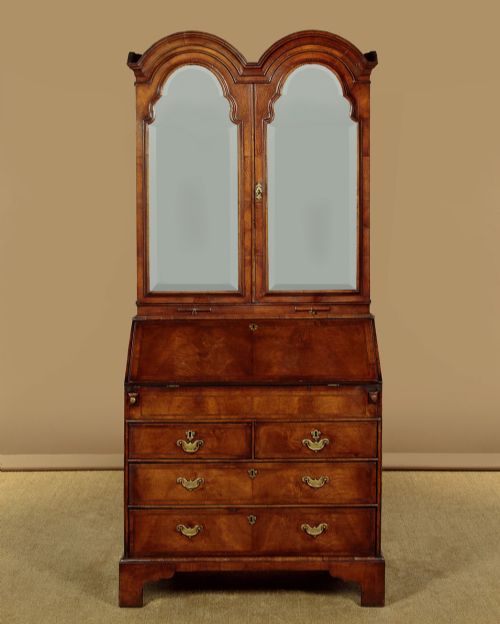
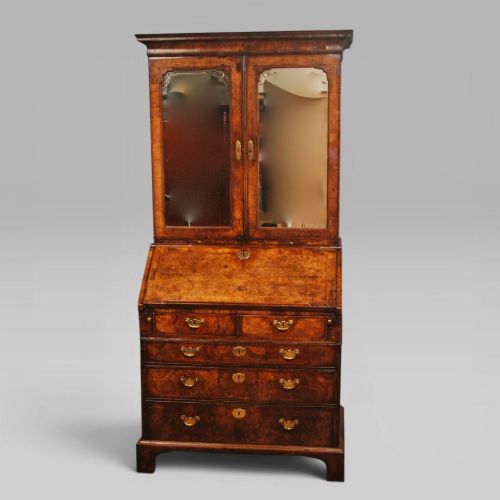
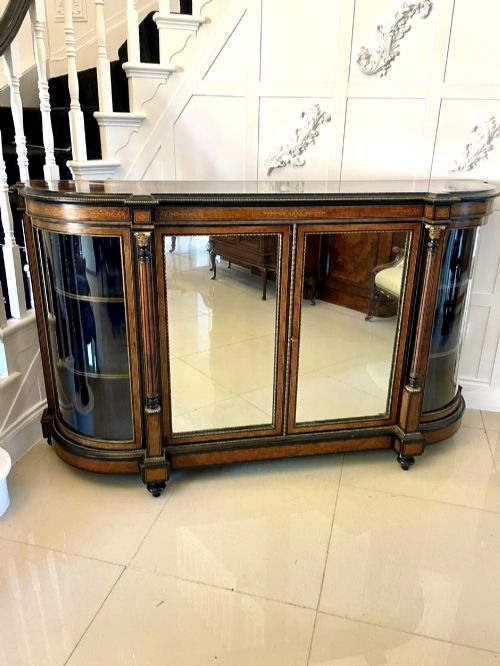
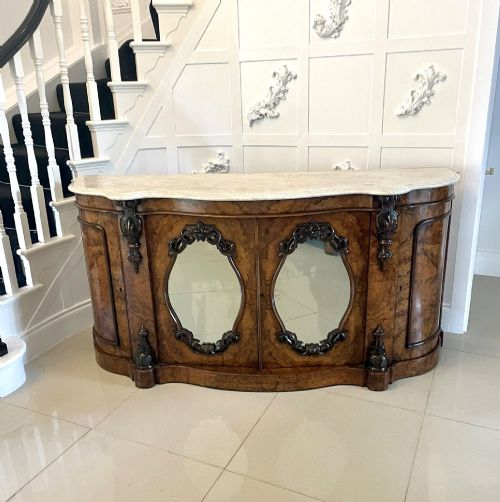
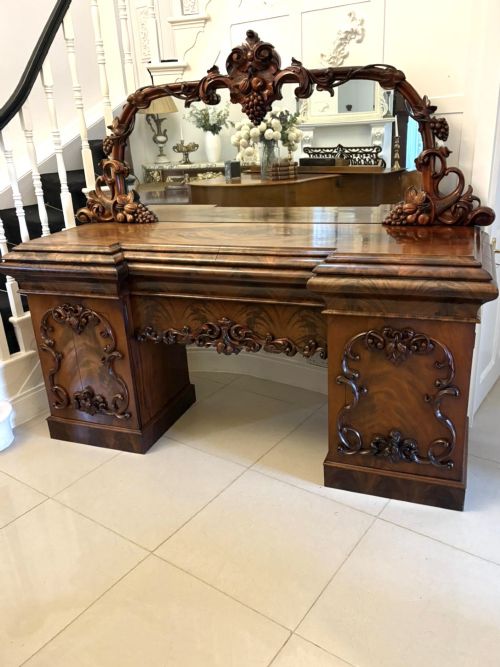
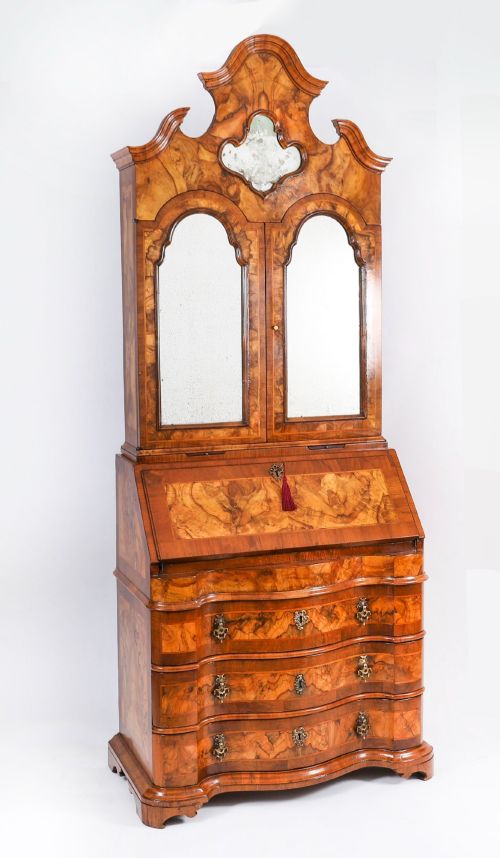
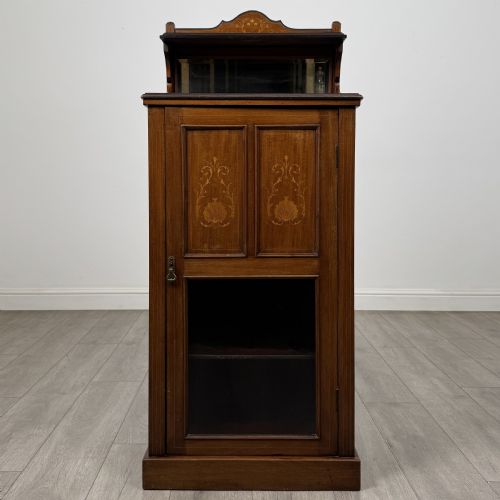
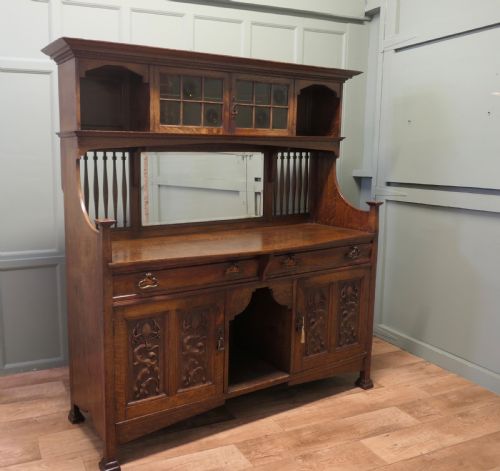
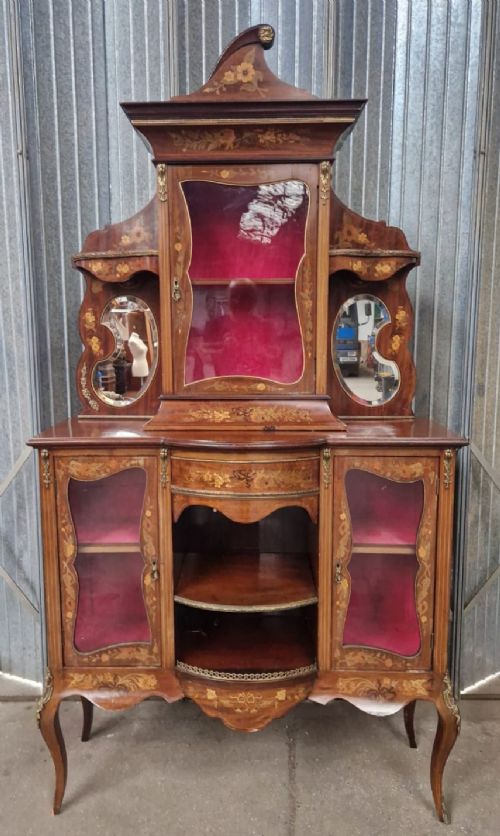
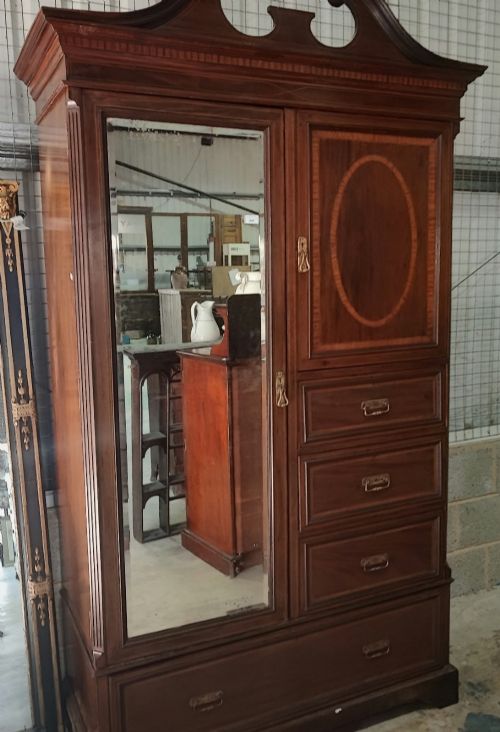
The pieces appearing on this page range from walnut bureau bookcases and mahogany sideboards to Edwardian display cabinets and Victorian credenzas.
Earlier examples typically originate from the eighteenth century in figured walnut or oak, whereas nineteenth-century pieces frequently utilise burr walnut, rosewood, and carved mahogany with integrated mirror backs.
Materials and Construction
Cabinetmakers constructed these pieces using solid timbers and decorative veneers such as burr walnut, satinwood, and kingwood over carcases of oak or mahogany.
Ormolu mounts, brass inlays, and leaded glass panels frequently complement the woodwork, while bevelled mirror plates are set securely into panelled frames or carved crestings.
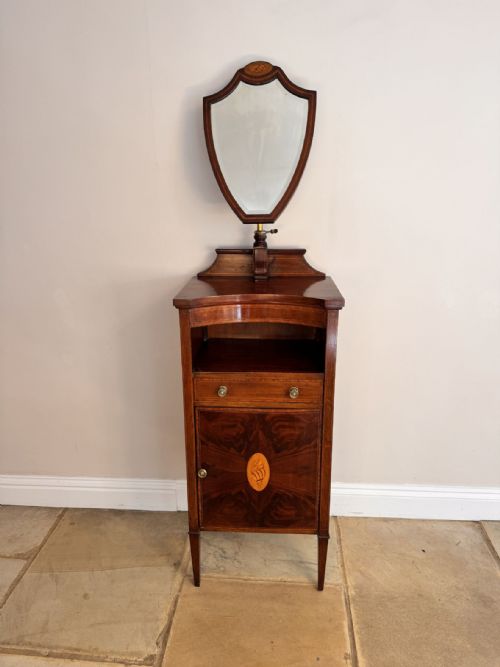
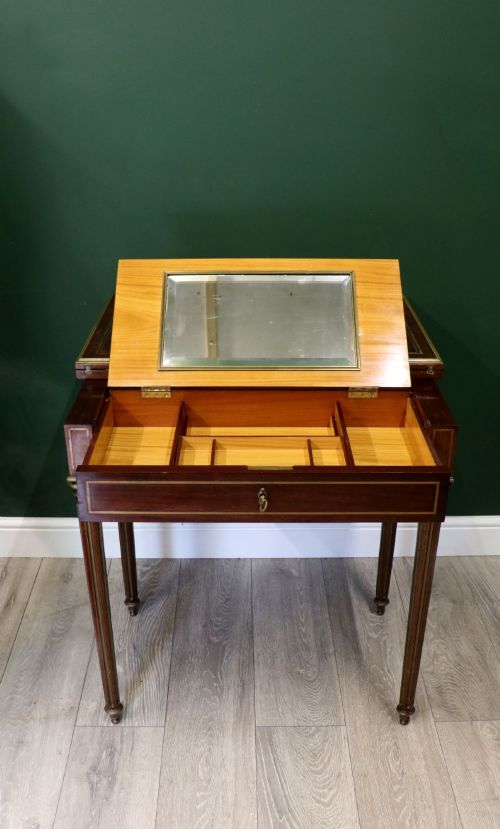
Several pieces conceal mirrors specifically designed for shaving or cocktail mixing, proving that past generations enjoyed a structured routine.
Assessing Standard
Quality in these cabinets is determined by the selection of figured wood veneers, the crispness of hand-carved ornamentation, and the integration of the mirror glass within the structure.
Finer examples demonstrate precision in brass or ormolu mounts, well-fitted joinery on drawers and doors, and the original pairing of glass and timber without later alterations.
Gillows·François Linke·Maple & Co·Lamb of Manchester
The Antique Cabinet with Mirror Glossary
- Credenza
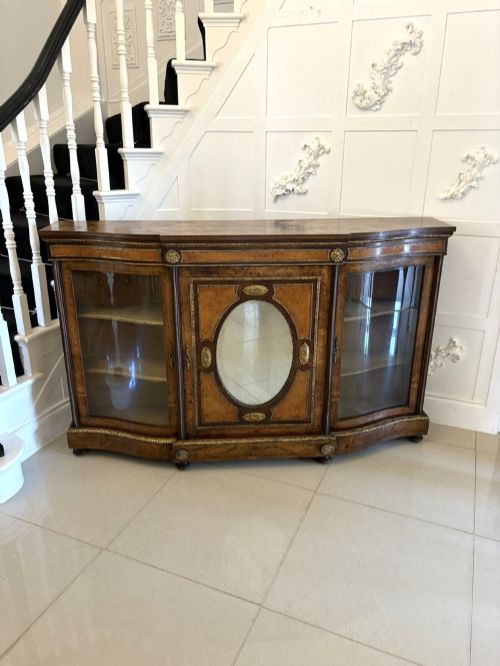
- A low sideboard or cabinet, often fitted with mirrored doors and ormolu mounts, designed for formal reception rooms.
- Bureau Bookcase
- A two-part cabinet featuring a sloping desk flap below shelving enclosed by doors, commonly constructed in figured walnut.
- Ormolu
- Gilded bronze applied as decorative mounts and hardware on nineteenth-century cabinets.
- Chiffonier
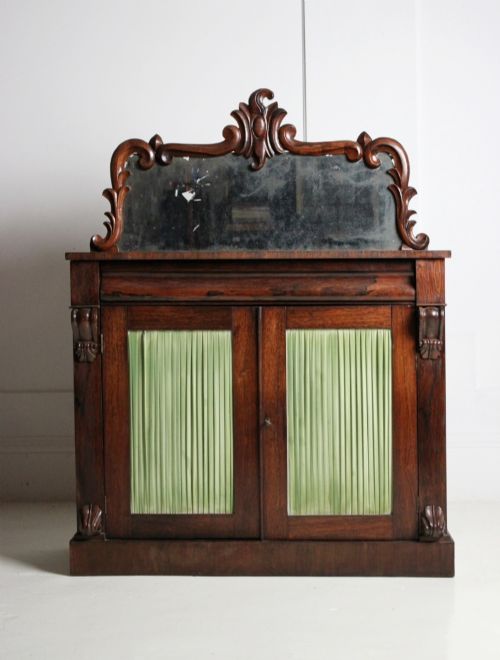
- A compact sideboard equipped with a shelf or mirror superstructure, popular during the Regency and Victorian periods.
- Burr Walnut
- Timber taken from the warted growths of walnut trees, yielding intricate swirling grain patterns highly prized by cabinetmakers.
Antique Cabinet with Mirror: Frequently Asked Questions
How are antique mirror cabinets cleaned safely?
Dust the timber surfaces gently with a dry, soft cloth, avoiding commercial silicone polishes that can degrade old finishes over time.
Clean the mirror glass sparingly using a cloth slightly dampened with distilled water, ensuring moisture does not seep behind the silvered backing.
Where should a mirror cabinet be placed?
Position these cabinets against interior walls away from direct sunlight, which can fade delicate rosewood and walnut veneers.
Place them opposite windows to maximise the reflective benefit of the glass plate within the room.
How do I identify a Victorian piece?
Victorian cabinets frequently feature dense burr walnut or carved mahogany, often incorporating large mirror backs supported by scrolling brackets.
Construction details such as machine-sawn timber elements or specific brass lock stamps help narrow down the manufacturing decade.
Can I adjust the shelves inside?
Many display cabinets and bookcases include adjustable shelving systems supported by wooden ratchets or metal pins.
Original mechanisms should be adjusted with care to avoid damaging the interior veneered linings.