

Antique Cabinet with Marble Top
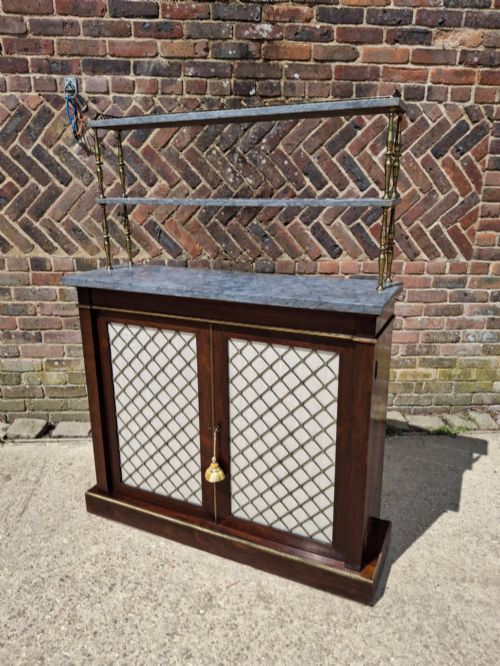
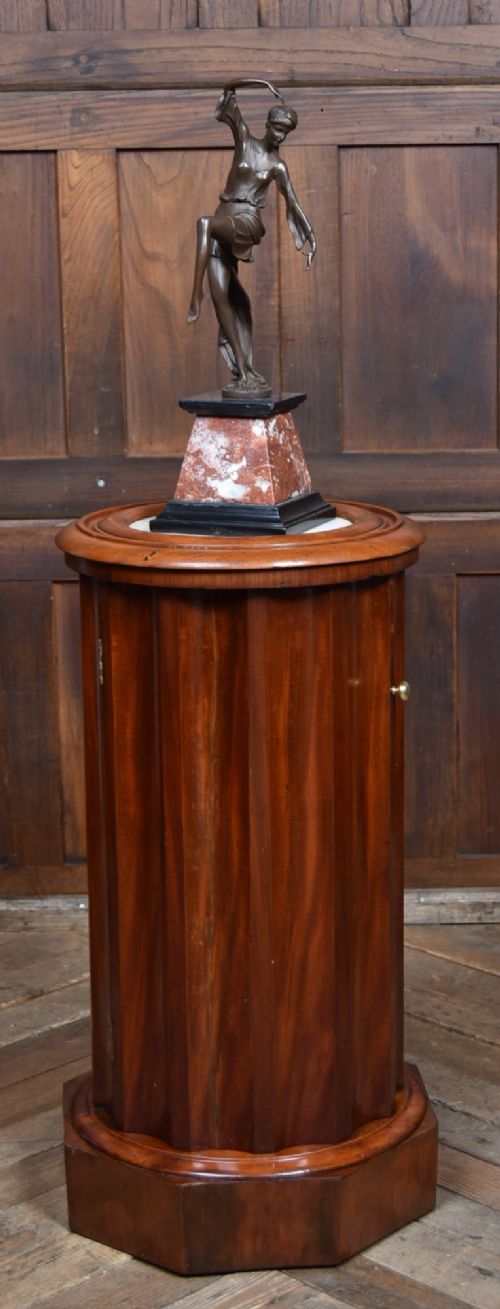
An antique cabinet with marble top brings heavy stone surfaces and fine timber into a room, offering a sturdy shelf above enclosed storage.
Antique Cabinet with Marble Top
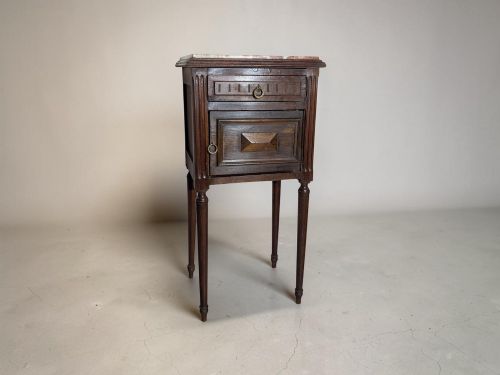
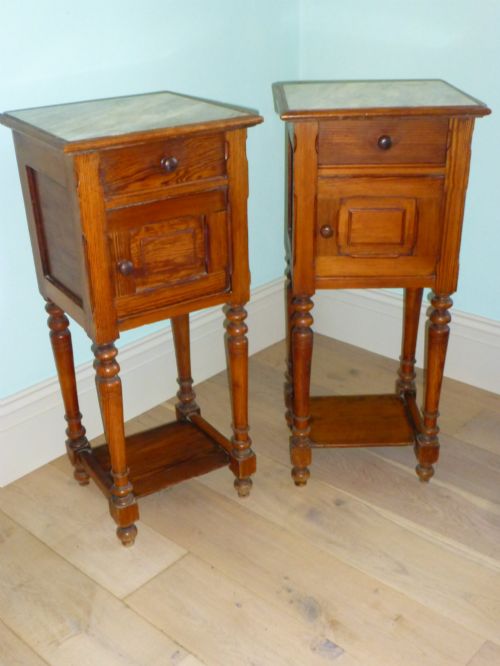
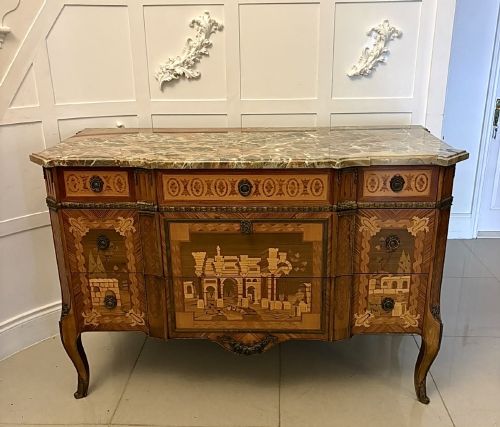
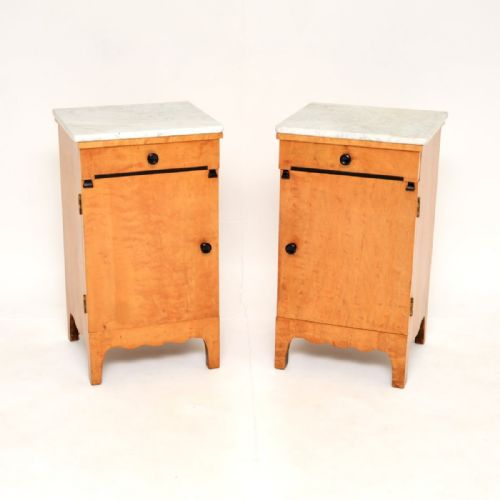
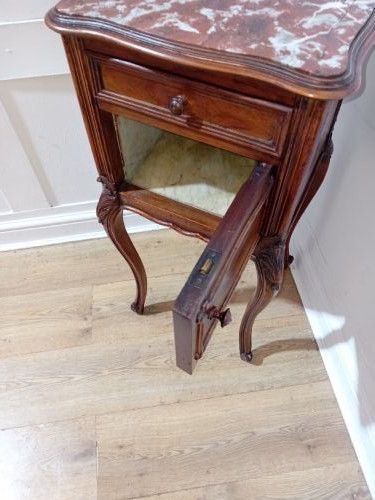
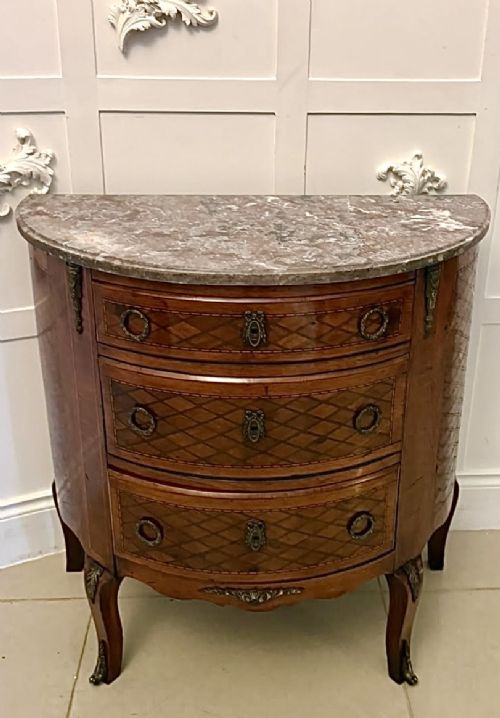
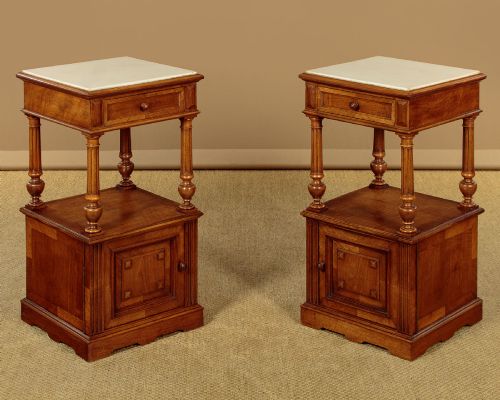
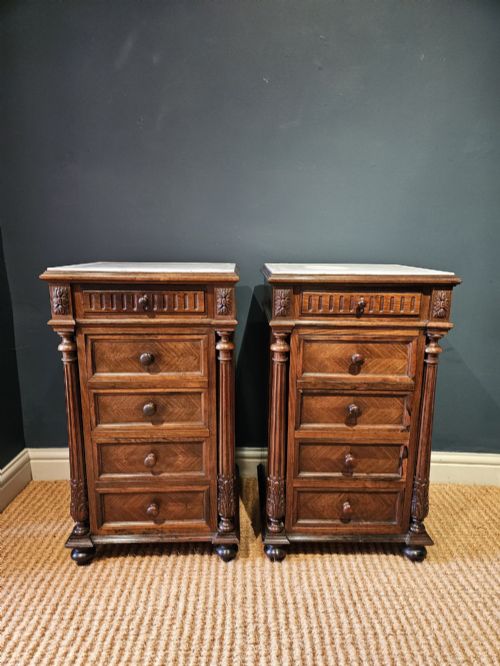
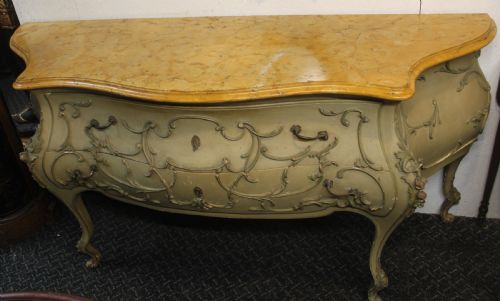
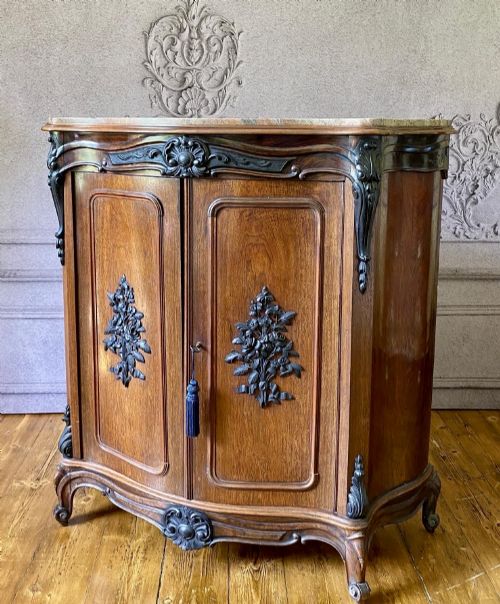
An antique cabinet with marble top most often takes the form of a French commode, bedside cabinet, or vitrine display piece dating from the nineteenth or early twentieth century. These items serve practical functions as bedside tables, sideboards, and writing desks while providing a cool stone counter.
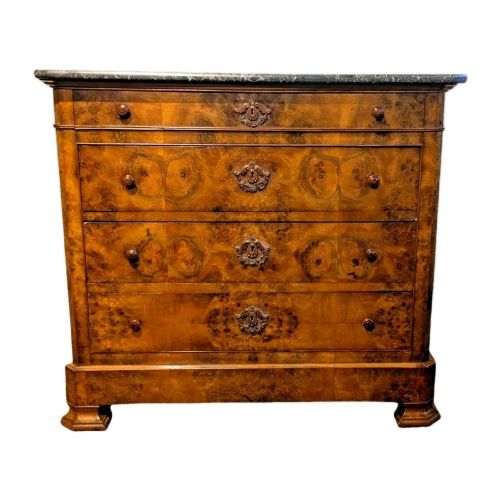
The selection ranges from compact bedside cupboards originating in France and Eastern Europe to large Victorian burr walnut credenzas and serpentine display cabinets. Continental workshops dominate the production of these pieces, particularly utilising revival styles influenced by earlier royal French aesthetics.
Makers adapted these forms for various rooms, resulting in specialised pieces such as washstands, writing secretaries, and corner display units. Each piece integrates a fitted stone slab designed to resist staining and heat.
Materials and Construction
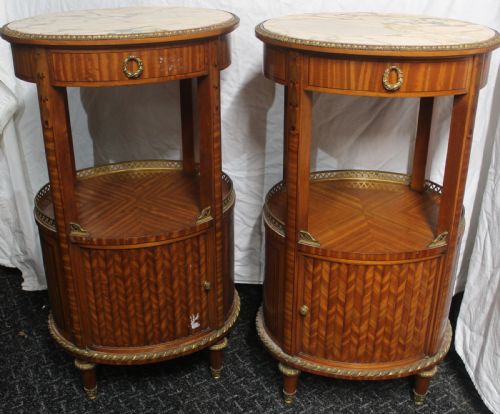
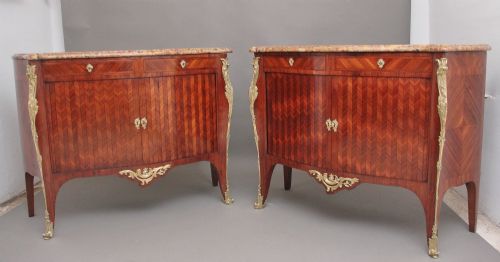
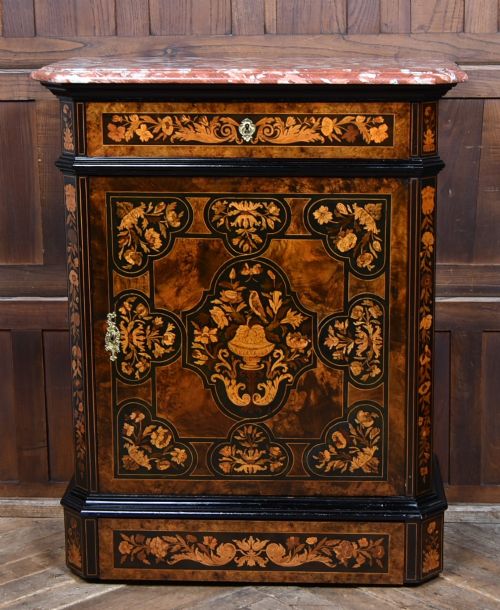
Carpenters built the carcases using solid timbers such as mahogany, oak, walnut, and pine, frequently applying decorative veneers of kingwood, rosewood, and burr walnut across the exterior surfaces. Marquetry and parquetry patterns create geometric or floral designs within the wood grain.
Mounts cast in ormolu, gilt bronze, and brass accent the corners, drawer edges, and feet, following the contours of Louis XV and Louis XVI revival designs. Glass panels appear in doors designed for display cabinets and vitrines.
Marble slabs rest directly upon the timber frame, varying in colour from white to rouge and dark grey. These stone tops match the precise dimensions of each individual cabinet base.
Antique Cabinet with Marble Top Retail Price Guide 2026
Typical asking prices for cabinet with marble top among the pieces listed under this phrase on Sellingantiques today, from the lower quarter to the upper quarter. They describe what is for sale here now, not the wider market.
Listings feature items from the Victorian and Edwardian eras alongside nineteenth-century French revival pieces.
Judging the Workmanship
The standard of an antique cabinet with marble top depends upon the precision of the timber marquetry and the crispness of the cast ormolu mounts. Finer pieces display hand-chased metal details and seamless veneer matching across curved serpentine drawer fronts.
The thickness and selection of the marble slab indicate the ambition of the original commission, with well-figured stone tightly fitted to the wooden moulding. Structural integrity within the internal oak or pine framing separates standard workshop production from master cabinet work.
Edward Holmes Baldock·François Linke
The Antique Cabinet with Marble Top Glossary
- Ormolu
- Gilt bronze mounts applied to furniture for decorative effect. This technique involves coating bronze with a gold amalgam.
- Marquetry
- Inlaid wood veneers arranged to form decorative pictures or geometric patterns. Artisans cut various coloured timbers to fit precisely together.
- Commode
- A low chest of drawers or cabinet with doors. French examples from the nineteenth century frequently carry heavy marble slabs.
- Vitrine
- A glass-fronted cabinet designed for the display of porcelain and small objects. These pieces often feature extensive ormolu and marquetry.
- Secrétaire
- A desk incorporating a writing flap that drops down to reveal small drawers and pigeonholes. Many examples conceal these writing compartments behind a top drawer.
Antique Cabinet with Marble Top: Frequently Asked Questions
What rooms suit a marble top cabinet?
These pieces function well in bedrooms as bedside tables or washstands, and in living spaces as sideboards or display units.
The stone surface provides a durable shelf that resists moisture and heat better than polished wood alone.
How do I identify French revival styles?
Look for curved cabriole legs, symmetrical ormolu mounts, and floral marquetry that echo the aesthetics of the seventeenth and eighteenth royal courts.
Nineteenth-century makers frequently reinterpreted these historical motifs using exotic veneers like kingwood and rosewood.
Are the marble tops fixed in place?
Most marble slabs rest loose upon the wooden frame of the cabinet, held in place simply by their own heavy weight.
This loose fit allows the stone to be lifted clear when moving or transporting the furniture.
What is Vernis Martin?
It is a specialised lacquer finish developed in France to imitate Asian folding screens and decorative panels.
Cabinets featuring this technique display detailed painted scenes beneath a translucent varnish layer.