






Antique Cabinet Sculpture
These antique cabinet sculpture pieces bring classical bronzes and carved figures into your interior with distinct period character.
Antique Cabinet Sculpture
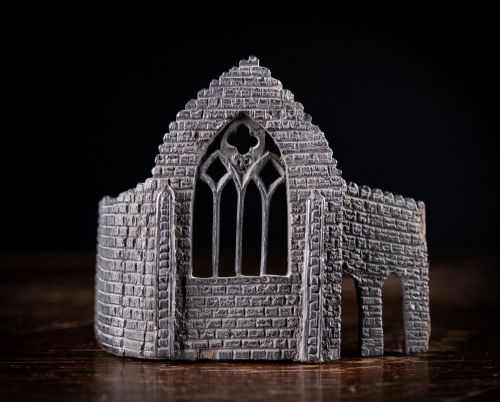
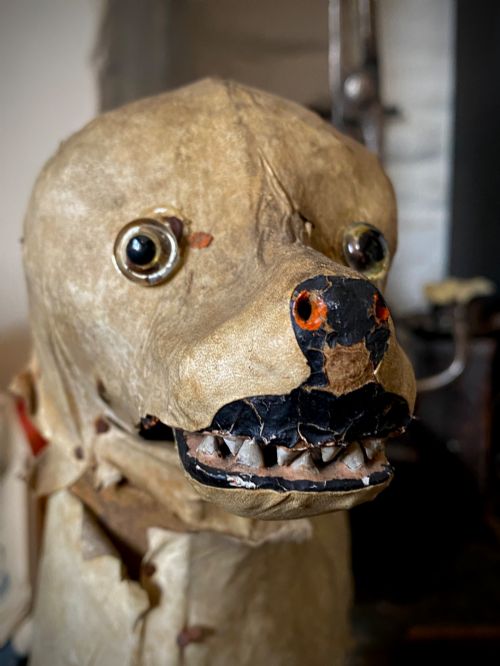
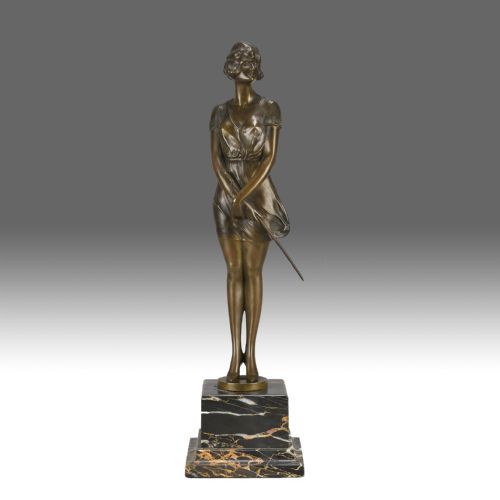
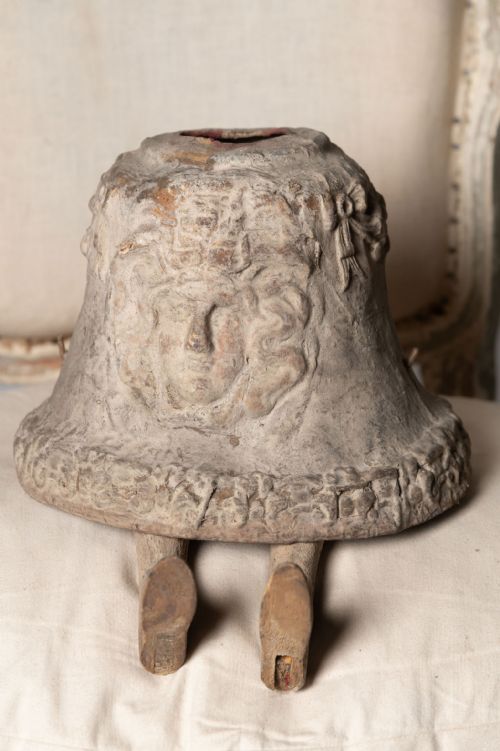
When you search for antique cabinet sculpture, you encounter small-scale works designed for tabletop display rather than monumental placement. The selection spans bronze figures, carved ivory, boxwood, and plaster models produced across multiple centuries.
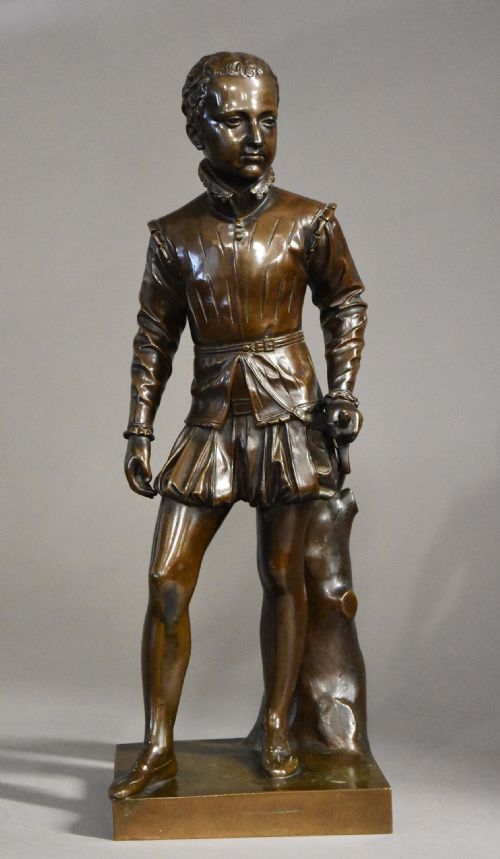
French bronzes and Grand Tour subjects form a significant part of the available pieces. Works range from nineteenth-century cabinet bronzes to earlier carved elements and theatrical props.
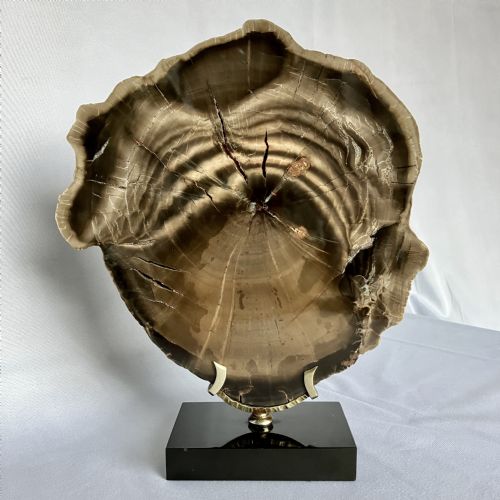
Display pedestals and plinths frequently accompany these sculptures to elevate the figures within a room. Makers from various European schools created these items for domestic display cabinets and surfaces.
How they were made
Metalsmiths utilised the lost-wax casting method for bronze subjects, finishing the surfaces with patination. Carvers worked with boxwood, ivory, Derbyshire alabaster, and mahogany using traditional chisels and gouges.
Plaster models and papier-mâché items required moulds and hand-applied detailing to achieve botanical or figurative accuracy. Inlaid columns and pedestals combined cabinetmaking joinery with veneers like amboyna and ebony.
Antique Cabinet Sculpture Retail Price Guide 2026
Typical asking prices for cabinet sculpture among the pieces listed under this phrase on Sellingantiques today, from the lower quarter to the upper quarter. They describe what is for sale here now, not the wider market.
One unexpected item is a Japanese bronze okimono modelled precisely as a tarantula spider.
What varies in quality
Carvings show variation in the depth of relief and the naturalism of anatomical forms in wood and stone. Fine timber selection and precise inlay work elevate pedestals and display stands.
Barbedienne·Bruno Zach·Bright And Sons·Simon Troger
The Antique Cabinet Sculpture Glossary
- Okimono
- A Japanese term for a freestanding decorative ornament intended for display in a room or cabinet. These carvings often depict animals or figures with high detail.
- Grand Tour
- A cultural journey undertaken by European elites that generated a demand for small bronzes and classical replicas. These pieces were brought home as cabinet souvenirs.
- Memento mori
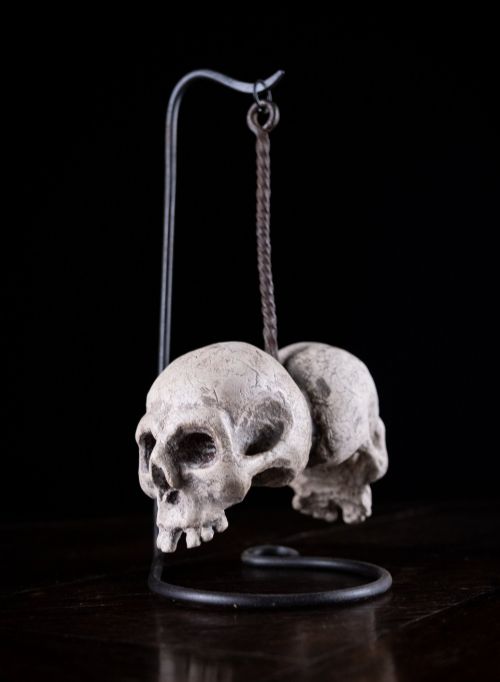
- An artistic or symbolic reminder of the inevitability of death. These objects often incorporate skulls or skeletal motifs.
- Patination
- The surface coloration and sheen developed on metal through age or chemical treatment. A stable patina enhances the contours of a bronze sculpture.
- Chasing
- The manual refinement of a metal casting using punches and hammers. This process sharpens surface details before final patination.
Antique Cabinet Sculpture: Frequently Asked Questions
What is an antique cabinet sculpture?
A cabinet sculpture is a portable decorative figure designed to fit within a domestic display cabinet or on a tabletop.
These pieces include cast bronzes, carved wood figures, and plaster models from various European and Asian traditions.
How were bronze cabinet sculptures produced?
Foundries used the lost-wax casting technique to create detailed metal figures from wax models.
After casting, artisans refined the surface through chasing and applied chemical patinas to achieve specific colours.
Where should I place a pedestal?
Pedestals and display stands provide height and structural emphasis for sculptures and decorative objects within a room.
Freestanding columns can be positioned in corners or against walls to support heavier figures or lamps.
How do I identify the period of a sculpture?
Dating relies on stylistic markers, material composition, foundry stamps, and recorded maker signatures.
Nineteenth-century French bronzes frequently feature distinct foundry marks, while earlier boxwood and ivory pieces show characteristic tool work.