

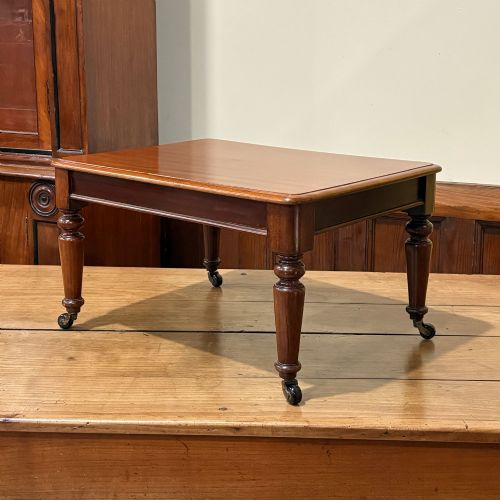
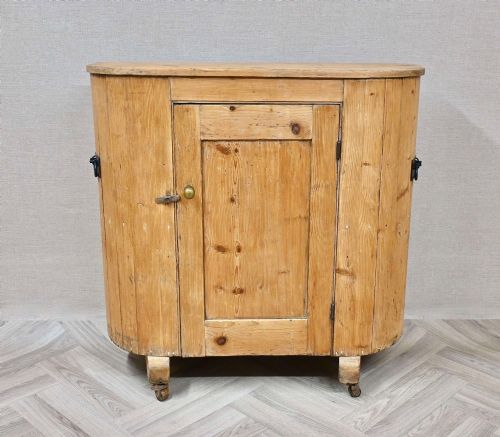
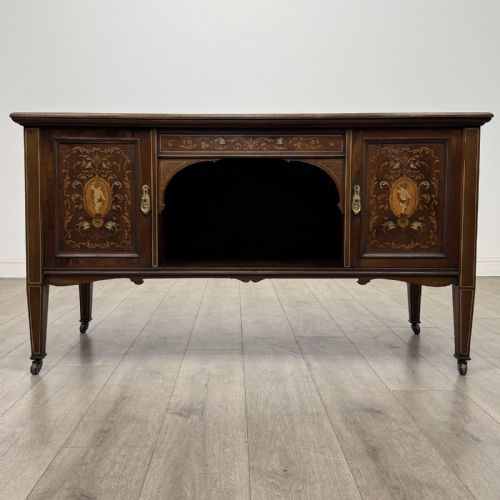
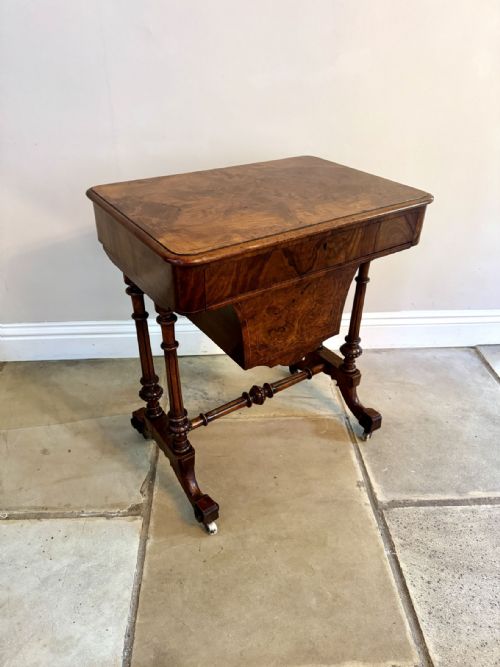
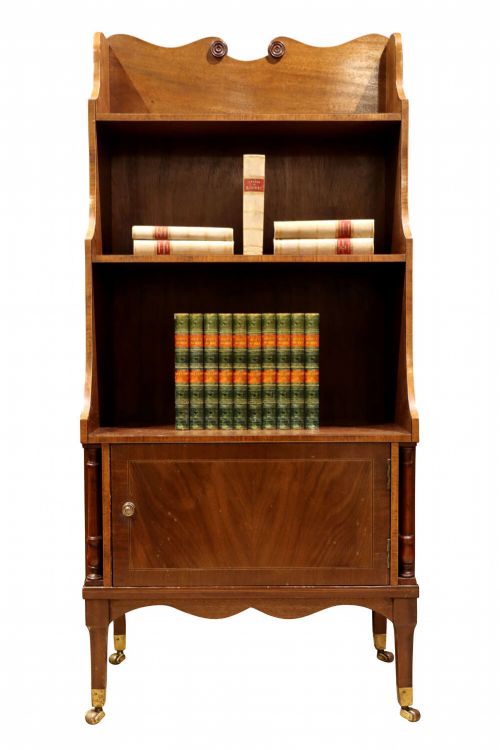
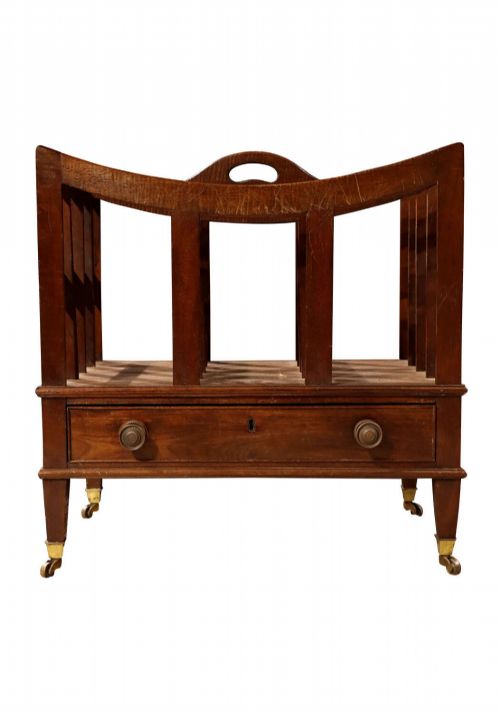


Antique Cabinet on Castors
An antique cabinet on castors brings mobility and period craftsmanship together, offering practical storage anchored by timber and brass.
Antique Cabinet on Castors
An antique cabinet on castors unites traditional storage furniture with mobility, designed to be moved across rooms with ease. When searching for an antique cabinet on castors, buyers encounter a diverse selection of forms spanning multiple centuries.
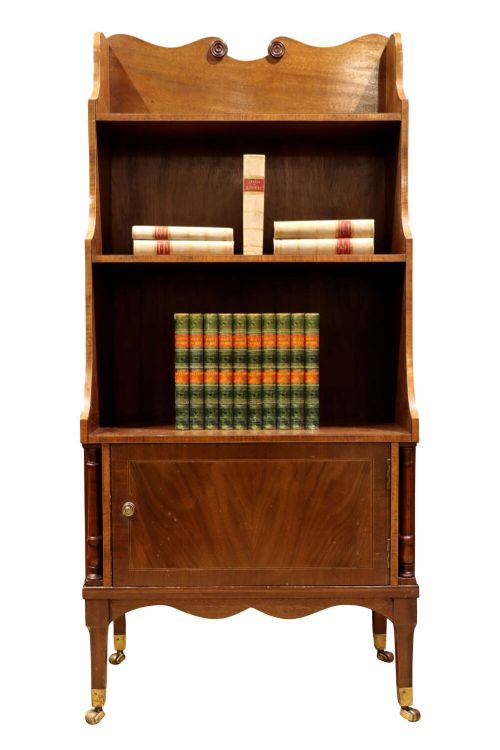
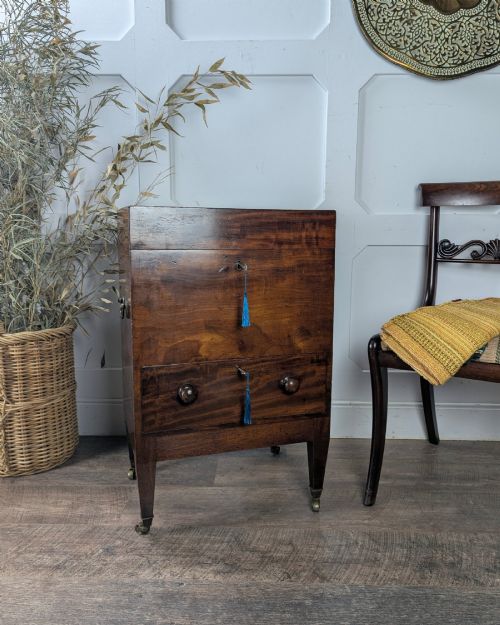
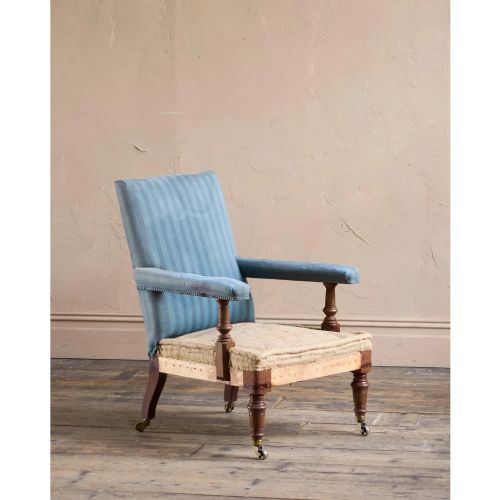
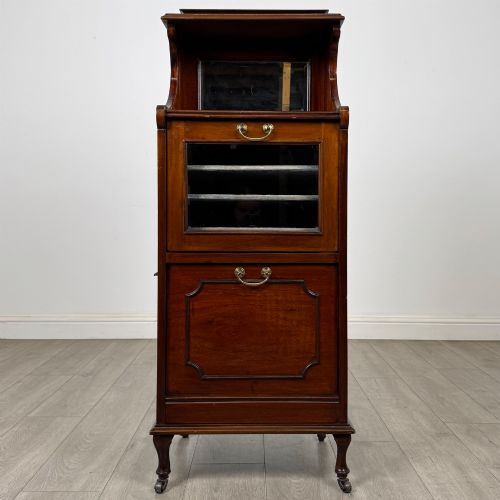
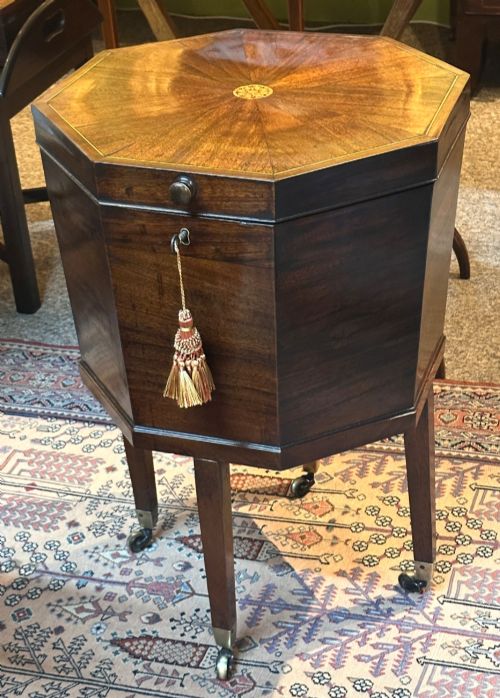
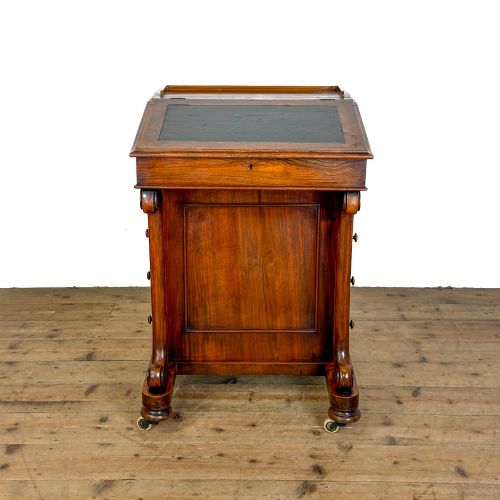
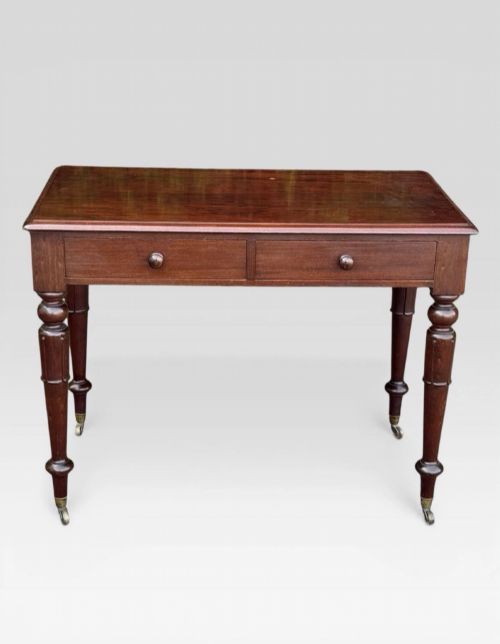
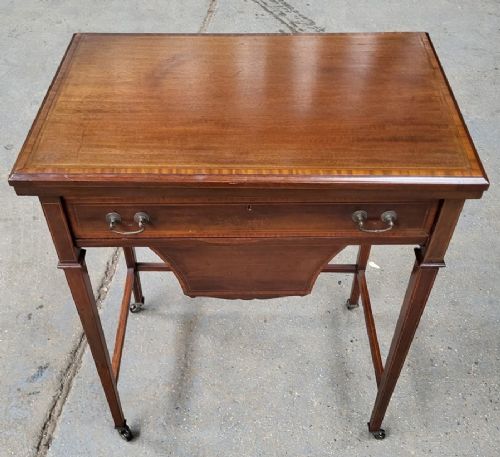
The pieces appearing on this page span several distinct forms, including cellarettes, work tables, canterburys, side tables, desks, magazine racks, bedside tables, and bookcases. These items emerge from periods such as the Georgian, Regency, Victorian, and Edwardian eras.
Mahogany, walnut, and rosewood form the primary timbers of these mobile pieces, often enhanced by brass castors. Victorian and Edwardian examples sit alongside earlier George III and Regency pieces, showing how mobility remained a practical priority across generations.
How They Were Made
Cabinet makers utilised dense hardwoods like mahogany, walnut, and rosewood, applying satinwood and burr walnut for contrasting detail. Timber selection prioritised durability and rich grain patterns, which were then polished to a deep lustre.
Makers integrated brass components into the feet, securing castors to support the weight of heavy timber bodies and contents. Inlaid marquetry and cross-banding added decorative surface detail to work tables and bookcases alike.
Antique Cabinet on Castors Retail Price Guide 2026
Typical asking prices for cabinet on castors among the pieces listed under this phrase on Sellingantiques today, from the lower quarter to the upper quarter. They describe what is for sale here now, not the wider market.
Even music cabinets and cellarettes required wheels so the household could chase the warmth of the fireplace without lifting a finger.
What Varies in Quality
The refinement of timber selection and secondary woods dictates the standing of a piece. Fine execution appears in the crispness of inlaid details, the precise fit of drawers, and the integrity of the original brass castors.
Proportion and decorative restraint separate standard utility items from high-status commissions. Superior pieces maintain harmonious lines across functional additions like drop leaves, sliding trays, and fitted compartments.
Morison and Co·J A Mein·Shoolbred of London·Waring and Gillow·J C Loudon
The Antique Cabinet on Castors Glossary
- Castor
- A small wheel fitted to the foot of a piece of furniture to allow easy rolling and repositioning. These fittings often incorporate brass mounts and original wheels.
- Cellarette
- A lockable container or cabinet designed for storing wine bottles safely. These items frequently sit on low stands or castors for movement around a dining room.
- Canterbury
- A low stand featuring partitioned sections for holding sheet music, newspapers, or portfolios. Many versions incorporate a single drawer beneath the main tier.
- Cross-banding
- A decorative border technique where strips of veneer are laid across the grain of the primary timber. This framing method enhances the visual edge of tabletops and cabinet doors.
- Marquetry
- The art of forming decorative patterns using varied veneers of wood and other materials. Craftsmen assemble these pictorial designs to adorn the surfaces of tables and cabinets.
Antique Cabinet on Castors: Frequently Asked Questions
What is an antique cabinet on castors?
These items comprise various portable storage forms built with integrated wheels on their feet. The category includes cellarettes, music cabinets, work tables, and small bookcases.
Craftsmen added castors to heavy timber furniture to allow effortless movement across carpets and wooden floors in period homes.
How do I date an antique cabinet?
Dating relies on identifying the prevailing style, timber choices, and construction methods characteristic of periods like Georgian, Regency, or Victorian.
Details such as brass castor design, inlay techniques, and secondary wood usage provide clear indicators of a piece's age.
Where were these cabinets used?
Owners placed these mobile pieces in drawing rooms, dining rooms, studies, and bedrooms depending on their specific form. Work tables served sitting rooms, while cellarettes stood near dining tables.
Their mobility meant furniture could be rearranged easily to suit different household activities throughout the day.
Are the castors usually original?
Many surviving pieces retain their original brass or metal castors, secured firmly to the base of the legs. Original fittings show matching wear and patination consistent with the rest of the timber frame.
Replacements occur where earlier wheels suffered damage, though surviving original sets remain preferred by collectors.