





Antique Cabinet Object
An antique cabinet object brings the peculiar focus of the curiosity room straight to a desk or shelf.
Antique Cabinet Object
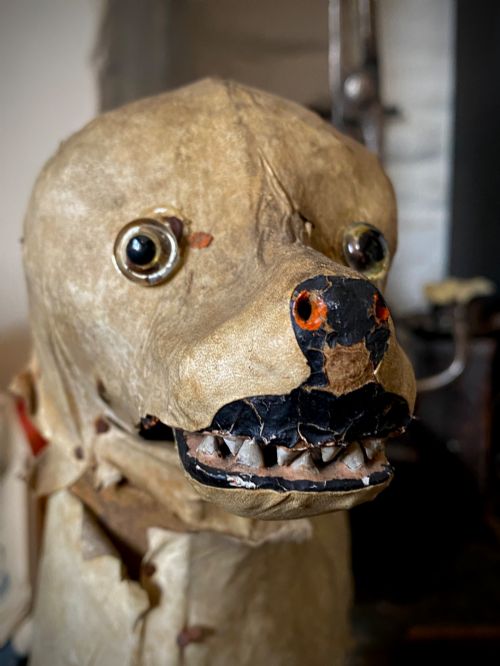
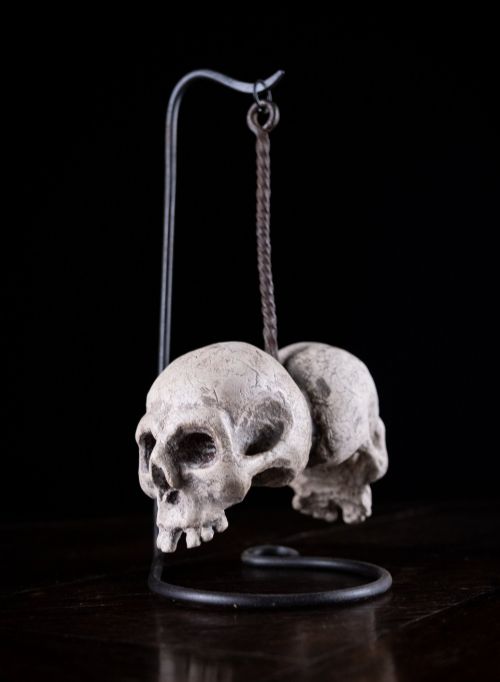
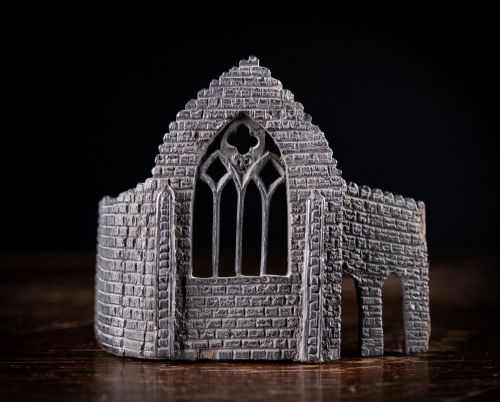
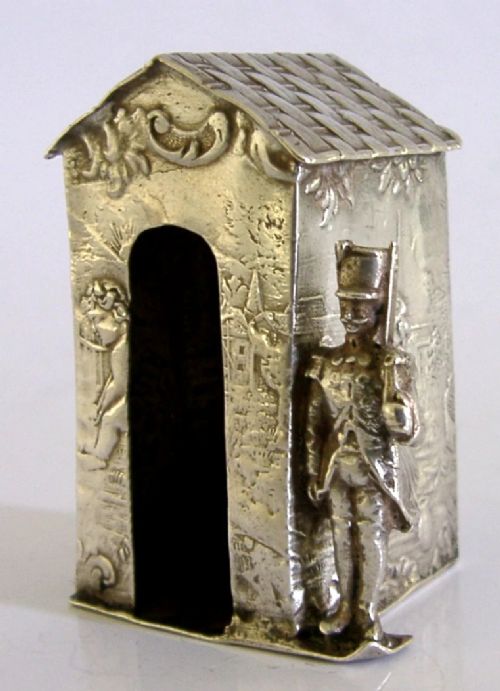
When you search for an antique cabinet object, you encounter a diverse collection of curiosity pieces, natural history specimens, and miniature works designed for display. These items span from the eighteenth century to the early twentieth century, taking forms such as silver miniatures, anatomical models, scientific instruments, and theatrical props.
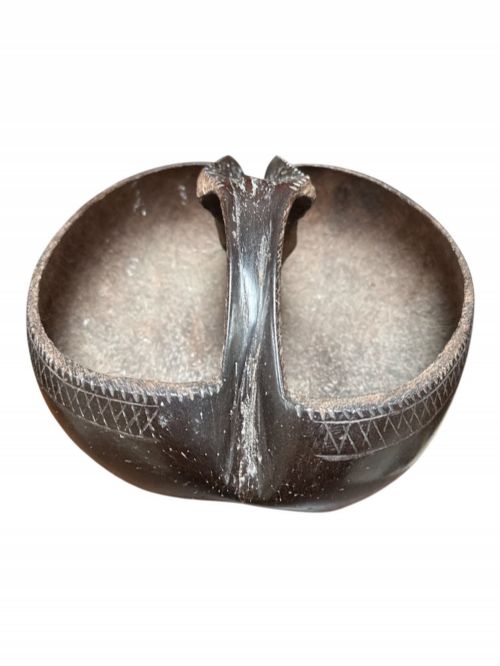
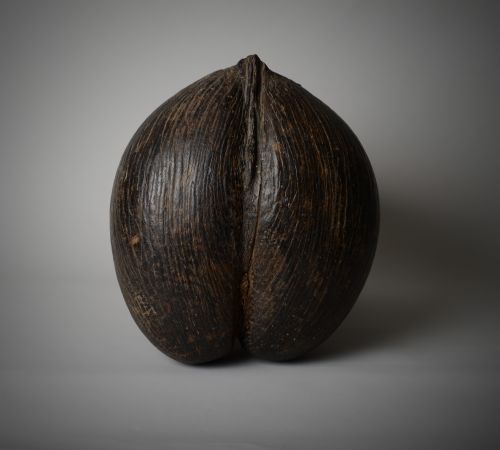
The objects most frequently met on this page range from Victorian natural specimens like coco de mer seed pods and carved bone to Georgian travelling sundials and nineteenth-century carved sculptures. They reflect the historical appetite for collecting unusual artefacts from the natural and human worlds.
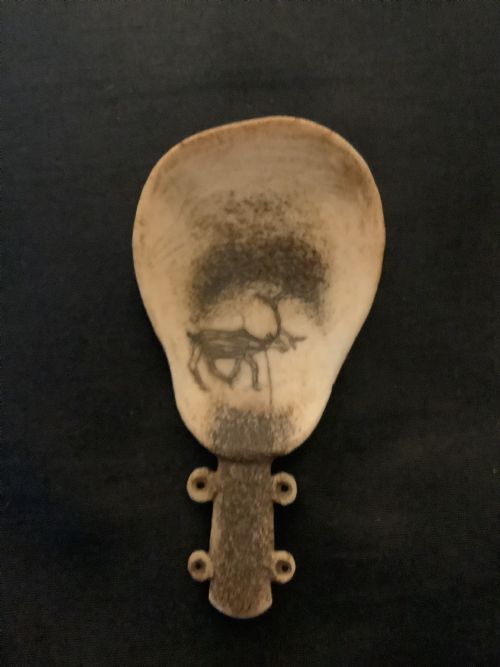
Originating from varied traditions including Japanese bronze work, German boxwood carving, and Inuit craftsmanship, these pieces served as teaching aids, scholarly desk items, or purely decorative items for private displays. Their shared characteristic is their suitability for close inspection within a cabinet rather than functional utility in a room.
Materials and Construction
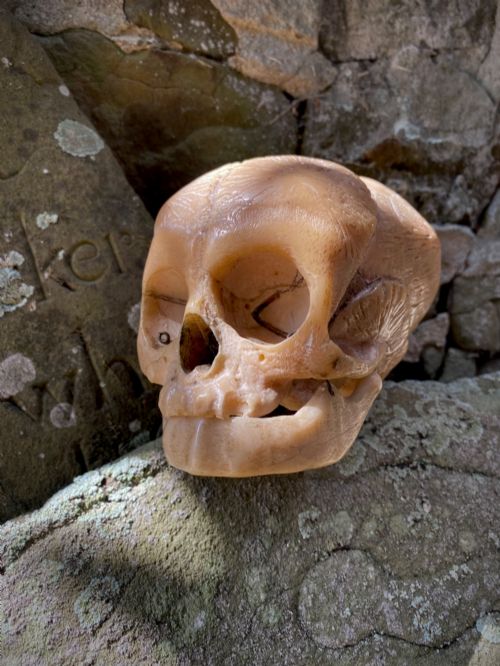
The construction of these pieces relies heavily on organic and refined materials, utilising wood, bone, ivory, brass, glass, enamel, plaster, and wax. Artisans combined these substances with traditional techniques, such as the detailed boxwood and ivory carving seen in eighteenth-century figures or the delicate hand-modelling of life-size wax heads.
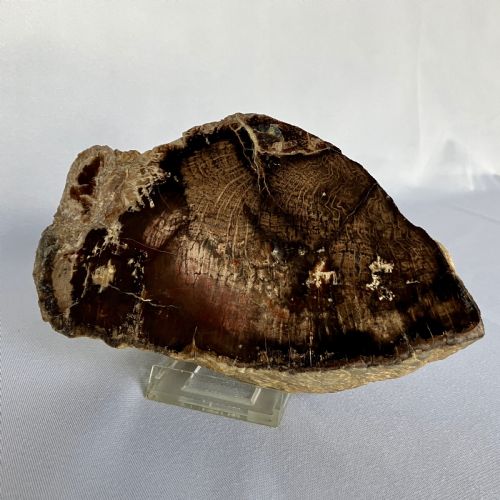
Metalworking and casting methods are also prominent, visible in the creation of sterling silver miniatures, bronze okimono, and brass travelling compasses. Natural specimens like coco de mer shells, cow horn, and ancient mastodon teeth required specialised preparation and mounting rather than synthetic manufacture.
Antique Cabinet Object Retail Price Guide 2026
Typical asking prices for cabinet object among the pieces listed under this phrase on Sellingantiques today, from the lower quarter to the upper quarter. They describe what is for sale here now, not the wider market.
Periods represented span from the early eighteenth century through the Victorian era up to the early twentieth century.
Standards of Quality
Quality in these objects rests upon the precision of the handwork and the fidelity of the representation, whether in the casting of a silver guard miniature or the botanical accuracy of a mushroom teaching aid. Superior examples display crisp detail in carved bone, ivory, or wood, where the artisan maintains fine proportions over complex forms.
The integrity of the material and its preservation over time define the upper tier of the range. Natural specimens and delicate wax models that retain their original surface texture and structural stability demonstrate the care taken by both maker and subsequent collectors.
Simon Troger
The Antique Cabinet Object Glossary
- Okimono
- A Japanese term for a standalone decorative sculpture designed for display on a shelf or inside a cabinet. These pieces are typically cast in bronze or carved from ivory and wood.
- Coco de Mer
- A large double coconut seed pod native to the Seychelles, prized as a natural curiosity in Victorian collections. Collectors valued its unusual anatomical shape.
- Cabinet of Curiosities
- An early room or piece of furniture dedicated to housing an encyclopaedic collection of natural history, art, and strange artefacts. It forms the historical context for these small objects.
- Anatomical Model
- A three-dimensional representation of human or plant structures utilised for scientific study and medical teaching. They are frequently constructed from wax, plaster, or papier-mâché.
Antique Cabinet Object: Frequently Asked Questions
What is an antique cabinet object?
An antique cabinet object is a small item collected for its curiosity, scientific interest, or decorative appeal, traditionally housed in a display cabinet.
These pieces include natural history specimens, miniature sculptures, scientific instruments, and anatomical models dating from the eighteenth century to the early twentieth century.
How were natural history specimens displayed?
Natural history specimens like coco de mer shells and fossilized teeth were typically placed on desks, tables, or within specialised glass-fronted cabinets.
Collectors arranged them alongside artificial curiosities to demonstrate the breadth of the natural and manufactured worlds.
Are these scientific instruments functional?
Many instruments, such as Georgian travelling compasses and sundials, were designed for practical navigation or timekeeping alongside their decorative utility.
Over time, their primary role often shifted from active use to preservation as historical and technological artefacts within private collections.
How do I identify the period of a piece?
Period identification relies on the materials used, the manufacturing technique, and stylistic markers associated with eras such as the Georgian, Victorian, or Meiji periods.
Examination of tool marks, metal purity, and organic ageing helps place an object within its historical century.