

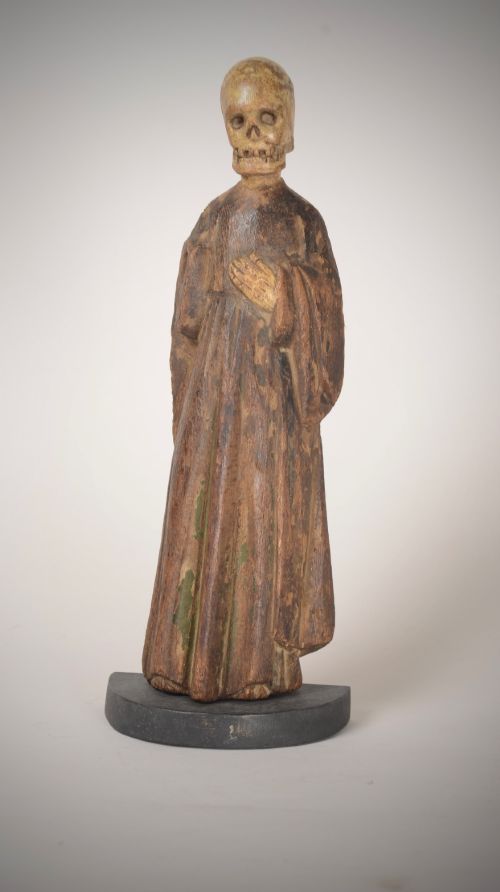
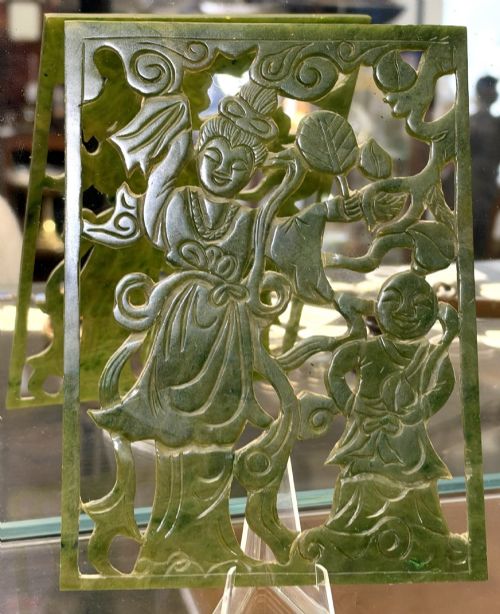
Antique Cabinet Figures
These antique cabinet figures span centuries of craftsmanship, offering collectors refined sculptural bronzes and detailed small works.
Antique Cabinet Figures
The selections on this page encompass detailed metalwork studies and small-scale ornamental pieces. Pieces originate from diverse European traditions, demonstrating the shift in decorative tastes across Georgian, Victorian, and Art Deco eras.
How they were made
Metal sculptures utilise traditional casting techniques, often finished with patination to enhance surface detail. Bronze works demonstrate precision founding methods associated with prominent nineteenth-century and early twentieth-century foundries.
Antique Cabinet Figures Retail Price Guide 2026
Typical asking prices for cabinet figures among the pieces listed under this phrase on Sellingantiques today, from the lower quarter to the upper quarter. They describe what is for sale here now, not the wider market.
Listings feature bronze sculptures and metalwork from the nineteenth and early twentieth centuries, including works by Barbedienne and Bruno Zach.
What varies in quality
The precision of the casting and the crispness of the surface chisel work determine the distinction between average and superior figures. Finer examples retain sharp anatomical or textural definitions without smoothing from excessive cleaning.
Original surface patination and authentic foundry markings contribute significantly to the standing of a piece. Well-preserved patinas demonstrate age and careful handling over decades of domestic placement.
Barbedienne·Bruno Zach
The Antique Cabinet Figures Glossary
- Bronze
- A copper and tin alloy widely used for sculptural casting. It provides durability and takes a fine patination.
- Patina
- The surface sheen and coloration developed through age and handling. A natural patina indicates uncompromised historical integrity.
- Okimono
- A Japanese decorative freestanding figurine. These objects were traditionally placed in a display alcove.
- Foundry mark
- A stamp or signature applied by the casting workshop. It helps identify the maker and period of production.
Antique Cabinet Figures: Frequently Asked Questions
Where were cabinet figures displayed?
These figures were typically placed on top of desks, inside glazed display cabinets, or upon specialised stands within domestic interiors.
Their intimate scale allowed owners to examine the detailed craftsmanship at close quarters in studies or drawing rooms.
How do I identify bronze patination?
Authentic patination develops naturally over extended periods through exposure to air and handling, resulting in subtle tonal variations across the metal surface.
Avoid pieces with uniform modern spray finishes that obscure the underlying texture of the casting.
What periods do these figures represent?
The available selection includes works from the nineteenth and early twentieth centuries, capturing the transition into Art Deco design.
Each era brings distinct stylistic preferences, ranging from classical European foundry traditions to Eastern decorative arts.
How should I care for bronze figures?
Maintain metal figures by dusting them gently with a soft, dry cloth to prevent the accumulation of abrasive particles.
Keep them away from direct moisture and harsh chemical cleaning agents to preserve the original surface patination.