





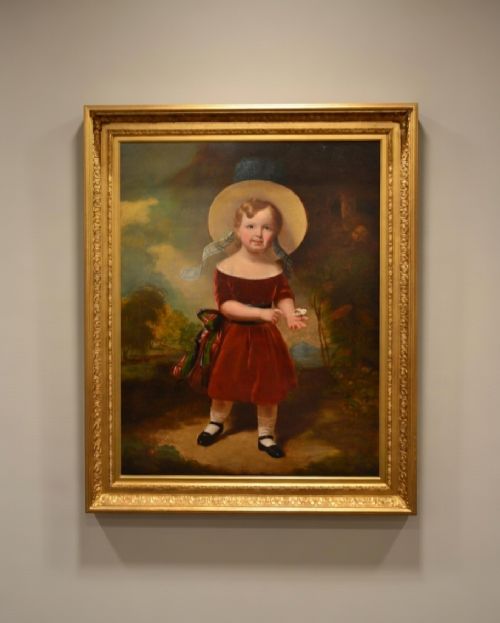
Antique Butterfly Framing
Antique butterfly framing preserves delicate natural history specimens within period wooden, giltwood and sterling silver surrounds.
Antique Butterfly Framing
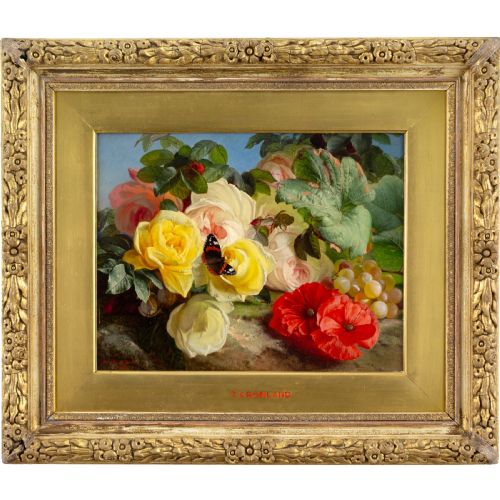
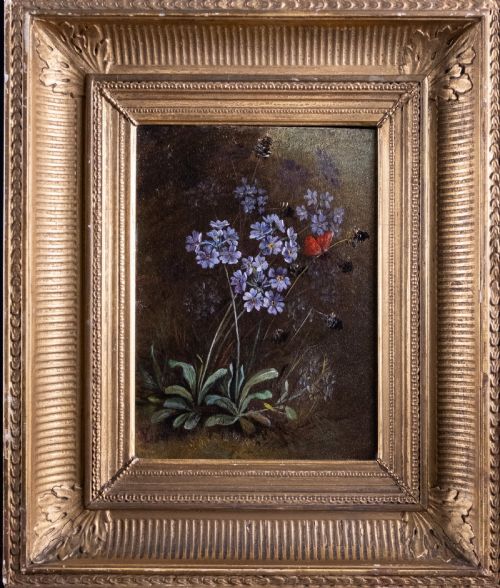
When you search for antique butterfly framing, you encounter a diverse array of nineteenth century natural history displays, botanical works with insects, and framed taxidermy wall displays. These pieces merge artistic rendering with scientific interest, capturing specimens in contexts ranging from Victorian natural history to Chinese export art.
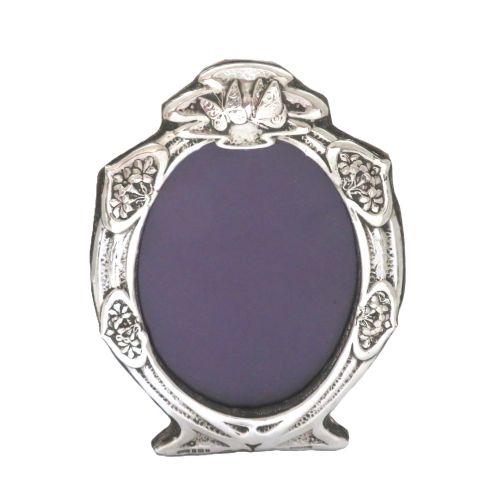
The objects appearing on this page span from the eighteenth century through to the early twentieth century, taking the form of oil paintings, pith paintings, engraved botanical prints, and sterling silver photo frames. Victorian natural history specimens and framed prints dominate the selection, offering a glimpse into historical approaches to interior decoration and specimen preservation.
How they were made
Makers utilised traditional materials such as wood, giltwood, paper, and glass to protect and present these delicate subjects. Canvases received oil paint applications, while botanical compositions utilised paper and engraved plates alongside actual taxidermy wall displays.
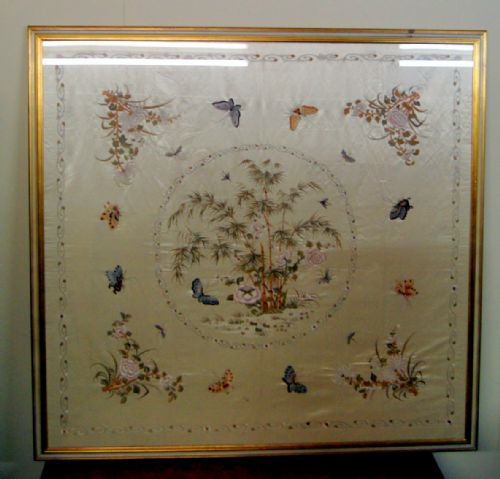
Craftsmen mounted textiles and specimens within specialised frames, occasionally employing sterling silver for photo frames or silk panels with hand embroidery. The integration of oil painting with entomological subjects required steady brushwork and careful preservation techniques to maintain colour vibrancy.
Antique Butterfly Framing Retail Price Guide 2026
Typical asking prices for butterfly framing among the pieces listed under this phrase on Sellingantiques today, from the lower quarter to the upper quarter. They describe what is for sale here now, not the wider market.
Nineteenth-century naturalists occasionally employed real beetle wings to add shimmering texture to embroidered silk panels.
What varies in quality
The distinction between standard and superior pieces rests on the precision of the hand painting, the condition of the paper or canvas, and the integrity of the framing materials. Works associated with notable artists or circles exhibit greater finesse in brushwork and composition than anonymous decorative items.
Materials also dictate tier, with sterling silver frames or finely carved giltwood surrounds elevating an object above simple wooden mouldings. Preservation of the specimen or pigment, free from significant fading or damp damage, marks the higher end of the range.
Theude Grönland·Pierre-Joseph Redouté·John Curtis·Henry Scott
The Antique Butterfly Framing Glossary
- Giltwood
- Wood carved and covered with a thin layer of gold leaf. This material frequently appears on nineteenth-century frames.
- Pith painting
- Artwork created on fragile paper-like material made from the pith of the Tetrapanax papyrifer plant. Chinese export art often utilised this medium for butterfly and insect studies.
- Taxidermy wall display
- The arrangement and mounting of preserved specimens for vertical hanging. These displays capture historical natural history interests.
- Engraving
- A printmaking technique where an image is incised onto a metal plate. John Curtis and other botanical illustrators employed this method for insect plates.
Antique Butterfly Framing: Frequently Asked Questions
How do I care for antique butterfly framing?
Keep these pieces away from direct sunlight to prevent the fading of delicate specimen colours and paper grounds. Maintaining stable indoor humidity protects both the wood framing and the fragile contents within.
Avoid using liquid cleaners on the glass or frame surfaces. Instead, gently dust the exterior with a dry, soft cloth.
Are the butterflies real in these frames?
Many natural history pieces and taxidermy wall displays incorporate actual preserved specimens. Other items represent the insects through oil paint, engravings, or hand embroidery.
Examining the medium in the listing details clarifies whether you are viewing a real specimen or an artistic representation.
What periods do these pieces come from?
The available selection primarily spans the nineteenth century, with examples reaching back to the eighteenth century and forward to the early twentieth century. Victorian and Edwardian aesthetics heavily influence the framing styles.
Earlier works often connect to scientific illustration and natural history collecting trends of the era.
Can I hang these frames in bright rooms?
Bright rooms pose a risk to historical pigments and organic specimens alike. Ultraviolet light causes irreversible fading on butterfly wings, watercolours, and antique paper.
Positioning your framed pieces on interior walls away from windows ensures their longevity and preserves their visual impact.