



Antique Bust Decor
Antique bust decor brings character and classical gravity into a room, offering sculpted portraits and figures spanning multiple centuries.
Antique Bust Decor
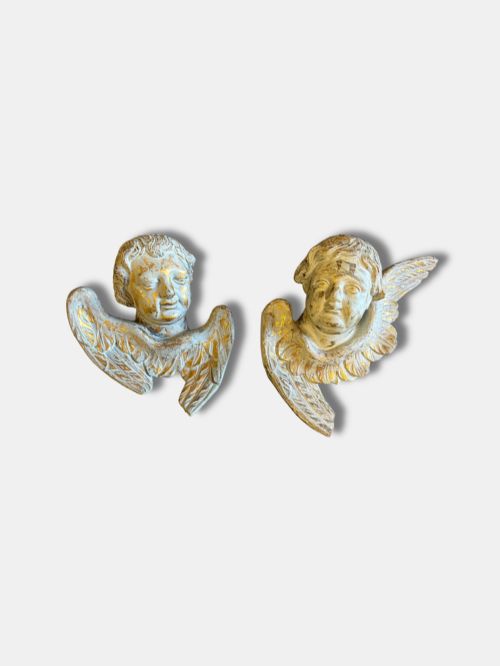
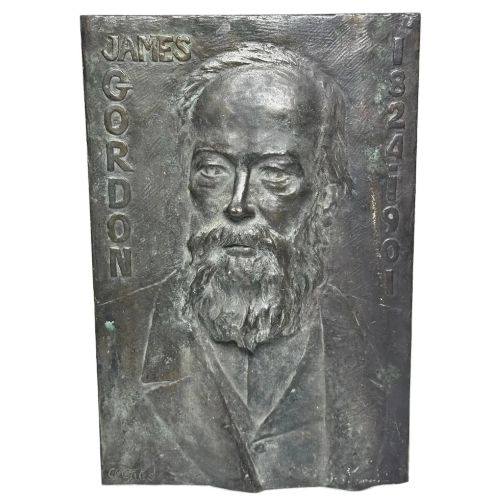
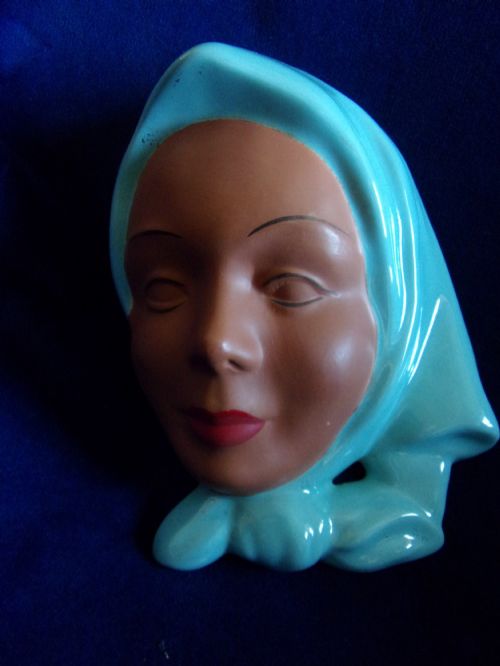
Antique bust decor encompasses sculptural portraits, plaques, and figurative works designed to ornament interiors and architectural spaces. When seeking antique bust decor, buyers encounter diverse forms ranging from classical philosophers and literary figures to equestrian studies and decorative ladies.
How they were made
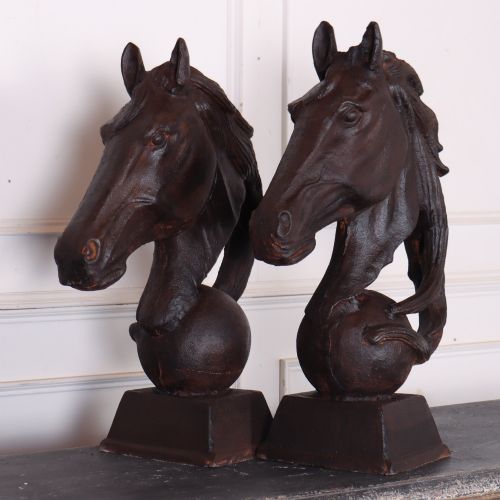
Materials span cast iron, bronze, marble, wood, plaster, and porcelain, reflecting the varied mediums favoured by makers across different periods. Bronze and cast iron provide heavy, durable forms suited for hitching posts, bookends, and freestanding sculptures.
Antique Bust Decor Retail Price Guide 2026
Typical asking prices for bust decor among the pieces listed under this phrase on Sellingantiques today, from the lower quarter to the upper quarter. They describe what is for sale here now, not the wider market.
What varies in quality
The choice of base materials, such as genuine marble plinths paired with bronze, influences the overall weight and presence of the sculpture. Greater artistic attribution and refined patination elevate certain portraits above standard decorative castings.
Alice Gates·Joseph Gott·Sevres Pottery·Staffordshire Pottery
The Antique Bust Decor Glossary
- Patina
- The surface sheen and coloration developed through age and handling on metals and wood. This natural ageing process gives older bronzes and irons their distinct visual depth.
- Plinth
- A heavy rectangular or square block supporting a statue or bust. Many portrait busts rest on black marble or stone plinths to provide stability and elevation.
- Relief
- A sculptural technique where the figures project from a flat background. Carved mahogany plaques utilise this method to present scenes in two dimensions.
- Neoclassical
- A style inspired by the classical art and architecture of ancient Greece and Rome. This aesthetic frequently informs the depiction of philosophers and historical subjects.
- Alabaster
- A fine-grained, translucent stone used for delicate sculptures and carvings. Its smooth surface allows for subtle gradients of light across a figure.
Antique Bust Decor: Frequently Asked Questions
What periods do these busts cover?
The selection spans from the late eighteenth century through the nineteenth and twentieth centuries, encompassing Victorian, Edwardian, and Art Deco eras.
Specific dates within the listings point to around eighteen hundred, eighteen fifty, eighteen eighty, and nineteen twenty.
What materials are commonly used?
Materials include bronze, cast iron, marble, plaster, wood, alabaster, and porcelain.
Some pieces combine metals with marble stands or utilise painted pigments on plaster surfaces.
How were horse bust pieces used?
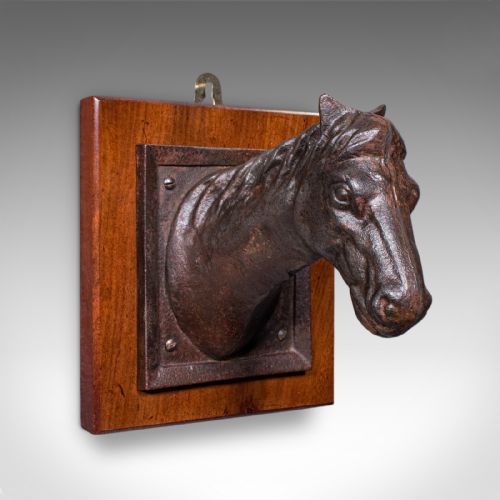
Cast iron horse heads served practical functions as hitching posts outside buildings alongside decorative coat hooks.
Other equine sculptures functioned purely as ornamental art representing equestrian subjects.
Are literary figures common?
Portraits of William Shakespeare appear in multiple mediums including pottery, metal bookends, and busts mounted on marble plinths.
Other notable literary subjects include poets such as Lord Byron and Sir Walter Scott.