




Antique Burr Wood Dresser
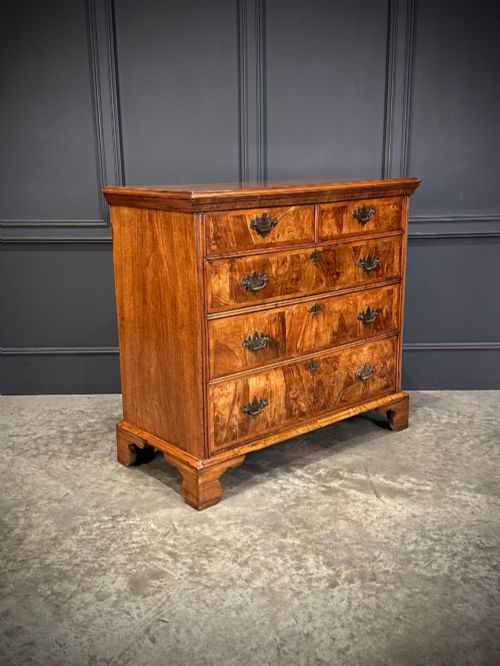
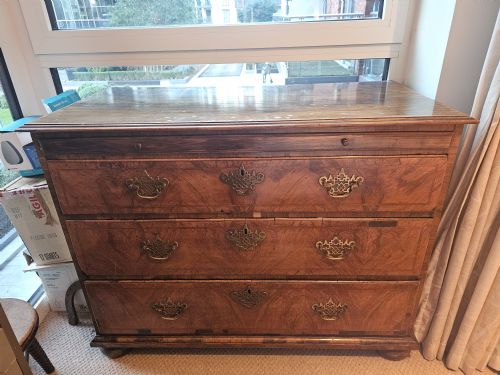
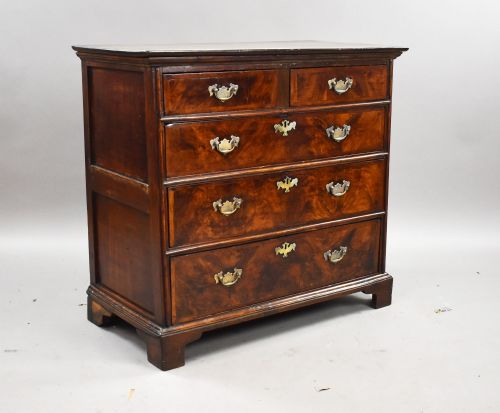
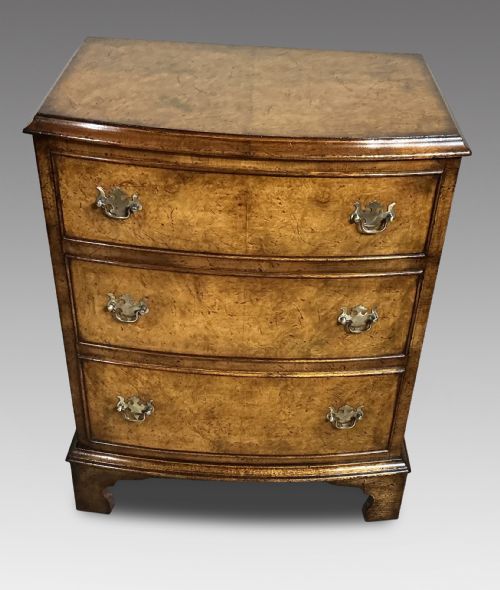
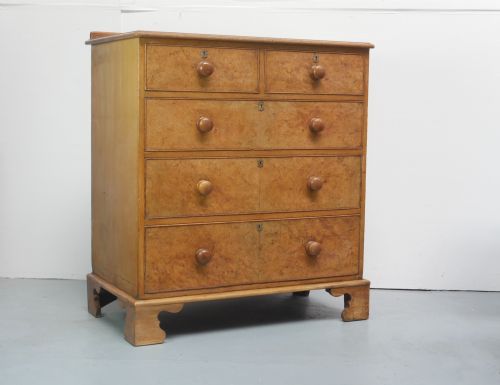
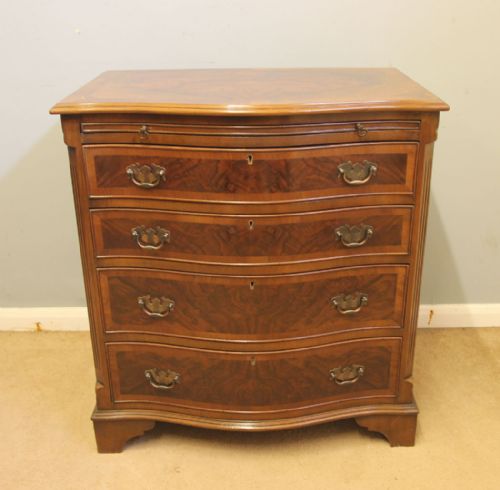
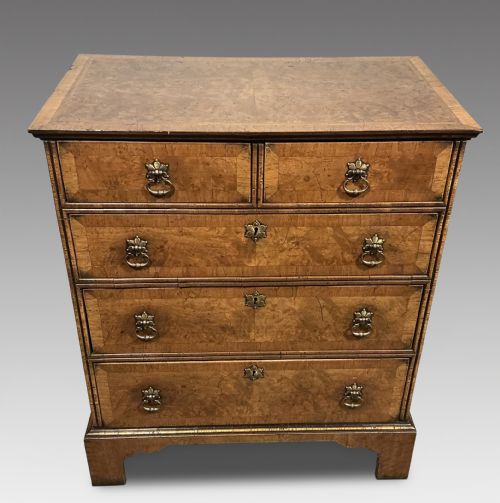
An antique burr wood dresser or chest holds timber worked for swirling grain, offering storage grounded in centuries of cabinet-making skill.
Antique Burr Wood Dresser
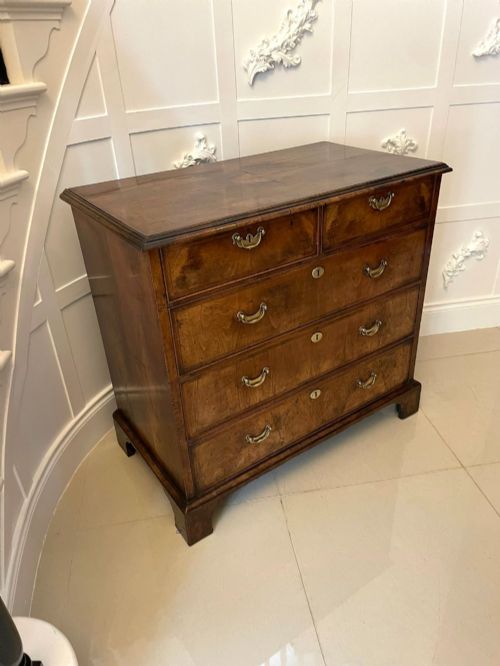
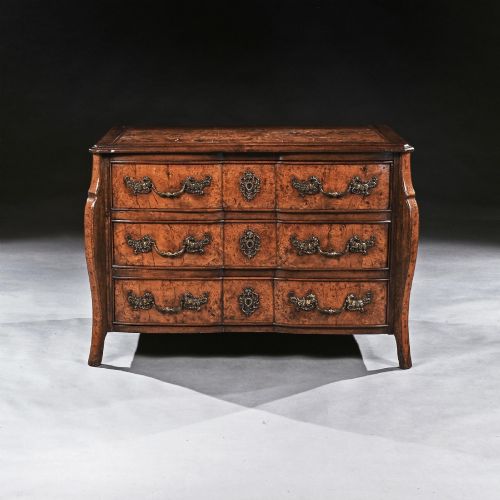
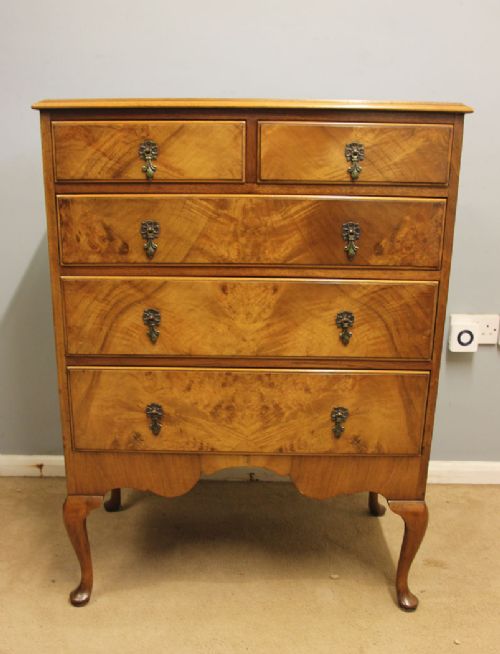
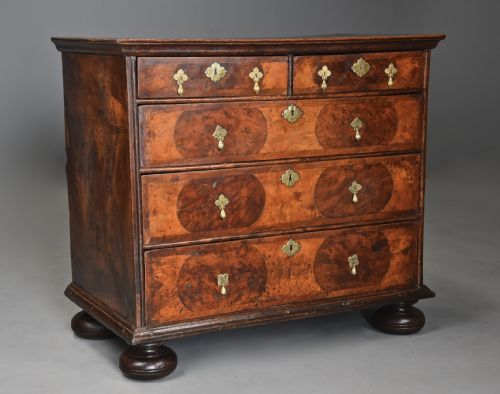
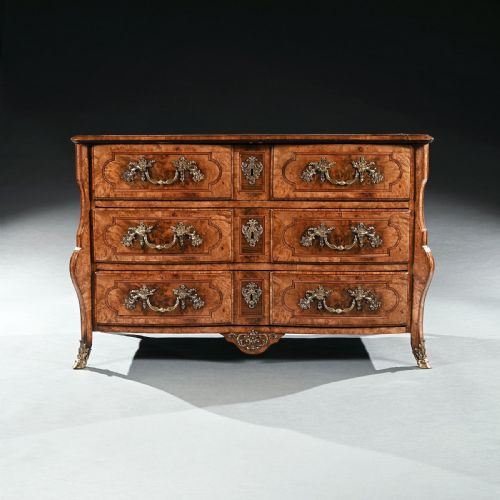
When you search for an antique burr wood dresser, you encounter heavy timber drawer units and low commodes shaped from figured wood. The pieces span periods from the late seventeenth century through the Georgian era and onward to later twentieth-century interpretations.
Chest of drawers forms dominate the selection, alongside commodes, sideboards, and dresser bases. Walnut and burr walnut appear most frequently, accompanied by burr elm, burr ash, yew, maple, and amboyna.
The regional origins stretch across English workshops and French provincial centres, including Louis XV and Regence styles alongside William and Mary designs. Cabinets vary from tall proportions to smaller bedside or commode scales.
Materials and construction
Cabinet-makers selected dense native and continental hardwoods, applying burr veneers onto stable foundational carcasses built from oak or secondary pines. Craftsmen laid thin slices of burr walnut, elm, and ash across drawer fronts to showcase intricate knot clusters and swirling grain patterns.
Joinery relied on hand-cut dovetails for drawer construction and pegged mortise and tenon framing for structural integrity. Surfaces received traditional hand-rubbed finishes, wax polishing, and occasionally marquetry inlay to emphasise the natural figures of the wood.
Some seventeenth-century burr walnut chests conceal hidden sliding top panels designed to outwit early morning thieves.
What sets examples apart
The standard of an antique burr wood dresser rests in the density and placement of the burr grain across the primary facade. Exceptional examples display continuous, matched veneer panels across multiple drawers, whereas lesser pieces show disjointed grain alignment.
Surface preservation defines value, particularly where original patination, colour depth, and minimal timber replacement survive untouched. Fine execution shows in crisp brass hardware fixings, tight drawer tolerances, and structural forms that retain their original proportions.
Thomas Hache of Grenoble
The Antique Burr Wood Dresser Glossary
- Burr wood
- Timber harvested from tree growths where the grain has grown in a deformed, swirling manner. This produces highly decorative patterns prized by cabinet-makers.
- Commode
- A low French chest of drawers or cabinet originating in the seventeenth century. These units often feature bombé shapes and elaborate veneering.
- Patina
- The surface sheen and colour acquired by wood and metal over centuries through handling, polishing, and oxidation. Untouched surfaces retain high collector value.
- Marquetry
- The art of applying pieces of veneer to a structure to form decorative patterns and pictures. Craftsmen utilise contrasting woods to create detailed ornamentation.
Antique Burr Wood Dresser: Frequently Asked Questions
How do I date an antique burr wood dresser?
Dating relies on examining construction methods, timber choices, and hardware styles. Early pieces from the seventeenth and eighteenth centuries often feature hand-cut dovetails, oak secondary woods, and specific regional proportions.
Later Victorian and twentieth-century examples display different internal framing techniques and machine-sawn timber elements. Comparing the veneer application style to known period pieces confirms the manufacturing era.
Where should I place a burr wood dresser?
Position these chests in dry rooms away from direct sunlight and heat sources to protect the delicate burr veneers. Maintaining stable humidity prevents the wood from drying out and stops the veneer from lifting.
Allow enough space around the piece for drawers to open fully without obstruction. Placing the furniture against an interior wall preserves the timber from temperature fluctuations.
What is the difference between a dresser and a chest of drawers?
In British furniture terminology, a chest of drawers consists solely of stacked horizontal drawers used for storage. A traditional dresser includes a lower base of drawers or cupboards, often paired with upper display shelving.
Marketplace listings occasionally blend these terms when describing low commodes and dresser bases. Examining the overall elevation clarifies whether the piece functions as a pure drawer unit or a sideboard surface.
How do I clean burr walnut veneer?
Clean surfaces gently using a soft, dry lint-free cloth to remove dust and surface particles. Avoid chemical sprays, silicone polishes, and excess water that can penetrate the grain and damage old finishes.
Apply a microcrystalline wax sparingly once or twice a year to nourish the timber. Buff the surface lightly after application to maintain the natural sheen without building up residue.